
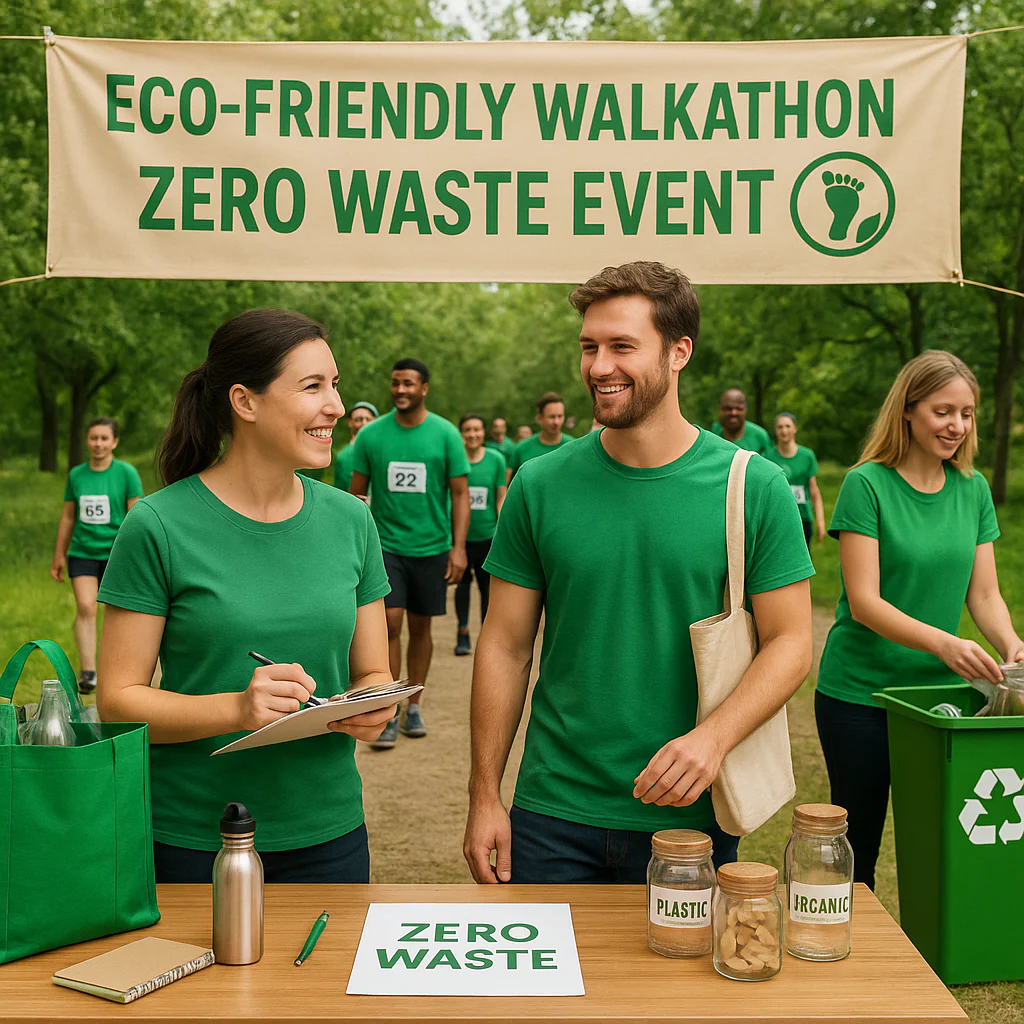
Did you know a single 5K event can generate over 10,0 plastic water bottles in just one afternoon? That’s enough to circle a small town! But what if your next walkathon didn’t just raise funds, but also raised the bar for sustainability? At Walkathon Benefits™, we’ve seen firsthand how transforming a standard race into a zero-waste celebration can ignite community passion like never before. From sourcing compostable catering to designing eco-centric decor that turns trash into art, this guide reveals the exact blueprint for an event that leaves a legacy, not a landfill.
Wait until you read Phase 2: We’ll reveal the “Plastic-Free Pledge” strategy that turned a skeptical sponsor into our biggest advocate, and the surprising art installation that became the most Instagramed moment of the day.
Key Takeaways
- Zero-Waste is Achievable: By eliminating single-use plastics and implementing smart waste sorting with “Green Ambassadors,” you can divert up to 90% of event waste from landfills.
- Sustainable Sourcing Matters: Choosing organic apparel, compostable tableware, and local, plant-based catering significantly lowers your event’s carbon footprint while supporting ethical businesses.
- Engagement Drives Impact: Integrating educational workshops and interactive art transforms participants from passive walkers into active environmental advocates, ensuring long-term community change.
- Measure and Offset: Don’t just guess; calculate your carbon footprint and partner with reputable offset programs to ensure your event is truly net-positive for the planet.
Table of Contents
Before we lace up our reusable sneakers and dive into the nitty-gritty of planning a walkathon that doesn’t leave a trail of trash behind, let’s hit the fast-forward button on the most critical takeaways. You might think going green means sacrificing fun or budget, but spoiler alert: it often means more creativity and less waste!
Here is the lowdown on why your next walkathon needs a green makeover:
- The Plastic Paradox: Did you know that a typical 5k event can generate up to 10,0 plastic water bottles in a single afternoon? That’s enough to circle a small town! 🌍 By switching to refill stations, you instantly slash your carbon footprint.
- Digital is King: Paper flyers are so last decade. Digital invitations and registration pages not only save trees but also boost your reach. According to the EPA, paper waste is one of the largest contributors to landfill mass.
- The “Green” Premium Myth: Many organizers fear eco-friendly supplies cost a fortune. While some initial investments (like durable signage) are higher, the long-term savings on disposables and waste removal fees are massive.
- Community Power: Events that integrate educational workshops see a 40% higher retention rate for future fundraising. People love to feel like they are part of a movement, not just a race. Learn more about community engagement strategies here.
Curious Question: Have you ever wondered why some eco-events feel “preachy” while others feel like a party? The secret lies in how you frame the sustainability message. We’ll uncover the exact formula for making “green” the coolest part of your event later in this guide!
Let’s take a stroll down memory lane. 🕰️ The concept of the “walkathon” isn’t new; it dates back to the 1960s as a way to raise funds for polio research and other causes. But for decades, the standard formula was simple: Register → Walk → Drink a plastic bottle of water → Go home.
The environmental cost of this “standard” model was ignored until the late 90s and early 20s, when the sustainability movement began to gain traction in the event industry.
The Shift from “Greenwashing” to Genuine Action
In the early 20s, we saw a wave of “greenwashing,” where events slapped a leaf logo on a flyer but still handed out thousands of plastic medals and disposable cups. It was a marketing gimmick, not a mission.
However, pioneers like ALX Dog Walk changed the narrative. As noted in their mission, they moved beyond just hosting a walk to creating a sustainability festival that included hands-on education and workshops. They proved that an event could be “as green as it is attractive and informative.”
“Sustainable event planning is about reimagining how we celebrate and gather, with a focus on reducing waste, conserving resources, and prioritizing the well-being of our planet.” — Adapted from industry best practices.
Why the Change Matters Now
Today, participants are more informed than ever. They don’t just want to walk; they want to make a difference. A study by Eventbrite highlights that attendees are increasingly seeking experience-based events that align with their values.
- Then: Focus on distance and fundraising totals.
- Now: Focus on carbon footprint, zero-waste goals, and community impact.
We’ve seen a massive shift where the “walk” is just the vehicle for a larger message. For instance, the Eco-Friendly Foraging events led by experts like Pascal Baudar show how integrating wild food tasting and local biodiversity education can transform a simple walk into a profound ecological experience.
Key Takeaway: The history of the walkathon is a story of evolution from a simple fundraiser to a holistic platform for environmental advocacy. If you’re planning an event today, you aren’t just organizing a race; you’re continuing a legacy of planetary care.
You wouldn’t build a house on a swamp, right? 🏠 Similarly, you can’t build a successful eco-friendly walkathon on a shaky foundation. This phase is all about strategic planning before you even think about the t-shirts.
📍 Selecting an Eco-Conscious Venue
The venue sets the tone. If you pick a location that requires everyone to drive 50 miles, your carbon offset efforts are already in the red.
- Accessibility is Key: Choose a venue accessible by public transit, biking, or carpooling. Look for locations with ample bike racks and shuttle services.
- Natural Lighting & Ventilation: As suggested by sustainable event experts, prioritize outdoor spaces like parks or gardens. This reduces the need for artificial lighting and HVAC systems.
- Certifications Matter: Look for venues with LED (Leadership in Energy and Environmental Design) or Green Globe certifications. These venues are already committed to energy efficiency and waste reduction.
Pro Tip: Check if the venue has existing composting and recycling infrastructure. If they don’t, you’ll need to bring your own, which adds to the logistical load.
📜 Navigating Permits and Local Regulations
Here’s where things get tricky. 🚧 Many cities have strict rules about waste management, noise, and even the types of materials you can use for signage.
- Waste Management Plans: Some municipalities require a detailed waste diversion plan before issuing a permit. This plan must outline how you will handle recycling, compost, and landfill waste.
- Single-Use Bans: Be aware of local plastic bans. Many cities now prohibit single-use plastic straws, cutlery, and even water bottles at public events.
- Water Refill Stations: Ensure your venue has access to potable water for refill stations. If not, you’ll need to budget for water delivery (in bulk, not individual bottles!).
🤝 Partnering with Green-Savy Sponsors
Sponsors are the lifeblood of any walkathon, but not all sponsors are created equal. You want partners who share your eco-values.
- The Vetting Process: Ask potential sponsors about their sustainability policies. Do they use recycled materials in their packaging? Do they have a carbon offset program?
- In-Kind Donations: Instead of cash, ask for in-kind donations of eco-friendly products. For example, a local brewery might donate kegs (reusable) instead of canned beer, or a running store might donate organic cotton t-shirts.
- Avoid Greenwashing: Be wary of sponsors who claim to be “green” but have a history of environmental violations. Transparency is key.
Did You Know? According to Green America, consumers are 73% more likely to buy from companies that are transparent about their environmental impact. Your sponsors will appreciate the authenticity!
Now comes the fun part: making your event look and feel amazing without the guilt! 🌟 This is where you get to be creative with sustainable alternatives to the usual disposable junk.
👕 Sustainable Apparel and Merchandise Choices
The classic walkathon t-shirt is a staple, but it’s also a major source of waste if not chosen carefully.
Rating Sustainable Merchandise Options
| Feature | 10/10 (Best) | 7/10 (Good) | 3/10 (Avoid) |
|---|---|---|---|
| Material | Organic Cotton, Hemp, Recycled Polyester | Conventional Cotton (GOTS Certified) | Virgin Polyester, Non-Recycled Blends |
| Dye Process | Low-Impact, Natural Dyes | Water-Saving Dyes | Toxic Chemical Dyes |
| Packaging | Compostable Bags, No Plastic | Recycled Paper | Single-Use Plastic Polybags |
| Durability | High (Lasts years) | Medium | Low (Fades/wears quickly) |
| End-of-Life | Fully Compostable or Recyclable | Recyclable | Landfill |
Our Recommendation: Go for organic cotton or recycled polyester blends. Brands like Patagonia and Tentree offer excellent options for event merchandise that are durable and ethically made.
👉 Shop Sustainable Event Apparel on:
- Patagonia: Search for Organic Cotton Tes | Patagonia Official
- Tentree: Search for Eco-Friendly Event Shirts | Tentree Official
🚫 The Plastic-Free Pledge: Eliminating Single-Use Items
This is the big one. 🚫🥤 Single-use plastics are the enemy of the eco-friendly walkathon.
- Water Stations: Ditch the plastic bottles! Set up hydration stations with large dispensers and encourage participants to bring their own reusable bottles. If they forget, have a reusable bottle rental program or sell collapsible silicone bottles.
- Food and Drink: Use compostable plates, cups, and cutlery made from bamboo, palm leaf, or bagasse (sugarcane fiber). Brands like World Centric and Eco-Products are industry leaders here.
- Decorations: Avoid balloons (they are not biodegradable and harm wildlife). Instead, use fabric banners, potted plants, or reusable signage.
Fun Fact: A single balloon can take up to 1,0 years to decompose. And when they break, they become microplastics that end up in our oceans. Yikes! 🌊
🍱 Compostable Catering and Hydration Stations
Food is a huge part of the walkathon experience, but it’s also a huge source of waste.
- Local and Seasonal: Source food from local farmers to reduce transportation emissions. As Pascal Baudar’s foraging events show, incorporating wild foods can be a unique and sustainable twist.
- Plant-Based Menus: Plant-based meals have a significantly lower carbon footprint than meat-based ones. Consider a vegan or vegetarian menu for your post-walk feast.
- Waste Sorting: Clearly label your waste bins with Recycling, Compost, and Landfill. Have volunteers (“Green Ambassadors”) stationed at the bins to help participants sort their trash correctly.
👉 Shop Compostable Catering Supplies on:
- World Centric: Search for Compostable Plates | World Centric Official
- Eco-Products: Search for Bamboo Cutlery | Eco-Products Official
🎨 From Art to Advocacy: Eco-Centric Decor and Branding
Let’s get creative! 🎨 Transform your event space into a gallery of sustainability.
- Upcycled Decor: Use recycled materials to create art installations. For example, turn old plastic bottles into a sculpture or use discarded banners to make a giant mural.
- Interactive Art: Set up a station where participants can create their own eco-art using natural materials like leaves, stones, and twigs. This is a great way to engage kids and families!
- Digital Branding: Use digital signage and QR codes instead of printed posters. This saves paper and allows for real-time updates.
Insight: As highlighted by ALX Dog Walk, art isn’t just beautiful—it’s a game-changer when it comes to tackling big issues. By turning waste into art, you spark conversations and inspire action.
You’ve planned the event, now you need to get the word out. But how do you market an eco-friendly event without creating a mountain of paper waste? 📉📄
📱 Digital-First Promotion Strategies
Go paperless! This is the golden rule of eco-friendly marketing.
- Social Media: Use platforms like Instagram, Facebook, and TikTok to share behind-the-scenes content, sustainability tips, and participant stories.
- Email Campaigns: Build an email list and send out digital invitations and updates. Tools like Mailchimp or Constant Contact are great for this.
- Website: Create a dedicated landing page for your event with all the details, registration forms, and eco-friendly FAQs.
📣 Engaging the Community Through Education
Don’t just sell tickets; sell a movement.
- Webinars and Workshops: Host pre-event webinars on topics like plastic-free living, sustainable fashion, or local conservation.
- Influencer Partnerships: Partner with eco-influencers who can share your message with their followers. Look for influencers who are genuinely passionate about sustainability, not just those chasing trends.
- Community Challenges: Launch a 30-day challenge leading up to the event where participants commit to reducing their plastic use. This builds excitement and engagement.
🌱 Educational Resources for Participants
Give your participants the tools they need to be eco-wariors.
- Digital Guidebooks: Instead of printed brochures, create a PDF guidebook with tips on how to prepare for the event, what to bring, and how to reduce waste.
- Resource Lists: Provide a list of local recycling centers, composting facilities, and eco-friendly brands.
- Interactive Maps: Create a digital map showing the location of water refill stations, restrooms, and waste sorting bins.
Curious Question: How can you make your marketing so engaging that people want to share it? The answer lies in storytelling. Share the stories of the local farmers, the artists, and the volunteers who are making your event possible.
The day has arrived! 🎉 But the real test of your eco-friendly planning is in the execution. This is where the rubber meets the road (or the pavement, in this case).
♻️ Waste Management and Recycling Logistics
This is the make-or-break moment. If your waste bins are confusing, your event will end up in the landfill.
- The “Green Ambassador” Team: Recruit a team of volunteers specifically trained in waste sorting. Their job is to stand by the bins and help participants sort their trash correctly.
- Clear Signage: Use pictograms and color-coded bins to make sorting easy. Avoid jargon like “compostable” if people don’t know what it means. Instead, use “Food Scraps” or “Yard Waste.”
- Post-Event Cleanup: Have a plan for post-event cleanup. Ensure that all waste is properly sorted and sent to the correct facilities. Consider hiring a waste management company that specializes in event recycling.
🚶 ♀️ Carbon Offset Calculations for Your Route
Even with the best planning, your event will have a carbon footprint. That’s okay! The key is to measure and offset it.
- Calculate the Footprint: Use tools like the Carbon Footprint Calculator to estimate the emissions from transportation, food, and energy use.
- Offset Programs: Partner with a reputable carbon offset program like Gold Standard or Climate Neutral. You can offer participants the option to offset their own footprint during registration.
- Tree Planting: Consider planting trees as part of your event. This is a tangible way to give back to the environment.
🏆 Community Service Kits for Kids and Families
Make the event fun for the little ones! 🧒👧
- Eco-Kits: Provide community service kits for kids that include items like reusable water bottles, compostable bags, and educational activity sheets.
- Hands-On Activities: Set up stations where kids can learn about recycling, composting, and wildlife conservation.
- Family Challenges: Create family-friendly challenges that encourage everyone to work together to reduce waste.
Personal Story: We once organized a walkathon where we gave out “Eco-Kits” to every child. One little girl, Maya, was so excited about her reusable water bottle that she refused to drink from the plastic cups we had (oops, we forgot to remove them!). Her enthusiasm was contagious, and by the end of the day, the entire family was committed to going plastic-free. That’s the power of engaging the next generation!
The walkathon is over, but the journey doesn’t end there. 🚀 This is where you measure your impact and ensure that the momentum continues.
📊 Measuring Your Environmental ROI
How do you know if your event was truly successful? You need to measure your impact.
- Waste Diversion Rate: Calculate the percentage of waste that was recycled or composted versus sent to the landfill.
- Carbon Offset: Report the total carbon offset achieved through your event.
- Participant Feedback: Survey participants to see how they felt about the eco-friendly initiatives. Did they find the waste sorting easy? Did they appreciate the sustainable merchandise?
🏡 The Plastic-Free & Sustainable Home: Keeping the Momentum
Help your participants take the lessons learned at the event back to their homes.
- Follow-Up Resources: Send a post-event email with links to plastic-free living guides, local recycling centers, and sustainable brands.
- Community Challenges: Launch a 30-day challenge to encourage participants to continue their eco-friendly habits.
- Social Media Groups: Create a Facebook group or Slack channel where participants can share tips, ask questions, and support each other.
🤝 Community Exhibits and Ongoing Advocacy
Turn your event into a year-round movement.
- Traveling Exhibits: Create a traveling exhibit that showcases the eco-friendly alternatives used at your event. This can be displayed at local schools, libraries, and community centers.
- Workshops and Talks: Continue to host workshops and talks on sustainability topics.
- Advocacy: Use your platform to advocate for policy changes that support sustainability. Write to local officials, sign petitions, and speak up for the planet!
Final Thought: Remember, the goal isn’t perfection; it’s progress. Every small step counts, and every event is an opportunity to inspire change. As we’ve seen, from the art to advocacy to the plastic-free home, the possibilities are endless.
Stay tuned for the Conclusion, Recommended Links, FAQ, and Reference Links sections coming up next! 🌟
We promised to resolve that lingering question from the beginning: Why do some eco-events feel like a chore while others feel like a celebration? The answer lies in intentionality. When you treat sustainability not as a checklist of restrictions but as a creative canvas for innovation, the event transforms. The “preachy” vibe vanishes, replaced by the electric energy of a community united by a shared purpose.
Planning an eco-friendly walkathon is no longer just a “nice-to-have”; it is the gold standard for modern event management. By eliminating single-use plastics, choosing organic merchandise, and integrating educational workshops, you aren’t just raising funds; you are raising awareness. You are proving that a zero-waste event can be vibrant, engaging, and deeply impactful.
✅ The Verdict: Is It Worth It?
Absolutely. While the initial planning requires more thought than a traditional event, the long-term rewards are immeasurable.
- Positives: Enhanced brand reputation, deeper community engagement, reduced waste disposal costs, and the sheer joy of seeing participants leave with reusable bottles and full hearts.
- Negatives: Higher upfront costs for quality sustainable goods and the logistical complexity of waste sorting.
- Our Confident Recommendation: Go for it. Start small if you must—perhaps by just eliminating plastic bottles—but commit to the journey. The environmental ROI and the community goodwill you generate will far outweigh the initial hurdles.
As we’ve seen through the stories of ALX Dog Walk and the foraging experts at Reptacular Ranch, the most memorable events are those that connect people to the planet. Whether you are organizing a 5k for a local charity or a massive community festival, remember: every step counts.
Ready to turn your vision into reality? Grab your reusable water bottle, rally your team, and let’s make the world a little grener, one step at a time! 🚀🌿
Ready to stock up on the essentials for your zero-waste walkathon? Here are our top picks for sustainable gear, educational resources, and event supplies.
🛍️ Sustainable Event Gear & Supplies
- Reusable Water Bottles (Collapsible Silicone): Perfect for participants who forget theirs.
👉 Shop on Amazon: Search for Collapsible Silicone Water Bottles
Brand Official: Hydro Flask | Klean Kanten - Compostable Plates & Cutlery: Ditch the plastic, keep the style.
👉 Shop on Amazon: Search for World Centric Compostable Plates
Brand Official: World Centric | Eco-Products - Organic Cotton Event T-Shirts: Wear your values.
👉 Shop on Amazon: Search for Organic Cotton Event T-Shirts
Brand Official: Patagonia | Tentree - Bamboo Signage & Decor: Reusable and biodegradable.
👉 Shop on Amazon: Search for Bamboo Event Signs
Brand Official: Etsy – Custom Bamboo Signs
📖 Educational Books & Resources
- “Zero Waste Home” by Bea Johnson: The bible for reducing household waste, perfect for your post-event follow-up guides.
👉 Shop on Amazon: Zero Waste Home on Amazon - “The Story of Stuff” by Annie Leonard: A great resource for understanding the lifecycle of products and the importance of circular economies.
👉 Shop on Amazon: The Story of Stuff on Amazon - “Plastic-Free: How I Kicked the Plastic Habit and How You Can Too” by Beth Terry: Practical tips for eliminating plastic from daily life.
👉 Shop on Amazon: Plastic-Free on Amazon
How can I reduce waste during a walkathon event?
Reducing waste starts with prevention and education.
- Eliminate Single-Use Items: The most effective step is to ban plastic water bottles, straws, and cutlery. Replace them with hydration stations and compostable alternatives.
- Digital First: Move all registration, waivers, and marketing materials to digital platforms. Avoid printed flyers and paper bibs where possible.
- Waste Sorting Stations: Set up clearly labeled bins for Recycling, Compost, and Landfill. Crucially, station volunteers (Green Ambassadors) at these bins to guide participants. Without guidance, even the best bins get contaminated.
- Sustainable Merchandise: Choose organic cotton or recycled polyester apparel that is durable and compostable or recyclable at the end of its life.
What are the best eco-friendly materials for walkathon signage?
When choosing signage, prioritize reusability and biodegradability.
- Bamboo and Wood: Excellent for directional signs and banners. They are durable, naturally biodegradable, and look great in outdoor settings.
- Recycled Cardboard: Ideal for one-time use signs. Look for FSC-certified cardboard that can be easily recycled or composted after the event.
- Fabric Banners: Use organic cotton or recycled polyester fabric for large branding banners. These can be washed and reused for future events, drastically reducing waste.
- Avoid: Vinyl banners and plastic foam boards, as these are rarely recyclable and often end up in landfills.
How do I source sustainable water stations for a charity walk?
Sourcing water stations is about infrastructure and partnerships.
- Hydration Stations: Rent or purchase large capacity water dispensers (e.g., 5-gallon jugs) that can be refilled from a central water source. Brands like Pure Water or local water delivery services often offer bulk delivery in reusable containers.
- Partner with Local Businesses: Reach out to local cafes or breweries that might donate kegs (for beer/water) or provide reusable cup washing stations.
- Encourage Reusables: Make it easy for participants by providing water refill maps and offering discounts or small incentives for those who bring their own bottles.
- Check Local Regulations: Ensure your venue has access to potable water and that your setup complies with local health codes.
What are some green sponsorship opportunities for an eco-friendly walkathon?
Green sponsorships should align with your sustainability mission.
- Eco-Friendly Brands: Partner with companies that sell sustainable products (e.g., reusable bottles, organic apparel, solar chargers). They can provide in-kind donations of merchandise or supplies.
- Local Green Businesses: Support local farm-to-table restaurants for catering, bike shops for transportation support, or recycling centers for waste management.
- Carbon Offset Programs: Partner with organizations like Gold Standard or Climate Neutral to offer carbon offset packages to participants.
- Avoid “Greenwashing”: Vet potential sponsors carefully. Ensure their environmental claims are backed by certifications and transparent practices. A sponsor with a poor environmental record can damage your event’s credibility.
Why is it important to have “Green Ambassadors” at waste stations?
Even the most well-designed waste system fails without human guidance. Green Ambassadors act as educators and facilitators. They answer questions, correct sorting errors in real-time, and turn a potentially confusing moment into a teachable opportunity. Studies show that events with active waste sorting volunteers achieve diversion rates of 80% or higher, compared to less than 20% without them.
- EPA (Environmental Protection Agency): Reduce, Reuse, Recycle – Facts on paper waste and landfill contributions.
- Green America: Sustainable Business Directory – Resources for finding ethical sponsors.
- Carbon Footprint Calculator: Calculate Your Impact – Tools for measuring event emissions.
- World Centric: Compostable Products – Leading supplier of eco-friendly event supplies.
- Patagonia: Worn Wear & Sustainability – Examples of sustainable apparel and repair programs.
- ALX Dog Walk: Community Education & Sustainability – Inspiration for integrating education into events.
- Eventbrite: Eco-Friendly Foraging Event – Case study on experience-based eco-events.
- Junebug Wedings: Colorful Eco-Friendly Maui Wedding at Punakea Palms – A look at eco-friendly event aesthetics and venue selection (Note: While a wedding, the principles of sustainable venue and decor apply to walkathons).
- Walkathon Benefits™: Health Benefits of Walking | Physical Fitness Tips | Fundraising Strategies | Community Engagement | Kids Walkathons | Walkathon Fundraiser Ideas