
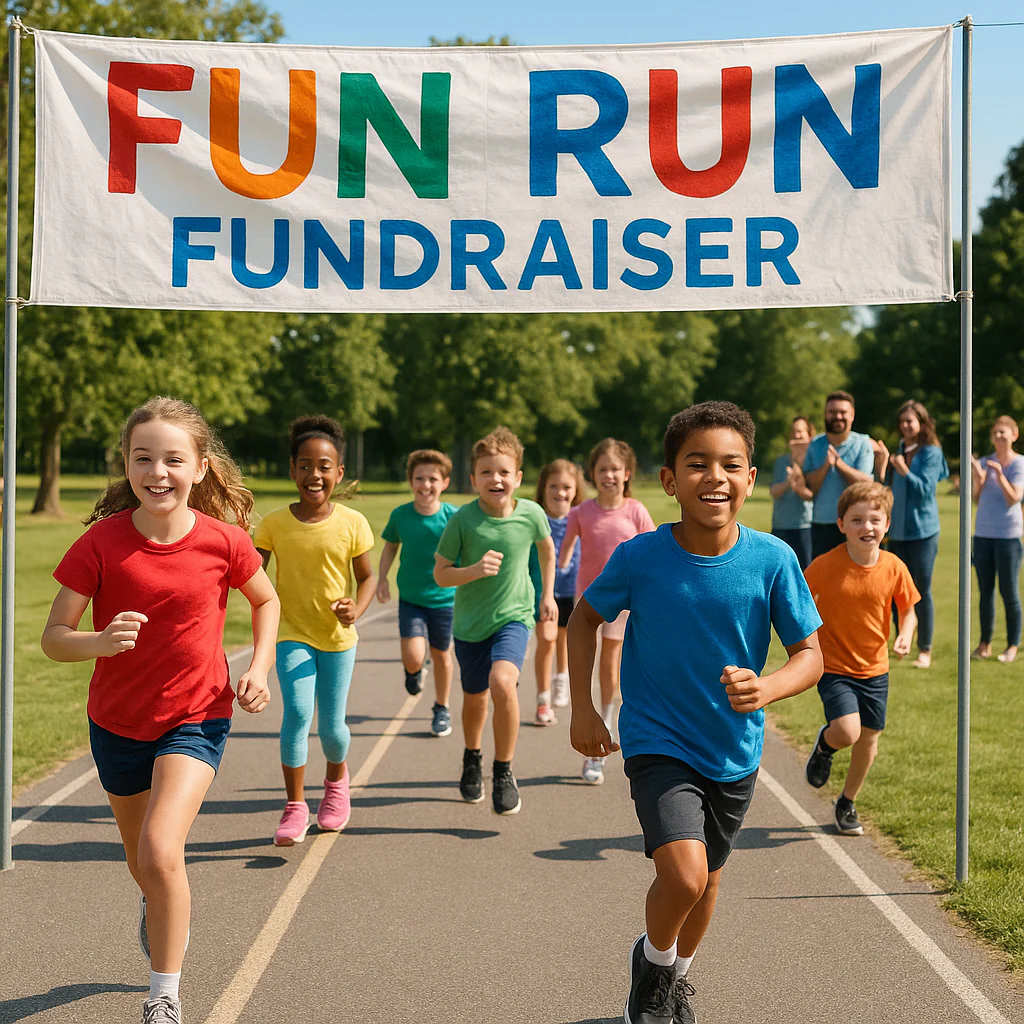
Remember the days of selling overpriced wrapping paper that sat in a freezer for three years? We do, and frankly, our waistlines are glad those days are gone. The modern fun run fundraiser elementary school event has evolved from a simple lap around the track into a high-energy, character-building festival that leaves kids begging to run more. But here is the twist: while the energy is high, the logistics can be a nightmare if you don’t have a plan. In this guide, we reveal the 15 most effective strategies to turn your school’s next run into a cash cow, including a surprising “Glow Run” hack that one Ohio school used to raise 40% more than their goal. We’ll also break down exactly how to handle the dreaded “pledge collection” without losing your mind.
Key Takeaways
- Maximize Engagement: Shift from passive catalog sales to active events, which typically see 80%+ student participation compared to just 20% for traditional fundraisers.
- Strategic Planning: Success hinges on a 9-day hype cycle featuring daily character lessons, themed laps, and digital pledge tracking to keep momentum high.
- Profit vs. Effort: While DIY offers higher margins, partnering with full-service providers like Boosterthon can save volunteer time and boost total revenue through professional execution.
- Safety First: Always implement clear track markings, hydration stations, and a “cool-down” zone to ensure every student runs safely regardless of the distance.
- Inclusive Rewards: Use experience-based prizes (like “Principal for a Day”) and character milestones to ensure every child feels like a winner, even if they raise less money.
Table of Contents
- ⚡️ Quick Tips and Facts
- 📜 The Evolution of the Elementary School Fun Run: From Mud Puddles to Milestones
- 🏆 15 Proven Fun Run Fundraiser Ideas That Actually Work for Elementary Schools
- 📝 How to Plan a Successful School Fun Run: A Step-by-Step Guide for PTOs and PTAs
- 🎨 Creating an Unforgettable Theme: From Superheroes to Space Explorers
- 👕 Elevate Your Event: Custom T-Shirts, Medals, and Swag That Kids Love
- 🏃 ♂️ Distance Matters: How Long Should a Fun Run Be for Different Age Groups?
- 🎁 The Prize Strategy: Incentives That Drive Pledges Without Breaking the Bank
- 📣 Marketing Your Fun Run: How to Get Parents, Local Businesses, and the Community Involved
- 📊 Tracking Pledges and Donations: Digital Tools vs. Old-School Paper Forms
- 🚦 Event Day Logistics: Managing Crowds, Safety, and the Finish Line Frenzy
- 🎉 Post-Run Celebration: How to Deliver Student Prizes and Thank Your Volunteers
- 🤝 Partnering with Character Programs: What to Expect from Boosterthon and Similar Events
- 🌟 Real Success Stories: Elementary Schools That Crushed Their Fundraising Goals
- ❓ Frequently Asked Questions About Elementary School Fun Runs
- 🔗 Recommended Links and Resources
- 📚 Reference Links
- 🏁 Conclusion
⚡️ Quick Tips and Facts
Before we dive into the nitty-gritty of planning the ultimate fun run fundraiser elementary school event, let’s look at the fast facts. At “Walkathon Benefits™”, we’ve helped schools turn “just another fundraiser” into the highlight of the academic year.
| Feature | Quick Fact |
|---|---|
| Average Profit | Schools can keep 60% to 100% of proceeds depending on the platform used. |
| Duration | Most programs run for 9 to 14 days, culminating in the big race. |
| Health Impact | Promotes cardiovascular health and physical fitness tips for growing kids. |
| Engagement | Typically sees 80%+ student participation compared to 20% for catalog sales. |
| LSI Keywords | Pledge drive, lap tracking, PTO/PTA, school spirit, active fundraising. |
Pro-Tip: Don’t just ask for money; sell an experience! According to PTOToday, “The success of a fun run hinges on meticulous planning and enthusiastic participation.” We couldn’t agree more. 🏃 ♀️💨
📜 The Evolution of the Elementary School Fun Run: From Mud Puddles to Milestones
Remember the days of selling overpriced wrapping paper or tubs of cookie dough that sat in the freezer until 2029? We do, and frankly, our waistlines (and our sanity) are glad those days are fading. The history of school fundraising has shifted from passive “buying stuff” to active “doing stuff.”
In the early 2000s, companies like Boosterthon revolutionized the game by introducing the “Fun Run” model. It wasn’t just about the money; it was about community engagement and teaching kids about character. Today, these events are high-tech spectacles involving digital pledge systems, professional DJs, and even glowing indoor tracks.
Why the shift? Because parents are busier than ever. They’d rather donate to see their kid get active than manage a spreadsheet of candle orders. Plus, the health benefits of walking and running are backed by the CDC, making this a “win-win” for schools and families alike.
🏆 15 Proven Fun Run Fundraiser Ideas That Actually Work for Elementary Schools
If you’re looking for 67 Brilliant Fundraising Ideas for School Success in 2026 🎉, you know that variety is the spice of life. Here are 15 specific twists to make your fun run stand out:
- The Color Blast: Use non-toxic cornstarch powders to douse runners at every lap.
- Glow-in-the-Dark Run: Host the event in the gym with blacklights and neon sticks.
- Obstacle Course Challenge: Add inflatable tunnels and hurdles.
- Superhero Sprint: Encourage kids to wear capes and masks.
- Teacher “Silly String” Target: Kids who hit a pledge milestone get to Silly String the principal!
- Themed Laps: One lap is a “zombie walk,” the next is a “dinosaur stomp.”
- Corporate Match Laps: Local businesses pledge $1 for every lap completed by a specific grade.
- Pajama Run: Perfect for those early morning starts.
- Bubble Run: Use industrial bubble machines at the finish line.
- Water Balloon Gauntlet: Volunteers (gently) toss water balloons at the final stretch.
- Virtual “Run Around the World”: Track total school miles to see if you can “reach” a sister school in another country.
- Mascot Dash: Have local business mascots race the school mascot.
- Music Decades Run: Each station plays music from a different decade (80s, 90s, 00s).
- Family Fun Loop: Invite parents to run the final lap with their kids.
- The “Big Splash”: The top-earning class gets to dunk their teacher in a dunk tank.
📝 How to Plan a Successful School Fun Run: A Step-by-Step Guide for PTOs and PTAs
Planning a fun run is like conducting an orchestra—if the orchestra was made of 500 caffeinated seven-year-olds. Here is our expert fundraising strategies roadmap:
Step 1: Set Your Goals and Budget
Decide what you’re raising money for. Is it a new playground? New iPads? Be specific! Transparency builds trust.
Step 2: Choose Your Platform
Will you go DIY or use a full-service provider?
- DIY: Higher profit, but more work. Use tools like MemberHub or PayPal.
- Full-Service: Companies like MyFunRun or Boosterthon handle the tech and prizes for a percentage of the take.
Step 3: Recruit Your “Dream Team”
You need a:
- Logistics Lead: Handles the track and safety.
- Sponsorship Coordinator: Talks to local businesses.
- Hype Master: Keeps the kids excited during morning announcements.
Step 4: The 9-Day Hype Cycle
Most successful runs follow a 9-day countdown.
- Day 1: Kick-off assembly.
- Days 2-8: Daily prize challenges and character lessons.
- Day 9: The Big Event!
🎨 Creating an Unforgettable Theme: From Superheroes to Space Explorers
A theme is the “secret sauce” of kids walkathons. It transforms a boring jog into an epic quest.
Why Themes Matter:
- They provide easy marketing visuals.
- They give kids a reason to dress up (and kids love dressing up).
- They make the featured video of your event look spectacular on social media.
Theme Ideas We Love:
- “Out of This World”: Space-themed decorations and “moon-walking” laps.
- “Jungle Trek”: Animal print gear and “vine” obstacles.
- “Olympic Dreams”: Each class represents a different country.
👕 Elevate Your Event: Custom T-Shirts, Medals, and Swag That Kids Love
Let’s talk about the “drip.” If you want your fun run to feel like a professional marathon, you need gear.
The “Must-Haves” for Student Swag:
- Custom T-Shirts: Use a service like Custom Ink or Boosterthon’s “Shop Custom Gear.” Pro-tip: Color-code shirts by grade level so you can spot the 1st graders before they accidentally wander into the 5th-grade heat!
- Participation Medals: Never underestimate the power of a “gold” plastic medal.
- Spirit Sticks: A classic Boosterthon staple that kids go absolutely bananas for.
👉 Shop Gear on:
- Custom T-Shirts: Custom Ink Official | Etsy
- Bulk Medals: Amazon | Walmart
🏃 ♂️ Distance Matters: How Long Should a Fun Run Be for Different Age Groups?
“How long is a fun run?” is the #1 question we get from worried parents. You don’t want to over-exhaust the Kinders, but you want the 5th graders to feel challenged.
| Grade Level | Recommended Time | Estimated Laps (1/10 mile) | Total Distance |
|---|---|---|---|
| K – 1st | 20-30 Minutes | 10 – 15 | ~1.0 – 1.5 Miles |
| 2nd – 3rd | 30-40 Minutes | 15 – 25 | ~1.5 – 2.5 Miles |
| 4th – 5th | 45-60 Minutes | 25 – 35 | ~2.5 – 3.5 Miles |
Safety Note: Always have a “Cool Down” station with plenty of water. We recommend Gatorade for electrolyte replacement if it’s a particularly hot day.
🎁 The Prize Strategy: Incentives That Drive Pledges Without Breaking the Bank
How do you get a 9-year-old to call their Grandma for a donation? Prizes. But be careful—you don’t want to spend all your profit on plastic trinkets.
The Boosterthon Model: They use a “cumulative” prize system.
- Level 1 ($1/lap): A sticker or lanyard.
- Level 2 ($2/lap): A small toy (like a pop-it fidget).
- Top Tier: Experience-based prizes like “Principal for a Day” or “Pizza Party.”
✅ Do: Use experience prizes (extra recess, no homework pass).
❌ Don’t: Offer prizes that are too bulky for teachers to manage in the classroom.
📣 Marketing Your Fun Run: How to Get Parents, Local Businesses, and the Community Involved
If a fun run happens in a school and no one posts it on Facebook, did it even happen?
1. The “Social Media Takeover”: Create a Facebook Event and post daily countdowns. Use Canva to create “Leaderboard” graphics.
2. Local Business Sponsorships: Ask the local pizza shop to sponsor the “Finish Line.” In exchange, put their logo on the back of the event t-shirts.
3. The “Grandparent Outreach”: Use digital platforms like MyFunRun that allow kids to send “pledge requests” via email with a single click.
📊 Tracking Pledges and Donations: Digital Tools vs. Old-School Paper Forms
We’ve seen the horror of “The Envelopes.” You know the ones—crumpled, covered in juice stains, and missing half the cash.
| Feature | Digital Tracking (e.g., MyFunRun) | Old-School Paper Forms |
|---|---|---|
| Ease of Use | ✅ High (Automated) | ❌ Low (Manual Entry) |
| Reach | ✅ Global (Email/Social) | ❌ Local (Door-to-Door) |
| Accuracy | ✅ Real-time reporting | ❌ Prone to human error |
| Fees | 3% – 10% Platform fees | 0% (but higher “lost” cash) |
Our Recommendation: Go digital. The increase in total donations usually far outweighs the platform fees. MyFunRun even claims schools can “Keep Up To 100% Of The Proceeds” through their unique tipping model.
🚦 Event Day Logistics: Managing Crowds, Safety, and the Finish Line Frenzy
What happens on event day? Chaos, but the organized kind.
- The Track Set-up: Use bright orange cones to mark a clear 1/10th mile loop.
- The DJ/Hype Station: Music is non-negotiable. It keeps the energy high.
- Lap Tracking: Use “Lap Trackers” (volunteers with markers who swipe a line on the back of the student’s shirt for every lap) or digital QR scanners.
- The “Water Station”: Position this halfway through the loop to prevent bottlenecks at the finish line.
👉 CHECK PRICE on:
🎉 Post-Run Celebration: How to Deliver Student Prizes and Thank Your Volunteers
The race is over, the kids are sweaty, and the money is in the bank. Now what?
How are the student prizes delivered to us after the event?
If you use a service like Boosterthon, they typically ship the larger “milestone” prizes in bulk to the school about 2-3 weeks after the event. Smaller, daily prizes are often handed out by the “Booster Team” or PTO volunteers during the 9-day hype period.
The “Thank You” Tour:
- Send a video highlight reel to all donors.
- Host a “Volunteer Appreciation” coffee morning.
- Publicly announce the total raised. This is the moment everyone has been waiting for!
🤝 Partnering with Character Programs: What to Expect from Boosterthon and Similar Events
Many schools choose a “full-service” partner to reduce the burden on parent volunteers.
How does a Boosterthon event work?
They provide a “team” of high-energy facilitators who basically live at your school for two weeks. They handle the kick-off, the daily character lessons, and the entire race day logistics.
What is included in the character program for a Boosterthon event?
- 100+ Character Videos: These are used as “brain breaks” in the classroom.
- Daily Themes: Lessons on honesty, gratitude, and teamwork.
- Interactive Apps: Students can see their “character journey” as they earn pledges.
Boosterthon Platform Rating:
| Feature | Rating (1-10) | Professional Insight |
|---|---|---|
| Student Engagement | 10/10 | The “rockstar” vibe is unmatched. |
| Ease for PTO | 9/10 | They do 90% of the work. |
| Profitability | 6/10 | Their service fee is higher than DIY. |
| Educational Value | 8/10 | The character videos are genuinely high-quality. |
🌟 Real Success Stories: Elementary Schools That Crushed Their Fundraising Goals
We’ve seen some incredible feats. Take Bethke Elementary School, for example. They didn’t just raise “some money”; they funded an entire new playground in a single event.
Another school in Ohio used a “Glow Run” theme and saw a 40% increase in out-of-state donations simply because the photos they posted on Instagram looked so cool that distant relatives couldn’t help but click “donate.”
But wait—what happens if it rains? Or what if the “top runner” is a kid who can’t afford to donate? We’ll resolve those burning questions in the FAQ next.
❓ Frequently Asked Questions About Elementary School Fun Runs
Q: How long is a fun run?
A: For elementary students, the actual running portion usually lasts 30 to 60 minutes. The entire event, including warm-ups and awards, takes about 90 minutes per grade block.
Q: What if a student can’t get any pledges?
A: At Walkathon Benefits™, we believe every child should feel like a hero. Most programs allow students to earn “character prizes” just for watching videos or participating in the run, regardless of the money raised.
Q: How do we handle the “Finish Line Frenzy”?
A: Use “funnel” lanes. Have volunteers guide students into specific grade-level chutes to prevent a massive pile-up of sweaty, excited children.
Q: Can we do this indoors?
A: Absolutely! As seen in the featured video, many schools use the gymnasium with a “Glow” theme if the weather doesn’t cooperate. Just make sure you have a high-quality floor tape to mark the track.
🏁 Conclusion
So, we’ve covered the mud, the sweat, the tears of joy, and the digital spreadsheets. But remember that question we posed earlier: What happens if it rains, or if a student can’t get pledges? Here is the resolution: Flexibility is your best friend. If it rains, you move the “Glow Run” indoors to the gym. If a student struggles to get pledges, the character-based reward system ensures they still get a medal for their effort and participation. That’s the magic of a well-planned fun run fundraiser elementary school event—it leaves no child behind.
Our Final Verdict on Full-Service vs. DIY:
If you are a PTO/PTA with a massive volunteer base and zero budget for fees, the DIY route (using tools like MyFunRun’s free tier or simple spreadsheets) is your path. However, if you want a “Best. Day. Ever!” experience with zero logistical headaches for your parents, Boosterthon is the gold standard.
Pros of Full-Service (Boosterthon):
✅ Turnkey Solution: They handle the music, the hype, the prizes, and the character videos.
✅ High Engagement: The “9-day” structure keeps kids excited, not just on race day.
✅ Professional Execution: The energy is unmatched, turning a simple run into a festival.
Cons of Full-Service:
❌ Cost: You pay a percentage of the funds raised (or a flat fee) for their services.
❌ Less Control: You are working within their specific timeline and theme structure.
Confident Recommendation:
For most elementary schools, especially those with busy working parents, we recommend partnering with a full-service provider like Boosterthon or MyFunRun. The increase in participation and the sheer joy it brings to the students often results in higher total funds raised, even after fees. The time saved for your PTO volunteers is worth every penny, allowing you to focus on the spirit of the event rather than the logistics.
Ready to turn your school field into a high-energy track? Let’s get those kids moving! 🏃 ♂️💨
🔗 Recommended Links and Resources
Ready to gear up? Here are the essential tools and brands we trust for a successful event.
👕 Event Gear & Apparel
- Custom T-Shirts:
- Custom Ink Official | Etsy
- Bulk Participation Medals:
- Amazon | Walmart
- Spirit Sticks & Lanyards:
- Amazon | Boosterthon Shop
🎵 Audio & Entertainment
- Portable PA Systems (for the DJ/Hype Man):
- Amazon | Best Buy
- Inflatable Obstacles & Tunnels:
- Amazon | Walmart
📚 Books for PTO Leaders
- “The PTO Survival Guide” by the National PTA: Amazon
- “Fundraising for Dummies” by John R. Barlow: Amazon
❓ Frequently Asked Questions
How can I make my elementary school fun run fundraiser a recurring annual event that brings in consistent funding?
H4: Building a Legacy of Consistency
To make your fun run a staple, you must standardize the process while keeping the theme fresh.
- Lock in the Date: Pick a date in the spring (usually May) and stick to it for years. This builds anticipation.
- Create a “Fun Run Committee”: Don’t rely on one person. Rotate leadership roles so the knowledge isn’t lost when a parent moves away.
- Document Everything: Create a “Fun Run Binder” (digital or physical) with checklists, vendor contacts, and lesson plans.
- Celebrate the History: Every year, show a “Then vs. Now” video of the school’s progress funded by the runs. This proves to parents that their money is making a tangible difference.
What are some creative ways to promote a fun run fundraiser to parents and the community?
H4: Beyond the Flyer
- The “Pledge Challenge” Countdown: Post daily updates on social media showing the “Miles to Go” or “Dollars Needed.”
- Local Business “Sponsorship Laps”: Ask a local bakery to sponsor the “1st Grade Lap.” Their logo goes on the track banner, and they get a shoutout.
- Student Ambassadors: Have 5th graders visit 1st-grade classrooms to explain the run. Kids listen to kids!
- Email Blasts: Use the digital platform’s built-in email tools to send personalized “Pledge Requests” directly to grandparents and distant relatives.
What are the benefits of hosting a fun run event for elementary school students?
H4: More Than Just Money
- Physical Health: It promotes physical fitness tips and combats childhood obesity.
- Character Development: Programs like Boosterthon teach values like perseverance, teamwork, and gratitude.
- Community Building: It brings parents, teachers, and students together for a shared, positive goal.
- Fundraising Efficiency: It raises significantly more money per participant than traditional catalog sales.
How do I organize a successful fun run fundraiser for my elementary school?
H4: The Master Plan
- Form a Team: Assign roles (Logistics, Marketing, Finance).
- Select a Platform: Decide between DIY or a service like MyFunRun or Boosterthon.
- Set a Goal: Define a clear financial target and a fun theme.
- Plan the Timeline: Work backward from the event date (usually 6-8 weeks out).
- Execute the Hype: Run the 9-day pre-event campaign.
- Run the Event: Focus on safety, music, and fun.
- Follow Up: Thank donors, distribute prizes, and share the results.
What are good things to sell at school fundraiser?
H4: Beyond the Run
While the run is the main event, you can sell:
- Custom T-Shirts: Pre-order them for the event.
- Water Bottles: Branded with the school logo.
- Snack Packs: Sold at the finish line (healthy options like fruit or granola bars).
- Raffle Tickets: For a “Principal for a Day” or a local gift card.
How do you set up a fun run event?
H4: Logistics 101
- Track Marking: Use cones and tape to create a clear 1/10th mile loop.
- Station Setup: Create stations for Registration, Water, Lap Tracking, and the Finish Line.
- Volunteer Briefing: Hold a 15-minute meeting before the event to explain roles.
- Safety Check: Ensure the track is free of debris and have a first aid kit ready.
How do fun run fundraisers work?
H4: The Mechanics
- Pledges: Students get pledges from family/friends (e.g., “$1 per lap” or a flat donation).
- Collection: Donations are collected online via a platform or offline via cash/check.
- The Run: Students run/walk the track, earning laps.
- Prizes: Based on the number of laps or total money raised, students earn prizes.
- Distribution: The school keeps the net proceeds after any platform fees.
How do you raise money for a fun run?
H4: Maximizing Revenue
- Flat Donations: Encourage a flat $10 or $20 donation regardless of laps.
- Sponsorships: Get local businesses to sponsor the event or specific grades.
- Matching Gifts: Ask parents if their employers will match their donation.
- Merchandise Sales: Sell t-shirts, water bottles, and spirit sticks.
How to organize a fun run fundraiser for an elementary school?
H4: Step-by-Step Recap
(See “How do I organize a successful fun run fundraiser?” above for the detailed breakdown). The key is early planning and clear communication.
What are the best themes for an elementary school fun run?
H4: Top Picks
- Superhero Sprint: Kids wear capes; teachers are “villains.”
- Space Odyssey: Glow-in-the-dark elements and “moon walking.”
- Jungle Jam: Animal sounds and “vine” obstacles.
- Olympic Games: Countries, flags, and a medal ceremony.
- Pajama Party: Comfortable and cozy for early morning runs.
How much money can a school fun run typically raise?
H4: Realistic Expectations
A well-executed fun run can raise anywhere from $5,000 to $50,000+ depending on the school size and participation rate.
- Small Schools (300 students): Average $5,000 – $10,000.
- Large Schools (800+ students): Can easily exceed $30,000 – $50,000.
- Key Factor: The average pledge per student is usually between $15-$30.
What safety measures needed for a school fun run?
H4: Safety First
- Track Inspection: Check for holes, rocks, or wet spots before the event.
- Hydration: Have water stations at the start, middle, and finish.
- Medical Support: Have a certified nurse or EMT on-site.
- Volunteer Ratio: Ensure at least one adult for every 10-15 students on the track.
- Weather Plan: Have a clear “Rain Date” or indoor backup plan.
📚 Reference Links
- PTO Today: School Fun Run Fundraiser Guide for PTOs and PTAs – A comprehensive guide on planning and execution.
- Boosterthon: The Original Fun Run – Details on their character-based fundraising model.
- MyFunRun: Fundraising Platform – Information on their low-fee, high-support platform.
- Centers for Disease Control and Prevention (CDC): Physical Activity for Kids – Facts on the health benefits of running.
- National PTA: Fundraising Resources – Guidelines for school fundraising.
- Custom Ink: School Fundraising – Custom apparel for events.