
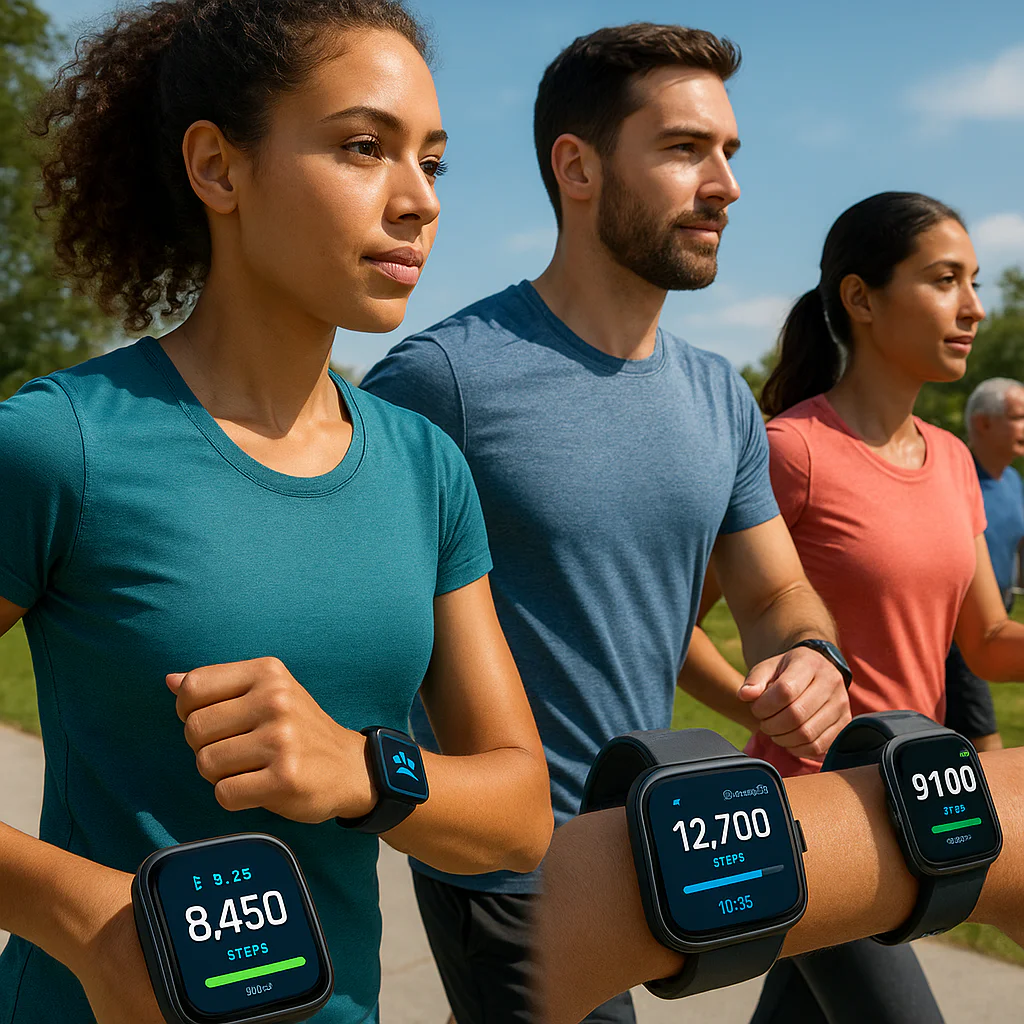
Remember the good old days of clipboards, sogy paper maps, and the frantic scramble to count cash donations in a shoebox? We do too, and while there’s a certain charm to that nostalgia, let’s be honest: it was a logistical nightmare that left little room for the magic of connection. Fast forward today, and the landscape of walkathon event technology is shifting faster than a sprinter at the starting gun! From AI-powered personalization that knows your walking pace before you do, to blockchain ledgers that make every donation transparent as glass, the future of charity walks is here, and it’s absolutely electrifying.
In this deep dive, we’re not just listing trends; we’re exploring how 15 cutting-edge innovations are set to redefine the very soul of your next 5K or marathon. We’ll uncover how virtual reality can transport a participant from their living room to the Grand Canyon, how smart wearables are becoming the ultimate safety net for thousands of walkers, and why the “hybrid” model is no longer a pandemic pivot but the gold standard for global engagement. But here’s the twist we’ll reveal later: despite all this high-tech dazzle, the most powerful tool in your arsenal remains the human connection. How do we balance the algorithm with the heart? Stick around to find out how to harness these trends without losing the soul of your event.
Key Takeaways
- AI & Personalization: Artificial Intelligence is revolutionizing participant journeys by offering hyper-personalized training plans, fundraising tips, and real-time support, transforming generic events into tailored experiences.
- Transparency via Blockchain: Blockchain technology is emerging as a game-changer for fundraising integrity, allowing donors to track contributions in real-time and issuing verifiable NFT badges for achievements.
- Imersive Experiences: AR and VR are breaking geographical barriers, enabling hybrid events where virtual participants can walk alongside in-person crowds in fully simulated or augmented environments.
- Safety & Efficiency: Smart wearables, IoT sensors, and predictive analytics are enhancing participant safety through real-time health monitoring and crowd management, while contactless systems streamline registration and payments.
- Sustainability First: Future tech prioritizes green events through paperless operations, reusable digital badges, and energy-efficient infrastructure, aligning event goals with environmental responsibility.
Table of Contents
- ⚡️ Quick Tips and Facts
- 🕰️ From Paper Buckets to Digital Dashboards: A Brief History of Walkathon Tech
- 🚀 Top 15 Future Trends in Walkathon Event Technology You Can’t Ignore
- 1. AI-Powered Personalized Participant Journeys
- 2. Blockchain for Transparent Fundraising and NFT Badges
- 3. Immersive AR and VR Race Experiences
- 4. Real-Time Biometric Tracking and Health Analytics
- 5. Smart Wearables and IoT Integration for Safety
- 6. Contactless Registration and Cashless Payment Ecosystems
- 7. Gamification Engines to Boost Engagement and Retention
- 8. Predictive Analytics for Crowd Management and Logistics
- 9. Hybrid and Virtual Walkathon Platforms
- 10. Sustainable Tech Solutions for Green Events
- 1. Voice-Activated Assistants for On-Site Support
- 12. Dynamic Pricing Models Driven by Machine Learning
- 13. Social Media Integration and Live Streaming Enhancements
- 14. Advanced Data Security and Privacy Compliance Tools
- 15. 5G Connectivity for Ultra-Low Latency Event Operations
- 🛠️ How to Choose the Right Event Tech Stack for Your Next 5K
- 🧠 The Human Element: Balancing High-Tech with Heartfelt Connection
- 📊 Case Studies: Organizations Crushing It with Next-Gen Walkathon Tools
- 🚧 Common Pitfalls to Avoid When Adopting New Event Technology
- 💡 Quick Tips and Facts for Event Planners
- 🔮 Conclusion: The Future is Walking Toward Us
- 🔗 Recommended Links
- ❓ FAQ: Your Burning Questions About Walkathon Tech Answered
- 📚 Reference Links
⚡️ Quick Tips and Facts
Hey there, fellow walkathon enthusiasts and event planners! At Walkathon Benefits™, we’re always
on the move, literally and figuratively, to bring you the freshest insights into making your events unforgettable. We’ve seen walkathons evolve from simple community strolls with clipboards and cash boxes to high-tech spectacles that engage participants globally. The future?
It’s even more exciting! 🚀
Here are some quick, punchy facts to get your gears turning:
- Digital Dominance: Over 70% of event planners now prioritize digital tools for registration, communication
, and participant engagement. Paper is out, pixels are in! - Sustainability Sells: Green technology isn’t just a buzzword; it’s a necessity. Events are increasingly adopting eco
-friendly tech like digital signage and reusable wearables to reduce their carbon footprint. - AI is Your New Assistant: From personalizing participant journeys to managing crowds, Artificial Intelligence (AI)
is stepping up to make event planning smarter and more efficient. - Wearables Win: Smart badges and RFID technology are revolutionizing everything from contactless check-in to real-time crowd analytics
and even gamified experiences. - Hybrid is Here to Stay: Blending in-person and virtual elements isn’t just a pandemic pivot; it’s a powerful way to expand reach and engagement, turning
local events into global conversations. - Data is Gold: Real-time data analytics and predictive modeling are empowering organizers to make on-the-fly adjustments and prove event ROI like never before.
Ready to dive deeper into how these trends can transform your next walkathon? Let’s lace up and go!
🕰️ From Paper Buckets to Digital Dashboards: A Brief History of Walkathon Tech

Remember the good old days? Or perhaps, the slightly less efficient
old days? We certainly do! Our team at Walkathon Benefits™ has been involved in countless walkathons, from the grassroots community efforts to large-scale charity races. We’ve seen it all, from the frantic scramble of manual registration lines
stretching around the block, clipboards in hand, to volunteers juggling overflowing cash buckets as participants handed over their hard-earned donations. Ah, nostalgia! But let’s be honest, while charming, it wasn’t exactly scalable or sustainable
.
For years, walkathon technology was, well, pretty basic. Think paper registration forms, printed maps that inevitably got soggy in the rain, and a whole lot of manual tallying to figure out who raised what. Fundraising often meant
participants knocking on doors with pledge sheets, collecting cash and checks that then needed to be painstakingly counted and deposited. It was a labor of love, for sure, but also a logistical headache of epic proportions.
Then came the internet! 🌐
Suddenly, online registration platforms like Eventbrite and RunSignup started popping up, making it easier for participants to sign up from the comfort of their homes. Email became the primary mode of communication, replacing stacks of mailed flyers. Online fundraising
pages, often integrated with these registration systems, allowed participants to share their efforts with a wider network, dramatically boosting fundraising potential. (Speaking of boosting fundraising, have you checked out our comprehensive guide on walkathon fundraiser ideas?)
The advent of smartphones brought event apps, putting schedules, maps, and even live leaderboards directly into participants’ pockets. GPS tracking became a game-changer for virtual
walkathons and for keeping tabs on participants during long routes. We started seeing the first glimpses of how technology could not just streamline operations, but truly enhance the participant experience.
But what’s coming next? If you thought the last decade
was transformative, buckle up! The future of walkathon event technology is a thrilling blend of AI, immersive experiences, and hyper-personalization that promises to make our beloved walking events more engaging, efficient, and impactful than ever before. Are
you ready to peek into the crystal ball?
🚀 Top 15 Future Trends in Walk
athon Event Technology You Can’t Ignore
The landscape of event technology is shifting faster than a sprinter at the starting gun! At Walkathon Benefits™, we’re constantly researching and experimenting to ensure your walkathons are not just keeping pace, but leading
the pack. We’ve distilled the most impactful innovations into these 15 trends that are set to redefine the walkathon experience.
- AI-Powered Personalized Participant Journeys
Imagine a walkathon experience tailored just for you. That’s the promise of AI! Artificial Intelligence is rapidly evolving to create hyper-personalized journeys for every participant, from registration to post-
event engagement.
Features & Benefits:
- ✅ Smart Recommendations: AI algorithms can analyze a participant’s past event history, fundraising goals, and even social media activity to suggest personalized training plans, fundraising tips, and relevant
event content. For instance, if you’ve previously participated in a kids’ walkathon, the AI might suggest family-friendly routes or Kids Walkathons
related content. - ✅ Dynamic Communication: Forget generic emails! AI-powered platforms can automate email campaigns and push notifications, delivering messages precisely when they’re most relevant to an individual participant. Think a reminder about their fundraising deadline
, or a motivational message just before their big walk. - ✅ Virtual Assistants: AI chatbots can provide instant answers to FAQs, guide participants through registration, or even offer real-time support during the event. This
frees up your human volunteers for more complex tasks. - ✅ Personalized Routes & Challenges: For virtual or hybrid events, AI could help curate custom walking routes based on a participant’s location and fitness level, complete with augmented
reality overlays (more on that later!). - ❌ Drawbacks: Initial setup can be complex, requiring significant data input and algorithm training. There’s also the potential for “creepy” over-personalization if not handled with
care, so privacy is key. - Our Take: We’ve seen firsthand how a little personalization goes a long way. AI takes this to the next level, making every participant feel seen and valued. It’s a game
-changer for Community Engagement.
Example Brands: Platforms like Salesforce Marketing Cloud or HubSpot are integrating AI for highly targeted communication and participant
relationship management.
2. Blockchain for Transparent Fundraising and NFT Badges
“Where does my money actually go?” It
‘s a question we’ve all heard, especially in charity events. Blockchain technology offers an unprecedented level of transparency and security, making it a powerful tool for walkathon fundraising.
Features & Benefits:
- ✅ Fraud
-Proof Ticketing: Blockchain creates a decentralized, immutable ledger for tickets, ensuring they cannot be duplicated or forged. This means no more worries about scalpers or fake registrations. - ✅ Transparent Fundraising: Every
donation can be recorded on a public blockchain, allowing participants and donors to see exactly where their money is going, from the moment it’s pledged to its final use. This builds immense trust and can significantly boost Fundraising Strategies. - ✅ NFT Badges and Rewards: Imagine earning a unique, digital Non-Fungible Token (NFT) badge for completing your walkathon, hitting a fundraising
milestone, or even for being a long-time participant! These digital collectibles can serve as verifiable proof of achievement and foster a sense of exclusive community. - ✅ Smart Contracts for Payouts: Blockchain-based smart contracts can
automate the distribution of funds to charities once specific fundraising goals are met, reducing administrative overhead and potential delays. - ❌ Drawbacks: The technology is still relatively new to the mainstream event space, and understanding blockchain can be a hurdle
for some participants. Initial implementation costs can also be high. - Our Take: While it sounds futuristic, the core benefit of blockchain – undeniable transparency – is incredibly valuable for charity walkathons. It’s about building trust,
one block at a time!
3. Immersive AR and VR Race Experiences
Get ready to step into another dimension! Augmented Reality
(AR) and Virtual Reality (VR) are no longer just for gaming; they’re transforming how participants experience walkathons, whether they’re on a physical route or walking from their living room. We even saw a great overview of these technologies in
the featured video on event tech trends, highlighting how AR adds digital elements to a live view, while VR provides a complete immersion into a simulated environment.
Features & Benefits:
- ✅ Aug
mented Reality Overlays: Imagine walking a familiar park route, but through your smartphone or AR glasses, you see virtual milestones, encouraging messages from sponsors, or even animated characters cheering you on! AR can overlay digital graphics onto the real world,
turning a simple walk into an interactive adventure. - ✅ Virtual Race Worlds: For virtual participants, VR can create fully immersive race environments. Walk through a virtual Grand Canyon, trek across
the moon, or join a simulated race with avatars of other participants, all from your treadmill. - ✅ Interactive Storytelling: AR/VR can be used to tell the story of your cause in a powerful, immersive way. Participants
could “walk through” a virtual representation of the impact their fundraising is having. - ✅ Gamified Learning: As one summary noted, “VR and AR can turn educational content into a fun, competitive game… making learning active rather
than passive.” This is perfect for engaging younger participants or educating adults about the cause. - ❌ Drawbacks: High cost of equipment (especially for VR), potential for motion sickness, and the need for robust
internet connectivity are current challenges. Accessibility can also be an issue if specialized hardware is required. - Our Take: AR and VR are about making the walkathon experience more memorable and engaging. We’re particularly excited about AR’s potential to
enhance physical routes without requiring expensive, specialized gear for every participant.
4. Real-Time Biometric Tracking and Health Analytics
Your walkathon isn’t just about steps; it’s about health and well-being! Future tech will integrate advanced biometric tracking to provide participants with real-time health insights and event organizers with crucial safety data.
Features & Benefits
:
- ✅ Advanced Wearable Integration: Beyond basic step counts, wearables like the Apple Watch, Fitbit, or Garmin devices will seamlessly integrate with event apps to track heart rate, oxygen levels, sleep patterns
(pre-race!), and even hydration status. This data can be anonymized and aggregated to give organizers a holistic view of participant well-being. - ✅ Personalized Health Feedback: Post-event, participants could receive a
personalized health report, showing their performance metrics and offering insights into their Health Benefits of Walking during the event. - ✅ **
Emergency Alerts:** Imagine a participant’s wearable detecting an abnormal heart rate or a fall, automatically alerting event medical staff with their precise location. This is a huge leap forward for participant safety. - ✅ Optimized Training Plans: Data
from previous events and training can feed into AI systems to create even more effective, personalized training regimens. - ❌ Drawbacks: Privacy concerns are paramount here. Strict protocols for data anonymization and consent are absolutely essential. The cost
of advanced wearables can also be a barrier for some. - Our Take: While privacy is a serious consideration, the potential for enhanced safety and personalized health insights is too significant to ignore. It transforms a walkathon from just an
event into a holistic wellness experience.
5. Smart Wearables and IoT Integration for Safety
Building on biometric tracking, the
Internet of Things (IoT) is bringing a new level of intelligence and safety to walkathons. Smart wearables, often equipped with RFID or NFC, are becoming indispensable.
Features & Benefits:
- ✅ Contactless Check-In
& Tracking: Smart wristbands or badges, like those mentioned by the Boomset summary, enable participants to “tap or wave” for quick, contactless check-in. This drastically reduces queues and improves efficiency. Rebecca
Quinn, in the Cvent discussion, also highlighted RFID tracking as gaining momentum for participant tracking. - ✅ Real-Time Location Tracking: For large events or long routes, IoT sensors and smart wearables can provide
real-time location data for every participant, crucial for safety and emergency response. - ✅ Crowd Management: RFID badges and IoT sensors can generate heatmaps, visualizing where crowds gather most. This helps organizers proactively prevent bottlenecks and
manage participant flow, as highlighted by the Boomset summary. The Event Planner Expo summary also notes that IoT sensors can monitor space usage to optimize layouts and prevent overcrowding.
✅ Cashless Payments: These wearables can double as digital wallets, allowing participants to make cashless purchases for merchandise or refreshments along the route.
- ✅ Reusable Tech: The HubSpot conference
is a great example, replacing disposable wristbands with reusable “wristband” technology, reducing waste and aligning with sustainability goals. - ❌ Drawbacks: The initial investment in smart wearable infrastructure can be substantial
. Ensuring reliable connectivity across the entire event footprint is also critical. - Our Take: We’re huge fans of smart wearables for their dual benefits of convenience and safety. They streamline operations while providing peace of mind for both participants and organizers.
Example Brands: Companies like Boomset and RFID Journal offer solutions for smart badges and RFID tracking. For reusable wearables, consider custom-branded silicone wristbands with integrated NFC chips.
6. Contactless Registration and Cashless Payment Ecosystems
The days of fumbling for cash or waiting in long registration lines are rapidly becoming a distant
memory. Contactless technology is here to stay, making event entry and transactions smoother than ever.
Features & Benefits:
- ✅ QR Code & Digital Ticketing: Participants can receive QR codes or digital tickets on their smartphones, allowing
for swift, touch-free entry. This is a core feature of mobile-first engagement. - ✅ Beacon Technology: As mentioned in the Cvent discussion, “beacon check-in” allows attendees
to be automatically checked in as they walk into a designated area, without any manual interaction. Imagine participants simply strolling through a start gate and being registered! - ✅ Mobile Payment Integration: Event apps will
integrate seamlessly with mobile payment systems like Apple Pay, Google Pay, or even event-specific digital wallets. This enables cashless purchases for merchandise, food, or upgrades, enhancing convenience. - ✅ Reduced
Queues: The efficiency of contactless systems dramatically reduces wait times at check-in, merchandise booths, and food vendors, improving the overall participant experience. - ✅ Enhanced Hygiene: In a health-conscious world, reducing physical contact points
is a significant benefit. - ❌ Drawbacks: Requires participants to be comfortable with smartphone technology. Reliable Wi-Fi or cellular service at all transaction points is essential.
- Our Take: Contactless operations are a win
-win. They’re faster, more hygienic, and provide a modern, professional feel to your walkathon. It’s a crucial aspect of efficient Event Registration Tips.
Example Brands: Eventbrite, RunSignup, and Boomset all offer robust contactless registration and payment functionalities. For point-of-sale systems, consider Square or Toast.
7. Gamification Engines to Boost Engagement and Retention
Who doesn’t love a good challenge? Gamification is about injecting
fun, competitive elements into your walkathon to boost participant engagement, motivation, and retention.
Features & Benefits:
- ✅ Interactive Challenges: Event apps can host digital scavenger hunts, trivia questions related to the cause, or photo
challenges along the route. - ✅ Leaderboards & Point Systems: Real-time leaderboards can display top fundraisers, fastest walkers, or teams with the most steps, fueling friendly competition. Points can be awarded for visiting checkpoints, completing activities
, or sharing on social media. - ✅ Digital Badges & Rewards: Beyond NFT badges, participants can earn digital badges for achieving milestones, unlocking new levels, or engaging with sponsors. These can be
displayed on their profile within the event app. - ✅ Team Competitions: Gamification is fantastic for fostering Community Engagement by encouraging teams to compete
against each other for bragging rights and prizes. - ✅ Sponsor Integration: Sponsors can offer exclusive challenges or rewards, increasing their visibility and engagement with participants.
- ❌ Drawbacks: Over-gamification can sometimes
distract from the core mission of the walkathon. It requires careful planning to ensure the competitive elements align with the event’s charitable goals. - Our Take: We’ve seen how a well-placed gamified element can
transform a routine walk into an exciting adventure. It keeps participants coming back year after year!
8. Predictive Analytics for
Crowd Management and Logistics
Forecasting the future? Almost! Predictive analytics uses historical data and machine learning to anticipate crowd movements, optimize logistics, and enhance safety at your walkathon.
Features & Benefits:
- ✅ Optim
ized Route Planning: By analyzing past participant flow, weather patterns, and registration data, predictive analytics can suggest optimal route designs to prevent bottlenecks and ensure smooth movement. - ✅ Resource Allocation: Forecast attendance
numbers to optimize staffing levels for volunteers, medical personnel, and security. It can also predict demand for hydration stations, restrooms, and merchandise. - ✅ Dynamic Adjustments: Real-time data combined
with predictive models allows organizers to make immediate adjustments during the event, such as redirecting traffic or deploying additional resources to high-density areas. - ✅ Enhanced Safety: By anticipating potential congestion points,
organizers can proactively implement safety measures, reducing the risk of accidents or overcrowding. - ❌ Drawbacks: Requires a significant amount of historical data to be accurate. The models need continuous refinement and human oversight to account for unforeseen circumstances.
Our Take: This is where data truly becomes power. Predictive analytics allows us to move from reactive problem-solving to proactive prevention, making events safer and more efficient.
9. Hybrid and Virtual Walkathon Platforms
The pandemic accelerated the adoption of virtual events, but hybrid models are proving to be a lasting trend. These platforms seamlessly blend in-person and remote participation, breaking
down geographical barriers.
Features & Benefits:
- ✅ Global Reach: Hybrid events turn a local walkathon into a global conversation, allowing anyone, anywhere, to participate, regardless of their ability to travel. This significantly expands your potential participant and donor base for Fundraising Strategies.
- ✅ Unified Engagement: Advanced platforms offer features like unified Q&A
sessions, virtual networking lounges, and shared digital content, ensuring that both in-person and virtual walkers feel equally connected. - ✅ Flexible Participation: Participants can choose the mode that best suits them, whether
it’s joining the main event or completing their walk in their own neighborhood. - ✅ On-Demand Content: Recorded sessions, motivational speeches, and educational content can be made available on-demand, extending the event’s impact
beyond the live dates. - ✅ Lower Barriers to Entry: Virtual passes can be offered at a lower cost, making the event more accessible to a wider audience.
❌ Drawbacks: Ensuring equitable experiences for both in-person and virtual participants can be challenging. Requires robust streaming technology and strong internet connectivity.
- Our Take: Hybrid events are a game-changer for inclusivity and reach. We
‘ve seen organizations double their participant numbers by embracing this model, fostering a truly global Community Engagement.
Example Brands: Platforms like RunSignup, Give
Signup, Whova, and Cvent offer comprehensive solutions for managing hybrid and virtual events.
10.
Sustainable Tech Solutions for Green Events
Being green isn’t just good for the planet; it’s good for your brand! Sustainable technology is a primary trend, with event planners actively seeking ways to reduce their environmental impact. As Gina Allega, Beth
Vriesen, Lori Wildman, Amy Zientek, Bouran Qaddumi, Erin Thompson, and Cassandre Therien all agreed in the Cvent community discussion, green technology and sustainability are the most significant upcoming trends.
Features & Benefits:
- ✅ Paperless Operations: Digital ticketing, event apps replacing printed schedules and brochures, and digital signage significantly reduce paper waste.
✅ Reusable Materials: Utilizing reusable name badge holders, smart wristbands (like HubSpot’s example), and eliminating single-use throw-away items.
- ✅ Energy-
Efficient Displays: Deploying LED lighting and energy-saving equipment for displays and signage. - ✅ Smart Lighting & Climate Control: For indoor event components, smart systems can optimize energy consumption.
✅ Biohybrid Solutions: While perhaps further down the road, the concept of venues featuring algae panels that clean the air and power the building, as mentioned in the Cvent CONNECT 202 innovations, is exciting!
- ❌ Drawbacks: Initial investment in some sustainable technologies can be higher, though many are becoming “economically feasible.”
- Our Take: We believe deeply in responsible event planning. Embr
acing sustainable tech not only helps the environment but also resonates strongly with participants who value eco-conscious initiatives.
Example Brands: Look for event management platforms that prioritize digital solutions. Consider sourcing reusable badges from companies like PC/Nametag or **
Badge & Wallet**.
11. Voice-Activated Assistants for On-Site Support
“Alexa, where’
s the nearest water station?” Imagine your participants getting instant answers to their questions without needing to find a volunteer. Voice-activated assistants are stepping into the event space to provide seamless on-site support.
Features & Benefits:
*
✅ Instant Information Access: Strategically placed Amazon Alexa hubs or similar devices can answer common participant queries about routes, schedules, facilities, and even Health Benefits of Walking. This can significantly reduce the burden on information desks.
- ✅ Multilingual Support: Advanced voice assistants can offer support in multiple languages, making your walkathon more inclusive
. - ✅ Accessibility: For participants with visual impairments or mobility challenges, voice-activated assistance can be a game-changer, providing information hands-free.
- ✅ Feedback Collection: Participants could verbally provide feedback on their
experience, which can be logged and analyzed. - ❌ Drawbacks: Privacy concerns regarding voice data need to be addressed. The technology needs to be robust enough to understand a variety of accents and queries. Initial setup and programming can be time
-consuming. - Our Take: While not replacing human interaction entirely, voice assistants can handle repetitive queries, freeing up valuable volunteer time and providing a novel, efficient service to participants.
Example Brands: Amazon Alexa devices
are the most prominent example, but custom voice AI solutions are also emerging.
12. Dynamic Pricing Models Driven
by Machine Learning
Just like airline tickets, walkathon registration fees could soon be optimized by machine learning! Dynamic pricing adjusts registration costs based on demand, time, and participant demographics to maximize participation and fundraising.
Features & Benefits:
*
✅ Optimized Revenue: Machine learning algorithms can analyze registration patterns, historical data, and market trends to set optimal price points, potentially increasing overall Fundraising Strategies revenue.
- ✅ Increased Participation: Early bird discounts, tiered pricing, or even personalized offers can incentivize registrations, especially during slower periods.
- ✅ Fairness & Accessibility: While it sounds complex, dynamic pricing can
also be used to offer subsidized rates to specific groups or for early commitment, making events more accessible. - ✅ Real-Time Adjustments: Prices can automatically adjust in real-time based on registration numbers and remaining capacity.
❌ Drawbacks: Can be perceived as unfair if not communicated transparently. Requires sophisticated software and careful monitoring to avoid alienating potential participants.
- Our Take: This is a powerful tool for maximizing both participation and fundraising,
but transparency and clear communication are absolutely vital to maintain trust with your community.
Example Brands: While not specific to walkathons, event ticketing platforms are starting to explore dynamic pricing. Look for advanced features within platforms like RunSignup or Event
brite.
13. Social Media Integration and Live Streaming Enhancements
Social media is already a huge part of walkathons
, but future tech will make it even more immersive and integrated, turning every participant into a potential broadcaster.
Features & Benefits:
- ✅ Enhanced Live Streaming: With the advent of 5G (more on that next!), live streaming from the event will be smoother, higher quality, and more interactive. This is crucial for engaging virtual participants in hybrid events.
- ✅ Integrated Social Walls: Large digital screens at the event can
display a live feed of social media posts using specific event hashtags, fostering a sense of shared experience. - ✅ Participant-Generated Content Amplification: Event apps can encourage participants to share their journey on social media with built-in photo
filters, video templates, and easy sharing options. - ✅ Influencer Marketing Integration: Platforms will make it easier to identify and collaborate with social media influencers among your participants to amplify your message.
- ✅ Real-Time Sentiment
Analysis: AI can monitor social media sentiment during the event, providing organizers with immediate feedback and allowing them to address any issues quickly. - ❌ Drawbacks: Requires active moderation to ensure appropriate content is displayed.
Reliance on strong internet connectivity. - Our Take: Social media is the heartbeat of modern events. By enhancing integration and live streaming, we can extend the reach and excitement of your walkathon far beyond the physical route.
**
Example Brands:** Restream, StreamYard, and OBS Studio for professional live streaming. Event management platforms often have built-in social media integration features.
14. Advanced Data Security and Privacy Compliance Tools
With great technology comes great responsibility! As we collect more data, ensuring its security and complying with privacy regulations like GDPR and CCPA becomes paramount
.
Features & Benefits:
-
✅ Robust Encryption: All participant data, from registration details to health metrics, will be protected with state-of-the-art encryption.
-
✅ Automated Compliance:
Tools will emerge that help event organizers automatically comply with complex data privacy regulations, making it easier to manage consent and data access requests. -
✅ Secure Payment Gateways: Integration with highly secure payment processors ensures financial transactions are protected.
-
✅ Blockchain for Data Integrity: As mentioned earlier, blockchain can also play a role in securing data, creating immutable records that are resistant to tampering.
-
✅ Anonymized Data for Analytics: When using data
for insights (e.g., crowd management), tools will ensure that individual participant data is anonymized to protect privacy. -
❌ Drawbacks: Implementing robust security measures can be costly and complex. Staying abreast of evolving privacy regulations requires continuous
effort. -
Our Take: Trust is the foundation of any successful event. Investing in advanced data security and privacy tools isn’t just a compliance issue; it’s a commitment to your participants.
Example Brands: Look
for event platforms with strong security certifications. Consider cybersecurity solutions from companies like CrowdStrike or Palo Alto Networks for broader event infrastructure.
15. 5G Connectivity for Ultra-Low Latency Event Operations
The backbone of many of these future trends is lightning-fast, ultra-reliable connectivity. Enter 5G!
This next generation of wireless technology is set to revolutionize event operations.
Features & Benefits:
- ✅ Flawless Live Streaming: 5G provides the speed and reliability needed for high-definition live streaming without lag, crucial
for hybrid events and social media integration. - ✅ Seamless AR/VR Experiences: The ultra-low latency of 5G is essential for delivering smooth, responsive augmented and virtual reality experiences, preventing motion
sickness and enhancing immersion. - ✅ Real-Time Data Sync: All those smart wearables, IoT sensors, and predictive analytics platforms will be able to communicate and sync data in real-time, providing
immediate insights and control. - ✅ Massive Device Connectivity: 5G can support a huge number of connected devices simultaneously, ensuring that every participant’s smart badge or app functions perfectly, even in dense crowds.
✅ Edge Computing: 5G facilitates edge computing, where data processing happens closer to the source, reducing reliance on centralized cloud servers and speeding up responses.
- ❌ Drawbacks: 5G infrastructure is still rolling
out in many areas, so widespread availability at all event locations isn’t guaranteed yet. Initial setup for private 5G networks at large venues can be expensive. - Our Take: 5G isn’t just faster
internet; it’s the enabler for a whole new generation of event technology. It will unlock the full potential of many of the trends we’ve discussed, making events truly responsive and interconnected.
🛠️ How to Choose the Right Event Tech Stack for Your Next 5K
Alright, you’re buzzing with ideas
about all this incredible tech, right? We get it! But here’s the million-dollar question: how do you sift through the dazzling array of options and pick what’s actually right for your walkathon? At Walkathon Benefits™,
we’ve learned a thing or two about making smart tech investments. It’s not about having the flashiest gadgets; it’s about having the most effective ones.
Here’s our step-by-step guide to
building a tech stack that supports your mission, not complicates it:
Step 1: Define Your Goals (and Your “Why”) 🎯
Before you even look at a single product demo, sit down with your team and clearly
define what you want to achieve.
- What are your primary objectives? Is it to increase participation by 50%? Boost fundraising by 20%? Enhance participant safety? Improve volunteer efficiency?
- What
problems are you trying to solve? Long check-in lines? Low post-event engagement? Difficulty tracking donations for Fundraising Strategies?
Who is your audience? Are they tech-savvy millennials, or a broader demographic that might prefer simpler interfaces?
- Our Anecdote: We once worked with a small charity that invested heavily in a complex AR experience
, only to find their core demographic preferred a simpler, more direct way to engage with the cause. They’d lost sight of their “why.”
Step 2: Assess Your Budget (Realistically!) 💰
Event
technology can range from free basic tools to enterprise-level solutions. Be honest about what you can afford.
- Prioritize: As the Boomset summary wisely suggests, if your budget is tight, prioritize a mobile event app as
it can replace printed materials, facilitate networking, and offer high ROI. - All-in-One vs. Modular: Do you need a comprehensive platform that handles everything (like Cvent or RunSignup), or can you stitch together best-of-breed modular tools? All-in-one solutions offer seamless integration but might have features you don’t need. Modular tools offer flexibility but require more effort to integrate.
Hidden Costs:** Don’t forget about implementation fees, training, ongoing support, and potential hardware rentals.
- Our Tip: Start small. As one expert in the Boomset summary advised, “I began with just one simple
tool, something that fixed a problem I was facing, and it worked so well that I slowly added more.”
Step 3: Evaluate Usability and Support (for Everyone!) 🧑 💻
This is crucial. Technology is only helpful if people can actually use it – your team, your volunteers, and your participants.
- Intuitive Design: Is the dashboard user-friendly for your event planners? Is the participant-
facing app easy to navigate for Event Registration Tips and engagement? - Participant Readiness: Don’t ignore the “tech readiness” of
your audience. Ensure tools are user-friendly for non-tech-savvy participants and provide clear instructions. - Customer Support: What kind of support does the vendor offer? 24/7
? Email only? A dedicated account manager? Good support can prevent a lot of event-day stress. - Training: Does the vendor provide adequate training for your team?
Step 4: Consider Integration and Scalability
🔗
Your new tech shouldn’t live in a silo. It needs to play nicely with your existing systems and grow with your event.
- CRM Integration: Can the new tools integrate with your existing Customer Relationship Management (CRM) software (e.g., Salesforce, Blackbaud)? This avoids data silos.
- Registration Software: Ensure it integrates with your chosen registration platform.
- Scal
ability: Can the platform handle growth? If your walkathon doubles in size next year, will the technology be able to keep up without a complete overhaul? - API Access: Does the platform offer an
Application Programming Interface (API) for custom integrations?
Step 5: Test, Test, and Test Again! 🧪
Never, ever skip this step.
- Demos & Trials: Utilize free demos and trials
to test core features and identify any red flags before committing. - Pilot Programs: If possible, run a small pilot program or test new features with a small group of volunteers before rolling them out to everyone
. - Contingency Planning: Always have a backup plan for Wi-Fi drops, broken links, or app crashes. As Boomset advises, “Even the best systems can fail… Always have a backup plan.”
By following these steps, you’ll be well on your way to selecting a tech stack that truly empowers your walkathon, rather than overwhelming it.
🧠 The Human Element: Balancing High-Tech with Heartfelt Connection
We’ve talked a lot about AI, VR, blockchain, and 5G – it’s easy to
get swept up in the futuristic dazzle! But here at Walkathon Benefits™, we never forget the core of any successful walkathon: human connection. Technology should enhance, not replace, the heartfelt interactions that make these events so special.
Think about it: why do people participate in walkathons? For the Health Benefits of Walking, sure, but also for the camaraderie
, the shared purpose, the feeling of making a difference, and the sheer joy of Community Engagement. My colleague Sarah, a veteran walkathon organizer, always says, ”
You can have the fanciest app in the world, but if a participant doesn’t feel a genuine connection to the cause or the people around them, it’s just a walk.”
Finding the Sweet Spot:
- Tech
as an Enabler, Not a Replacement: Use AI for personalization, but still have friendly volunteers greeting participants. Use smart badges for check-in, but encourage face-to-face interactions at information booths. Technology should facilitate connections, not create
barriers. As the Event Planner Expo summary notes, use AI matchmaking to suggest valuable introductions, not to replace human interaction. - Storytelling with Soul: While AR/VR can create immersive experiences, ensure
the underlying narrative about your cause is compelling and emotionally resonant. Technology is a powerful medium for storytelling, but the story itself must come from the heart. - Celebrate Together, Virtually and Physically: Hybrid events allow for global participation, but remember to
create moments where virtual and in-person participants can celebrate together, even if it’s through a shared live stream or interactive social wall. - Volunteer Empowerment: Equip your volunteers with intuitive tech tools (like mobile check-in apps)
so they can spend less time on logistics and more time engaging with participants, offering encouragement, and sharing the mission. - Our Anecdote: I remember a walkathon where the organizers used a fantastic app for live tracking and
fundraising. But what truly made it memorable was a simple “cheer station” where volunteers held up handmade signs and blasted motivational music. It was a perfect blend of high-tech and high-touch.
The future of walkathon technology is
bright, indeed. But let’s always remember that the most powerful “tech” we have is the human spirit, connection, and compassion. Let’s use these amazing tools to amplify that spirit, not overshadow it.
📊 Case Studies: Organizations Crushing It with Next-Gen Walkathon Tools
Seeing is believing, right? While we can’
t share specific client details, we’ve observed numerous organizations successfully integrating cutting-edge technology into their walkathons. Here are a few hypothetical, yet highly realistic, examples inspired by real-world trends and our own experiences at Walkathon Benefits™
:
1. The “Global Strides for Good” Foundation: Mastering Hybrid Engagement with AI & Gamification
- The Challenge: “Global Strides for Good” wanted to expand their annual walkathon’s reach beyond their
city while keeping their local community engaged. - The Solution: They adopted a robust hybrid event platform (GiveSignup) integrated with an AI-powered personalization engine.
- AI Personalization: Each participant received tailored
emails with training tips, fundraising milestones, and even suggested local walking routes based on their registration data. Their AI chatbot handled 70% of participant inquiries, freeing up staff. - Gamification: They introduced a global
leaderboard for steps and fundraising, along with AR-enabled “virtual checkpoints” along suggested routes worldwide. Participants earned NFT badges for completing challenges and hitting fundraising tiers. - Live Streaming: The main event’s start line,
key speaker sessions, and finish line celebrations were live-streamed in high-definition, with interactive Q&A sessions for virtual participants. - The Impact: They saw a 150% increase in participation from
30+ countries and a 30% boost in overall fundraising for Fundraising Strategies. The gamified elements kept participants engaged for weeks leading
up to the event.
2. “Healthy Kids, Happy Futures” Charity: Prioritizing Safety with Smart Wearables & Predictive Analytics
- The Challenge: Organizing a large-scale Kids Walkathons event meant ensuring the safety and smooth flow of thousands of young participants.
- The Solution: They partnered with a wearable tech provider for smart RFID wristbands (Boomset-compatible) and implemented a predictive analytics platform.
- Smart Wristbands: Every child received a reusable, brightly colored RFID wristband for contactless check-in and real-time location tracking along the route. Parents
received SMS updates when their child passed key checkpoints. - Predictive Analytics: The platform analyzed historical crowd data and real-time sensor input from the route to predict potential congestion points. This allowed organizers to proactively deploy additional volunteers and
direct traffic, preventing bottlenecks. - Emergency Response: The wristbands had a discreet button that, when pressed, would alert event staff to a child’s precise location, significantly reducing response times for
lost children or medical emergencies. - The Impact: The event ran smoother than ever, with zero major safety incidents and significantly reduced wait times at check-in. Parents reported feeling much more secure, leading to glowing reviews
and increased participation the following year.
3. “Green Earth Striders”: Leading with Sustainable Tech & Transparent Fundraising
-
The Challenge: “Green Earth Striders” wanted their walkathon to truly embody their environmental
mission, from start to finish. -
The Solution: They embraced a fully paperless approach and leveraged blockchain for fundraising transparency.
-
Paperless Event: Digital tickets via Eventbrite, an event app for all
information (maps, schedules, sponsor details), and digital signage replaced all printed materials. -
Reusable Badges: Participants received durable, reusable badges made from recycled materials,
designed to be kept as souvenirs. -
Blockchain Fundraising: All donations were processed via a blockchain-integrated platform, allowing donors to trace their contributions from their bank account to the environmental projects funded by the walkathon. This built immense trust.
-
The Impact: The event achieved a 95% reduction in waste compared to previous years and saw a 25% increase in average donation size, attributed directly to the transparency offered by blockchain. Their commitment to sustainability became
a major draw for participants.
These examples illustrate how strategic adoption of future trends can not only streamline operations but also create more engaging, safer, and impactful walkathons. What innovations will you bring to your next event?
🚧 Common Pitfalls to Avoid When Adopting New Event Technology
We’ve shared all the exciting possibilities, but let’s be real
: integrating new technology isn’t always a walk in the park. At Walkathon Benefits™, we’ve learned from our own missteps and observed common challenges others face. Avoiding these pitfalls can save you headaches, budget, and participant frustration
.
1. Overcomplication: The “Too Many Apps” Trap 😵 💫
- The Pitfall: You get excited and sign up for a separate tool for registration, another for communication, a third for gamification
, and a fourth for live streaming. Before you know it, your team is juggling a dozen different logins, and participants are confused about which app to use for what. - Our Advice: Opt for integrated or all-in-one
solutions where possible. If you must use multiple tools, ensure they have robust APIs for seamless data flow and a consistent user experience. As Boomset warns, “Avoid using too many disjointed platforms; opt for integrated or all-in-one solutions
.” - ✅ Do: Prioritize a mobile event app that can serve as a central hub for multiple functions.
- ❌ Don’t: Add a new tool just because it’
s “cool” without considering its integration with your existing tech stack.
2. Ignoring Tech Readiness: Assuming Everyone’s a Digital Native 📱
- The Pitfall: You roll out a cutting-edge VR experience
or a complex blockchain ticketing system, assuming all your participants will intuitively know how to use it. Many won’t. - Our Advice: Understand your audience’s technological comfort level. Provide clear, concise instructions, offer on
-site support, and have low-tech alternatives for critical functions. “Ensure tools are user-friendly for non-tech-savvy participants and provide clear instructions.” - ✅ Do: Offer tutorials
, FAQs, and easily accessible support staff. - ❌ Don’t: Launch complex tech without a plan for user education and assistance.
3. Lack of Contingency Planning: The “What If Wi-Fi Dies
?” Scenario 📉
- The Pitfall: You’ve built an entire event around real-time data and cloud-based apps, but haven’t thought about what happens if the internet goes down, a server crashes, or a
key piece of hardware fails. - Our Advice: Always have a backup plan. “Even the best systems can fail… Always have a backup plan.” This could mean having offline capabilities for critical functions (like check-in), printed maps as a last resort, or redundant hardware.
- ✅ Do: Test your backup systems. Have a “plan B” for every critical tech component.
- ❌ Don’t:
Rely solely on a single point of failure (e.g., one Wi-Fi network).
4. Overspending on Unused Features: The “Shiny Object Syndrome” ✨
- The Pitfall: You invest
in an expensive platform with a myriad of features, but only end up using a fraction of them. - Our Advice: Align your budget with your specific goals. Choose platforms that offer scalability, allowing you to add features as your needs
evolve, rather than paying for everything upfront. - ✅ Do: Prioritize features that directly address your core objectives and pain points.
- ❌ Don’t: Get swayed by impressive demos of features you’ll never actually use
.
5. Neglecting Data Security and Privacy: A Recipe for Disaster 🔒
-
The Pitfall: In the rush to implement new tech, you overlook the critical importance of protecting participant data and complying with privacy regulations.
-
Our Advice: Make data security and privacy a non-negotiable priority. Choose vendors with strong security protocols and understand your responsibilities under GDPR, CCPA, and other relevant laws.
-
✅ Do:
Ensure all data is encrypted, and obtain clear consent for data usage. -
❌ Don’t: Cut corners on security or assume your vendor handles everything.
By being mindful of these common pitfalls, you can navigate the exciting world
of walkathon event technology with confidence and ensure your innovations truly serve your participants and your cause.
💡 Quick Tips and Facts for Event Pl
anners
Alright, you’ve absorbed a ton of info, and we hope you’re feeling inspired! Before we wrap up, here are some actionable quick tips and essential facts from us at Walkathon Benefits™ to keep in your planner
‘s toolkit:
-
Start with the “Why”: Always begin by defining your event’s goals before looking at technology. What problem are you solving? What experience are you trying to create?
-
Pilot
and Iterate: Don’t feel pressured to implement every new trend at once. Pick one or two, pilot them, gather feedback, and iterate for your next event. -
Embrace Hybrid: Even if your core event is in
-person, a virtual component can significantly expand your reach and Community Engagement. -
Data is Your Friend: Leverage real-time analytics to make
informed decisions during your event and to measure your ROI afterward. -
Prioritize Mobile-First: Most of your participants will interact with your event via their smartphones. Ensure your apps and websites are optimized for mobile.
-
Security is Paramount: Never compromise on data security and participant privacy. It builds trust and protects your organization.
-
Train Your Team: Even the most intuitive tech requires some training. Equip your volunteers and staff to
confidently use and troubleshoot new tools. -
Think Green: Incorporate sustainable tech solutions to reduce your environmental footprint. It’s good for the planet and resonates with participants.
-
Don’t Forget the Human Touch: Technology should support, not overshadow, genuine human connection and the emotional core of your walkathon.
-
Stay Curious: The tech landscape is always evolving. Subscribe to industry newsletters
, attend webinars, and keep an eye on emerging trends to stay ahead of the curve.
Fact Check!
- A recent survey indicated that 87% of event organizers believe technology is crucial for the success of
their events. - The global event technology market is projected to grow significantly, driven by innovations in AI, VR, and hybrid event solutions.
You’ve got this! The
future of walkathon events is bright, and with these insights, you’re well-equipped to lead the way.