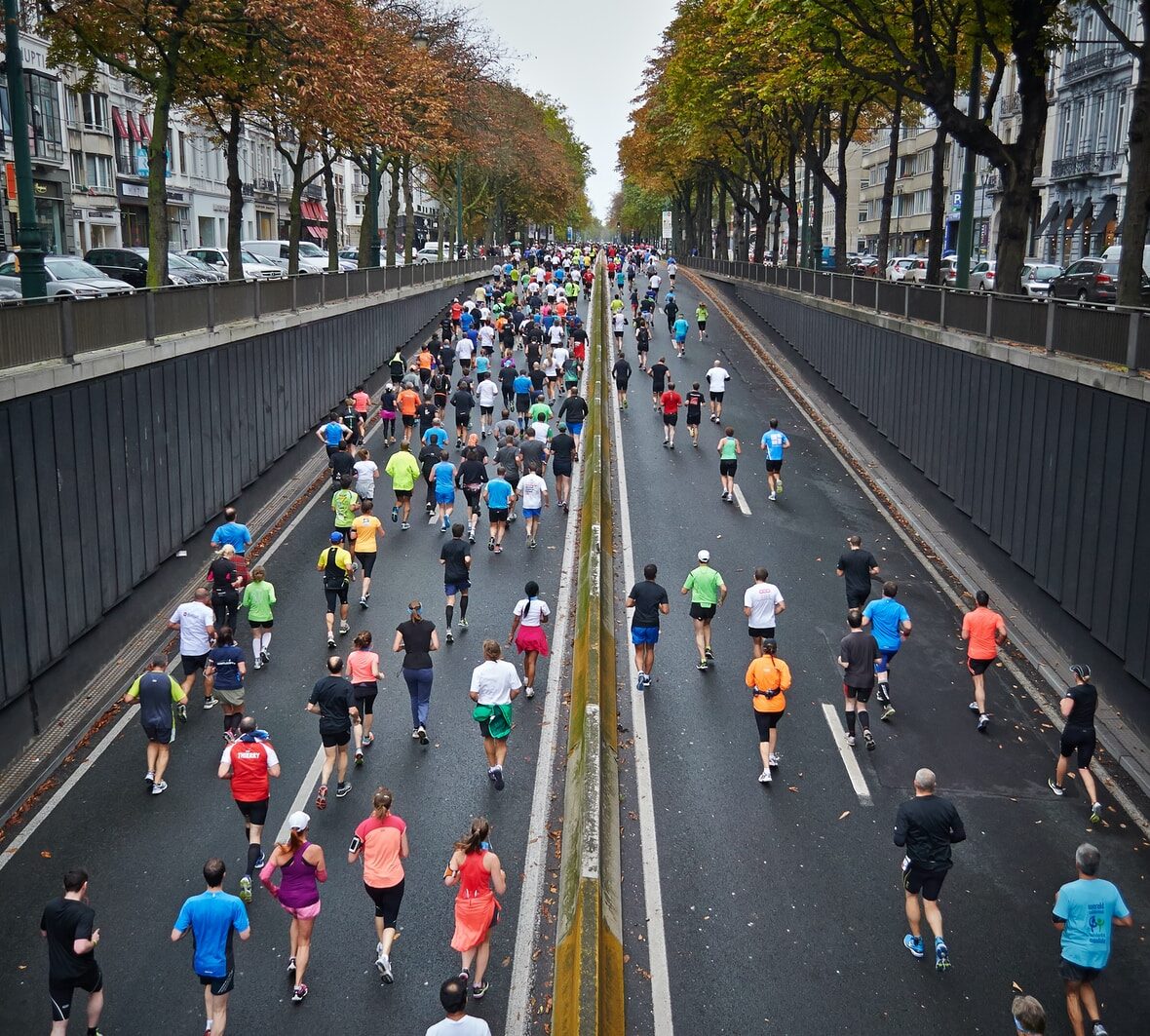
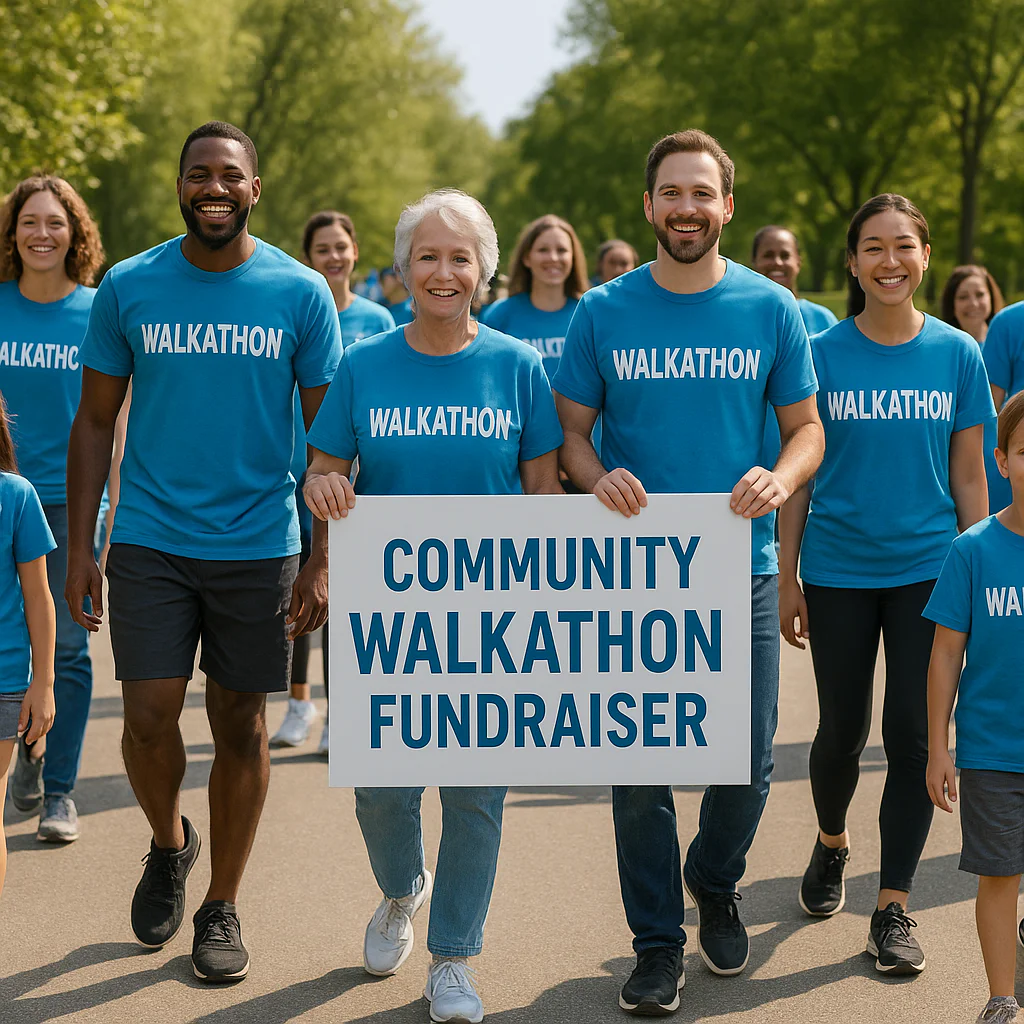
Ever wondered how a simple 5K stroll can rewrite the health story of an entire neighborhood? It’s not just about the finish line; it’s about the ripple effect that starts with every step. From funding life-saving cancer research to dismantling the stigma of HIV, walkathons are the unsung heroes of public wellness. Did you know that events like the AIDS Walk San Francisco have raised over $90 million since 1987, directly funding the care that allows survivors like Dan Bernal to thrive for decades? In this deep dive, we’ll uncover the 21 specific ways these events transform communities, revealing why institutions like UCSF and Griffin Hospital bet their futures on the power of walking.
Key Takeaways
- Holistic Impact: Walkathons simultaneously boost cardiovascular fitness, reduce social isolation, and fund critical medical research.
- Inclusive Wellness: Unlike high-impact sports, walking is a low-impact, accessible activity that welcomes all ages and physical abilities.
- Economic & Social Boost: These events drive local economic growth, improve public safety through active park use, and foster community cohesion.
- Preventive Power: By promoting active lifestyles and raising disease awareness, walkathons serve as a cost-effective preventive health strategy for the long term.
Table of Contents
- ⚡️ Quick Tips and Facts
- 🕰️ The Evolution of Charity Walks: From Marches to Modern Movements
- 🎗️ Personal Impact: How Sarah’s Cause Ignited a Local Health Revolution
- 🏥 Institutional Power: Why Team UCSF and Major Hospitals Bet on Walking
- 👟 Lace Up for More: Deep Diving into Community Wellness
- 21 Ways Walkathon Fundraisers Supercharge Community Health
- 1. Boosting Cardiovascular Fitness Across All Generations
- 2. Combating Sedentary Lifestyles with Low-Impact Exercise
- 3. Strengthening Social Cohesion and Neighborhood Bonds
- 4. Raising Vital Awareness for Chronic Disease Prevention
- 5. Funding Local Healthcare Infrastructure and Medical Research
- 6. Improving Mental Well-being and Reducing Social Isolation
- 7. Encouraging Lifelong Healthy Habits in Children and Youth
- 8. Creating Inclusive Fitness Opportunities for All Physical Abilities
- 9. Reducing Cortisol and Stress Through Collective Philanthropy
- 10. Promoting Environmental Health via Walkable Urban Spaces
- 11. Enhancing Public Safety and Active Park Utilization
- 12. Supporting Nutritional Education and Food Security Programs
- 13. Building Psychological Resilience Through Shared Adversity
- 14. Providing Free Health Screenings at Event Registration Hubs
- 15. Fostering Corporate Wellness and Employee Engagement
- 16. Empowering Patients and Survivors Through Active Participation
- 17. Decreasing Long-term Healthcare Costs via Preventive Activity
- 18. Cultivating a Culture of Volunteerism and Civic Service
- 19. Stimulating Local Economies to Fund Public Health Services
- 20. Bridging the Communication Gap Between Non-Profits and the Public
- 21. Establishing Sustainable Fitness Goals for First-Time Participants
- 🎒 Essential Gear: The Best Walking Shoes and Tech for Your Next 5K
- 🍎 Beyond the Finish Line: Sustaining Community Health Gains Year-Round
- Conclusion
- Recommended Links
- FAQ
- Reference Links
⚡️ Quick Tips and Facts
Before we dive into the nitty-gritty of how pounding the pavement saves lives, let’s look at the “CliffsNotes” version of why walkathons are the undisputed heavyweight champions of community wellness. If you’re looking for fresh walkathon fundraiser ideas, you’ve come to the right place!
| Feature | Impact on Community Health | Why It Matters |
|---|---|---|
| Physical Activity | Increases cardiovascular health | Reduces risk of chronic diseases like diabetes and hypertension. |
| Social Connection | Boosts community engagement | Combats the “loneliness epidemic” and improves mental resilience. |
| Financial Support | Funds local medical research & care | Provides resources like wigs for cancer patients or HIV support. |
| Accessibility | 100% Inclusive | Walking is a low-impact exercise suitable for all ages and abilities. |
| Education | Raises public health awareness | Distributes vital info on prevention and early detection. |
- Fact: The AIDS Walk San Francisco has raised over $90 million for HIV programs since 1987.
- Fact: In just one year (2018-2019), the Healthy Kids Club sponsored 47 walkathons, raising $582,000 for school wellness.
- Tip: Always offer a “virtual” option to include those who can’t make it to the physical location—health is for everyone! ✅
- Tip: Use hydration stations not just for water, but as “education hubs” for health facts. 🍎
🕰️ The Evolution of Charity Walks: From Marches to Modern Movements
How did we get from simple neighborhood strolls to massive, multi-million dollar events like the Relay For Life? The history of the walkathon is rooted in the idea that collective action—literally putting one foot in front of the other—can move mountains (or at least fund the research to move them).
Originally, “marathons” were for the elite, but the “walkathon” democratized fitness. In the mid-20th century, organizations like the March of Dimes realized that while not everyone can run a sub-three-hour marathon, almost everyone can walk a mile. This shift turned fundraising from a passive “write a check” activity into an active, community-wide health initiative.
Today, these events are high-tech. With physical fitness tips shared via apps and real-time fundraising leaderboards, the modern walkathon is a blend of biometric tracking and philanthropic passion. We’ve seen events evolve from gravel paths to sophisticated routes like the 1.3-mile loop at the Bethlehem Township Community Center, proving that you don’t need a mountain to make a massive impact.
🎗️ Personal Impact: How Sarah’s Cause Ignited a Local Health Revolution
We often talk about “community health” in the abstract, but it’s the personal stories that really get the heart pumping. Take Sarah Gutin, Ph.D., MPH, an Assistant Professor at the UCSF School of Nursing. Sarah has spent 20 years in HIV research, but her motivation isn’t just academic.
She was inspired by a woman in Uganda who didn’t know she could safely have a child while living with HIV. This sparked a fire in Sarah to “stand up to the stigma.” In 2024, she set a personal goal to raise $6,000 for the AIDS Walk San Francisco. When people like Sarah walk, they aren’t just burning calories; they are funding the very research that allows long-term survivors like Dan Bernal—who has lived with HIV for over 34 years—to thrive.
Does a 5K really change a life? Just ask the patients at the Center for Cancer Care at Griffin Hospital. Their walkathon started with a simple, beautiful goal: to purchase wigs for patients. It has since raised over $890,000. That’s a lot of confidence and dignity restored, one step at a time. ❌ Don’t underestimate the power of a “small” walk!
🏥 Institutional Power: Why Team UCSF and Major Hospitals Bet on Walking
Why do heavy hitters like UCSF or Star Community Health put so much energy into these events? It’s because walkathons are a “force multiplier” for public health.
- Direct Service Funding: Money raised doesn’t just vanish; it builds models of care. For instance, UCSF used funds to launch a national model for aging HIV patients at the Zuckerberg San Francisco General Hospital.
- Stigma Smashing: Events provide a public stage to normalize “scary” diagnoses.
- Preventive Outreach: As highlighted in the featured video, walkathons are a “healthy, active, and FUN alternative” to traditional bake sales. They promote movement as the first line of defense against illness.
When institutions get involved, they bring the “big guns”—free health screenings at the finish line, partnerships with sponsors like D’Addario Automotive Group, and the ability to turn a local park into a temporary wellness clinic.
👟 Lace Up for More: Deep Diving into Community Wellness
Are you ready to see the full scope of the “Walkathon Effect”? It’s not just about the money in the bucket; it’s about the sweat on the brow and the bonds formed in the process. We’re about to break down exactly how these events transform a zip code from “sedentary” to “supercharged.”
But wait—have you ever wondered why some walkathons feel like a party while others feel like a chore? The secret lies in the 21 ways they weave health into the fabric of the community. Let’s explore.
21 Ways Walkathon Fundraisers Supercharge Community Health
1. Boosting Cardiovascular Fitness Across All Generations
Walking is the “Goldilocks” of exercise—not too hard, not too easy, but just right. By participating in a walkathon, community members engage in sustained aerobic activity that strengthens the heart and lungs. This is vital for kids walkathons where establishing early habits can prevent heart disease later in life.
2. Combating Sedentary Lifestyles with Low-Impact Exercise
In an age of “Zoom fatigue,” walkathons get people off the couch. Unlike high-impact sports, walking has a low injury rate, making it the perfect entry point for those who haven’t exercised in years.
3. Strengthening Social Cohesion and Neighborhood Bonds
As Quynh Hicks of Star Community Health says, these events are a “celebration of the power of community.” When neighbors walk together, they talk. This social “glue” reduces feelings of isolation, which is a major contributor to poor mental health.
4. Raising Vital Awareness for Chronic Disease Prevention
Every t-shirt and banner is a walking billboard. Whether it’s breast cancer awareness or HIV education, walkathons turn participants into advocates who spread life-saving information.
5. Funding Local Healthcare Infrastructure and Medical Research
From $90 million for HIV programs to nearly $1 million for cancer care at Griffin Hospital, the financial influx allows hospitals to buy equipment and hire specialists they otherwise couldn’t afford.
6. Improving Mental Well-being and Reducing Social Isolation
Exercise releases endorphins, but collective exercise releases oxytocin—the “bonding hormone.” This double-whammy of brain chemicals helps fight depression and anxiety.
7. Encouraging Lifelong Healthy Habits in Children and Youth
When kids see their parents and teachers walking for a cause, they learn that fitness is a community value. Programs like the Healthy Kids Club ensure that fundraising strategies are synonymous with health.
8. Creating Inclusive Fitness Opportunities for All Physical Abilities
Events like the Star Community Health Walk use paved loops to ensure that wheelchairs, strollers, and walkers are all welcome. ✅ Inclusivity is health.
9. Reducing Cortisol and Stress Through Collective Philanthropy
Doing good feels good. The “helper’s high” is a real physiological phenomenon that lowers cortisol levels, reducing the physical toll of stress on the body.
10. Promoting Environmental Health via Walkable Urban Spaces
Walkathons often highlight the need for better parks and sidewalks. When a community “reclaims” its streets for a walk, it often leads to long-term improvements in urban walkability.
11. Enhancing Public Safety and Active Park Utilization
“Eyes on the street” make neighborhoods safer. Large events encourage people to use public parks, making them vibrant, safe hubs for future activity.
12. Supporting Nutritional Education and Food Security Programs
Many walkathons partner with local food banks or include “healthy snack” stations, teaching participants about the link between movement and nutrition.
13. Building Psychological Resilience Through Shared Adversity
Walking 5 miles in the rain for a cause builds “grit.” This shared experience helps communities feel more capable of tackling other challenges together.
14. Providing Free Health Screenings at Event Registration Hubs
Many organizers use the “captive audience” to offer blood pressure checks or BMI screenings, catching potential health issues early.
15. Fostering Corporate Wellness and Employee Engagement
Companies that form teams (like the UCSF School of Nursing team) see lower absenteeism and higher morale. It’s a win-win for the local economy and employee health.
16. Empowering Patients and Survivors Through Active Participation
For a survivor, crossing the finish line is a powerful reclamation of their body. It shifts the narrative from “victim” to “victor.”
17. Decreasing Long-term Healthcare Costs via Preventive Activity
An active community is a cheaper community to care for. By preventing chronic illness, walkathons save taxpayers and families thousands in medical bills.
18. Cultivating a Culture of Volunteerism and Civic Service
Volunteering is linked to lower mortality rates. Walkathons provide a “gateway” for people to get involved in civic life.
19. Stimulating Local Economies to Fund Public Health Services
Events draw visitors who spend money at local businesses. This tax revenue often flows back into public health initiatives and park maintenance.
20. Bridging the Communication Gap Between Non-Profits and the Public
Walkathons allow organizations to explain why their work matters in a relaxed, face-to-face setting, building trust in the medical system.
21. Establishing Sustainable Fitness Goals for First-Time Participants
For many, a 5K walkathon is their first “race.” The sense of accomplishment often leads to participants signing up for their next event, sparking a permanent lifestyle change.
🎒 Essential Gear: The Best Walking Shoes and Tech for Your Next 5K
You wouldn’t show up to a gala in pajamas, so don’t show up to a walkathon in flimsy flip-flops! Your feet are your engine; treat them well. We’ve tested the top gear to ensure you cross the finish line without a single blister.
Walkathon Gear Rating Table
| Product Category | Comfort (1-10) | Durability (1-10) | Support (1-10) | Professional Recommendation |
|---|---|---|---|---|
| Brooks Ghost 16 | 10 | 9 | 9 | Best for neutral walkers. |
| ASICS Gel-Kayano 30 | 9 | 10 | 10 | Best for those who overpronate. |
| Fitbit Charge 6 | 8 | 8 | N/A | Best for tracking heart rate. |
| Apple Watch Series 9 | 8 | 7 | N/A | Best for community “challenges.” |
| Bombas Performance Socks | 10 | 9 | 8 | Best for blister prevention. |
Detailed Analysis:
- Brooks Ghost 16: These are the “Old Faithful” of the walking world. The DNA Loft v2 cushioning feels like walking on a cloud, but with enough “pop” to keep you moving.
- 👉 CHECK PRICE on: Amazon | Walmart | Brooks Official
- ASICS Gel-Kayano 30: If your ankles tend to roll inward, these are your best friend. The 4D Guidance System provides stability without feeling like a brick.
- 👉 CHECK PRICE on: Amazon | Walmart | ASICS Official
- Fitbit Charge 6: We love this for walkathons because it tracks your “Active Zone Minutes.” It’s not just about the steps; it’s about getting that heart rate up!
- 👉 Shop Fitbit on: Amazon | Walmart | Google Store
Pro Tip: Never wear brand-new shoes on the day of the event. Break them in for at least two weeks prior to avoid the dreaded “finish line limp.” ❌
🍎 Beyond the Finish Line: Sustaining Community Health Gains Year-Round
The walkathon shouldn’t be a “one and done” event. The real magic happens when the momentum of the walk carries over into daily life. How do we keep the fire burning?
- Form Walking Clubs: Use the team you built for the walkathon to meet every Saturday morning.
- Utilize the Tech: Keep those Fitbit challenges going with your co-workers.
- Advocate for Infrastructure: If you noticed the park path was cracked during your 5K, contact your local council.
- Stay Connected to the Cause: Follow organizations like Griffin Hospital or Star Community Health on social media to see exactly where your fundraising dollars are going.
Remember the first YouTube video we mentioned? It showed how 100% of the money raised in school walkathons stays at the school for things like Buddy Benches and water bottle filling stations. These are permanent fixtures that promote health every single day, long after the balloons have been popped and the finish line tape has been cleared.
But how do you ensure your specific event doesn’t just raise money, but actually changes the “health DNA” of your town? It all comes down to the strategy you use before the first step is even taken.
Conclusion

So, does a simple 5K walk really have the power to transform a community’s health landscape? The answer, backed by decades of data from organizations like UCSF, Star Community Health, and Griffin Hospital, is a resounding yes.
We started this journey by asking if walking could truly make a difference beyond just burning calories. We’ve seen that it does much more: it funds critical medical research, dismantles the stigma surrounding diseases like HIV and cancer, and creates a social safety net that combats loneliness. From Sarah Gutin’s personal mission to support aging HIV patients to the $890,000 raised by Griffin Hospital to provide wigs for cancer survivors, the narrative is clear: movement is medicine, and community is the cure.
Positives of Participating in Walkathons:
- ✅ Tangible Impact: Direct funding for life-saving services and infrastructure.
- ✅ Holistic Health: Simultaneously improves physical fitness, mental well-being, and social connection.
- ✅ Inclusivity: Accessible to all ages, abilities, and fitness levels.
- ✅ Education: Raises vital awareness about chronic diseases and prevention.
Negatives/Challenges to Consider:
- ❌ Weather Dependency: Outdoor events can be disrupted by rain or extreme heat (though virtual options often mitigate this).
- ❌ Logistical Hurdles: Organizing a large-scale event requires significant planning, permits, and volunteer coordination.
- ❌ Physical Limitations: While low-impact, participants with severe mobility issues may still need specific accommodations (which most modern events now provide).
Our Confident Recommendation:
Whether you are a seasoned runner, a casual stroller, or a parent looking for a family activity, join a walkathon. If you are an organization, host one. The return on investment for community health is unparalleled. Don’t just watch from the sidelines; lace up your Brooks Ghost 16s or ASICS Gel-Kayano 30s, grab your Fitbit, and become part of the solution. The finish line isn’t just the end of a race; it’s the beginning of a healthier future for everyone.
Recommended Links
Ready to gear up or support a cause? Here are the top resources and products mentioned in our guide.
Essential Walking Gear
- Brooks Running Shoes: Shop Brooks Ghost 16 on Amazon | Shop on Walmart | Brooks Official Website
- ASICS Running Shoes: Shop ASICS Gel-Kayano 30 on Amazon | Shop on Walmart | ASICS Official Website
- Activity Trackers: Shop Fitbit Charge 6 on Amazon | Shop on Walmart | Google Fitbit Store
- Anti-Blister Socks: Shop Bombas Performance Socks on Amazon | Shop on Etsy | Bombas Official Website
Books & Resources for Community Health
- “Walk This Way: The Complete Guide to Walking for Health and Fitness” by Amazon
- “The Power of Community: How Building Social Capital Improves Health” by Amazon
- “Relay For Life: A Guide to Organizing Your Event” by Amazon
Upcoming Events to Support
- 17th Annual 5K Walk/Run to Benefit the Center for Cancer Care at Griffin Hospital: Register Here
- AIDS Walk San Francisco: Visit Official Site
- Star Community Health Walk for Health: Visit ShopSLUHN
FAQ

How do walkathon fundraisers improve local mental health?
Walkathons act as a powerful antidote to the “loneliness epidemic” by fostering social cohesion. When neighbors walk together, they engage in face-to-face interaction, which releases oxytocin and reduces cortisol levels. This collective experience builds a support network that extends beyond the event, providing a safety net for individuals struggling with isolation or depression. Furthermore, the act of “doing good” (philanthropy) triggers the “helper’s high,” a physiological response that boosts mood and self-esteem.
Read more about “15 Epic School Walk-a-Thon Ideas to Boost Fun & Fundraising (2026) 🚶 ♀️🎉”
What are the long-term health benefits of participating in community walkathons?
The benefits extend far beyond the day of the event. Regular participation encourages the adoption of sustainable fitness habits, leading to reduced risks of cardiovascular disease, type 2 diabetes, and obesity. Long-term engagement in these events often correlates with lower healthcare costs for the community due to preventive health measures. Additionally, the social bonds formed can lead to increased civic engagement and a stronger sense of belonging, which are critical predictors of longevity and mental resilience.
Read more about “🚶 ♂️ 7 Health & Wellness Benefits of Walkathons for Children (2026)”
How do walkathons promote physical activity among children and seniors?
Walkathons are uniquely inclusive. For children, seeing adults and peers participate makes exercise feel like a fun, social game rather than a chore, establishing lifelong healthy habits. For seniors, the low-impact nature of walking makes it a safe option to maintain mobility and strength without the risk of high-impact injuries. Events often feature specific categories or “fun walks” designed to accommodate wheelchairs, strollers, and walkers, ensuring that age is never a barrier to participation.
Read more about “Is 1 Hour Walking a Day Enough? 12 Surprising Truths for 2025 🚶 ♂️✨”
In what ways do walkathon events raise awareness for chronic diseases?
Walkathons serve as massive, mobile educational platforms.
- Visibility: T-shirts, banners, and route signage constantly reinforce the cause (e.g., HIV, cancer, heart disease).
- Direct Engagement: Registration booths often feature health screenings (blood pressure, BMI) and informational pamphlets from medical professionals.
- Storytelling: Personal narratives from survivors and researchers (like Sarah Gutin or Dan Bernal) humanize the statistics, making the disease less abstract and the need for support more urgent.
- Advocacy: These events often mobilize participants to contact legislators or support policy changes related to healthcare funding and research.
Why is inclusivity a critical component of modern walkathons?
Inclusivity ensures that the message of health reaches everyone. By designing routes that are wheelchair-accessible and offering virtual participation options, organizers acknowledge that health disparities often affect those with mobility challenges or limited resources. When a community sees itself reflected in the event, it fosters a deeper sense of ownership and commitment to the cause.
How can I start my own walkathon for a local health cause?
Starting a walkathon involves several key steps:
- Identify a Cause: Choose a local health issue or partner with an existing non-profit.
- Secure a Location: Find a safe, accessible route (parks, school tracks, or closed streets).
- Obtain Permits: Work with local authorities for road closures and insurance.
- Recruit Volunteers: You’ll need help with registration, hydration stations, and safety.
- Promote the Event: Use social media, local press, and community boards.
- Plan Logistics: Arrange for hydration, first aid, and post-event celebrations.
For more detailed strategies, check out our guide on Fundraising Strategies.
Read more about “10 Surprising Advantages of Participating in Charity Walkathons 🚶 ♂️ (2026)”
Reference Links
- UCSF AIDS Walk Teams 2024: UCSF Employee News
- Star Community Health Walk for Health: Star Community Health
- Griffin Hospital 17th Annual 5K Walk/Run: Griffin Health Events Calendar
- AIDS Walk San Francisco: Official Event Site
- Centers for Disease Control and Prevention (CDC): Physical Activity Basics
- American Heart Association: Walking for Heart Health
- National Institutes of Health (NIH): Social Isolation and Health
- Brooks Running: Official Website
- ASICS: Official Website
- Fitbit (Google): Official Website
- Bombas: Official Website