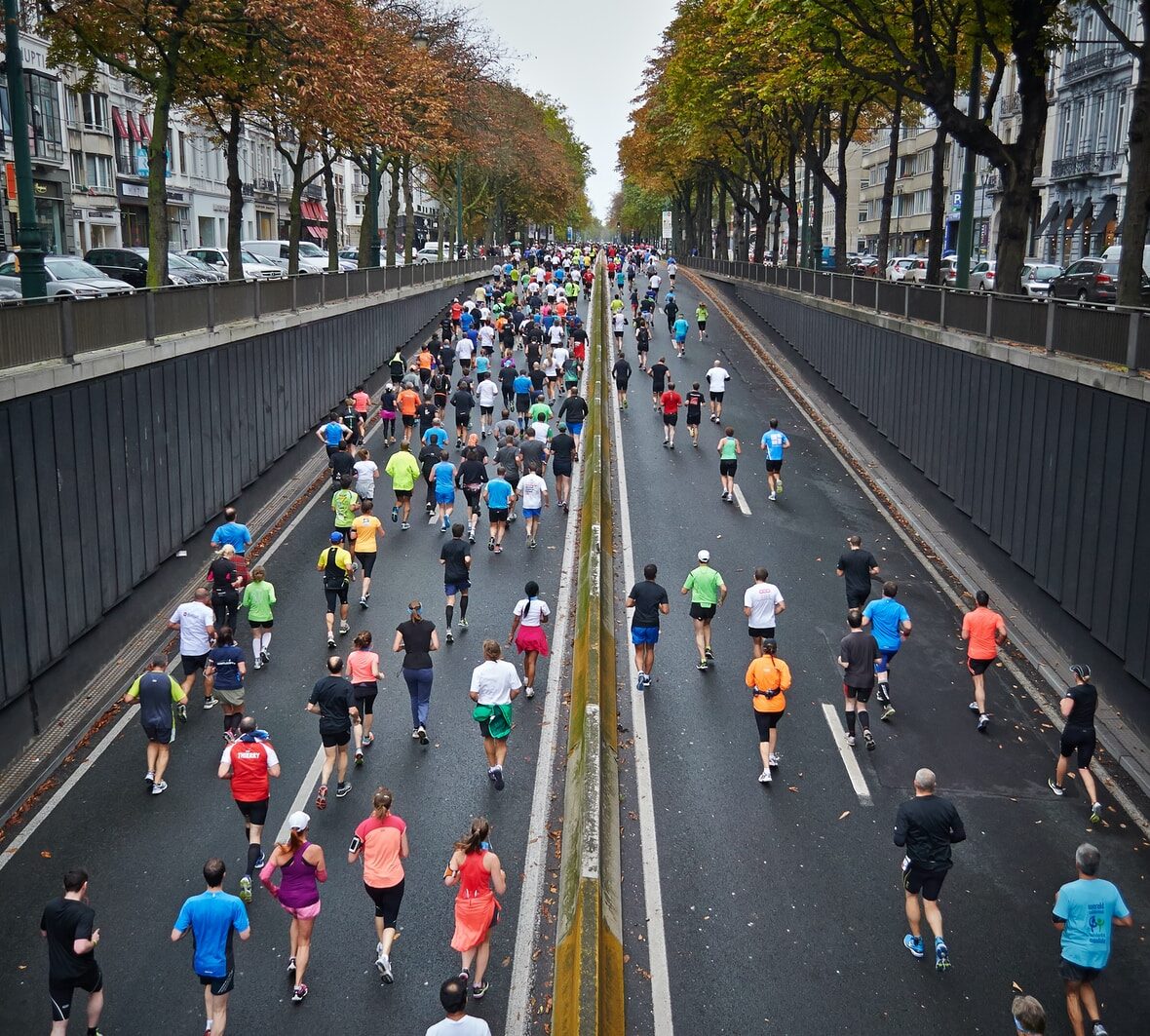
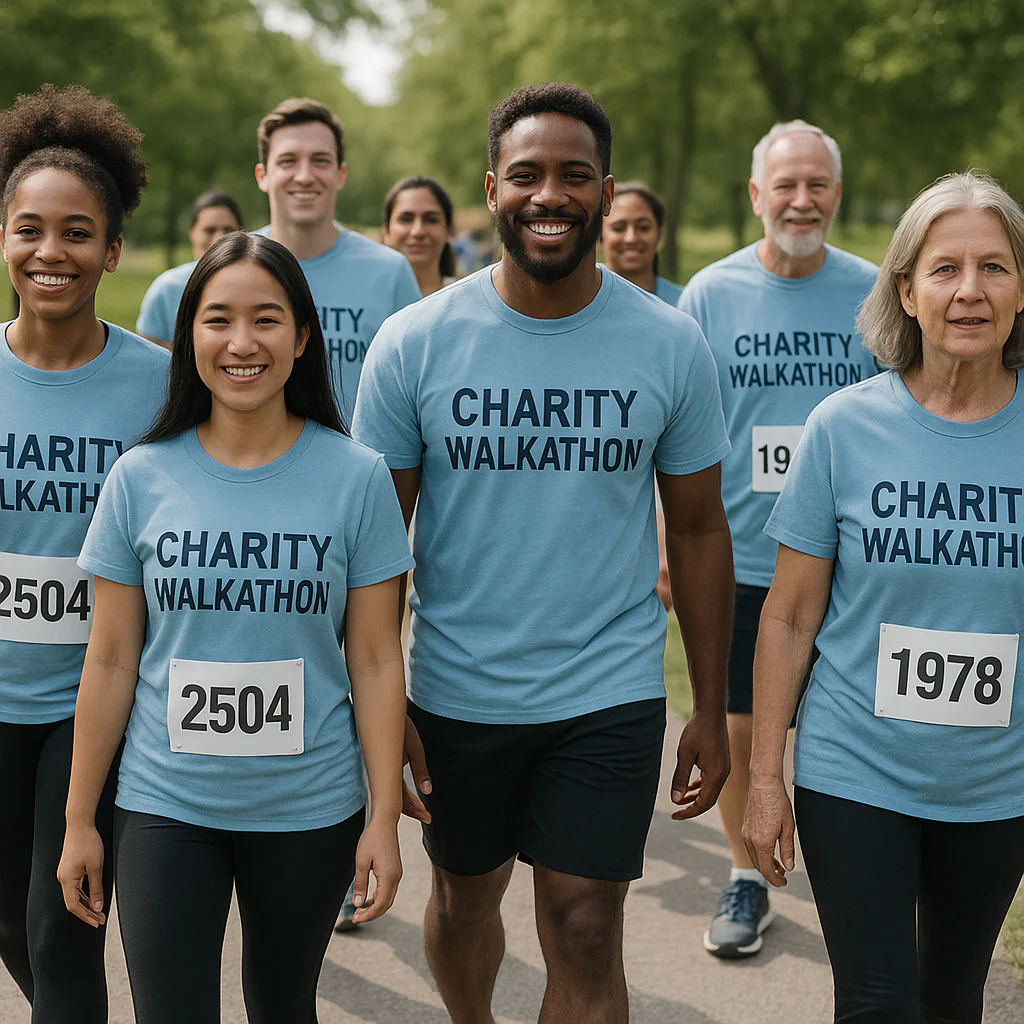

The secret to a successful Walkathon isn’t a massive budget or a celebrity speaker; it’s a meticulously planned route, a compelling community theme, and an unwavering commitment to safety. Whether you are organizing a local school fundraiser or a city-wide charity event, the magic happens when you balance logistical precision with the joy of movement.
Did you know the first recorded walkathon in 1953 raised funds by walking 80 miles over four days? Today, that spirit lives on in events like the SCDAA Warrior Walkathon, which prioritizes participant health above all else—even canceling due to air quality alerts to protect vulnerable walkers.
We’ve seen events thrive when organizers focus on inclusivity, turning a simple walk into a celebration of community resilience. From choosing the perfect shoes to securing the right permits, every detail matters.
Ready to transform your idea into a movement that raises funds and builds connections? Let’s dive into the blueprint for your next unforgettable event.
Key Takeaways
- Safety First: Always prioritize participant health by monitoring weather and air quality, just as the SCDAA did when canceling their event.
- Inclusivity Drives Success: Design your Walkathon to welcome all ages and abilities, from toddlers to seniors, to maximize participation and donations.
- Community is King: A strong theme and peer-to-peer fundraising strategies are more effective than generic marketing in driving engagement.
- Plan Meticulously: Follow a structured 12-step checklist covering permits, route mapping, and volunteer training to ensure a seamless experience.
Table of Contents
- ⚡️ Quick Tips and Facts
- 📜 From Ancient Origins to Modern Marathons: The Evolution of the Walkathon
- 🏆 Why Your Feet Are Your Best Fundraising Tool: The Science Behind the Walk
- 📋 The Ultimate Walkathon Planning Checklist: 12 Steps to a Flawless Event
- 🎨 Choosing a Theme That Makes People Walk: Creative Concepts for Every Cause
- 📍 Picking the Perfect Route: Safety, Scenery, and Logistics
- 📢 Marketing Your Walkathon: How to Fill the Streets and Boost Donations
- 👟 Gear Up: Essential Walking Shoes, Apparel, and Safety Equipment
- 🥗 Fueling the Fleet: Nutrition and Hydration Strategies for Walkers
- 🏥 Medical Safety and First Aid: Keeping Your Participants Healthy
- 🏅 Notable Walkathons Around the Globe: Inspiration from the World’s Biggest Events
- 🧠 The Etymology of “Walkathon”: How a Word Became a Movement
- ❓ Frequently Asked Questions About Organizing and Participating in Walkathons
- 🔗 Recommended Links and Resources for Event Organizers
- 📚 Reference Links and Further Reading
- 🏁 Conclusion: Lacing Up for a Better Tomorrow
⚡️ Quick Tips and Facts
Before you lace up those sneakers and start drafting your pledge forms, let’s hit the ground running with some high-impact truths about the walkathon phenomenon. We’ve seen thousands of events, from school gymnasiums to city marathons, and here is what actually moves the needle (and the money).
- It’s Not Just About the Steps: A walkathon is a hybrid event. It combines physical activity, community building, and fundraising. Unlike a race, the goal isn’t speed; it’s participation.
- The “Low-Intensity” Advantage: Because walkathons are non-competitive, they attract a demographic that marathons often miss: seniors, young children, and those with mobility issues. This inclusivity is your fundraising superpower.
- The Math of Motivation: Studies show that participants who secure personal pledges (friends/family) raise significantly more than those relying solely on general donations. It’s the social contract that drives the cash flow.
- Safety First, Always: As we learned from the SCDAA Warrior Walkathon cancellation due to air quality alerts, weather and health conditions trump every other planning element. If the air is bad, the event pauses. No exceptions.
- The “Fun” Factor: According to school administrators, walkathons are described as “very lucrative” and “fun.” Why? Because when people are smiling, they open their wallets.
Pro Tip: Don’t forget to check out our deep dive on Walkathon Themes to see how a simple color scheme can double your registration numbers!
📜 From Ancient Origins to Modern Marathons: The Evolution of the Walkathon
You might think the walkathon is a modern invention born from the era of 5Ks and charity runs, but the roots go much deeper than you’d expect. It’s a fascinating journey from dance marathons to global health movements.
The Dance Marathon Era (1920s-1930s)
Before people were walking for miles, they were dancing for days. In the 1920s and 30s, “dance marathons” were a bizarre form of entertainment where couples danced until one collapsed. It was grueling, often exploitative, and definitely not for charity in the way we think of it today. However, the concept of endurance as a spectacle laid the groundwork.
The Birth of the “Walkathon”
The term itself is a portmanteau of “walk” and “marathon,” emerging in the 1930s. But the first true charity walkathon as we know it? That credit goes to Ramón Rivero (known as Diplo) in 1953.
- Location: San Juan, Puerto Rico.
- The Mission: Walking from San Juan to Ponce (an 80-mile trek) over 4 days.
- The Result: Raised funds for the Liga Puertoriqueña Contra el Cáncer.
- The Legacy: This event was so impactful that decades later, the “League” held a “Diplo Returns to San Juan” walkathon, raising nearly $20,0 (in modern value) just to honor the original spirit.
The American Boom (1968-1971)
The concept crossed the Atlantic in 1968 with the “International Walk for Development” in Minneapolis. Promoted by Johnny Carson and Ed McMahon on The Tonight Show, it brought 3,0 walkers to the streets.
But the real explosion happened in 1971. The American Freedom from Hunger Foundation coordinated a massive event:
- Participants: Over 150,0 Americans.
- Distance: Over 2 million miles walked collectively.
- Funds Raised: Over $1.2 million to fight hunger.
- The Record: The largest single route was in Milwaukee, with 20,0 walkers covering 31 miles.
The Modern Era
Today, walkathons are the backbone of non-profit fundraising. From the Relay for Life (cancer) to March for Babies, these events have evolved into sophisticated operations involving apps, GPS tracking, and social media campaigns. Yet, the core remains the same: community walking together for a cause.
🏆 Why Your Feet Are Your Best Fundraising Tool: The Science Behind the Walk
Why do we walk? Is it just to burn calories? Absolutely not. As health professionals at Walkathon Benefits™, we see the physiological and psychological magic that happens when a group moves in unison.
The Physiology of the “Good Walk”
Walking is the most accessible form of aerobic exercise. Unlike running, which can be high-impact and intimidating, walking is low-impact and sustainable for almost everyone.
- Cardiovascular Health: Regular walking lowers blood pressure and reduces the risk of heart disease.
- Mental Clarity: The rhythmic nature of walking reduces cortisol (stress hormone) levels.
- Social Connection: Walking side-by-side fosters conversation and community bonding in a way that running (where you’re often focused on breathing) does not.
Curious about the specific health metrics? We break down the exact calorie burn and heart rate zones in our guide on the Health Benefits of Walking.
The Psychology of the Pledge
Here is the secret sauce: Social Accountability. When you sign up for a walkathon, you aren’t just signing up for exercise; you are making a public promise.
- The “Sunk Cost” of Effort: Once you’ve trained and collected pledges, you are psychologically committed to finishing the walk.
- The Dopamine Hit: Completing the distance and seeing the donation total climb releases dopamine, reinforcing the behavior.
A Tale of Two Walkers
Let’s tell you about “Sarah” and “Mike.”
- Sarah joined a local 5K walk for breast cancer awareness. She was nervous about her fitness level. But because the event was non-competitive, she walked at her own pace, chatting with strangers. By the end, she had raised $50 and made three new friends.
- Mike tried to run a marathon but got injured. He switched to a walkathon. He realized he could still contribute to the cause without the pain.
The takeaway? The walkathon model is inclusive by design. It doesn’t matter if you walk at 2 mph or 4 mph; your contribution is valid.
📋 The Ultimate Walkathon Planning Checklist: 12 Steps to a Flawless Event
Organizing a walkathon is like conducting an orchestra. If one section misses a beat, the whole thing sounds off. We’ve compiled a 12-step checklist based on our experience managing events that range from 50 participants to 5,0.
Phase 1: Foundation (6-12 Months Out)
- Define Your Mission: Is it for cancer research, school supplies, or animal welfare? Your cause dictates your audience.
- Form a Committee: You can’t do this alone. Recruit a Treasurer, Marketing Lead, Logistics Chief, and Safety Officer.
- Secure the Date and Venue: Check local calendars to avoid conflicts. Ensure the route is permittable.
- Budgeting: Estimate costs (permits, insurance, water, t-shirts) and set a fundraising goal.
- Legal & Insurance: Get liability insurance. This is non-negotiable.
Phase 2: Logistics & Marketing (3-6 Months Out)
- Route Planning: Map out a safe, scenic, and accessible route.
- Sponsorship Outreach: Approach local businesses for cash or in-kind donations (water, snacks, t-shirts).
- Registration Platform: Choose a user-friendly platform (like Givebutter, Classy, or Eventbrite).
- Marketing Launch: Start your social media campaign. Tease theme and the cause.
- Volunteer Recruitment: You need marshals, water station volunteers, and registration staff.
Phase 3: Execution (1 Month to Event Day)
- Final Briefing: Meet with your team and volunteers. Review safety protocols and emergency plans.
- The Event Day: Execute, enjoy, and thank everyone profusely.
Need help with the nitty-gritty? Check our Event Registration Tips to ensure your sign-up process is smooth as silk.
🎨 Choosing a Theme That Makes People Walk: Creative Concepts for Every Cause
A walkathon without a theme is just a walk. A walkathon with a theme is an experience. Themes create buzz, drive social media shares, and make the event memorable.
Why Themes Matter
- Visual Identity: A theme gives you a color palette and a logo.
- Engagement: People love dressing up. It lowers the barrier to entry for shy participants.
- Storytelling: A theme helps you tell the story of your cause.
Top Theme Ideas
| Theme Idea | Best For | Key Elements |
|---|---|---|
| Color Run/Walk | General Awareness | Colored powder, bright t-shirts, photo ops. |
| Pajama Party | Kids & Families | Pajamas, slippers, hot chocolate station. |
| Superhero Walk | Children’s Hospitals | Capes, masks, “hero” medals. |
| Decades Walk | Community Groups | 70s, 80s, 90s fashion, retro music. |
| Animal Paws | Animal Shelters | Pet costumes, leash walks, paw-print medals. |
Want more inspiration? We have a massive list of Walkathon Themes that will spark your creativity.
The “SCDAA” Lesson
Remember the SCDAA Warrior Walkathon? Their theme was “Wariors.” It was powerful, but the cancellation due to air quality showed that safety must always trump theme. A great theme brings people in, but a safe event keeps them coming back.
📍 Picking the Perfect Route: Safety, Scenery, and Logistics
The route is the spine of your event. A bad route can ruin a great cause. A good route can turn a casual walker into a lifelong supporter.
The “Three S” Rule
- Safety: Avoid heavy traffic. Use closed streets if possible. If you must share the road, ensure police or volunteer marshals are present at every intersection.
- Scenery: People want to see something beautiful. Parks, waterfronts, and historic districts are gold.
- Simplicity: Keep the route simple. A figure-8 or a loop is easier to manage than a point-to-point route that requires shutles.
Logistics Checklist
- Restrooms: Are there portable toilets or access to public facilities?
- Water Stations: Place a station every 1-2 miles.
- Accessibility: Is the route paved? Are there ramps? Wheelchair accessibility is crucial for inclusivity.
- Permits: You will likely need a permit from the city or park service. Start this process months in advance.
Pro Tip: Always have a Plan B route. If a road closure happens last minute, you need a backup.
📢 Marketing Your Walkathon: How to Fill the Streets and Boost Donations
You have a great cause, a perfect route, and a killer theme. Now, how do you get people to show up? Marketing is the engine.
Digital Strategies
- Social Media: Use Instagram and TikTok for behind-the-scenes content. Show your team preparing, share testimonials from past participants, and post countdowns.
- Email Campaigns: Segment your list. Send different messages to past participants, potential sponsors, and first-timers.
- Peer-to-Peer Fundraising: Encourage participants to create their own fundraising pages. This is the #1 driver of donations.
Community Outreach
- Local Press: Send a press release to local newspapers and radio stations.
- Schools and Churches: These are your best partners. They have built-in communities.
- Corporate Challenges: Challenge local companies to compete against each other.
Looking for more strategies? Dive into our Fundraising Strategies section for advanced tactics.
👟 Gear Up: Essential Walking Shoes, Apparel, and Safety Equipment
You don’t need a Ferrari to drive, but you do need good shoes to walk. The wrong gear can lead to blisters, injuries, and a miserable day.
The Shoe Debate
We’ve tested dozens of brands. Here is our breakdown of what works best for long-distance walking.
| Brand/Model | Best For | Key Features |
|---|---|---|
| Broks Ghost | Neutral Walkers | Excellent cushioning, durable, great for long distances. |
| ASICS Gel-Nimbus | High Arch Support | Superior shock absorption, ideal for hard surfaces. |
| New Balance Fresh Foam | Wide Feet | Available in wide widths, soft and responsive. |
| Hoka One Clifton | Joint Pain | Maximum cushioning, rockered sole for smooth stride. |
👉 CHECK PRICE on:
- Broks Ghost: Amazon | Broks Official
- ASICS Gel-Nimbus: Amazon | ASICS Official
- New Balance Fresh Foam: Amazon | New Balance Official
- Hoka One Clifton: Amazon | Hoka Official
Apparel and Safety
- Moisture-Wicking Fabrics: Avoid cotton. It holds sweat and causes chafing. Look for synthetic blends or merino wool.
- Visibility: If walking early or late, wear reflective gear or bright colors.
- Hydration Packs: For distances over 5 miles, a handheld bottle or a small hydration vest is essential.
Don’t forget the kids! Check our Kids Walkathons guide for age-appropriate gear tips.
🥗 Fueling the Fleet: Nutrition and Hydration Strategies for Walkers
You wouldn’t put cheap gas in a Ferrari, so why feed your walkers junk? Proper nutrition and hydration are critical for performance and safety.
Hydration: The Golden Rule
- Before the Walk: Drink 16-20 oz of water 2 hours before the start.
- During the Walk: Sip water at every station. Don’t wait until you’re thirsty.
- Electrolytes: For walks over 90 minutes, offer electrolyte drinks (like Gatorade or Liquid IV) to prevent cramping.
Fueling the Body
- Carbohydrates: The primary fuel source. Banas, energy gels, or granola bars are great mid-walk snacks.
- Protein: Not necessary during the walk, but essential for recovery afterward.
- Avoid: Heavy, greasy foods right before the event. They sit in the stomach and cause discomfort.
Post-Walk Recovery
- Cool Down: A gentle 5-minute walk to lower the heart rate.
- Stretching: Focus on calves, hamstrings, and quads.
- Refuel: A mix of protein and carbs within 30 minutes of finishing.
🏥 Medical Safety and First Aid: Keeping Your Participants Healthy
Safety is not an afterthought; it is the foundation of your event. We’ve seen too many events cut corners here, and it’s a recipe for disaster.
The Medical Team
- On-Site Medics: Have at least one EMT or paramedic on-site, plus a first aid station.
- AEDs: Automated External Defibrillators should be accessible at the start/finish and key points along the route.
- Communication: Ensure all volunteers have a way to contact medical support (radios or cell phones).
Weather and Environmental Safety
- Heat Index: If the heat index is above 90°F, consider shortening the route or adding more water stations.
- Air Quality: As seen with the SCDAA Warrior Walkathon, poor air quality is a valid reason to cancel. Always monitor local air quality indexes.
- Hydration Stations: Place them every mile. If it’s hot, place them every half-mile.
Emergency Protocols
- Evacuation Plan: Know exactly how to get a participant out of the route if they are injured.
- Weather Watch: Have a plan for sudden storms or lightning.
🏅 Notable Walkathons Around the Globe: Inspiration from the World’s Biggest Events
Looking for inspiration? Let’s look at the giants of the walkathon world.
The Big Players
- Relay for Life (USA): Organized by the American Cancer Society, this is one of the largest fundraising events globally. It combines walking with community celebrations.
- March for Babies (USA): The March of Dimes hosts these events to fund research for premature birth and birth defects.
- Breast Cancer 3Day: A three-day, 60-mile walk that challenges participants to push their limits.
- Iglesia ni Cristo World Wide Walk: Held in 2014, this set a Guinness World Record with 519,521 participants across multiple venues.
What We Can Learn
These events succeed because they build a community. They aren’t just about the money; they are about shared purpose. Whether it’s fighting cancer or supporting a school, the emotional connection is what drives participation.
🧠 The Etymology of “Walkathon”: How a Word Became a Movement
We touched on this earlier, but let’s dig deeper. The word walkathon is a portmanteau of “walk” and “marathon.” It emerged in the 1930s as a playful twist on the grueling “dance marathons” of the era.
From “Dance” to “Walk”
In the 1920s, dance marathons were a form of entertainment where couples danced until they collapsed. It was a spectacle of endurance. By the 1930s, the concept shifted. Instead of dancing, people began walking. The term “walkathon” was coined to describe this new, more accessible form of endurance event.
Evolution of Meaning
Over time, the meaning shifted from a mere endurance test to a fundraising tool. The “marathon” part of the word no longer implies a specific distance (26.2 miles); it implies endurance and community effort.
Cultural Impact
The word has become so ingrained in our language that it’s often used generically. “Let’s have a walkathon” is a common phrase in schools and communities. It represents a democratization of fitness and charity.
❓ Frequently Asked Questions About Organizing and Participating in Walkathons
What are the health benefits of participating in a walkathon?
Participating in a walkathon offers a myriad of health benefits. Physically, it improves cardiovascular health, strengthens muscles, and aids in weight management. Mentally, it reduces stress and boosts mood through the release of endorphins. Socialy, it fosters a sense of community and belonging.
How do I organize a successful charity walkathon?
Success lies in planning and execution. Start by defining your mission and securing a venue. Build a strong committee, choose a compelling theme, and launch a robust marketing campaign. Ensure safety with proper permits, medical support, and route planning. Finally, engage your participants through peer-to-peer fundraising and post-event follow-ups.
What should I wear for a long-distance walkathon?
Wear moisture-wicking clothing to keep dry and comfortable. Choose well-fitted, cushioned walking shoes that you have broken in beforehand. Avoid cotton, which retains sweat. Dress in layers if the weather is unpredictable, and don’t forget sun protection (hat, sunglasses, sunscreen).
How much money can a typical walkathon raise for charity?
The amount raised varies wildly based on the size of the event, the cause, and the marketing effort. A small school walkathon might raise $5,0, while a large city-wide event can raise hundreds of thousands or even millions. The key is engagement and sponsorship.
Why was the SCDAA Warrior Walkathon cancelled?
The SCDAA Warrior Walkathon was cancelled due to a Code Purple Air Quality Alert issued by the State of Maryland. The decision was made by the SCDAA Chief Medical Officer to ensure the safety of participants, particularly those with sickle cell disease who are more vulnerable to poor air quality.
Can I participate in a walkathon if I have a disability?
Absolutely! Walkathons are designed to be inclusive. Many events offer wheelchair-accessible routes and encourage participants of all abilities. Check with the event organizers for specific accommodations.
How do I train for a walkathon?
Start by walking regularly, gradually increasing your distance. Incorporate strength training for your legs and core. Practice walking on the terrain you expect to encounter. Most importantly, listen to your body and rest when needed.
🔗 Recommended Links and Resources for Event Organizers
Ready to get started? Here are some essential resources and products to help you plan your next walkathon.
Essential Gear
- Walking Shoes:
Broks Ghost: Amazon | Broks Official
ASICS Gel-Nimbus: Amazon | ASICS Official - Hydration Gear:
CamelBak Water Bottles: Amazon | CamelBak Official
Electrolyte Tablets: Amazon | Nun Official
Books and Guides
Online Tools
- Event Registration: Eventbrite | Givebutter
- Route Mapping: MapMyWalk | Strava
📚 Reference Links and Further Reading
For those who want to dive deeper into the history and science of walkathons, check out these reputable sources:
- Wikipedia: Walkathon – A comprehensive overview of the history and definition.
- SCDAA: Warior Walkathon – Learn about the SCDAA’s commitment to safety and community.
- American Heart Association: Walking for Health – Scientific insights on the benefits of walking.
- Mayo Clinic: Walking: A great way to get fit – Expert advice on walking safely and effectively.
🏁 Conclusion: Lacing Up for a Better Tomorrow

So, there you have it. From the dusty dance floors of the 1920s to the modern, tech-savy walkathons of today, the walkathon has proven to be an enduring force for good. It’s not just about the miles; it’s about the people who walk them.
We started this article by asking: Why do we walk? The answer is simple yet profound. We walk to connect, to heal, and to hope. Whether you are organizing a small school event or a massive city-wide marathon, remember that every step counts.
Our Final Recommendation:
If you are new to this, start small. Choose a cause you care about, pick a safe route, and invite your friends. Don’t worry about the perfect theme or the biggest budget. Just start walking. The rest will follow.
And if you ever find yourself wondering about the SCDAA Warrior Walkathon, remember that sometimes the most courageous thing you can do is cancel an event to protect your community. Safety first, always.
Now, go lace up those shoes. The world is waiting for your steps. 🚶 ♀️🚶 ♂️✨