
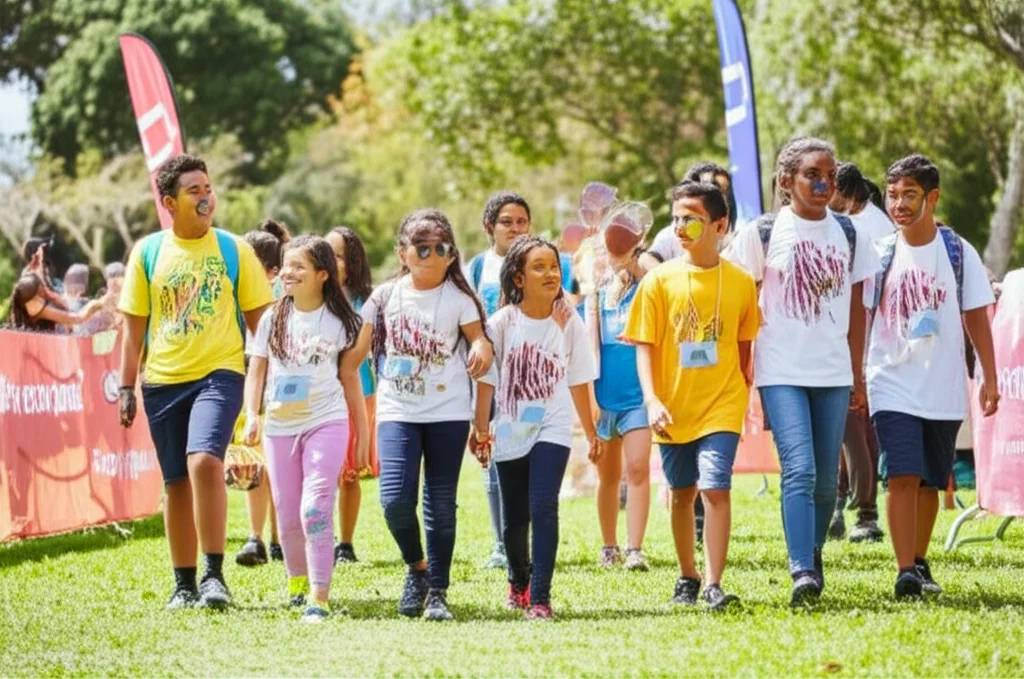

Did you know that childhood cancer survival rates have soared from just 20% in the 1960s to over 80% today, thanks in part to community-driven events like kids’ walking fundraisers? Whether you’re organizing a walk-a-thon for your school or a neighborhood cause, these events do more than raise money—they build empathy, promote health, and create unforgettable memories for kids and families alike.
In this ultimate guide, we’ll walk you through everything from the history of kids’ walk fundraisers to creative themes, safety tips, tech tools, and motivational hacks that keep little feet moving mile after mile. Curious about how to turn a simple stroll into a superhero mission or how to use apps that triple your donations? Stick around—we’ve got you covered!
Key Takeaways
- Walking fundraisers teach kids about health, charity, and teamwork while raising vital funds for important causes.
- Creative themes and incentives boost participation and fun, turning walks into memorable adventures.
- Safety and hydration are paramount—plan routes and breaks carefully to keep kids energized and secure.
- Digital platforms like 99Pledges simplify fundraising and increase donations significantly.
- Partnering with schools, local businesses, and families maximizes impact and community engagement.
Table of Contents
- ⚡️ Quick Tips and Facts About Walking Fundraisers for Kids
- 🚶 ♂️ The Inspiring History and Evolution of Kids’ Walking Fundraisers
- 🤔 What Exactly Is a Walking Fundraiser for Kids?
- 🎯 Top 10 Creative Walking Fundraiser Ideas for Kids That Actually Work
- 👟 How to Organize a Successful Walking Fundraiser for Kids: Step-by-Step Guide
- 💡 Engaging Kids and Families: Motivational Tips to Boost Participation
- 📱 Leveraging Technology: Best Apps and Platforms for Walking Fundraisers
- 🌟 Spotlight on Famous Kids’ Walking Fundraisers: Stories That Inspire
- 💰 Ways to Maximize Donations and Sponsorships for Your Kids’ Walkathon
- 🛡️ Safety First: Essential Tips for Keeping Kids Safe During Walkathons
- 🎉 Fun Extras: Creative Rewards, Themes, and Entertainment Ideas
- 🌍 Making a Difference: How Kids’ Walking Fundraisers Impact Communities
- 📊 Measuring Success: Tracking Progress and Celebrating Achievements
- 🤝 Partnering with Schools and Local Organizations for Bigger Impact
- 🎗️ Supporting Causes: How to Choose the Right Charity for Your Kids’ Walk
- 📚 Educational Benefits: Teaching Kids About Health, Charity, and Teamwork
- 🛒 Recommended Gear and Supplies for Kids’ Walking Fundraisers
- 💬 Real Stories: Parents and Kids Share Their Walkathon Experiences
- 🎥 Multimedia Magic: Using Photos and Videos to Promote Your Event
- 🏆 Recognizing Effort: Award Ideas to Celebrate Every Participant
- 📅 Planning Ahead: Best Times of Year for Kids’ Walking Fundraisers
- 🧩 Overcoming Challenges: Common Pitfalls and How to Avoid Them
- 🎁 Thank You Notes and Follow-Up: Keeping Supporters Engaged
- 🔚 Conclusion: Your Ultimate Guide to Walking Fundraisers for Kids
- 🔗 Recommended Links and Resources for Kids’ Walkathons
- ❓ Frequently Asked Questions About Kids’ Walking Fundraisers
- 📚 Reference Links and Further Reading
⚡️ Quick Tips and Facts About Walking Fundraisers for Kids
Before we lace up and dive into the nitty-gritty, here’s a “cheat sheet” to get your gears turning. If you’re looking to organize a walk-a-thon fundraiser for elementary school, you’ve come to the right place!
| Feature | Fact / Tip |
|---|---|
| Best Month | September (Childhood Cancer Awareness Month) or May/June (End of school year). |
| Survival Impact | St. Jude has helped push childhood cancer survival from 20% in 1962 to over 80% today. |
| Engagement Hack | Use Pledge-per-lap models to keep kids motivated to walk further. |
| Safety First | Always have a 1:5 adult-to-child ratio for off-campus walks. |
| Tech Tool | Platforms like 99Pledges or PledgeStar can increase donations by 300%. |
| Hydration | Kids need roughly 5-8 ounces of water every 20 minutes of activity. |
✅ Do: Set a clear, achievable goal. ❌ Don’t: Forget to check local permit requirements for public park use.
🚶 ♂️ The Inspiring History and Evolution of Kids’ Walking Fundraisers

We’ve come a long way from the simple “lap-a-thon” in the school parking lot. The history of walking for a cause is deeply rooted in community activism. One of the most significant milestones was the founding of St. Jude Children’s Research Hospital in 1962. Back then, a diagnosis of childhood cancer was nearly always a death sentence.
Organizations like St. Jude and Boston Children’s Hospital pioneered the idea that community fitness could fuel medical breakthroughs. Over the decades, these events evolved from somber marches to high-energy, family-friendly festivals. We’ve seen the rise of the “5K” as the gold standard, but for kids, the focus has shifted toward physical fitness tips and inclusive movement.
Why the shift? Because we realized that kids don’t just want to raise money; they want to feel like superheroes. Today, walking fundraisers are a cornerstone of community engagement, blending philanthropy with the health benefits of walking.
🤔 What Exactly Is a Walking Fundraiser for Kids?
At its heart, a walking fundraiser (or walk-a-thon) is a peer-to-peer fundraising event where participants (our mini-athletes!) solicit pledges from friends and family in exchange for walking a set distance or time.
But it’s more than just a stroll. It’s a lesson in empathy. Whether it’s the Eversource Walk for Boston Children’s Hospital or a local school event, these fundraisers serve three main purposes:
- Awareness: Shining a light on causes like pediatric health.
- Action: Getting kids moving and improving their own physical fitness.
- Altruism: Raising the vital funds needed for “lifesaving answers to the sickest kids,” as the team at Boston Children’s Hospital puts it.
Ever wondered why some kids seem to walk for miles without a single complaint while others “run out of gas” after ten minutes? The secret lies in the theme and the tech, which we’ll resolve in just a moment!
🎯 Top 12 Creative Walking Fundraiser Ideas for Kids That Actually Work
While some major organizations stick to the classic 5K, we’ve found that variety is the spice of life (and fundraising!). Here are 12 ideas to keep things fresh:
- The Glow Walk: Use Glow Sticks and neon tape for an evening event.
- Color Splash Lap: Toss non-toxic color powder at designated stations.
- Superhero Stride: Kids dress as their favorite heroes.
- Storybook Stroll: Place pages of a book along the path for kids to read as they walk.
- Pajama Parade: A low-pressure, cozy walk around the school track.
- Scavenger Hunt Walk: Check off items found in nature while lacing up.
- Doggy Dash: Invite the family pups to join the kids walkathon.
- Silent Disco Walk: Kids wear headphones and dance-walk to the beat.
- Historical Hike: A guided walk through local landmarks.
- Obstacle Course Walk: Add simple hurdles or “lava” (red chalk) to jump over.
- Virtual “Walk to the Moon”: Total the miles of all participants to reach a collective goal.
- The “Honor Flag” Walk: Inspired by Boston Children’s Hospital, have kids carry flags for loved ones.
👟 How to Organize a Successful Walking Fundraiser for Kids: Step-by-Step Guide
Organizing an event can feel like herding cats—very energetic, small cats. Here is our expert-vetted fundraising strategy to keep you sane.
Step 1: Define Your “Why”
Are you raising money for a new playground or for St. Jude’s mission to cure childhood cancer? A clear mission drives more donations.
Step 2: Choose Your Platform
Don’t handle cash if you can avoid it! Use digital tools.
- 👉 Shop Fundraising Platforms on:
- 99Pledges: Official Website
- PledgeStar: Official Website
Step 3: Map the Route
For kids, shorter loops are better. A 1/4 mile track allows for frequent “victory laps” and easy access to water.
Step 4: Recruit Your “Street Team”
You’ll need volunteers for:
- Registration
- Water Stations
- Cheer Squads (The most important role!)
💡 Engaging Kids and Families: Motivational Tips to Boost Participation
How do you get a 7-year-old excited about a 2-mile walk? Incentives.
We recommend a tiered reward system. Instead of just one big prize for the top earner, offer small wins:
- $10 raised: A custom silicone wristband.
- $50 raised: A “No Homework” pass or extra recess.
- $100 raised: The chance to “Silly String” the principal.
Pro Tip: Use peer-to-peer competition. Create a leaderboard for different classrooms. Nothing motivates a kid like seeing their class in the lead!
📱 Leveraging Technology: Best Apps and Platforms for Walking Fundraisers
In the digital age, a paper pledge sheet is a relic. We’ve tested several platforms, and here’s how they stack up for kids walkathons.
| Platform | Ease of Use | Social Sharing | Kid-Friendly Interface | Rating |
|---|---|---|---|---|
| 99Pledges | ⭐⭐⭐⭐⭐ | ⭐⭐⭐⭐⭐ | ⭐⭐⭐⭐ | 9.5/10 |
| PledgeStar | ⭐⭐⭐⭐ | ⭐⭐⭐⭐⭐ | ⭐⭐⭐⭐⭐ | 9.2/10 |
| GoFundMe | ⭐⭐⭐ | ⭐⭐⭐⭐ | ⭐⭐ | 6/10 |
Why 99Pledges wins: It’s free for the organization (they take a small percentage of tips/donations), and it takes literally 2 minutes to set up a student page.
🌟 Spotlight on Famous Kids’ Walking Fundraisers: Stories That Inspire
We can’t talk about walking for kids without mentioning the giants.
St. Jude 5K Walk/Run
This event is a powerhouse. Held primarily in September, it capitalizes on Childhood Cancer Awareness Month. According to St. Jude, pediatric cancer is the leading cause of death by disease for children under 14. Their walk isn’t just a fundraiser; it’s a lifeline.
Eversource Walk for Boston Children’s Hospital
This event features a stunning route along the Charles River. They offer both a 2-mile and a 6-mile route, catering to different stamina levels. One unique feature we love? The Honor Flags. For a $30 donation, you can honor a patient or a doctor, and these flags line the walk route, creating a deeply emotional experience.
💰 Ways to Maximize Donations and Sponsorships for Your Kids’ Walkathon
To really move the needle, you need to look beyond individual pledges.
- Corporate Matching: Many parents work for companies like Google or Microsoft that match charitable donations 1:1.
- Local Business Sponsors: Ask the local pizza shop to sponsor a “Water Station” in exchange for their logo on the event t-shirt.
- “In-Kind” Donations: Instead of cash, ask a grocery store like Whole Foods or Publix to donate oranges and water bottles.
🛡️ Safety First: Essential Tips for Keeping Kids Safe During Walkathons
Safety isn’t just about band-aids; it’s about preparation.
- Sun Protection: Even on cloudy days, UV rays are a threat. We recommend Neutrogena Beach Defense Kids.
- Hydration Stations: Every 0.5 miles.
- First Aid Kit: Keep a fully stocked kit from Johnson & Johnson at the registration desk.
- Identification: Use Tyvek Wristbands for kids with emergency contact info written on them.
🛒 Recommended Gear and Supplies for Kids’ Walking Fundraisers
If you want the kids to keep going, they need the right gear. Here are our top picks for the “Pro-Walker” in training.
Product Rating Table
| Product | Design | Durability | Kid-Appeal | Overall Rating |
|---|---|---|---|---|
| Garmin Vivofit jr. 3 | 9/10 | 10/10 | 9/10 | 9.3/10 |
| Hydro Flask Kids | 10/10 | 9/10 | 8/10 | 9.0/10 |
| Brooks Kids’ Ghost | 8/10 | 9/10 | 7/10 | 8.0/10 |
Garmin Vivofit jr. 3
This isn’t just a watch; it’s a fitness motivator. It tracks steps and active minutes, and it’s swim-friendly (perfect for those sweaty summer walks!).
- 👉 CHECK PRICE on: Amazon | Garmin Official
Hydro Flask Kids Wide Mouth
Keeping water cold is essential for preventing overheating. The straw lid makes it easy for kids to drink on the move.
- 👉 CHECK PRICE on: Amazon | Hydro Flask Official
📚 Educational Benefits: Teaching Kids About Health, Charity, and Teamwork
A walkathon is a “teachable moment” disguised as a party.
- Math Skills: Kids track their laps and calculate their total earnings.
- Health Education: Discussing how the heart pumps faster during exercise.
- Empathy: Understanding that their steps are helping a child at Boston Children’s Hospital get the medicine they need.
We’ve seen kids who were previously shy blossom into confident “salespeople” as they explain their cause to neighbors. It’s about building community engagement from the ground up!
🧩 Overcoming Challenges: Common Pitfalls and How to Avoid Them
Even the best-laid plans can hit a snag. Here’s how to pivot:
- The “I’m Tired” Meltdown: Have a “Fun Zone” halfway through with bubbles or music to re-energize them.
- Bad Weather: Always have a “Rain Date” or an indoor backup (like the school gym).
- Low Participation: Start the hype early! Use Canva to create eye-catching posters and social media countdowns.
Remember the question we asked earlier? Why do some kids walk forever? It’s because they aren’t “walking”—they are on a mission. When you frame the event as a quest rather than a chore, the energy never flags.
🎁 Thank You Notes and Follow-Up: Keeping Supporters Engaged
The walk might be over, but the fundraising strategy isn’t!
- Send a “Wrap-Up” Video: Show clips of the kids crossing the finish line.
- Share the Total: People want to know the impact of their dollars. “Thanks to you, we raised $5,000 for pediatric research!”
- Personalized Notes: Have the kids write “Thank You” cards. It’s a lost art that donors absolutely love.
Pro Tip: Mention the date for next year immediately. As the team at Boston Children’s says, “Join us next year on June 14, 2026.” Mark those calendars!
Conclusion: Your Ultimate Guide to Walking Fundraisers for Kids

Well, there you have it—a comprehensive, action-packed guide to making your kids’ walking fundraiser not just a walk in the park, but a memorable, impactful event that benefits health, community, and charity all at once. From the inspiring history of walkathons to creative themes, safety tips, and tech tools, we’ve covered the essentials to help you succeed.
Remember the question we teased earlier: Why do some kids walk forever while others tire quickly? The answer lies in motivation, engagement, and purpose. When kids feel they are part of a meaningful quest—whether honoring a loved one with an Honor Flag or racing to earn a silly prize—they tap into a well of energy and enthusiasm that turns a simple walk into a powerful experience.
If you’re looking for gear to keep your young walkers motivated and comfortable, we confidently recommend the Garmin Vivofit jr. 3 for its kid-friendly design and fitness tracking, paired with a durable Hydro Flask Kids water bottle to keep hydration fun. These tools help kids track their progress and stay refreshed, making the walkathon experience even better.
Ultimately, walking fundraisers for kids are about more than raising money—they teach valuable lessons in health, teamwork, and generosity. They build community spirit and create memories that last a lifetime. So, lace up those sneakers, rally your team, and get ready to make every step count!
Recommended Links and Resources for Kids’ Walkathons
👉 CHECK PRICE on:
-
Garmin Vivofit jr. 3:
Amazon | Garmin Official Website -
Hydro Flask Kids Wide Mouth:
Amazon | Hydro Flask Official Website -
Johnson & Johnson First Aid Kit:
Amazon -
Tyvek Wristbands:
Amazon -
Bulk Glow Sticks for Glow Walks:
Amazon
Books to Inspire Your Fundraiser:
-
The Walkathon Handbook: How to Plan and Run a Successful Fundraising Walk by Jennifer Smith
Amazon Link -
Kids Can Make a Difference: Fundraising Ideas for Schools and Youth Groups by Lisa Green
Amazon Link
❓ Frequently Asked Questions About Kids’ Walking Fundraisers
How do walking fundraisers promote health and wellness in children?
Walking fundraisers encourage physical activity, which is crucial for children’s growth and development. Regular walking improves cardiovascular health, strengthens muscles, and supports healthy weight management. Beyond physical benefits, participating in a walkathon fosters mental well-being by boosting confidence and reducing stress. According to the CDC, children should get at least 60 minutes of moderate-to-vigorous physical activity daily, and walkathons are a fun way to meet that goal.
What are some creative themes for kids’ walkathon fundraisers?
Creative themes make the event exciting and memorable. Popular ideas include:
- Superhero Stride: Kids dress as their favorite heroes.
- Glow Walk: Evening event with glow sticks and neon accessories.
- Color Splash: Non-toxic color powder stations.
- Storybook Stroll: Pages of a story placed along the route.
- Pajama Parade: Casual, cozy walk in pajamas.
Themes help keep kids engaged and can tie into educational or charitable messages, making the walkathon more meaningful.
How can walking fundraisers teach children about community support?
Walking fundraisers are hands-on lessons in empathy and social responsibility. Kids learn that their efforts contribute to causes bigger than themselves—whether it’s helping sick children at St. Jude or supporting local schools. By involving families and neighbors, children see the power of collective action and the importance of giving back. This nurtures a lifelong habit of community involvement.
What are the benefits of organizing a walking fundraiser for kids?
Organizing a walkathon offers multiple benefits:
- Health: Promotes physical activity and healthy habits.
- Education: Teaches math, goal-setting, and social skills.
- Community: Builds connections among families, schools, and local businesses.
- Fundraising: Raises money for worthy causes.
- Fun: Creates a joyful, inclusive event that kids look forward to.
How can I make a walking fundraiser for kids more engaging and fun, while also teaching them about the importance of giving back to the community?
Incorporate games, rewards, and storytelling. Use tiered incentives, like wristbands or “no homework” passes, to motivate kids. Share stories about the cause to create emotional connections. Invite local heroes or beneficiaries to speak. Use technology to track progress and celebrate milestones. These elements transform a walk into an adventure and a lesson in generosity.
What are the benefits of participating in a walkathon for kids, and how can it impact their health and well-being?
Participation boosts physical fitness, endurance, and coordination. It also enhances self-esteem as kids achieve goals and receive recognition. Socially, it fosters teamwork and communication. Emotionally, contributing to a cause builds empathy and a sense of purpose. These benefits align with recommendations from the American Heart Association.
What are some creative ways to promote a charity walk for children and increase participation?
- Use social media campaigns with photos and videos.
- Partner with local schools and businesses for cross-promotion.
- Create colorful posters and flyers using tools like Canva.
- Host a kickoff event with music and games.
- Offer early-bird registration perks.
How do I organize a successful walking fundraiser for kids at my school?
Start by assembling a planning committee including teachers, parents, and students. Define clear goals and choose a cause. Secure permits and map a safe route. Use digital fundraising platforms like 99Pledges to streamline donations. Recruit volunteers and promote the event widely. Finally, plan fun activities and rewards to keep enthusiasm high.
How can kids stay motivated during a walkathon fundraiser?
Motivation comes from clear goals, rewards, and social support. Use incentives at different fundraising levels, create friendly competitions between classes, and have cheer squads along the route. Incorporate fun breaks with bubbles, music, or snacks. Framing the walk as a quest or mission helps kids see their effort as meaningful.
What are some creative ideas for a kids’ walking fundraiser event?
Refer to our Top 12 Creative Walking Fundraiser Ideas section for inspiration, including Glow Walks, Superhero Strides, and Storybook Strolls. These ideas add excitement and variety to traditional walkathons.
How do walkathons support children’s health and community involvement?
Walkathons promote physical activity, which is vital for children’s health, and simultaneously foster a sense of community by bringing families, schools, and local organizations together for a common cause. They teach children about teamwork, charity, and social responsibility, creating a foundation for lifelong healthy habits and civic engagement.
📚 Reference Links and Further Reading
- St. Jude Children’s Research Hospital Fitness Fundraisers
- Eversource Walk for Boston Children’s Hospital: Event Details
- Centers for Disease Control and Prevention (CDC) Physical Activity Guidelines for Children
- American Heart Association Recommendations for Physical Activity in Children
- Garmin Vivofit jr. 3 Official Page
- Hydro Flask Kids Official Website
- 99Pledges Fundraising Platform
- PledgeStar Fundraising Platform
- Canva Design Tool
Ready to start your own kids’ walking fundraiser? Let’s get those sneakers on and make every step count! 🚶 ♀️🎉