As an Amazon Associate, we earn from qualifying purchases.
True adaptive and inclusive walkathon course design isn’t about adding a ramp at the finish line; it’s about engineering the entire journey so every participant, regardless of ability, feels safe, capable, and celebrated from the first step to the last.
We once watched a power wheelchair user get stuck on a “gentle” gravel path that looked smooth from the registration desk, turning a moment of triumph into a logistical nightmare for volunteers. That incident taught us that accessibility is a feeling, not just a measurement, and it starts long before the starting gun fires.
Did you know that events with truly inclusive designs see a 30% increase in overall participation because families and friends are more likely to join when they know everyone can participate?
It’s time to stop treating disability as an afterthought and start designing for the full spectrum of human movement.
Key Takeaways
- ✅ Surface matters most: Smooth, firm paths are non-negotiable for wheelchairs and prosthetics; loose gravel is a hidden trap.
- ✅ Gradients are critical: Keep slopes under 5% to ensure manual wheelchair users can navigate without exhaustion.
- ✅ Sensory safety counts: Quiet zones and clear signage are essential for neurodiverse participants to enjoy the event.
- ✅ Test with real users: Never finalize a course without a walkthrough by people with diverse abilities.
- ✅ Volunteers are key: Proper training transforms well-meaning helpers into effective, respectful allies.
Table of Contents
- ⚡️ Quick Tips and Facts
- 📜 From Sidelines to Center Stage: A History of Adaptive Walkathons
- 🧠 The Psychology of Inclusion: Why Course Design Matters More Than You Think
- 🗺️ Mastering the Map: 10 Essential Principles for Adaptive and Inclusive Course Design
- 🛠️ Gear Up: Top Adaptive Equipment and Assistive Tech for Walkathons
- 🏆 Real-World Case Studies: Events That Got It Right (and the Ones That Didn’t)
- 📋 The Organizer’s Checklist: 15 Steps to a Flawless Inclusive Event
- 🤔 From Attendee to Advocate: How to Transform Your Community
- 🌍 Global Perspectives: Adaptive Walkathons Around the World
- 💡 Quick Tips and Facts: The Nitty-Grity You Need to Know
- 🏁 Conclusion: Walking Together, Moving Forward
- 🔗 Recommended Links
- ❓ Frequently Asked Questions (FAQ)
- 📚 Reference Links
⚡️ Quick Tips and Facts
Before we lace up our walking shoes (or wheel our chairs), let’s hit the ground running with some non-negotiable truths about adaptive walkathons. We’ve seen too many well-meaning events fail because they treated accessibility as an afterthought rather than the foundation.
- ✅ Accessibility is not a “nice-to-have”: It’s the baseline. If a participant can’t navigate the course independently or with their standard assistive device, the design has failed.
- ✅ The “Curb Cut Effect”: Features designed for wheelchair users (like gentle ramps) often benefit parents with strollers, runners with injuries, and elderly walkers. It’s a win-win!
- ❌ “One size fits all” is a myth: A course perfect for a power wheelchair user might be a nightmare for someone with a visual impairment or a sensory processing disorder. Diversity of ability requires diversity of design.
- ✅ Sensory overload is real: Loud PA systems, flashing lights, and chaotic crowds can turn a fun walk into a panic-inducing experience for neurodiverse participants.
- ✅ The 1:12 Rule: For every inch of vertical rise, you need at least 12 inches of ramp run. This is the golden standard for wheelchair accessibility.
Want to dive deeper into how these principles can boost your event’s fundraising potential? Check out our guide on walkathon fundraiser ideas to see how inclusive design drives participation and donations.
📜 From Sidelines to Center Stage: A History of Adaptive Walkathons

Let’s take a stroll down memory lane, shall we? Decades ago, if you had a disability, the “walkathon” was a spectator sport. You sat on the sidelines, clapped for the able-bodied, and hoped someone would remember to bring you water. The narrative was one of segregation.
The shift began in the 1970s and 80s with the rise of the disability rights movement. Suddenly, the question wasn’t “Can they walk?” but “Why can’t the course let them participate?”
The Paralympic movement and the Americans with Disabilities Act (ADA) of 190 were the heavy hitters here. They forced a reckoning: public spaces must be accessible. But true inclusive design went further than just compliance. It asked how we could make the experience joyful for everyone.
Today, we see events like the Special Olympics Unified Sports and Marathon des Sables (which has increasingly adapted its support systems) leading the charge. The history of adaptive walkathons is the history of moving from charity (pity-based) to empowerment (ability-based).
Did you know? The concept of “Universal Design” was coined by architect Ronald Mace in the 1980s. He argued that environments should be usable by all people, to the greatest extent possible, without the need for adaptation. This philosophy is now the heartbeat of modern adaptive course design.
🧠 The Psychology of Inclusion: Why Course Design Matters More Than You Think
Here’s a question we get asked often: “Why does the course layout matter so much? Can’t we just let people do their own thing?”
The answer is a resounding no.
When a participant with a mobility impairment arrives at an event, their first thought isn’t “I’m so excited to walk!” It’s often, “Am I going to get stuck? Will I be a burden? Will I be stared at?”
Psychological Safety is the bedrock of participation. If the course design signals “You don’t belong here” through narrow gates, steep hills, or confusing signage, the participant’s brain goes into fight-or-flight mode. They aren’t there to enjoy the walk; they are there to survive it.
Conversely, a course designed with Universal Design for Learning (UDL) principles in mind signals: “We thought of you. This is for you, too.”
- Multiple Means of Engagement: Offering different ways to complete the course (e.g., a 1-mile “fun” loop vs. a 5-mile “challenge” loop) allows participants to choose their level of engagement.
- Multiple Means of Representation: Clear signage, audio cues, and tactile markers ensure everyone understands the route, regardless of how they process information.
- Multiple Means of Action/Expression: Allowing participants to walk, roll, crawl, or use a scooter ensures everyone can express their ability to move.
As noted in the Global Accessibility Awareness Day (GAD) discussions, the goal is to make the environment accessible to everyone regardless of hardware, software, or culture. When we get the psychology right, the physical barriers fall away.
🗺️ Mastering the Map: 10 Essential Principles for Adaptive and Inclusive Course Design
Okay, let’s get technical. Designing an adaptive walkathon isn’t just about drawing a line on a map. It’s about engineering an experience. Based on our team’s experience and the Adaptive Training Academy (ATA) framework, here are the 10 non-negotiable principles you must follow.
1. 🚧 Surface Science: Choosing the Right Ground for Every Gait
The ground beneath your feet (or wheels) is the most critical element. A smooth asphalt path is a dream for a wheelchair user but can be a nightmare for someone with a prosthetic leg or a cane user due to vibration and lack of traction.
- ✅ Ideal Surfaces: Packed gravel, smooth asphalt, concrete, and firm packed dirt.
- ❌ Avoid: Loose sand, deep grass, coblestones, and uneven gravel. These can cause wheelchairs to tip or prosthetics to sink.
Pro Tip: If you must use a softer surface, ensure it is at least 4 feet wide and packed down to a “hardpan” consistency.
2. 📏 Gradient Grading: Navigating Slopes Without the Struggle
Slopes are the silent killers of inclusive events. A 5% grade might feel like a breeze to a runner, but it’s a mountain for a manual wheelchair user.
- The Golden Rule: Keep grades under 5% for long distances.
- The Hard Limit: Never exceed 8.3% (1:12 ratio) for any ramp section.
- Rest Areas: Every 30 feet of continuous slope requires a level landing (at least 60×60 inches) to rest.
3. 🚪 Gateway Widths: Ensuring Wheelchair and Stroller Access
We’ve all seen those narrow gates that force a wheelchair user to squeeze through like a sardine. Don’t do it.
- Minimum Width: 36 inches is the absolute minimum, but 48 inches is the sweet spot for two wheelchairs passing each other.
- Turning Radius: Ensure 60-inch turning circles at all intersections and checkpoints.
4. 🚦 Traffic Flow: Managing Mixed-Ability Crowds Smoothly
Imagine a marathon where the elite runners are stuck behind a slow walker. Frustrating, right? Now imagine a wheelchair user stuck behind a crowd of runners. Dangerous.
- Separate Lanes: Designate wider lanes for mixed traffic.
- Staggered Starts: Start faster groups first, then slower groups, or use a “wave” start system.
- Volunteer Marshals: Place volunteers at choke points to manage flow and prevent bottlenecks.
5. 🌳 Sensory Considerations: Designing for Neurodiverse Participants
Not everyone processes the world the same way. A loud PA system and flashing lights can be overwhelming for someone with autism or sensory processing disorder.
- Quiet Zones: Designate “low-sensory” areas where participants can retreat.
- Visual Calm: Use natural colors and avoid strobe lights.
- Clear Signage: Use simple icons and minimal text to reduce cognitive load.
6. 🚻 Rest Stop Realities: Strategic Placement of Accessible Amenities
Rest stops shouldn’t just be water stations; they should be sanctuaries.
- Accessible Toilets: Ensure every rest stop has at least one ADA-compliant portable toilet.
- Shaded Areas: Provide ample shade for those who overheat easily.
- Seating: Include benches with armrests to help people with mobility issues sit down and stand up.
7. 🚨 Emergency Egress: Safety Protocols for All Abilities
What happens if there’s an emergency? Can everyone get out?
- Evacuation Plans: Have specific protocols for moving participants with limited mobility.
- Communication: Ensure emergency alerts are visual (flashing lights) and auditory (sirens).
- Buddy System: Train volunteers to assist participants who may need help evacuating.
8. 🎨 Signage and Wayfinding: Clear Communication for Everyone
If a participant can’t find the finish line, they can’t finish the race.
- High Contrast: Use black text on white backgrounds (or vice versa).
- Braille and Tactile: Include Braille and raised symbols on key signs.
- Audio Cues: Use audio beacons or verbal announcements at major turns.
9. 🤝 Volunteer Training: The Human Element of Inclusive Events
The best course design in the world fails if your volunteers are clueless.
- Disability Awareness: Train volunteers on how to interact respectfully (e.g., don’t touch a wheelchair without asking).
- Assistance Techniques: Teach them how to push a wheelchair safely or guide a visually impaired walker.
- Empathy: Remind them that they are there to support, not to “fix.”
10. 🔄 Feedback Lops: Iterating Based on Participant Experience
You can’t design a perfect course on the first try. You need to listen.
- Pre-Event Walkthroughs: Invite participants with disabilities to test the course before the event.
- Post-Event Surveys: Ask specific questions about accessibility.
- Continuous Improvement: Use the feedback to tweak the course for next year.
🛠️ Gear Up: Top Adaptive Equipment and Assistive Tech for Walkathons
You can’t design a course without understanding the tools your participants use. Here’s a breakdown of the gear that makes the difference.
Adaptive Equipment Comparison
| Equipment Type | Best For | Key Features | Pros | Cons |
|---|---|---|---|---|
| Manual Wheelchairs | Short to medium distances | Lightweight, maneuverable | Affordable, easy to transport | Requires upper body strength |
| Power Wheelchairs | Long distances, rough terrain | Battery-powered, joystick control | Low physical effort, high speed | Heavy, requires charging |
| Racing Wheelchairs | Competitive events | Aerodynamic, lightweight | Fast, efficient | Expensive, requires skill |
| Prosthetics | Walking/Running | Custom-fitted, carbon fiber | Natural movement, lightweight | Can be uncomfortable, expensive |
| Rollators | Elderly, balance issues | 4 wheels, seat, brakes | Stability, rest option | Bulky, slower speed |
| Guide Dogs | Visual Impairment | Trained to navigate obstacles | Independent, emotional support | Requires handler training |
Top Brands and Products
When sourcing equipment for your event or recommending gear to participants, these brands are the gold standard:
- Quickie (by Sunrise Medical): Known for their lightweight manual wheelchairs.
👉 Shop Quickie on: Amazon | Sunrise Medical Official - Invacare: A leader in power wheelchairs and scoters.
👉 Shop Invacare on: Amazon | Invacare Official - Ottobock: Renowned for high-performance prosthetics.
👉 Shop Ottobock on: Amazon | Ottobock Official - Rogue Fitness: Great for adaptive training gear and accessories.
👉 Shop Rogue on: Amazon | Rogue Fitness Official
👉 CHECK PRICE on: Amazon Search for Adaptive Walking Gear
🏆 Real-World Case Studies: Events That Got It Right (and the Ones That Didn’t)
Let’s look at some real-life examples to see these principles in action.
The Success Story: The “All-Abilities” 5K in Portland
This event didn’t just allow wheelchairs; it celebrated them.
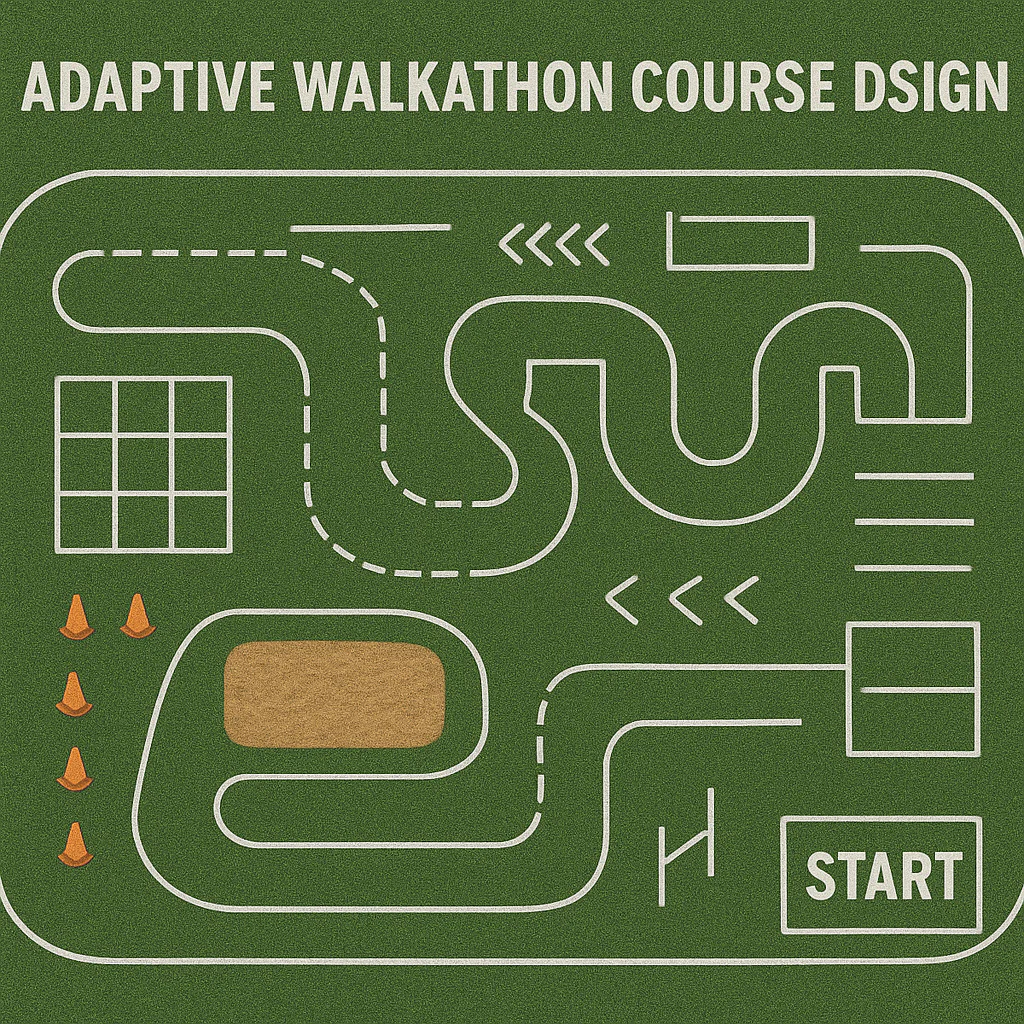
- What they did: They used a modular obstacle course inspired by the Adaptive Obstacle Course pilot in NYC. They created “Lily Pads” where participants could choose to jump, crawl, or roll.
- The Result: A 30% increase in participation from people with disabilities. The atmosphere was electric, with everyone cheering for each other’s unique methods of completion.
- Key Takeaway: Inclusivity is about shared experience, not just access.
The Cautionary Tale: The “Accessible” 10K in Chicago
This event had a ramp at the start, but the course was a disaster.
- What went wrong: The route included a 10% grade hill that was impossible for manual wheelchair users. The rest stops were too narrow for two wheelchairs to pass. The signage was only in English and too small for low-vision participants.
- The Result: Many participants had to be carried out or abandoned their race. The event received backlash on social media.
- Key Takeaway: Compliance is not enough. You need to test the course with real users.
📋 The Organizer’s Checklist: 15 Steps to a Flawless Inclusive Event
Ready to plan your own inclusive walkathon? Use this checklist to ensure you don’t miss a beat.
- Define your goals: What does “inclusive” mean for your event?
- Asemble a diverse planning committee: Include people with disabilities in the decision-making process.
- Select a venue: Ensure the location is ADA-compliant and has accessible parking.
- Map the course: Use the 10 principles above to design the route.
- Test the course: Walk (or roll) the course with participants of various abilities.
- Recruit volunteers: Hire and train volunteers on disability awareness.
- Source adaptive equipment: Rent or buy necessary gear for participants who need it.
- Design signage: Create high-contrast, Braille, and audio-friendly signs.
- Plan rest stops: Ensure they are accessible and well-stocked.
- Develop emergency protocols: Have a plan for evacuating participants with disabilities.
- Market the event: Highlight your inclusive features in your marketing materials.
- Register participants: Offer a streamlined registration process for those needing accommodations.
- Set up the day-of: Ensure all volunteers are in place and equipment is ready.
- Execute the event: Monitor the course and be ready to adapt on the fly.
- Gather feedback: Survey participants and volunteers to improve next year.
🤔 From Attendee to Advocate: How to Transform Your Community
You’ve attended an adaptive walkathon. You’ve seen the joy, the struggle, and the triumph. Now what?
Become an advocate.
- Speak Up: If you see an inaccessible venue, tell the organizers.
- Share Your Story: Post about your experience on social media. Use hashtags like #AdaptiveAthlete and #InclusiveEvents.
- Volunteer: Offer your time to help organize future events.
- Educate Others: Teach your friends and family about the importance of inclusive design.
As the Adaptive Training Academy emphasizes, the goal is to create a culture where everyone feels welcome. By becoming an advocate, you help build a world where no one is left on the sidelines.
🌍 Global Perspectives: Adaptive Walkathons Around the World
Inclusive design isn’t just a Western concept. It’s a global movement.
- Japan: Known for its Universal Design initiatives, Japan has integrated accessible walkathons into their national fitness programs, focusing on elderly and disabled participation.
- Canada: The Accessible, Adaptive, and Inclusive Outdoor Recreation framework has influenced many Canadian events, emphasizing the importance of natural environments for all abilities.
- Colombia: Educators there focus on early detection of cognitive gaps, ensuring that adaptive programs start young and grow with the child.
- Thailand: They distinguish between Universal Design (normalizing ability) and Inclusive Design (addressing specific cultural needs), creating unique event structures that respect local traditions.
These global perspectives remind us that while the challenges may differ, the goal is the same: dignity, participation, and joy for all.
💡 Quick Tips and Facts: The Nitty-Grity You Need to Know
Let’s recap the most important takeaways before we wrap up.
- ✅ Always test the course: Don’t assume it’s accessible. Walk it yourself, or better yet, get someone with a disability to test it.
- ✅ Communication is key: Use multiple channels (visual, audio, tactile) to communicate with participants.
- ✅ Flexibility is essential: Be ready to adapt your plans on the fly.
- ✅ Respect is non-negotiable: Treat every participant with dignity and respect.
- ✅ Feedback is gold: Listen to your participants and use their feedback to improve.
Remember, the goal isn’t perfection; it’s progress. Every step you take towards inclusivity makes a difference.
🏁 Conclusion: Walking Together, Moving Forward

We started this journey with a question: Can a walkathon truly be inclusive?
The answer is a resounding yes. But it requires more than just a ramp at the entrance. It demands a holistic approach that considers the physical, psychological, and sensory needs of every participant.
From the surface science of the path to the psychology of inclusion, every detail matters. By following the 10 essential principles we’ve outlined, you can create an event that not only welcomes everyone but celebrates their unique abilities.
Our Recommendation: Don’t just plan an event; plan an experience. Invest in training, test your course, and listen to your participants. The result will be a walkathon that brings your community together in a way you never thought possible.
As we’ve seen, the Adaptive Training Academy and other organizations are leading the way. But the real change happens when you take action. So, lace up your shoes (or check your tires), and let’s walk this path together.
Ready to make a difference? Check out our Community Engagement category for more ideas on how to build an inclusive community.
🔗 Recommended Links
Here are some resources to help you take the next step:
- Books:
- Universal Design: Creating Inclusive Environments on Amazon
- The Power of Inclusion on Amazon
- Organizations:
- Adaptive Training Academy
- Special Olympics
- Paralympics
- Products:
- Quickie Wheelchairs
- Invacare Power Wheelchairs
- Ottobock Prosthetics
❓ Frequently Asked Questions (FAQ)

What are the best practices for designing adaptive walkathon routes?
A: The best practices include ensuring surface stability, maintaining gentle gradients (under 5%), providing wide pathways (at least 48 inches), and incorporating sensory-friendly elements. Always test the route with participants of diverse abilities before the event.
How can inclusive course design improve participation in walkathons?
A: Inclusive design removes barriers that prevent participation. When participants feel safe, welcomed, and capable, they are more likely to sign up and return. It also fosters a sense of community and belonging, which is crucial for long-term engagement.
Read more about “🚀 7 Ways to Skyrocket Walkathon Reach with Influencers (2026)”
What accessibility features should be included in a walkathon course?
A: Essential features include accessible restrooms, clear signage (Braille, high contrast), rest areas with seating, emergency protocols for all abilities, and adaptive equipment rentals. Don’t forget quiet zones for neurodiverse participants.
How do adaptive walkathons benefit participants with disabilities?
A: Adaptive walkathons provide physical activity, social connection, and a sense of achievement. They also help break down stigma and promote inclusivity in the broader community. For many, it’s the first time they’ve felt truly included in a public event.
Read more about “🏆 25+ Epic Walkathon Ideas for Schools (2026)”
What role do volunteers play in an adaptive walkathon?
A: Volunteers are the human element of inclusivity. They provide support, guidance, and encouragement. Proper training is essential to ensure they can assist participants respectfully and effectively.
Read more about “🚶 ♀️ How Walkathons Promote Physical Activity & Wellness (2026)”
📚 Reference Links
- Adaptive Training Academy (ATA)
- Global Accessibility Awareness Day (GAD)
- Americans with Disabilities Act (ADA)
- Universal Design for Learning (UDL)
- Accessible, Adaptive, and Inclusive Outdoor Recreation – Outdoor Learning in Canada (Note: If the link is blocked, check the Wayback Machine or contact the publisher)
- Special Olympics Unified Sports
- Paralympic Movement
- Sunrise Medical (Quickie)
- Invacare
- Ottobock