
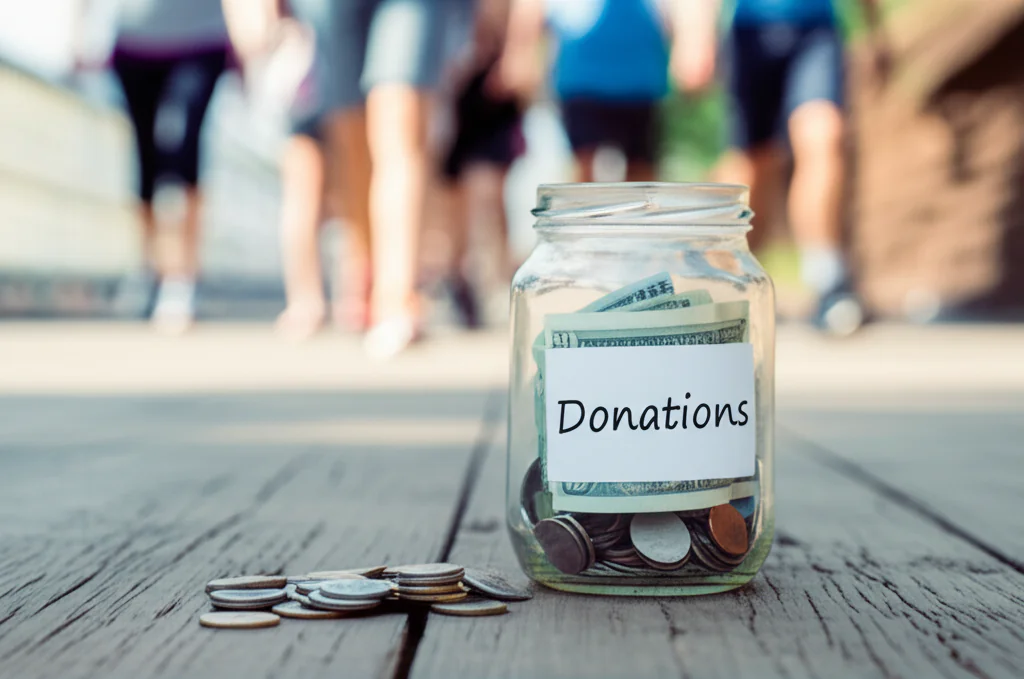
The secret to raising money for a charity walk isn’t just asking for cash; it’s building a community movement where every step tells a story and every donation feels personal. When you master the art of peer-to-peer fundraising and pair it with a compelling theme, you transform a simple walk into a financial powerhouse.
So, how do you raise money for a charity walk effectively? You start by empowering your participants to become fundraisers, leveraging social media, and creating an event so engaging that people can’t help but share it.
We once watched a small local group raise over $50,0 for a food bank by simply turning their 5K into a “Pajama Party Walk,” proving that creativity often beats budget. In fact, teams that actively solicit donations raise five times more than individuals walking alone.
Key Takeaways
- Empower Your Walkers: The most successful events turn every participant into a fundraising champion by providing easy-to-use personal donation pages.
- Diversify Your Revenue: Don’t rely solely on registration fees; combine sponsorships, merchandise sales, and peer-to-peer campaigns for maximum impact.
- Create a Narrative: People donate to stories, not statistics; craft a compelling “why” that resonates emotionally with your audience.
- Leverage Technology: Use apps like Charity Miles and platforms like GoFundMe to streamline donations and track progress in real-time.
- Build Community: Foster team spirit and friendly competition to drive engagement and boost overall fundraising totals.
Table of Contents
- ⚡️ Quick Tips and Facts
- 📜 From Paddle to Pavement: The History of the Charity Walk
- 🧠 The Master Plan: How to Organize a Successful Charity Walk
- 1. Define Your Cause and Set Realistic Fundraising Goals
- 2. Choose the Perfect Date and Scenic Route
- 3. Secure Permits, Insurance, and Safety Protocols
- 4. Recruit a Rockstar Planning Committee
- 5. Select the Best Online Fundraising Platform
- 💸 Creative Walkathon Fundraising Ideas That Actually Work
- 1. Themed Costume Walks That Go Viral
- 2. Paws for a Cause: Organizing a Dog Walkathon
- 3. Custom Charity T-Shirt Sales and Merchandise
- 4. Family-Friendly Kids’ Walk Events
- 5. Foodie Walks: Taste the Cause
- 6. Acting Out the Cause: Immersive Storytelling Walks
- 7. The “Walk of Shame” (or Pride): Themed Challenges
- 🤝 Building Your Army: Teams, Sponsors, and Volunteers
- 1. How to Create and Manage Walking Teams
- 2. Landing Corporate Sponsors for Your Event
- 3. Recruiting and Training Dedicated Volunteers
- 📣 Marketing Magic: How to Spread the Word and Boost Donations
- 1. Social Media Strategies for Walkathon Promotion
- 2. Email Campaigns That Convert Walkers into Donors
- 3. Local Press and Community Outreach Tactics
- 🛠️ Essential Fundraising Resources and Tools
- 🏆 Real-Life Success Stories: Inspiration from Top Walkathons
- ❓ Frequently Asked Questions About Charity Walk Fundraising
- 🔗 Recommended Links for Event Planners
- 📚 Reference Links and Sources
- 🏁 Conclusion: Your Step Toward Change Starts Now
⚡️ Quick Tips and Facts
Before you lace up those sneakers and start dreaming of finish-line medals, let’s hit the pause button for a quick reality check. We’ve seen too many well-meaning organizers burn out before the starting gun even fires because they skipped the basics. Here is the lowdown on what actually moves the needle when you’re asking strangers to open their wallets for a charity walk.
- The “Why” Matters More Than the “How”: People donate to stories, not statistics. A compelling narrative about a specific individual or a tangible local impact raises 3x more than a generic “support our cause” plea.
- Timing is Everything: The sweet spot for planning is 3 to 6 months out. Any less, and you’re scrambling; any more, and people forget.
- The Power of the Team: Individual walkers raise, on average, $250. Teams? They raise $50+. Why? Because peer pressure (the good kind) and friendly competition work wonders.
- Virtual is the New Normal: Don’t limit yourself to a single park. Hybrid events (in-person + virtual) can expand your donor base globally, allowing someone in Tokyo to support your local food bank.
- Permits aren’t Optional: Skipping the city permit is a fast track to getting shut down by police. Always check local regulations first.
Want to know the secret sauce behind how walkathons actually generate revenue beyond just registration fees? We’ll spill the beans on the mechanics of how do walkathons make money? later in this guide, but for now, remember: diversified income streams are your best friend.
📜 From Paddle to Pavement: The History of the Charity Walk

You might think the charity walk is a modern invention born from the era of influencer marketing, but the roots go back much deeper than your favorite fitness app. The concept of walking for a cause has evolved from ancient pilgrimage traditions to the massive, branded 5Ks we see today.
In the early 20th century, the “walkathon” was actually a form of endurance entertainment, often called “pedestrianism,” where people walked for days to win cash prizes. It was less about charity and more about spectacle. However, the shift toward philanthropy began in earnest in the 1970s.
One of the earliest recorded modern charity walks was the MS Walk in 1972, organized by the National Multiple Sclerosis Society. They realized that walking was accessible to almost everyone—unlike running, which requires a certain level of fitness. This inclusivity became the cornerstone of the movement.
“Walks don’t have to be an uphill struggle, and can take your fundraiser to the next level when executed correctly.” — GoFundMe Blog
Today, the landscape has shifted again. With the rise of apps like Charity Miles, the “walk” has become digital, continuous, and integrated into our daily commutes. But the core philosophy remains the same: community connection through shared movement. Whether it’s a 5K in a city park or a virtual mile logged on your treadmill, the goal is to turn physical effort into financial hope.
🧠 The Master Plan: How to Organize a Successful Charity Walk
So, you’ve decided to host a walkathon. Fantastic! But before you start printing t-shirts, you need a master plan. Think of this as the blueprint for your building; without it, you’re just piling bricks on the sidewalk.
1. Define Your Cause and Set Realistic Fundraising Goals
Don’t just say “we’re raising money for charity.” Be specific. Are you funding a new wing at the local hospital? Buying books for an underfunded school? Specificity creates urgency.
- Set a SMART Goal: Specific, Measurable, Achievable, Relevant, and Time-bound.
- Break it Down: If your goal is $50,0, how many walkers do you need? If the average walker raises $20, you need 250 participants.
- The “Why” Statement: Draft a one-sentence mission statement that you can use in every email, post, and flyer.
2. Choose the Perfect Date and Scenic Route
The route is the stage for your event. It needs to be safe, scenic, and accessible.
- Location Scouting: Look for parks, university campuses, or closed city streets. Avoid areas with heavy traffic or difficult terrain unless that’s the point (e.g., a “hike for a cause”).
- Date Selection: Check local calendars. You don’t want to clash with a major marathon or a local festival. Spring and Fall are usually the safest bets for weather.
- Permits: This is the boring but critical part. Contact your city’s parks department and police non-emergency line. You’ll likely need a permit for road closure, noise, and assembly.
3. Secure Permits, Insurance, and Safety Protocols
We can’t stress this enough: Insurance is non-negotiable.
- Liability Insurance: Protects you if someone trips and falls. Most venues require a certificate of insurance (COI) before granting a permit.
- Safety Team: Recruit volunteers to act as “sweepers” (the last people on the course) and first aid stations.
- Hydration Stations: Plan water stops every 1-2 miles. Dehydration is the enemy of a good walk.
4. Recruit a Rockstar Planning Committee
You cannot do this alone. You need a team that covers different skill sets:
- The Logistics Guru: Handles permits and route mapping.
- The Marketing Maven: Manages social media and press.
- The Finance Whiz: Tracks donations and budgets.
- The Volunteer Coordinator: Recruits and schedules day-of helpers.
5. Select the Best Online Fundraising Platform
This is where the magic happens. You need a platform that makes it easy for people to donate and share.
- GoFundMe Charity: Great for individual pages and team fundraising.
- Classy: Excellent for larger nonprofits with complex needs.
- JustGiving: Popular internationally and great for peer-to-peer fundraising.
- Charity Miles: Perfect for adding a digital, gamified layer to your event.
For a deep dive into the mechanics of these platforms, check out our guide on Fundraising Strategies.
💸 Creative Walkathon Fundraising Ideas That Actually Work
Let’s be honest: asking people to “just walk” isn’t enough to get them to open their wallets. You need hooks. You need themes. You need to make the event an experience they can’t resist. Here are some ideas that have proven to be fundraising goldmines.
1. Themed Costume Walks That Go Viral
Who doesn’t love a good costume party? Themed walks encourage creativity and, more importantly, social sharing.
- The Concept: Pick a theme like “Superheroes,” “Decades,” or “Movie Characters.”
- The Hook: Offer a prize for the “Best Dressed” or “Most Creative Team.”
- Safety First: Ensure costumes don’t obstruct vision or make walking difficult. No capes that drag on the ground!
2. Paws for a Cause: Organizing a Dog Walkathon
Dogs are the ultimate icebreakers. A dog walkathon attracts a different demographic and often brings in families who might not attend a standard 5K.
- Registration: Require a waiver for every dog and ask for breed/temperament info to keep groups compatible.
- Incentives: Create “goodie bags” for the dogs (bandanas, treats) and branded water bowls.
- Safety: Designate a “quiet zone” for anxious dogs and ensure the route is free of hazards like broken glass.
3. Custom Charity T-Shirt Sales and Merchandise
T-shirts are walking billboards. But don’t just sell them; make them collectible.
- Pre-Sale Model: Sell shirts before the event to gauge interest and generate early cash flow.
- Design Contest: Let the community vote on the design. It builds ownership before the event even starts.
- Merch Upgrades: Offer hoodies, tote bags, or stickers for higher donation tiers.
4. Family-Friendly Kids’ Walk Events
Kids are energetic, and parents love to support them. A “Kids’ Walk” can be a shorter, fun-filled version of the main event.
- Route: Keep it under 1 mile.
- Activities: Add face painting, balloon animals, and a “finish line” with a medal for every child.
- Fundraising: Encourage kids to make “pledge sheets” for their friends and family.
5. Foodie Walks: Taste the Cause
Combine walking with eating! This is a huge draw for foodies.
- The Concept: A “taste walk” where participants stop at local cafes or food trucks along the route.
- Sponsorship: Local restaurants can sponsor a “food stop” in exchange for branding.
- Safety: Clearly label allergens and ensure food is handled safely.
6. Acting Out the Cause: Immersive Storytelling Walks
Turn the walk into a living story. This is great for causes like historical preservation or social justice.
- The Concept: Participants stop at different stations to hear short stories or act out scenes related to the cause.
- Impact: This creates a deeper emotional connection than just walking in silence.
7. The “Walk of Shame” (or Pride): Themed Challenges
Sometimes, a little embarrassment raises the most money.
- The Concept: Participants walk in their underwear (like the Cupid’s Undie Run) or wear silly hats.
- The Rule: The sillier the outfit, the more they raise.
- Caution: Ensure theme aligns with the seriousness of the cause. Don’t make light of a tragedy, but don’t be afraid to have fun with awareness.
🤝 Building Your Army: Teams, Sponsors, and Volunteers
You have the plan and the ideas, but you need the people. A charity walk is a team sport, and your success depends on how well you mobilize your army.
1. How to Create and Manage Walking Teams
Teams are the engine of fundraising. They create accountability and friendly competition.
- Team Formation: Allow people to form teams of 5-10.
- Leaderboards: Use your fundraising platform to display a live leaderboard. Who is raising the most?
- Incentives: Offer prizes for the “Top Fundraising Team,” “Largest Team,” or “Most Creative Team Name.”
- Communication: Create a private Facebook group or WhatsApp chat for team captains to share tips and motivation.
2. Landing Corporate Sponsors for Your Event
Local businesses love community visibility. They aren’t just writing checks; they are investing in brand reputation.
- Sponsorship Tiers: Create clear packages (e.g., Gold, Silver, Bronze) with specific benefits like logo placement on shirts, banners at the finish line, or speaking opportunities.
- In-Kind Donations: Ask for goods instead of cash. A local bakery can provide water and snacks; a print shop can make your flyers.
- Matching Gifts: Approach companies to match employee donations dollar-for-dollar. This doubles the impact and is a huge motivator for donors.
3. Recruiting and Training Dedicated Volunteers
Volunteers are the backbone of your event. Treat them like royalty.
- Roles: Assign specific roles: Registration, Water Station, Course Marshals, First Aid, Cleanup Crew.
- Training: Hold a brief training session (or send a detailed guide) a week before the event.
- Appreciation: Provide free t-shirts, meals, and a heartfelt thank-you speech at the end. A happy volunteer is a volunteer who comes back next year.
For more on building community, read our article on Community Engagement.
📣 Marketing Magic: How to Spread the Word and Boost Donations
You can have the best event in the world, but if no one knows about it, it’s a ghost town. Marketing is about storytelling and consistency.
1. Social Media Strategies for Walkathon Promotion
Social media is your megaphone.
- Content Calendar: Post consistently. Start with the “Save the Date,” move to “Meet the Team,” then “Registration Open,” and finally “Countdown.”
- User-Generated Content: Encourage participants to post their training photos with a specific hashtag. Repost them!
- Video: Short, engaging videos of the route, the cause, or testimonials from beneficiaries work best.
2. Email Campaigns That Convert Walkers into Donors
Email is still the highest converting channel for fundraising.
- Segmentation: Send different emails to potential walkers, past donors, and corporate sponsors.
- Storytelling: Don’t just ask for money. Tell a story about why the money matters.
- Call to Action (CTA): Make the “Donate” button big, bold, and impossible to miss.
3. Local Press and Community Outreach Tactics
Don’t ignore the old-school methods.
- Press Releases: Send a press release to local newspapers, radio stations, and TV news. Focus on the human interest angle.
- Community Boards: Post flyers at libraries, gyms, coffee shops, and community centers.
- Partnerships: Partner with local schools, churches, and clubs to spread the word through their networks.
🛠️ Essential Fundraising Resources and Tools
You don’t need to reinvent the wheel. There are tools out there designed to make your life easier.
- Fundraising Platforms: GoFundMe, Classy, JustGiving, Givebutter.
- Event Management: Eventbrite (for registration), SignUpGenius (for volunteers).
- Design Tools: Canva (for flyers and social media graphics).
- Communication: Mailchimp (for email campaigns), Slack (for team coordination).
- Tracking: Charity Miles app (for digital fundraising), Strava (for tracking routes).
🏆 Real-Life Success Stories: Inspiration from Top Walkathons
Need a spark? Let’s look at some real-world examples that crushed it.
- Water 1st Carry 5 Walk For Water: Participants carry a gallon of water for 5 kilometers. This simple act simulates the daily struggle of millions of women and children who walk hours for water. It’s a powerful, immersive experience that drives donations through empathy.
- Cupid’s Undie Run: Participants run in their underwear to raise funds for neurofibromatosis. The sheer novelty and fun factor make it a viral sensation, proving that humor can be a powerful fundraising tool.
- YMCA Turkey Trot: A historic event since 1896 where participants donate canned food. It shows that tradition and community can sustain an event for over a century.
As noted in a popular video on organizing charity walks, “People give more when they feel connected.” These events succeed because they create a community moment, not just a transaction.
❓ Frequently Asked Questions About Charity Walk Fundraising
How does participating in a charity walk benefit the community?
Charity walks do more than raise money; they raise awareness. They bring people together, foster a sense of belonging, and highlight local issues. They also encourage physical activity, which improves public health.
What are the best platforms to raise money for walkathons?
The best platform depends on your needs. GoFundMe is great for ease of use and peer-to-peer fundraising. Classy is ideal for larger nonprofits. JustGiving is excellent for international reach. Charity Miles is perfect for adding a digital, gamified element.
How can I motivate others to donate for a charity walk?
Tell a compelling story. Show the impact of the donation. Use social proof by sharing updates on how much has been raised. Offer incentives like t-shirts or medals. Make it easy to donate with a single click.
What are effective fundraising strategies for charity walks?
- Peer-to-peer fundraising: Encourage participants to create their own pages.
- Team challenges: Foster friendly competition.
- Corporate matching: Double the impact of donations.
- Themed events: Make the walk fun and shareable.
- Virtual options: Expand your reach beyond the local area.
How do charity walkathons benefit the community and participants?
Participants get a sense of purpose and physical exercise. The community gets funding for important causes and a stronger social fabric. It’s a win-win.
What are some creative ideas to increase donations for a charity walk?
- Costume contests
- Dog walks
- Food-themed stops
- Imersive storytelling
- Matching gift challenges
How can I motivate participants to raise more money for a walkathon?
Set clear goals and provide regular updates. Recognize top fundraisers publicly. Offer rewards for hitting milestones. Create a supportive team environment.
What are effective fundraising strategies for charity walkathons?
Focus on diversifying your income streams. Don’t rely solely on registration fees. Combine ticket sales, merchandise, sponsorships, and peer-to-peer fundraising.
What are the best platforms to use for fundraising in charity walks?
See the answer above. The “best” platform is the one that fits your specific event size and goals.
How can participants maximize donations for a walkathon?
Create a personal story on their fundraising page. Share it on all social media channels. Ask friends and family directly. Update supporters regularly.
What are effective strategies to promote a charity walk event?
Use a mix of online and offline tactics. Social media, email, local press, flyers, and partnerships with local businesses.
What are the best ways to engage sponsors for a walkathon?
Offer clear value. Show them how their logo will be seen. Provide data on your audience. Make the sponsorship process easy.
How can I promote a charity walk to raise more money?
Start early. Build hype. Share behind-the-scenes content. Highlight the cause. Make it easy to register and donate.
How do walkathons support local communities and causes?
They provide direct funding to local organizations. They raise awareness about local issues. They bring people together to solve problems.
What are the benefits of participating in a charity walk?
Physical health, mental well-being, community connection, and the satisfaction of making a difference.
How can I motivate friends and family to donate for a walkathon?
Ask them personally. Explain why the cause matters to you. Make it easy to donate. Thank them profusely.
What are effective strategies for fundraising during a charity walk?
Have donation stations along the route. Use QR codes for mobile donations. Encourage on-the-spot pledges.
How do charity walks benefit the community and participants?
They build social capital, improve public health, and fund critical services.
What are the best ways to promote a charity walk event?
Leverage influencers, local media, and community partners. Use video content to tell your story.
How can I motivate others to donate for a walkathon?
Focus on the emotional connection. Show the impact of their donation. Make it fun and easy.
What are effective fundraising ideas for charity walks?
Themed walks, merchandise sales, corporate challenges, and virtual participation options.
How can social media be used to promote and raise money for a charity walk or run?
Share stories, videos, and updates. Use hashtags. Encourage user-generated content. Run contests.
What are the most effective strategies for asking friends and family for donations for a charity walk?
Be personal. Be specific. Be grateful. Don’t be afraid to ask.
How can I set up an online fundraising page for a walkathon?
Choose a platform, create a page, add a compelling story, set a goal, and share the link.
How to raise money for a sponsored walk?
Get sponsors to pledge a certain amount per mile. Track your miles. Collect the pledges.
How do people raise money for charity?
Through direct donations, fundraising events, peer-to-peer campaigns, corporate sponsorships, and online platforms.
🔗 Recommended Links for Event Planners
Ready to get started? Here are some tools and resources to help you on your journey.
- Fundraising Platforms:
GoFundMe Charity: GoFundMe Charity
Classy: Classy
JustGiving: JustGiving - Event Management:
Eventbrite: Eventbrite
SignUpGenius: SignUpGenius - Design Tools:
Canva: Canva - Books on Fundraising:
The Art of Fundraising by Amazon
Fundraising for Dummies by Amazon
📚 Reference Links and Sources
- GoFundMe Blog: How to Organize a Charity Walk
- Charity Miles: Charity Miles Website
- Charity Miles App Store: Charity Miles – App Store – Apple
- Internal Resources:
- Health Benefits of Walking
- Fundraising Strategies
- Community Engagement
- Kids Walkathons
- Event Registration Tips
- How do walkathons make money?