
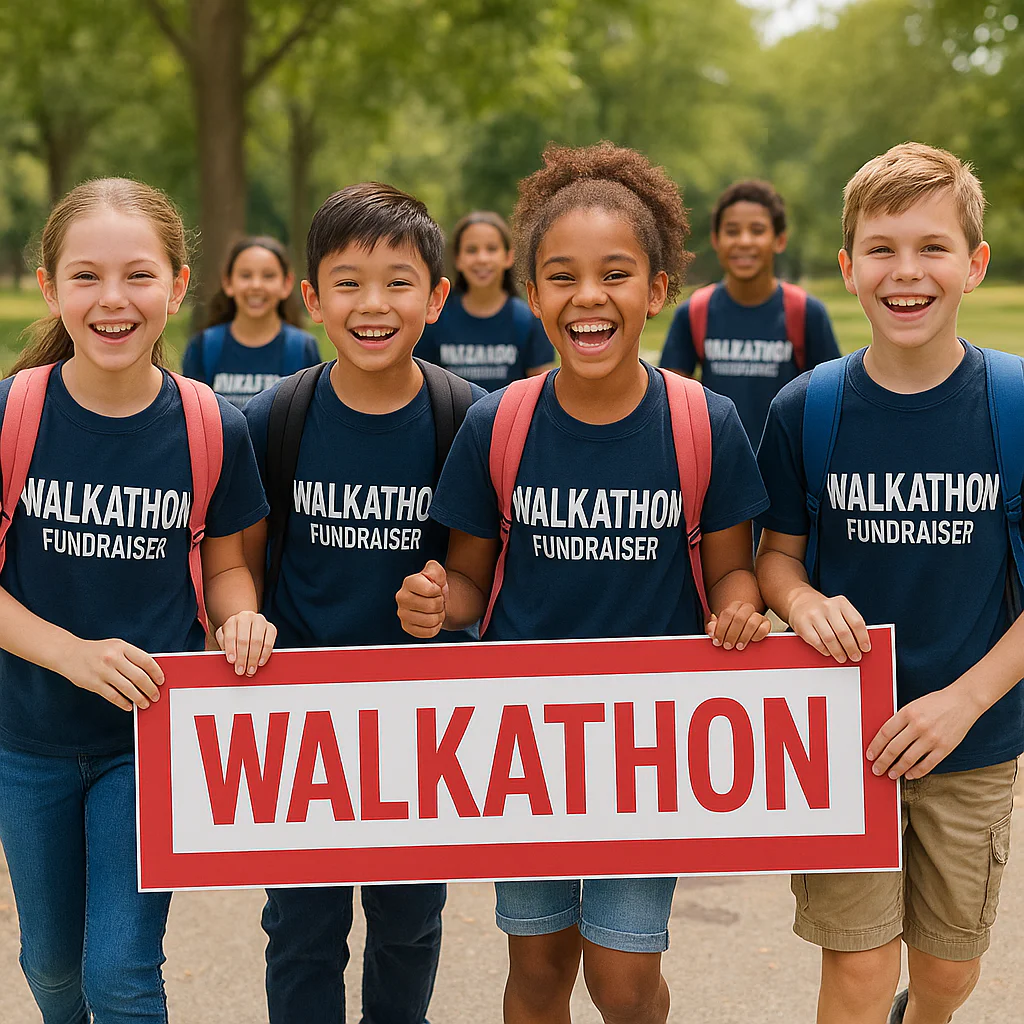
Remember the crinkly paper pledge sheets that vanished into the abyss of a backpack, or the awkward silence when a parent promised $5 per lap but forgot the cash? Those days are officially over. At Walkathon Benefits™, we’ve seen schools transform from struggling PTOs into fundraising powerhouses simply by swapping outdated methods for a modern, digital-first strategy. A well-executed school walk-a-thon isn’t just about logging miles; it’s a community-building phenomenon that can raise 85-95% of funds raised directly to your school, leaving almost zero overhead for candy bar leftovers or catalog headaches.
But here is the secret that most “how-to” guides miss: the theme is just the hook, but the strategy is the engine. While other articles might list 15 cute ideas, we are diving deep into the 12-step master plan that turns a simple lap around the track into a six-figure event. From selecting the perfect peer-to-peer platform that automates your donor tracking to designing safety protocols that let parents breathe easy, we cover every angle. We’ll even reveal the specific incentives that get even the most reluctant students excited to fundraise, and how to secure local business sponsors who actually want to partner with you.
Ready to stop guessing and start smashing your goals? Whether you are a seasoned PTO veteran or a first-time organizer, this guide is your blueprint for a safe, fun, and wildly profitable event.
Key Takeaways
-
Maximize Revenue: Modern digital platforms can increase fundraising totals by 30-50% compared to traditional paper pledges by removing payment friction.
-
Health Mets Wealth: Beyond the money, walk-a-thons boost academic performance and classroom behavior by promoting physical activity.
-
Zero Inventory Risk: Unlike product-based fundraisers, walk-a-thons have no upfront costs for goods, ensuring a high profit margin.
-
Community Power: Engaging local businesses for sponsorships and matching gifts can double your event’s revenue instantly.
-
Safety First: A successful event relies on a robust safety plan, including medical volunteers, hydration stations, and clear weather protocols.
-
Recommended Tools:
👉 Shop Fundraising Platforms: DoJigy | Spotfund | PledgeStar
👉 Shop Event Supplies: Custom T-Shirts | Glow Sticks | Water Stations
Table of Contents
- ⚡️ Quick Tips and Facts
- 📜 The Evolution of the School Walk-a-thon: From PTA Pledges to Peer-to-Peer Powerhouses
- 🎯 Why Schools, PTOs, and Parents Love the Classic Walk-a-thon
- 📊 How Much Money Can a School Walk-a-thon Actually Raise?
- 🚀 The Ultimate 12-Step Guide to Organizing a School Walk-a-thon That Doesn’t Suck
- 1. Assemble Your Dream Team of Walk-a-thon Superheroes
- 2. Set Realistic Financial Goals and Logistics That Won’t Break the Bank
- 3. Choose a Peer-to-Peer Fundraising Platform That Actually Works
- 4. Design Iresistible Walk-a-thon Themes That Get Kids Excited
- 5. Craft a Killer Sponsorship Strategy for Local Businesses
- 6. Create Student Fundraising Pages and Digital Thermometers
- 7. Recruit and Manage Volunteers Like a Pro
- 8. Plan the Perfect Route and Safety Protocols
- 9. Market Your Event to Parents, Alumni, and the Community
- 10. Secure Prizes and Incentives That Motivate Every Age Group
- 1. Execute a Flawless Event Day Plan
- 12. Follow Up, Thank Donors, and Celebrate Your Wins
- 🗓️ The Master Timeline: Months, Weeks, and Days to Walk-a-thon Success
- 🗓️ 3-6 Months Before: The Foundation Phase
- 🗓️ 1-2 Months Before: The Hype Phase
- 🗓️ 2 Weeks Before: The Final Countdown
- 🗓️ Event Day: Show Time!
- 🗓️ Post-Event: The Afterglow and Analysis
- 🎨 25+ Creative School Walk-a-thon Themes to Spark Joy and Fundraising
- 🏆 Best Prizes and Incentives to Boost Student Participation
- 🛡️ Safety First: Essential Risk Management for School Fun Runs
- 💻 Digital Fundraising Tools: Why Paper Pledges Are So Last Century
- 🔄 Fun Run Alternatives: When a Walk-a-thon Isn’t the Right Fit
- ❓ Frequently Asked Questions About School Walk-a-thons
- 📚 More Walkathon and School Fundraising Resources
- ✅ Conclusion
- 🔗 Recommended Links
- 📖 Reference Links
⚡️ Quick Tips and Facts
Before we lace up our sneakers and dive into the nitty-gritty of organizing a school walk-a-thon, let’s hit the ground running with some high-impact facts that every PTO, PTA, and enthusiastic parent needs to know. Did you know that a well-executed walk-a-thon can raise more money than a year’s worth of candy bar sales, with a fraction of the headache? 🍫🚫
Here is the lowdown on why this event is the gold standard of school fundraising:
| Fact Category | The Scop | Why It Matters |
|---|---|---|
| Profit Margin | Schools typically keep 85-95% of funds raised. | Unlike catalog sales where you might keep 40%, walk-a-thons have almost zero overhead. |
| Health Impact | Regular walking improves academic performance and behavior. | You’re not just raising money; you’re boosting grades and focus! CDC |
| Community Reach | Engages 10% of the school community, including grandparents and local businesses. | It’s a unifying event that builds school spirit like nothing else. |
| Fundraising Potential | Elementary schools often raise $5,0 to $25,0+. | With the right strategy, the sky is the limit. |
| Time Commitment | The actual event lasts 45 mins to 2 hours. | Minimal disruption to the school day, maximum impact. |
Pro Tip: If you are looking for more inspiration on how to maximize your returns, check out our deep dive into 12 Proven Walk-a-Thon School Fundraiser Ideas That Actually Work (2026). We break down exactly how to turn a simple lap around the track into a financial powerhouse.
But here is the million-dollar question: How do you organize an event that doesn’t feel like a chore for the volunteers and actually gets kids excited to walk? The secret lies in the details, and we are about to spill them all.
📜 The Evolution of the School Walk-a-thon: From PTA Pledges to Peer-to-Peer Powerhouses
Remember the days of the “Pledge Sheet”? You know, the crinkly paper that got lost in a backpack, the pencil smudges that made the numbers illegible, and the mom who promised $5 per lap but forgot to bring the cash? 😩 We do.
The school walk-a-thon has come a long way since the 1970s. Originally, these events were simple community gatherings focused on physical activity and charity. The mechanics were basic: walk a few laps, collect cash pledges, and hope the math worked out.
The Digital Revolution:
Fast forward today, and the landscape has shifted dramatically. The introduction of Peer-to-Peer (P2P) fundraising software has transformed the walk-a-thon from a local event into a global fundraising machine.
- Then: Paper pledge sheets, manual tracking, and “I’ll mail you the check” promises.
- Now: Real-time leaderboards, digital thermometers, and instant credit card processing.
According to industry leaders like DoJigy and Spotfund, the shift to digital platforms has increased average fundraising totals by 30-50% because it removes the friction of payment. When a donor can click “Donate” from their couch, they are far more likely to follow through than when they have to write a check and find a stamp.
“School Fun Runs and walkathons are the perfect school fundraiser!” — DoJigy
This evolution isn’t just about money; it’s about engagement. Modern platforms allow students to create their own fundraising pages, share them on social media, and watch their progress in real-time. It turns fundraising into a game, and kids love games. 🎮
🎯 Why Schools, PTOs, and Parents Love the Classic Walk-a-thon
Why does the walk-a-thon remain the king of school fundraisers after decades of competition? It’s not just nostalgia. It’s the trifecta of Health, Community, and Profit.
1. The Health & Wellness Win 🏃 ♀️
In an era where screen time is the enemy, the walk-a-thon is a prescription for movement. The CDC highlights that physical activity improves cognitive function, memory, and classroom behavior. By organizing a walk-a-thon, you are directly contributing to your students’ academic success. It’s a win-win: the school gets funds, and the kids get a workout.
2. The Community Builder 🤝
Unlike a bake sale where you stand behind a table and wait for customers, a walk-a-thon is an event. Parents, grandparents, teachers, and local business owners all converge on the school track. It’s a chance to see the school in a new light, meet neighbors, and feel a sense of shared purpose. As noted in our Community Engagement category, these events foster a spirit of collaboration that lasts all year.
3. The Financial Efficiency 💰
Let’s be real: selling cookie dough is hard. You have to track inventory, collect money, and deal with unsold boxes. A walk-a-thon has zero inventory. You don’t buy anything to sell. You sell participation and support. The overhead is minimal (maybe some water and a few t-shirts), meaning the profit margin is incredibly high.
But wait, is it really that easy?
Not quite. The difference between a chaotic, low-revenue event and a smooth, record-breaking one lies in the planning. And that brings us to the big question: How much money can you actually expect to raise?
📊 How Much Money Can a School Walk-a-thon Actually Raise?
This is the question every PTO president asks in the quiet of the night. The answer? It depends on your hustle.
While some schools scrape by with $2,0, others shatter records with over $10,0. Let’s look at the data from real-world examples using platforms like DoJigy:
- Montclair Elementary: Raised $218,836 🤯
- Liberty Bible Academy: Raised $106,974
- Rutland Elementary School: Raised $105,605
- St. Thomas More Catholic School: Raised $85,815
The Math Behind the Magic:
The average elementary school with 40 students can typically raise between $5,0 and $25,0. How?
- Participation Rate: If 80% of students participate (320 kids).
- Average Pledge: If each student raises an average of $50 (a very achievable goal with flat donations).
- Total: 320 x $50 = $16,0.
Factors that Influence Revenue:
- Flat vs. Per-Lap Pledges: Flat donations (e.g., “$25 for my child to walk”) often yield higher totals than per-lap pledges because they are easier for donors to commit to.
- Corporate Matching: A local business matching donations can double your revenue instantly.
- Theme and Hype: A fun theme (like a Glow Run) attracts more participants and donors.
- Digital Tools: Using a platform like Spotfund or DoJigy makes it easier for distant relatives to donate, expanding your donor base beyond just the immediate family.
The Verdict: With the right strategy, a walk-a-thon is the most scalable fundraising event a school can host. But to hit those six-figure numbers, you need a plan that is tighter than a new pair of running shoes.
🚀 The Ultimate 12-Step Guide to Organizing a School Walk-a-thon That Doesn’t Suck
Ready to turn your school track into a money-making machine? Follow this comprehensive 12-step guide designed by the health professionals and event experts at Walkathon Benefits™. We’ve seen it all, from the “rainy day cancellations” to the “volunteer no-shows,” and we’ve distilled the best practices into this actionable roadmap.
1. Assemble Your Dream Team of Walk-a-thon Superheroes 🦸 ♀️
You cannot do this alone. You need a Leadership Team with diverse skills.
- The Project Manager: Keeps the timeline on track.
- The Marketing Guru: Handles social media, flyers, and emails.
- The Logistics Chief: Plans the route, safety, and volunteers.
- The Tech Wizard: Manages the online fundraising platform.
- The Sponsorship Liaison: Chases local businesses for cash and in-kind donations.
Tip: Recruit teachers, energetic parents, and even high school students. A diverse team brings diverse ideas!
2. Set Realistic Financial Goals and Logistics That Won’t Break the Bank 🎯
Before you sell a single t-shirt, know your numbers.
- Financial Goal: How much do you need? (e.g., $15,0 for new playground equipment).
- Logistics: Where will it be? (School track is best). When? (A Saturday morning in spring is classic).
- Budget: Estimate costs for water, first aid, t-shirts, and prizes. Aim to keep costs under 10% of your fundraising goal.
3. Choose a Peer-to-Peer Fundraising Platform That Actually Works 💻
This is the engine of your event. Ditch the paper pledge sheets.
- Why? It automates tracking, processes payments instantly, and allows for social sharing.
- Top Picks:
DoJigy: Known for its user-friendly interface and “free” P2P software for schools.
Spotfund: Offers high-touch support and team-based fundraising features.
PledgeStar: Great for simple, flat-donation models.
👉 CHECK PRICE on:
- DoJigy: DoJigy School Fundraising Software
- Spotfund: Spotfund Fundraising Platform
- PledgeStar: PledgeStar Walk-a-thon Solutions
4. Design Iresistible Walk-a-thon Themes That Get Kids Excited 🎨
A theme transforms a “walk” into an “event.” It gives kids a reason to dress up and parents a reason to take photos.
- Popular Themes:
Glow-in-the-Dark: Neon shirts, glow sticks, and blacklights.
Pajama Party: Zero-cost costumes (just wear PJs!).
Superhero Sprint: Capes and masks galore.
Color Run: Safe, non-toxic cornstarch powder at checkpoints.
Decades Dash: 70s, 80s, or 90s outfits.
For more theme ideas, check out our Kids Walkathons category.
5. Craft a Killer Sponsorship Strategy for Local Businesses 🏢
Don’t just ask for money; ask for partnerships.
- Tiered Sponsorships:
Gold ($50+): Logo on t-shirts, banner at the finish line.
Silver ($250): Logo on website, mention in newsletter.
Bronze ($10): Name listed on the event page. - In-Kind Donations: Ask for water, snacks, or prizes instead of cash. This reduces your overhead.
6. Create Student Fundraising Pages and Digital Thermometers 📈
Once your platform is set, get every student a page.
- Personalize: “Help [Student Name] walk for [School Name]!”
- Share: Send a template email to parents to share with grandparents, aunts, uncles, and neighbors.
- Track: Use the platform’s leaderboard to show progress. Seeing thermometer fill up is addictive!
7. Recruit and Manage Volunteers Like a Pro 🤝
Volunteers are the lifeblood of your event.
- Roles Needed:
Lap Counters: Crucial for tracking distance (if using per-lap pledges).
Water Station Attendants: Keep everyone hydrated.
Safety Marshals: Ensure no one wanders off.
Check-in Crew: Greet participants and hand out bibs. - Tip: Use a sign-up tool like SignUpGenius to manage shifts. Offer a volunteer t-shirt as a thank you!
8. Plan the Perfect Route and Safety Protocols 🛡️
Safety is non-negotiable.
- Route: A standard 1/4-mile track is ideal. If using a field, mark the path clearly with cones.
- Medical: Have a first aid kit and a designated medical volunteer (nurse or EMT).
- Weather: Have a rain date or an indoor plan (e.g., walking the hallways).
- Permissions: Check with the school administration and local municipality if you need permits.
9. Market Your Event to Parents, Alumni, and the Community 📣
Start early!
- Email Blasts: Send updates monthly, then weekly.
- Social Media: Post countdowns, theme reveals, and fundraising leaderboards.
- School Assembly: Get the principal to announce it.
- Local Press: Send a press release to local newspapers about the cause.
10. Secure Prizes and Incentives That Motivate Every Age Group 🏆
Kids need motivation.
- Participation: Wristbands or stickers for everyone who registers.
- Milestone: Free t-shirts for raising $25.
- Top Fundraisers: Gift cards, “Principal for a Day,” or a pizza party for the top classroom.
- Fun Prizes: “Pie the Teacher” is a classic crowd-pleaser!
1. Execute a Flawless Event Day Plan 🎉
The day of the event is showtime!
- Setup: Arrive 2 hours early. Set up tents, water stations, and the sound system.
- Welcome: Start with an energetic announcement and a warm-up.
- The Walk: Keep the energy high with music and cheer squads.
- Finish Line: Celebrate every child! Hand out medals or certificates.
12. Follow Up, Thank Donors, and Celebrate Your Wins 🎊
The event isn’t over when the last kid crosses the line.
- Thank You: Send personalized emails to donors and sponsors within 48 hours.
- Impact: Show the community what the money will buy (e.g., “You bought 50 new books!”).
- Debrief: Hold a meeting with your team to discuss what worked and what didn’t.
🗓️ The Master Timeline: Months, Weeks, and Days to Walk-a-thon Success
Time management is the difference between a chaotic mess and a smooth operation. Here is your countdown to success.
🗓️ 3-6 Months Before: The Foundation Phase
- Asemble Team: Recruit your leadership team.
- Set Date: Check the school calendar to avoid conflicts with standardized tests or holidays.
- Choose Platform: Sign up for DoJigy or Spotfund.
- Select Theme: Brainstorm and vote on a theme.
- Secure Permits: Apply for any necessary insurance or city permits.
🗓️ 1-2 Months Before: The Hype Phase
- Launch Website: Go live with the fundraising pages.
- Sponsorship Drive: Contact local businesses for cash and in-kind donations.
- Promote: Send the first email blast to parents.
- Order Swag: Order t-shirts, medals, and water bottles.
🗓️ 2 Weeks Before: The Final Countdown
- Volunteer Shifts: Confirm all volunteer roles.
- Final Push: Send reminders to parents to collect pledges.
- Check Supplies: Verify you have enough water, first aid kits, and cones.
- Weather Watch: Monitor the forecast and activate the rain plan if needed.
🗓️ Event Day: Show Time!
- Setup: Arrive early.
- Welcome: Kick off with energy.
- The Walk: Manage the flow and keep spirits high.
- Celebrate: Finish line festivities.
🗓️ Post-Event: The Afterglow and Analysis
- Thank You: Send thank you notes.
- Financials: Reconcile funds and report to the school.
- Debrief: What went well? What can be improved next year?
🎨 25+ Creative School Walk-a-thon Themes to Spark Joy and Fundraising
A theme is the soul of your event. It gives participants a reason to dress up, take photos, and share on social media. Here are 25+ themes to inspire you, ranging from low-cost to high-energy.
- Glow-in-the-Dark Run: Neon shirts, glow sticks, and blacklights. Perfect for evening events.
- Pajama Party: Zero-cost costumes. Everyone wears PJs and slippers.
- Superhero Sprint: Capes, masks, and “powers” (super speed).
- Color Run: Safe, non-toxic cornstarch powder at checkpoints.
- Decades Dash: 70s disco, 80s neon, or 90s grunge.
- Mascot March: Wear school spirit gear.
- Bubble Walk: Large bubble machines along the route.
- Foam Fun Run: Foam cannons at the finish line.
- Crazy Hat/Wacky Hair: Competition for the wildest headwear.
- Ninja Warrior Obstacle Course: Add hula hoops and balance beams.
- Water Splash Walk: Sprinklers and water guns for hot days.
- Scavenger Hunt Trek: Find hidden items along the path.
- Tedy Bear Trek: Bring a stuffed animal (great for little ones).
- Storybook Walk: Pages of a book placed every 50 yards.
- Earth Day Nature Walk: Litter pickup with gloves and bags.
- Walk Around the World: Checkpoints representing different countries.
- Disney Character Walk: Dress as favorite characters.
- Halloween Costume Walk: Spooky themes and costume contests.
- Zombie Lurch: “Thriller” dance and zombie makeup.
- Walk for a Cure: Pink ribons for breast cancer awareness.
- Dog Walk: Pet-friendly event (check school policy).
- Turkey Trot: Held around Thanksgiving.
- Santa/Holiday Walk: Holiday sweaters and Santa suits.
- Sports Day: Team jerseys and sports-themed activities.
- Space Walk: Astronaut costumes and “moon” landing.
Pro Tip: Let the students vote on theme! It increases buy-in and excitement.
🏆 Best Prizes and Incentives to Boost Student Participation
Why should a student care about raising money? Prizes! But not just any prizes—prizes that matter to kids.
Low-Cost/No-Cost Prizes (High Impact)
- Principal for a Day: Shadow the principal for an hour.
- VIP Lunch Table: Eat lunch with the principal and teachers.
- Extra Recess: The ultimate currency for elementary students.
- Dress-Down Day: Wear pajamas or costumes to school.
- Homework Pass: Skip one homework assignment.
Sourced Prizes (Ask Local Businesses)
- Gift Cards: To local pizza places, movie theaters, or ice cream shops.
- Trophies/Medals: For top fundraisers.
- Event Tickets: To local sports teams or theaters.
Classroom Incentives
- Pizza Party: For the classroom that raises the most.
- Movie Afternoon: A special movie screening.
- Field Trip: A trip to a local park or museum.
Remember: The best prizes are often the ones that create memories, not just stuff.
🛡️ Safety First: Essential Risk Management for School Fun Runs
Safety is the top priority. One accident can ruin the event and the school’s reputation.
Key Safety Protocols
- Medical Support: Have a certified first aid responder on site. Keep a fully stocked first aid kit.
- Hydration: Provide water stations every 1/4 mile. Encourage kids to drink before, during, and after.
- Route Security: Use cones and volunteers to block off the route. Ensure no cars can enter.
- Weather Plan: Have a clear plan for rain, extreme heat, or lightning.
- Allergy Awareness: Be aware of students with asthma or other conditions. Have inhalers available if needed.
- Volunteer Training: Brief all volunteers on safety procedures and emergency protocols.
Did you know? According to the CDC, proper hydration and warm-up exercises can significantly reduce the risk of injury during physical activities.
💻 Digital Fundraising Tools: Why Paper Pledges Are So Last Century
Let’s be honest: Paper pledge sheets are a nightmare. They get lost, the math is wrong, and collecting the money is a pain.
The Digital Advantage
- Real-Time Tracking: See who has donated and who hasn’t instantly.
- Social Sharing: Students can share their page on Facebook, Instagram, and email with one click.
- Instant Payments: Credit cards are processed immediately, so the money is in the bank faster.
- Reduced Admin: No need to manually enter data or chase down checks.
Top Platforms:
- DoJigy: Offers a free P2P platform for schools with features like digital thermometers and leaderboards.
- Spotfund: Provides team-based fundraising and high-touch support.
- PledgeStar: Simple and effective for flat-donation models.
👉 CHECK PRICE on:
- DoJigy: DoJigy School Fundraising Software
- Spotfund: Spotfund Fundraising Platform
- PledgeStar: PledgeStar Walk-a-thon Solutions
🔄 Fun Run Alternatives: When a Walk-a-thon Isn’t the Right Fit
Sometimes, a walk-a-thon isn’t the best fit. Maybe the weather is too unpredictable, or the school doesn’t have a track. Here are some alternatives to consider:
- Read-a-thon: Students get pledges for pages read. Great for rainy days.
- Dance-a-thon: Pledges based on time danced. High energy!
- Bike-a-thon: Similar to a walk-a-thon but on bikes.
- Service-a-thon: Students get pledges for hours of community service.
- Obstacle Course Fundraiser: Charge an entry fee for a fun obstacle course.
Tip: You can even combine these! A “Read-a-thon” followed by a “Walk-a-thon” can maximize engagement.
❓ Frequently Asked Questions About School Walk-a-thons
How can parents and teachers support a school walkathon and encourage student participation?
Parents can support by creating a fundraising page for their child, sharing it with family and friends, and attending the event to cheer. Teachers can integrate the event into the curriculum, discussing the cause and the importance of philanthropy. Event Registration Tips suggest sending clear instructions and templates to make it easy for parents to get started.
What are the benefits of participating in a school walkathon for students?
Participating in a walk-a-thon offers physical health benefits (cardiovascular fitness, strength) and mental health benefits (stress relief, confidence). It also teaches financial literacy and community service. As noted in our Health Benefits of Walking category, regular walking improves focus and academic performance.
How can I organize a successful school walkathon event?
Success comes from planning. Follow our 12-step guide: assemble a team, set goals, choose a platform, pick a theme, and market effectively. Use digital tools to streamline the process and engage the community.
What is a school walkathon and how does it work?
A school walk-a-thon is a peer-to-peer fundraising event where students walk a designated course to raise money. Participants collect pledges from friends and family, either as a flat donation or per lap. The funds go directly to the school.
How do you plan a school walkathon fundraiser?
Start 3-6 months in advance. Form a committee, set a date, choose a theme, and select a fundraising platform. Promote the event early and secure sponsors.
How do you organize a walkathon at school?
Coordinate with the school administration for permits and logistics. Recruit volunteers, plan the route, and ensure safety measures are in place. Use a platform like DoJigy to manage registrations and donations.
How does walk-a-thon work?
Students register, create a fundraising page, and share it. Donors contribute online. On event day, students walk the course, and the school collects the funds.
How do you organize a fundraising walk?
Focus on engagement. Use themes, prizes, and social media to get people excited. Ensure the event is fun and safe for all ages.
How do you host a successful walk-a-thon?
Communication is key. Keep parents and students informed. Celebrate milestones and thank everyone involved. Post-event, share the impact of the funds raised.
What is the point of a walk-a-thon?
The point is to raise funds for the school while promoting health and community. It’s a low-cost, high-impact way to support education.
How much money can a school walkathon raise?
It varies, but schools typically raise between $5,0 and $25,0. With a large student body and strong community support, some schools raise over $10,0.
What are the best safety measures for a school walkathon?
Have a medical volunteer, provide water, secure the route, and have a weather plan. Ensure all volunteers are trained on safety protocols.
How do you promote a school walkathon effectively?
Use social media, email blasts, school assemblies, and local press. Create compelling marketing materials and share success stories.
What are the physical and mental benefits of participating in a walkathon?
Physical benefits include improved cardiovascular health and strength. Mental benefits include stress reduction, confidence building, and a sense of accomplishment.
✅ Conclusion

Organizing a school walk-a-thon is more than just a fundraiser; it’s a celebration of community, health, and hope. From the initial planning stages to the final high-fives at the finish line, every step of the process builds connections and creates memories that last a lifetime.
The Verdict:
- Positives: High profit margins, promotes health, builds community, low overhead, scalable.
- Negatives: Requires significant planning, weather-dependent, needs volunteer coordination.
- Recommendation: Absolutely do it! With the right tools (like DoJigy or Spotfund) and a solid plan, a walk-a-thon is the most effective way to raise funds for your school.
Don’t let the fear of complexity hold you back. Start small, use the resources available, and watch your school community come together. Remember, the journey of a thousand miles begins with a single step—and a single pledge! 🚶 ♂️💰
Ready to get started? Check out our Fundraising Strategies for more tips on how to maximize your impact.
🔗 Recommended Links
Fundraising Platforms:
- DoJigy: DoJigy School Fundraising Software
- Spotfund: Spotfund Fundraising Platform
- PledgeStar: PledgeStar Walk-a-thon Solutions
Event Supplies:
- Amazon: Walk-a-thon T-Shirts
- Amazon: Glow Sticks for Events
- Amazon: Water Bottles for Events
Books:
- The Art of Fundraising: Available on Amazon
- Community Building: Available on Amazon
📖 Reference Links
- CDC: Physical Activity and Academic Performance
- DoJigy: School Fun Runs & Walkathons
- PledgeStar: Walk-a-thons
- Spotfund: How to Plan a School Walkathon: 15+ Fun Ideas & Themes
- Walkathon Benefits: 12 Proven Walk-a-Thon School Fundraiser Ideas That Actually Work (2026)
- Walkathon Benefits: Health Benefits of Walking
- Walkathon Benefits: Fundraising Strategies
- Walkathon Benefits: Community Engagement
- Walkathon Benefits: Kids Walkathons
- Walkathon Benefits: Event Registration Tips