
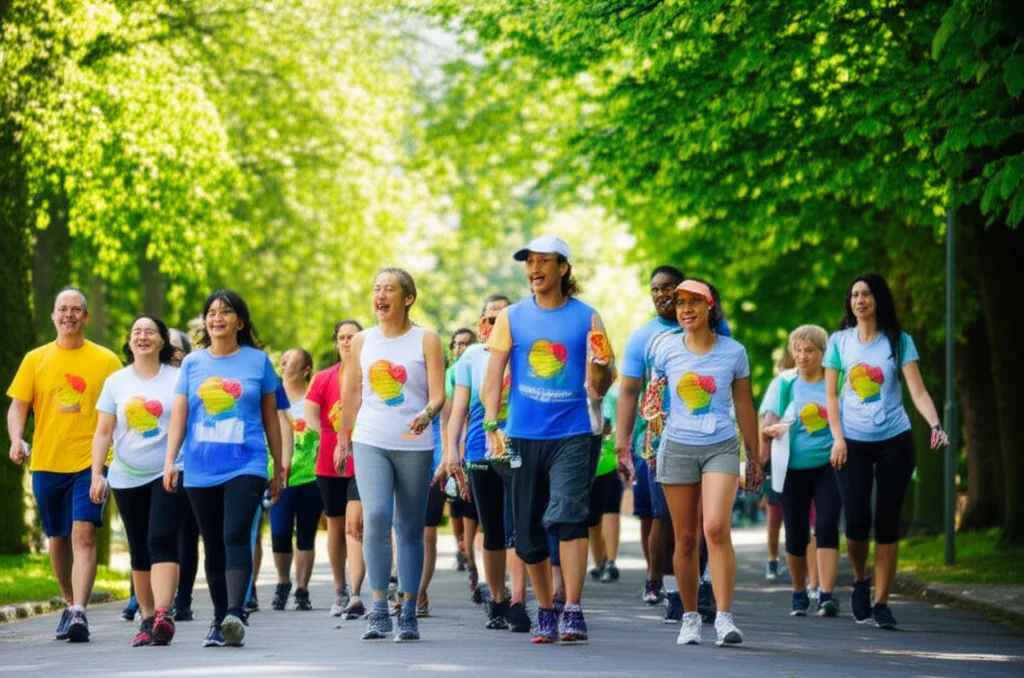

Have you ever wondered what it really takes to walk a walkathon—not just shuffle along, but stride confidently, comfortably, and purposefully? Whether you’re gearing up for your first charity walk or aiming to improve your technique and fundraising game, this guide from the health pros at Walkathon Benefits™ has you covered.
Did you know that the average walkathon participant covers anywhere from 3 to 20 miles, often raising thousands of dollars for causes close to their hearts? But walking that distance isn’t as simple as putting one foot in front of the other. From choosing the right shoes to mastering your gait, fueling your body, and rallying a team, walking a walkathon is an art and a science. Stick around—we’ll even share insider tips on planning the ultimate fundraiser and recovering like a champ afterward.
Ready to turn your walkathon into a walk of fame? Let’s dive in!
Key Takeaways
- Preparation is crucial: Start training weeks ahead and build your endurance gradually to avoid injury.
- Gear up smartly: Invest in quality shoes like Brooks Ghost 15 and moisture-wicking socks to stay blister-free.
- Master your walking technique: Focus on posture, arm swing, and stride for efficient, pain-free walking.
- Fuel and hydrate properly: Carb-load the night before, snack during the walk, and drink electrolytes to keep energy high.
- Engage your community: Form a team, leverage social media, and tap into corporate sponsorships to maximize fundraising.
- Plan like a pro: Follow our 12-step guide to organize a safe, fun, and impactful walkathon event.
- Recover well: Cool down, stretch, refuel, and rest to bounce back quickly and avoid injury.
Curious about the best shoes or how to pace yourself? Keep reading—we’ve got all the expert insights and practical tips you need to make your next walkathon your best yet!
⚡️ Quick Tips and Facts
Before we lace up and dive into the nitty-gritty of “how do you walk in walkathon” glory, here’s a rapid-fire cheat sheet to get your heart rate up!
- Footwear is King: Never wear brand-new shoes on event day. Break them in for at least 2-3 weeks prior. We recommend brands like Hoka or Brooks for maximum cushioning. ✅
- Hydration Station: Don’t just drink water. Use electrolyte enhancers like Liquid I.V. to prevent cramping. ❌ Avoid sugary sodas that lead to a mid-walk crash.
- The 10% Rule: Increase your training distance by no more than 10% each week to avoid shin splints.
- Chafe is the Enemy: Use an anti-chafe stick like BodyGlide on any area where skin meets skin (or fabric). Trust us, your thighs will thank you later. 🦵
- Fact: The first major walkathon in the U.S. was the “Walk for Development” in 1968, which helped spark a global movement of “fitness for a cause.”
- Pacing: It’s a walk, not a sprint to the buffet. Aim for a “conversational pace” where you can still gossip with your teammates without gasping for air. 🗣️
Table of Contents
- ⚡️ Quick Tips and Facts
- The Evolution of the Charity Stride: A Brief History of Walkathons
- Pre-Walk Prep: Getting Your Body and Soul Ready
- Gear Up: The Best Shoes and Tech for the Long Haul
- Mastering the Gait: How to Actually Walk for Miles Without Falling Apart
- Fueling the Engine: Nutrition and Hydration Strategies
- The Social Side: How to Form a Team and Raise Those Funds
- How to Plan the Ultimate Walkathon Fundraiser: 12 Steps to Success
- Inspiring Walkathon Examples: From the Jimmy Fund to Relay For Life
- The Finish Line and Beyond: Recovery and Post-Walk Care
- Walkathon Fundraiser FAQs
- Conclusion
- Recommended Links
- FAQ
- Reference Links
The Evolution of the Charity Stride: A Brief History of Walkathons

Ever wondered why we collectively decide to walk 20 miles in matching t-shirts? It’s not just for the free bananas at the finish line! The concept of the walkathon (a portmanteau of “walk” and “marathon”) took off in the late 1960s. It transformed the solitary act of exercise into a powerful fundraising event and community-building tool.
In the early days, these events were often political or social protests. However, organizations like March of Dimes and the American Cancer Society realized that people were much more likely to open their wallets if they saw their neighbors sweating for a cause. Today, walkathons raise billions of dollars globally for everything from rare diseases to local school libraries. We’ve seen it all at Walkathon Benefits™, and the spirit remains the same: community in motion.
Pre-Walk Prep: Getting Your Body and Soul Ready
You wouldn’t drive a car across the country without checking the oil, right? So why would you ask your legs to walk 10+ miles without a tune-up?
- The Training Schedule: Start at least 6 weeks out. If the walkathon is 5 miles, start with 1-mile walks and build up.
- Mental Fortitude: Walking for hours can be mentally taxing. Prepare a killer playlist on Spotify or download some binge-worthy podcasts. 🎧
- The “Why”: Remind yourself why you’re doing this. Whether it’s in memory of a loved one or to support a local charity, that emotional connection will be your “fuel” when your calves start screaming at mile 8.
Gear Up: The Best Shoes and Tech for the Long Haul
Let’s talk shop. Your gear can make or break your experience. We’ve tested dozens of products, and here are our non-negotiable recommendations:
| Item | Recommendation | Why We Love It |
|---|---|---|
| Shoes | Brooks Ghost 15 | Neutral support and “cloud-like” cushioning. |
| Socks | Balega Blister Resist | Mohair fibers reduce friction and keep feet dry. |
| Hydration | CamelBak Rogue Light | Hands-free sipping so you don’t lose your rhythm. |
| Tracking | Garmin Venu 3 | Precise GPS and heart rate monitoring to pace yourself. |
Pro Tip: Wear moisture-wicking fabrics. Cotton is a “rookie mistake”—it absorbs sweat, gets heavy, and causes the dreaded “chafe-pocalypse.” ❌
Mastering the Gait: How to Actually Walk for Miles Without Falling Apart
“How do you walk in walkathon?” It sounds simple, but there is a technique to power walking that prevents injury.
- Posture: Keep your head up and eyes forward (about 20 feet ahead). Don’t look at your feet!
- Arm Swing: Bend your elbows at 90 degrees. Swing them front to back, not across your body. This provides momentum. 🏃 ♂️
- The Step: Land on your heel, roll through the arch, and push off with your toes. It should feel like a fluid rocking motion.
- Shorten Your Stride: To go faster, don’t take longer steps (which strains the shins); take faster small steps.
Fueling the Engine: Nutrition and Hydration Strategies
We’ve seen too many walkers “bonk” because they forgot to eat.
- The Night Before: Eat a carb-rich meal (pasta, rice, or potatoes). This isn’t just an excuse for a pizza party; it’s glycogen loading.
- Morning Of: A light breakfast of oatmeal or a banana with peanut butter. 🍌
- During the Walk: Aim for 30-60 grams of carbohydrates per hour if the walk is over two hours. GU Energy Gels or a simple handful of pretzels work wonders.
- The Golden Rule: Drink before you’re thirsty. If you feel thirsty, you’re already slightly dehydrated.
How to Plan the Ultimate Walkathon Fundraiser: 12 Steps to Success
If you’re the one organizing the “SCDAA Warrior Walkathon” or a local school event, you need a plan tighter than a new pair of compression socks. Here’s our expert-vetted 12-step guide:
- Define Your Mission: What exactly are the funds for? Be specific.
- Set a Realistic Goal: Calculate your overhead vs. expected donations.
- Pick the Perfect Date: Check for local conflicts (don’t compete with the Super Bowl!).
- Secure a Venue: Parks, high school tracks, or city streets (ensure you have permits!).
- Build a “Hype” Team: Recruit volunteers who are as passionate as you are.
- Choose a Platform: Use sites like GoFundMe Charity or Classy for easy peer-to-peer giving.
- Find Corporate Sponsors: Local businesses love the tax write-offs and community exposure.
- Design the Swag: Everyone wants a cool t-shirt. Make it a collector’s item! 👕
- Plan the Route: Ensure it’s accessible (ADA compliant) and has plenty of restrooms.
- Marketing Blitz: Use Instagram, TikTok, and local flyers.
- Safety First: Have a first-aid station and plenty of water.
- The “After-Party”: Celebrate the finish line with music, food, and a public “thank you” to top donors.
Walkathon Fundraiser FAQs

Q: How long is a typical walkathon? A: They vary wildly! Most community walks are 3.1 miles (5K), but some “challenge” walks can be 20 miles or even multi-day events.
Q: Can I run in a walkathon? A: Usually, yes! Most events are “fun runs/walks.” However, check the specific event rules. If it’s a competitive “race walk,” running will get you disqualified faster than you can say “Olympic gait.”
Q: What if it rains? A: Most walkathons are rain or shine. Grab a Frogg Toggs poncho and keep moving. The cause doesn’t stop for a drizzle! 🌧️
Conclusion

So, how do you walk in a walkathon? You walk with preparation, the right gear, and a whole lot of heart. Whether you’re aiming to be the first across the finish line or you’re just there for the community spirit and the post-walk snacks, your participation makes a tangible difference.
Remember, every blister earned is a badge of honor for the cause you represent. Now, we have one question for you: Are you ready to take that first step? 👟
Recommended Links
- American Red Cross – Find a Drive
- Active.com – Find Local Walkathons
- Mayo Clinic – Walking for Health Tips
FAQ

Do I need to be an athlete to join a walkathon? Absolutely not! Walkathons are designed for all ages and fitness levels. Just choose a distance that feels manageable for you.
How do I ask people for money without feeling awkward? Focus on the cause, not yourself. Share a personal story about why the charity matters. People aren’t giving to you; they’re giving through you.
What should I do if I get a blister during the walk? Stop immediately and apply a Compeed Blister Cushion. Don’t try to “tough it out”—that’s how infections start. ✅
Reference Links
- Harvard Health – The Benefits of Walking
- Charity Navigator – Evaluating Non-Profits
- The History of Fundraising Events – National Museum of American History
⚡️ Quick Tips and Facts
Before we lace up and dive into the nitty-gritty of how do you walk in walkathon glory, here’s a rapid-fire cheat sheet to get your heart rate up!
- Footwear is King: Never wear brand-new shoes on event day. Break them in for at least 2-3 weeks prior. We recommend brands like Hoka or Brooks for maximum cushioning. ✅
- Hydration Station: Don’t just drink water. Use electrolyte enhancers like Liquid I.V. to prevent cramping. ❌ Avoid sugary sodas that lead to a mid-walk crash.
- The 10% Rule: Increase your training distance by no more than 10% each week to avoid shin splints.
- Chafe is the Enemy: Use an anti-chafe stick like BodyGlide on any area where skin meets skin (or fabric). Trust us, your thighs will thank you later. 🦵
- Fact: The first major walkathon in the U.S. was the “Walk for Development” in 1968, which helped spark a global movement of “fitness for a cause.”
- Pacing: It’s a walk, not a sprint to the buffet. Aim for a “conversational pace” where you can still gossip with your teammates without gasping for air. 🗣️
The Evolution of the Charity Stride: A Brief History of Walkathons

Ever wondered why we collectively decide to walk 20 miles in matching t-shirts? It’s not just for the free bananas at the finish line! The concept of the walkathon (a portmanteau of “walk” and “marathon”) took off in the late 1960s. It transformed the solitary act of exercise into a powerful fundraising event and community-building tool.
In the early days, these events were often political or social protests. However, organizations like March of Dimes and the American Cancer Society realized that people were much more likely to open their wallets if they saw their neighbors sweating for a cause. Today, walkathons raise billions of dollars globally for everything from rare diseases to local school libraries. We’ve seen it all at Walkathon Benefits™, and the spirit remains the same: community in motion.
Pre-Walk Prep: Getting Your Body and Soul Ready
You wouldn’t drive a car across the country without checking the oil, right? So why would you ask your legs to walk 10+ miles without a tune-up?
- The Training Schedule: Start at least 6 weeks out. If the walkathon is 5 miles, start with 1-mile walks and build up.
- Mental Fortitude: Walking for hours can be mentally taxing. Prepare a killer playlist on Spotify or download some binge-worthy podcasts. 🎧
- The “Why”: Remind yourself why you’re doing this. Whether it’s in memory of a loved one or to support a local charity, that emotional connection will be your “fuel” when your calves start screaming at mile 8.
Gear Up: The Best Shoes and Tech for the Long Haul
Let’s talk shop. Your gear can make or break your experience. We’ve tested dozens of products, and here are our non-negotiable recommendations:
| Item | Recommendation | Why We Love It |
|---|---|---|
| Shoes | Brooks Ghost 15 | Neutral support and “cloud-like” cushioning. |
| Socks | Balega Blister Resist | Mohair fibers reduce friction and keep feet dry. |
| Hydration | CamelBak Rogue Light | Hands-free sipping so you don’t lose your rhythm. |
| Tracking | Garmin Venu 3 | Precise GPS and heart rate monitoring to pace yourself. |
Pro Tip: Wear moisture-wicking fabrics. Cotton is a “rookie mistake”—it absorbs sweat, gets heavy, and causes the dreaded “chafe-pocalypse.” ❌
Mastering the Gait: How to Actually Walk for Miles Without Falling Apart
“How do you walk in walkathon?” It sounds simple, but there is a technique to power walking that prevents injury.
- Posture: Keep your head up and eyes forward (about 20 feet ahead). Don’t look at your feet!
- Arm Swing: Bend your elbows at 90 degrees. Swing them front to back, not across your body. This provides momentum. 🏃 ♂️
- The Step: Land on your heel, roll through the arch, and push off with your toes. It should feel like a fluid rocking motion.
- Shorten Your Stride: To go faster, don’t take longer steps (which strains the shins); take faster small steps.
Fueling the Engine: Nutrition and Hydration Strategies
We’ve seen too many walkers “bonk” because they forgot to eat.
- The Night Before: Eat a carb-rich meal (pasta, rice, or potatoes). This isn’t just an excuse for a pizza party; it’s glycogen loading.
- Morning Of: A light breakfast of oatmeal or a banana with peanut butter. 🍌
- During the Walk: Aim for 30-60 grams of carbohydrates per hour if the walk is over two hours. GU Energy Gels or a simple handful of pretzels work wonders.
- The Golden Rule: Drink before you’re thirsty. If you feel thirsty, you’re already slightly dehydrated.
The Social Side: How to Form a Team and Raise Those Funds
Walking is more fun when you’re not alone. Plus, a team can raise more money than a lone wolf.
- Forming a Team: Ask friends, family, or coworkers. Create a fun team name like “The Sole Mates” or “The Blister Sisters.”
- Fundraising Tips: Use social media. Post your training progress. Share personal stories. People give to people, not just causes.
- Corporate Matching: Many companies will match employee donations. Ask your HR department!
How to Plan the Ultimate Walkathon Fundraiser: 12 Steps to Success
If you’re the one organizing the “SCDAA Warrior Walkathon” or a local school event, you need a plan tighter than a new pair of compression socks. Here’s our expert-vetted 12-step guide:
- Define Your Mission: What exactly are the funds for? Be specific.
- Set a Realistic Goal: Calculate your overhead vs. expected donations.
- Pick the Perfect Date: Check for local conflicts (don’t compete with the Super Bowl!).
- Secure a Venue: Parks, high school tracks, or city streets (ensure you have permits!).
- Build a “Hype” Team: Recruit volunteers who are as passionate as you are.
- Choose a Platform: Use sites like GoFundMe Charity or Classy for easy peer-to-peer giving.
- Find Corporate Sponsors: Local businesses love the tax write-offs and community exposure.
- Design the Swag: Everyone wants a cool t-shirt. Make it a collector’s item! 👕
- Plan the Route: Ensure it’s accessible (ADA compliant) and has plenty of restrooms.
- Marketing Blitz: Use Instagram, TikTok, and local flyers.
- Safety First: Have a first-aid station and plenty of water.
- The “After-Party”: Celebrate the finish line with music, food, and a public “thank you” to top donors.
Inspiring Walkathon Examples: From the Jimmy Fund to Relay For Life
Need some inspiration? Here are a few walkathons that have made a massive impact:
- Jimmy Fund Walk (Boston): Raises millions annually for cancer research. The 2024 event raised over $6 million.
- Relay For Life (American Cancer Society): A global event with over 5,000 events in 20 countries.
- SCDAA Warrior Walkathon: Over 10 years, this event has raised more than $500,000 for sickle cell research.
The Finish Line and Beyond: Recovery and Post-Walk Care
You crossed the finish line—congrats! But the journey isn’t over. Here’s how to recover like a pro:
- Cool Down: Don’t sit immediately. Walk slowly for 5-10 minutes to lower your heart rate.
- Stretch: Focus on calves, hamstrings, and quads. Hold each stretch for 30 seconds.
- Refuel: Within 30 minutes, eat a mix of protein and carbs (like chocolate milk or a protein bar).
- Ice Bath: If you’re brave, fill a tub with cold water and ice. It reduces inflammation. 🥶
- Sleep: Your body repairs itself during sleep. Aim for 8 hours that night.
Pro Tip: Schedule a massage within 48 hours. Your muscles will thank you.
Conclusion

So, how do you walk in a walkathon? It’s a blend of smart preparation, the right gear, and a heart full of purpose. From our expert team at Walkathon Benefits™, we’ve seen that success isn’t just about the miles covered—it’s about the community you build, the cause you champion, and the personal growth you experience along the way.
Whether you’re a first-timer or a seasoned walker, remember these key takeaways:
- Preparation is everything: Start training early, hydrate smartly, and fuel your body properly.
- Gear matters: Invest in quality shoes like the Brooks Ghost 15 and moisture-wicking socks to avoid injury and discomfort.
- Technique counts: Master your gait to conserve energy and prevent injury.
- Engage socially: Form a team, fundraise creatively, and enjoy the camaraderie.
- Recovery is crucial: Don’t neglect cool-downs, stretching, and proper nutrition post-walk.
If you’re organizing a walkathon, follow our 12-step plan to create an event that’s fun, safe, and impactful. And if you’re participating in one like the inspiring SCDAA Warrior Walkathon, know that every step you take brings us closer to a universal cure.
Remember the question we teased earlier: Are you ready to take that first step? Now you have the tools, tips, and motivation to not just walk—but to stride confidently toward your goal.
Happy walking! 👟💪
Recommended Links
Shop Our Top Gear Picks for Walkathons
-
Brooks Ghost 15 Running Shoes:
Amazon | Brooks Official Website -
Balega Blister Resist Socks:
Amazon | Balega Official Website -
CamelBak Rogue Light Hydration Pack:
Amazon | CamelBak Official Website -
Garmin Venu 3 Smartwatch:
Amazon | Garmin Official Website -
BodyGlide Anti-Chafe Stick:
Amazon | BodyGlide Official Website -
Liquid I.V. Hydration Multiplier:
Amazon | Liquid I.V. Official Website
Recommended Books on Walking and Fundraising
-
The Complete Guide to Walking for Health, Fitness, and Weight Loss by Mark Fenton
Amazon -
Fundraising for Social Change by Kim Klein
Amazon
FAQ

How do walkathons benefit community health and fundraising?
Walkathons are a win-win for communities: they promote physical activity while raising funds for important causes. According to the American Heart Association, walking improves cardiovascular health, reduces stress, and enhances mental well-being. Meanwhile, walkathons unite people around a shared mission, amplifying fundraising efforts through collective energy and visibility. The social aspect encourages ongoing healthy habits beyond the event.
What should I wear to participate in a walkathon?
Wear moisture-wicking, breathable fabrics to keep sweat away from your skin and prevent chafing. Avoid cotton, which traps moisture and can cause discomfort. Layer according to weather, and don’t forget a hat and sunglasses for sun protection. Choose comfortable, well-fitted shoes with good arch support. Brands like Brooks and Hoka are favorites for their cushioning and durability.
How can I stay motivated during a walkathon?
Motivation often wanes during long walks, but here’s how to keep your spirits high:
- Walk with friends or join a team to share the experience.
- Listen to energizing playlists or podcasts.
- Set mini-goals (e.g., reach the next water station).
- Remind yourself of the cause and the impact your steps make.
- Celebrate small victories along the route.
What are the best tips for preparing for a walkathon?
Start training at least 6 weeks before the event, gradually increasing your distance by no more than 10% weekly to avoid injury. Incorporate strength training and flexibility exercises to support your muscles and joints. Hydrate consistently, and practice your walking pace and gear during training walks. Mental preparation is key—visualize success and connect emotionally with your cause.
How do you walk fast in walkathon?
To increase speed without injury:
- Shorten your stride and increase your cadence (steps per minute).
- Use your arms effectively by swinging them front to back with elbows bent at 90 degrees.
- Maintain an upright posture and engage your core.
- Focus on a heel-to-toe rolling motion to maximize efficiency.
What are the best shoes to wear for a walkathon?
The Brooks Ghost 15 tops our list for its excellent cushioning, neutral support, and breathable mesh upper. Other great options include Hoka Clifton 9 for plush cushioning and New Balance 990v5 for stability. Always break in new shoes before the event and choose socks like Balega Blister Resist to minimize friction.
How can I prepare physically for a walkathon event?
Build endurance gradually with regular walks, cross-train with low-impact activities like swimming or cycling, and strengthen your legs and core. Stretch daily to improve flexibility and reduce injury risk. Practice hydration and nutrition strategies during training to find what works best for your body.
What are the health benefits of participating in a walkathon?
Walking regularly improves cardiovascular health, aids weight management, boosts mood by releasing endorphins, and enhances joint mobility. Participating in a walkathon also fosters social connections, reducing feelings of isolation and promoting mental wellness. The event atmosphere often inspires long-term healthy lifestyle changes.
How do walkathons support charitable causes and communities?
Walkathons raise funds by engaging participants who solicit donations from friends, family, and sponsors. They increase awareness for causes through community involvement and media exposure. Events like the SCDAA Warrior Walkathon have raised hundreds of thousands of dollars for sickle cell research, demonstrating how collective effort can drive real-world impact.
Reference Links
- American Heart Association – Walking for Health
- Brooks Running Official Website
- Balega Socks Official Website
- CamelBak Official Website
- Garmin Official Website
- BodyGlide Official Website
- Liquid I.V. Official Website
- SCDAA Warrior Walkathon – Sickle Cell Disease Association of America
- American Cancer Society Relay For Life
- March of Dimes
Ready to take your first step? Whether you’re walking for fitness, fun, or fundraising, remember: every step counts toward a healthier you and a better world.