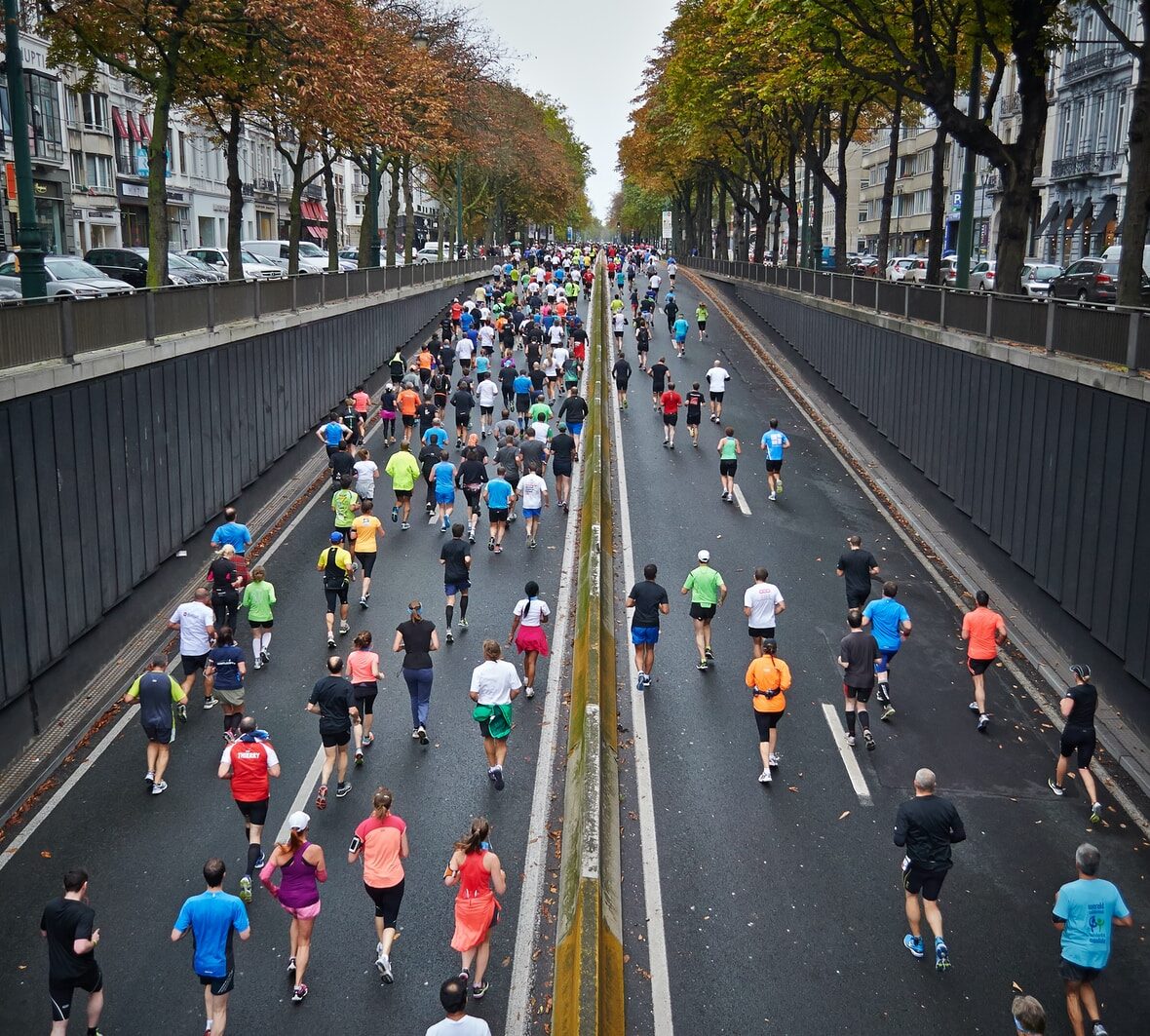
Ever found yourself signing up for a walkathon and wondering, “How far am I really going to walk?” You’re not alone! Whether you’re a first-timer lacing up your sneakers or a seasoned walker aiming for a new personal best, understanding the typical walkathon distance can make all the difference in your preparation and enjoyment.
Did you know the most popular walkathon distance is the 5K (3.1 miles), beloved for its perfect balance of challenge and accessibility? But that’s just the start! From family-friendly fun walks to endurance-testing marathons, walkathons come in all shapes and sizes. In this article, we’ll unravel the history behind these distances, explore the top 10 popular walkathon lengths, and share insider tips on choosing the perfect route for your event or personal journey. Plus, we’ll dive into inspiring stories that prove it’s not just about the miles—it’s about the memories and impact.
Ready to find your ideal walkathon distance and make every step count? Let’s hit the trail!
Key Takeaways
- The average walkathon distance is typically a 5K (3.1 miles), striking a perfect balance between accessibility and accomplishment.
- Distances range widely from 1-mile fun walks to multi-day endurance challenges, tailored to participants’ goals and event purposes.
- Factors like terrain, audience, and fundraising goals heavily influence walkathon length decisions.
- Creative formats such as relay walks, themed routes, and virtual challenges add excitement and inclusivity.
- Proper preparation, including training and gear, enhances your walkathon experience and safety.
Curious about how these distances impact fundraising or how to organize your own successful walkathon? Keep reading for expert insights and inspiring stories that will motivate your next stride!
Table of Contents
- ⚡️ Quick Tips and Facts About Walkathon Lengths
- 🚶 ♂️ The Walkathon Journey: Origins and Evolution of Walkathon Distances
- 📏 How Long Is the Average Walkathon? Typical Distances Explained
- 🥇 Top 10 Most Popular Walkathon Lengths and Why They Work
- 🧠 Factors Influencing Walkathon Length: Terrain, Purpose, and Participants
- 👟 Preparing for Your Walkathon: Training Tips for Different Distances
- 🌟 Community Impact: How Walkathon Length Affects Fundraising and Participation
- 💡 Creative Walkathon Formats: Relay Walks, Themed Routes, and Virtual Challenges
- 🛠️ Organizing Your Own Walkathon: Choosing the Perfect Distance for Success
- 📊 Walkathon Lengths Around the World: A Global Perspective
- 🏅 Inspiring Walkathon Stories: Personal Experiences and Milestones
- 🎯 Quick Tips to Maximize Your Walkathon Experience
- 🔚 Conclusion: Finding Your Perfect Walkathon Distance
- 🔗 Recommended Links for Walkathon Enthusiasts
- ❓ Frequently Asked Questions About Walkathon Lengths
- 📚 Reference Links and Resources
⚡️ Quick Tips and Facts About Walkathon Lengths
Hey there, fellow walkers and changemakers! We’re the team at Walkathon Benefits™, and if there’s one thing we know, it’s the incredible power of putting one foot in front of the other for a great cause. You’re probably wondering, “How long is the average walkathon?” and let us tell you, you’ve stumbled upon the right path! Before we dive deep into the nitty-gritty, let’s get you warmed up with some quick facts. Think of this as your pre-walk stretch!
So, what is a walkathon, really? At its heart, it’s a journey with a purpose, and you can learn more about its true power in our detailed article, What Is the Meaning of Walkathon? 🚶 ♂️ Discover Its True Power (2025). But for now, let’s talk numbers!
| Quick Fact 📊 | The Nitty-Gritty Details 👟 |
|---|---|
| Most Common Distance | The 5K (3.1 miles) is the undisputed champion of walkathon distances. It’s accessible, achievable, and doesn’t require a grueling training regimen. |
| Runner-Up Distance | The 10K (6.2 miles) is another popular choice, offering a bit more of a challenge for those looking to push themselves. |
| Average Walking Time | For a 5K, plan for about 45-60 minutes. For a 10K, a good estimate is 1.5-2 hours. As the event experts at Qgiv note, it’s wise to plan for approximately 2.5 hours for every 5 miles to be safe. |
| Kid-Friendly Lengths | For the little champs, walkathons are often much shorter, typically ranging from 1K (0.62 miles) to 3K (1.86 miles). These events are all about fun and participation! Check out our tips for Kids Walkathons. |
| The “Thon” in Walkathon | The “-athon” suffix comes from “marathon,” implying an event of endurance. But don’t let that scare you! Modern walkathons are designed for all fitness levels. |
| Virtual Walkathons | ✅ These have become incredibly popular! You choose the distance and the route. This flexibility means “average” is whatever you want it to be. |
| Charity Focus | ❌ It’s not just about the distance; it’s about the dollars! The length is often designed to maximize both participation and Fundraising Strategies. |
🚶 ♂️ The Walkathon Journey: Origins and Evolution of Walkathon Distances
Have you ever wondered how these amazing events got started? It’s a story that’s as much about community spirit as it is about mileage. The concept of walking for a cause isn’t new, but the modern walkathon has a fascinating history that has shaped the distances we walk today.
Originally, “walkathons” in the 1930s were grueling dance-marathon-style events where participants walked continuously for days to win prize money. Can you even imagine? Thank goodness things have changed!
The shift towards the charitable walkathon model we know and love today really took off in the mid-20th century. Organizations like the March of Dimes pioneered the idea of mass participation walks to raise funds for health causes. These early events weren’t necessarily about a specific, standardized distance. Instead, they focused on the act of collective movement and community engagement.
As these events grew, organizers realized that setting a defined course and distance helped with logistics, safety, and creating a shared sense of accomplishment. The rise of the recreational running boom in the 1970s and 80s had a huge influence. Standardized race distances like the 5K and 10K became popular, and walkathons naturally adopted these familiar lengths. Why? Because they provided a clear goal that was both challenging and attainable for the average person. This evolution reflects a deeper understanding of what motivates people to participate and donate, blending physical fitness with powerful Community Engagement.
📏 How Long Is the Average Walkathon? Typical Distances Explained
Alright, let’s get to the heart of the matter! If you’re looking for a single, simple answer, here it is: the most common walkathon length is a 5K (3.1 miles).
But wait, there’s more to the story! The “average” can be a bit of a slippery concept because the distance of a walkathon is tailored to its specific goals and audience. As fundraising platform Qgiv points out, “There’s no set standard for how long your ‘-athon’ event should be, but they usually range from 5K to 10K.” This range truly is the sweet spot for most events.
The 5K: The People’s Champion
Why is the 5K king?
- ✅ Accessibility: It’s a non-intimidating distance for beginners, families, and people of all ages and fitness levels. You don’t need to be a seasoned athlete to cross that finish line with a smile.
- ✅ Time Commitment: A 5K walk can typically be completed in under an hour. This makes it a perfect weekend morning activity that doesn’t consume the entire day.
- ✅ Logistics: For organizers, a 5K route is relatively easy to plan, staff with volunteers, and secure permits for.
The 10K: The Ambitious Sibling
The 10K (6.2 miles) is the next most popular distance. It’s a fantastic option for:
- ✅ A Greater Challenge: It offers a step up for those who have done 5Ks and want to push their limits. The sense of accomplishment is huge!
- ✅ More Scenery: A longer route allows organizers to showcase more of a park, neighborhood, or city.
- ✅ Increased Fundraising Potential: Sometimes, a bigger challenge can inspire bigger donations. Participants might feel more justified in asking for support for a 10K effort.
Beyond the Standards: From Fun Runs to Ultra-Walks
While 5Ks and 10Ks dominate, you’ll find a whole spectrum of distances out there:
- 1-Mile Fun Walks: Often part of a larger event, these are perfect for kids, seniors, or as a “cool-down” option.
- Half-Marathon (13.1 miles) & Marathon (26.2 miles) Walks: Yes, people walk these distances! Events like the Avon 39 The Walk to End Breast Cancer (which was a 39.3-mile event over two days) have shown that people are willing to take on incredible walking challenges for causes they believe in.
The key takeaway? The “average” walkathon is designed to be inclusive. The goal is to get as many people as possible moving for a cause, and the 5K to 10K range has proven to be the most effective for achieving that.
🥇 Top 10 Most Popular Walkathon Lengths and Why They Work
Ready to explore the menu of walkathon distances? We’ve laced up our sneakers and hit the pavement to bring you the definitive list of the most common and effective walkathon lengths. Each one has its own unique flavor and appeal!
- The 5K (3.1 Miles): The Gold Standard
- Why it works: It’s the perfect blend of challenge and accessibility. It’s long enough to feel like an achievement but short enough that almost anyone can participate with minimal training. It’s the go-to for a reason!
- The 10K (6.2 Miles): The Next Step Up
- Why it works: This distance attracts both dedicated walkers and those looking to graduate from the 5K. It requires a bit more preparation, which can lead to a more engaged and committed group of participants.
- The 1-Mile Fun Run/Walk: The Family Favorite
- Why it works: Inclusivity at its best! This is perfect for events aiming to attract families with young children or participants with mobility challenges. It’s all about the fun and the cause.
- The 3K (1.86 Miles): The Happy Medium
- Why it works: A great option for school-based events, like the one hosted by The Village School. It’s a step up from a 1-miler but still very manageable for older kids and casual walkers.
- The Half-Marathon Walk (13.1 Miles / 21.1K): The Endurance Test
- Why it works: This is for the truly dedicated. It’s a serious physical challenge that commands respect and often comes with a higher fundraising commitment. The bragging rights are off the charts!
- The Marathon Walk (26.2 Miles / 42.2K): The Ultimate Goal
- Why it works: The pinnacle of walking events. Completing a marathon, whether running or walking, is a monumental achievement. These events often have a powerful emotional component and attract lifelong supporters.
- The Themed Distance (e.g., 4.9K for the 49ers)
- Why it works: Tying the distance to the cause or a theme adds a memorable and fun twist. It creates a unique identity for the event and can be a great marketing hook.
- The Multi-Day Challenge (e.g., 30-60 Miles over a weekend)
- Why it works: Events like the Susan G. Komen 3-Day® create an immersive, camp-like experience. The shared journey fosters deep bonds among participants and an incredible sense of community.
- The Lap-Based Walk (e.g., Walk for 1 Hour): The School Star
- Why it works: Common in schools, this format is easy to manage and safe. Participants, like the students at The Village School, can set their own “realistic lap goals based on age and development,” making it adaptable for everyone.
- The Virtual “Choose Your Own” Distance: The Modern Marvel
- Why it works: Flexibility is the name of the game. Participants can walk a 5K in their neighborhood, a 10K on a treadmill, or hike a mountain trail. It removes geographical barriers and allows for global participation.
🧠 Factors Influencing Walkathon Length: Terrain, Purpose, and Participants
Ever wondered who decides if you’re walking a breezy 3K or a challenging 10K? It’s not a random choice! Event organizers are like master chefs, carefully selecting the distance (the main ingredient) based on a recipe of crucial factors.
The Target Audience: Who Are You Walking With?
This is the number one consideration.
- Families and Kids: Shorter, safer routes are a must. Think 1K to 3K in a park. The goal is fun and participation, not setting speed records.
- Corporate Teams: A 5K is often the sweet spot. It’s a great team-building exercise that’s accessible to most office workers.
- Serious Athletes/Endurance Enthusiasts: This is where you see longer distances like half-marathons or multi-day events. These participants are motivated by the physical challenge.
The Purpose of the Pavement: Why Are You Walking?
The “why” behind the walk heavily influences the “how far.”
- Fundraising Focus: The length needs to be a balance. It should be challenging enough to inspire donations but not so difficult that it limits participation. A 5K or 10K often hits this mark perfectly.
- Awareness Campaigns: The goal here is visibility. A route that goes through a high-traffic area might be prioritized over a specific distance.
- Community Building: For events like The Village School’s Walk-a-Thon, the focus is on bringing people together. The distance is secondary to the shared experience.
The Lay of the Land: Where Are You Walking?
The physical environment plays a huge role.
- Terrain: A flat, paved 5K is a very different beast from a 5K on hilly, rugged trails. Organizers must adjust the distance to match the difficulty of the terrain.
- Location Logistics: Is the route a single loop or a point-to-point course? Loops are often easier to manage for water stations and volunteers. The availability of a safe, scenic, and logistically sound route can dictate the final distance.
- Climate and Season: A 10K in the summer heat requires more water stations and medical support than a 5K on a cool autumn day. As Qgiv wisely advises, for summer events, avoiding the hot afternoon is key.
Ultimately, choosing the right distance is a strategic decision that balances ambition with accessibility, ensuring the event is safe, enjoyable, and successful in achieving its goals.
👟 Preparing for Your Walkathon: Training Tips for Different Distances
So, you’ve signed up for a walkathon. High five! 🙌 Now what? Don’t worry, we’ve got your back. Preparing your body is key to enjoying the day and avoiding injury. Here at Walkathon Benefits™, our Physical Fitness Tips are all about smart, sustainable preparation.
Your Walking Essentials
Before we talk training, let’s talk gear. The right shoes are your best friend. You don’t need the most expensive pair, but they should be comfortable and provide good support. We’re big fans of brands known for their walking shoes, like New Balance, Brooks, and HOKA.
- Pro-Tip: Get fitted at a specialty running/walking store. They can analyze your gait and recommend the best shoe for your foot type.
👉 Shop Walking Shoes on:
- New Balance: Amazon | Walmart | New Balance Official Website
- Brooks: Amazon | Walmart | Brooks Running Official Website
- HOKA: Amazon | HOKA Official Website
Training Plans by Distance
For the 5K (3.1 Miles) Walker
This is all about consistency.
- Weeks 4-3 Before Event: Aim for 3 walks per week, about 20-30 minutes each.
- Weeks 2-1 Before Event: Increase one of your weekly walks to 45 minutes, or about 2.5-3 miles, to get your body used to the distance.
- The Day Before: Rest! A short, easy 15-minute stroll is fine, but don’t overdo it.
For the 10K (6.2 Miles) Walker
Here, you’ll want to build a little more endurance.
- Weeks 6-5 Before Event: Start with 3-4 walks per week, 30-40 minutes each.
- Weeks 4-3 Before Event: Introduce a “long walk” on the weekend. Start with 4 miles and add about half a mile each week.
- Weeks 2-1 Before Event: Your longest walk should be about 5-6 miles. This will give you the confidence you need for event day. Taper down your other walks this week.
- Hydration is Key: For walks over an hour, bring water. A handheld bottle or a hydration belt like those from Nathan or CamelBak works great.
For the Endurance Walker (Half-Marathon and Beyond)
This requires a more structured plan.
- Start Early: You’ll want at least 12-16 weeks to prepare.
- Cross-Training: Incorporate other activities like swimming or cycling to build cardiovascular fitness without the constant impact of walking.
- Listen to Your Body: Rest days are non-negotiable. This is when your muscles repair and get stronger.
- Nutrition: Fueling becomes critical. Practice what you’ll eat and drink on your long walks to see what works for you.
No matter the distance, remember to warm up with some dynamic stretches before you walk and cool down with static stretches afterward. Your body will thank you!
🌟 Community Impact: How Walkathon Length Affects Fundraising and Participation
Here’s a question we get all the time: does a longer walk automatically mean more money raised? It’s a great question, and the answer is… it’s complicated! The relationship between distance, dollars, and dedication is a delicate dance.
The Participation vs. Passion Paradox
Think of it like this:
- Shorter Distances (1K-5K): These events cast a wide net. They attract more people—families, casual walkers, corporate groups. More participants can mean more individual fundraisers and a buzzing event-day atmosphere. This is a numbers game, and it’s fantastic for building broad Community Engagement.
- Longer Distances (10K+): The crowd might be smaller, but it’s often more dedicated. Participants who commit to a half-marathon or multi-day walk are typically deeply passionate about the cause. This passion translates into powerful fundraising. Their personal stories of training and dedication can inspire their networks to give more generously.
So, which is better? Neither! They just serve different purposes. An organization might host a 5K to attract new supporters and a marathon walk to engage their most ardent followers.
The Fundraising Sweet Spot
For most organizations, the 5K to 10K range is the fundraising sweet spot. Here’s why:
- High ROI: These distances offer a great return on investment. The logistical costs are manageable, and they attract a large, diverse crowd of fundraisers.
- Corporate Sponsorship: Companies love sponsoring 5Ks. It’s a positive, healthy event that offers great visibility for their brand.
- Peer-to-Peer Power: As Qgiv highlights, “-athon” events are peer-to-peer fundraisers at their core. A 5K is an easy “ask” for participants to share with their friends and family. It’s an achievable goal that others are happy to support.
The length of the walk is a critical part of your Fundraising Strategies. A well-chosen distance makes the event feel accessible and the fundraising goals achievable, creating a winning combination for the cause.
💡 Creative Walkathon Formats: Relay Walks, Themed Routes, and Virtual Challenges
Who says a walkathon has to be a simple A-to-B journey? Let’s spice things up! At Walkathon Benefits™, we believe a dash of creativity can turn a good event into an unforgettable one. If you’re looking to boost engagement and fun, consider these innovative formats.
Relay Walks: Teamwork Makes the Dream Work!
Instead of one person walking a long distance, why not split it among a team?
- How it Works: A team of 4-6 people tackles a longer distance, say a marathon (26.2 miles), in segments. Each person walks a leg of the course and passes a “baton” (it could be anything from a rubber chicken to a decorated walking stick!) to the next teammate.
- Why We Love It: It fosters camaraderie and is perfect for corporate teams or groups of friends. It makes a daunting distance manageable and fun for everyone.
Themed Routes: A Journey with a Story
Transform your walk from a simple stroll into an adventure!
- Scavenger Hunt Walk: Participants follow clues along the route to find specific landmarks or items. This is a huge hit with kids and families.
- “Glow” Night Walk: Host the walk after dark and provide participants with glow sticks, neon paint, and black lights along the course. The visuals are spectacular!
- Paws for a Cause: Pet-friendly walkathons are always a massive success. Encourage participants to bring their furry friends (and maybe even have them dress up in costumes!).
- Historical Tour Walk: Design a route that passes by significant historical sites in your city, with volunteers at each stop sharing interesting facts.
Virtual Challenges: Walk Anywhere, Anytime
The rise of virtual events has opened up a world of possibilities.
- Distance Challenges: Challenge participants to walk a certain number of miles over a month (e.g., “Walk 50 Miles in May”). They can track their progress using apps like Strava or MapMyWalk.
- Destination Challenges: Frame the challenge as a virtual journey to a famous landmark. For example, “Let’s walk the distance from Paris to Rome!” Participants log their miles, and a virtual map shows the collective progress of the group. This creates a powerful sense of shared achievement, even when everyone is walking separately.
These creative formats prove that a walkathon’s success isn’t just measured in miles, but also in smiles and memories.
🛠️ Organizing Your Own Walkathon: Choosing the Perfect Distance for Success
Feeling inspired to host your own walkathon? That’s fantastic! You’re about to create a powerful force for good. But before you start mapping routes, let’s talk about the most crucial decision you’ll make: choosing the distance. Get this right, and you’re halfway to a successful event.
Step 1: Know Your “Who” and “Why”
Before you can even think about distance, you need to answer two questions we discussed earlier:
- Who is your target audience? (Athletes? Families? Co-workers?)
- What is your primary goal? (Maximum fundraising? Community awareness? A fun day out?)
Your answers will immediately narrow down your options. If your answer is “families with young kids,” a half-marathon is probably off the table. If it’s “raising awareness in the downtown core,” a route that hits key streets is more important than a specific mileage.
Step 2: Scout Your Location
Your venue will heavily influence your distance.
- Park Loop: If you’re using a local park, measure the main loop. A 1-mile loop is perfect for a lap-based event where people can choose to do 1, 2, or 3 laps to complete a 5K.
- Point-to-Point: If you’re planning a route through city streets, you’ll need to work with local authorities. Qgiv rightly points out the need to file necessary event paperwork and contact police and fire departments. This process can be complex, so a simpler, contained route is often better for first-time organizers.
Step 3: Consider the Logistics
Every mile adds complexity.
- Volunteers: How many people do you have to staff water stations, act as course marshals, and manage registration? A 10K requires significantly more support than a 5K.
- Budget: Think about the cost of permits, security, water, snacks, and signage. A longer route means more of everything.
- Safety: You are responsible for your participants’ well-being. Ensure the route is safe, well-marked, and that you have a first-aid plan in place. Qgiv stresses the importance of liability waivers, stating “you will almost certainly need to have all of your participants fill out and sign liability waivers.”
Our Recommendation for First-Timers:
Start with a 5K. It is the most manageable, marketable, and inclusive distance. You can create a fantastic, high-energy event that leaves everyone feeling successful. Once you have a successful 5K under your belt, you can always add a 10K option in the future as your event grows.
📊 Walkathon Lengths Around the World: A Global Perspective
The spirit of walking for a cause is a universal language, but the “dialect” can change depending on where you are in the world! While the 5K is a global superstar, different cultures and climates have given rise to unique walking traditions.
- United Kingdom: The “charity walk” is deeply embedded in British culture. While 5Ks and 10Ks are common, you’ll also find a love for long-distance “treks” and “challenges.” Events like the London to Brighton Challenge (a whopping 100km!) attract thousands of participants ready to tackle the English countryside.
- Australia: With its stunning landscapes and great weather, “bushwalking” for a cause is popular. Distances are often measured in time (“a 3-hour walk”) as much as in kilometers, and events frequently take place in national parks.
- Japan: Walking events, or “arukō-kai” (歩こう会), are extremely popular, particularly among older adults. These are often less about fundraising and more about health, community, and appreciating nature. The distances vary, but the focus is on a steady, enjoyable pace.
- The Netherlands: The International Four Days Marches Nijmegen is one of the most famous walking events in the world. It’s not a single walkathon but a multi-day event where participants walk 30, 40, or 50 kilometers each day for four days. It’s a testament to the Dutch love of walking and endurance.
What does this tell us? That the “perfect” walkathon length is culturally and environmentally dependent. It’s a beautiful reminder that while the distances may vary, the simple, powerful act of walking together to make a difference is something that unites us all.
🏅 Inspiring Walkathon Stories: Personal Experiences and Milestones
Let’s be honest, we’re not just in this for the exercise. We’re in it for the stories. The moments of triumph, the shared laughter, the quiet determination. At Walkathon Benefits™, we’ve seen firsthand how these events can change lives, and it’s rarely just about crossing a finish line.
I’ll never forget a woman named Sarah at a 5K we supported. She was walking in memory of her father. For the first two miles, she was quiet, walking with a determined look. But as she approached the final mile, which was lined with photos and tributes from other participants, she began to cry. Not tears of sadness, but tears of release, of connection. She told us later, “I felt like my dad was walking with me today. And I wasn’t alone. We were all walking together.” That’s the magic. It’s not just a 3.1-mile walk; it’s a journey of remembrance and community.
Then there was the corporate team from a local tech company at a 10K. They were a competitive bunch, joking about who would finish first. But about halfway through, one of their team members, who hadn’t trained as much, started to struggle. Without a word, the fastest walkers in the group slowed down, fell back, and flanked their struggling colleague. They walked the rest of the way as a single unit, crossing the finish line with their arms linked. They didn’t win the “race,” but they won something far more important that day.
These stories are why we do what we do. A walkathon is a canvas on which thousands of personal milestones are painted.
- It’s the cancer survivor walking their first 5K after treatment.
- It’s the child with asthma completing a 1-mile fun run with a huge grin.
- It’s the person who thought they couldn’t, realizing they can.
The distance, in the end, is just a number. The real measure of a walkathon is in the courage it inspires, the connections it forges, and the hope it creates. What will your story be?
🎯 Quick Tips to Maximize Your Walkathon Experience
You’re trained, you’re registered, and you’re ready to go! Event day is all about enjoying the experience you’ve worked for. Here are our top tips to make sure your walkathon is a fantastic, memorable day.
- ✅ Arrive Early: Give yourself plenty of time to park, check in, use the restroom, and soak up the pre-event energy. Qgiv suggests volunteers should arrive 30-60 minutes early, and that’s a good rule for participants, too!
- ❌ Don’t Try Anything New: Event day is not the time to try out new shoes, new socks, or a new breakfast. Stick with what you know works for you from your training walks.
- ✅ Pace Yourself: It’s easy to get swept up in the excitement and start out too fast. Remember the tortoise and the hare! Start at a comfortable, conversational pace. You can always pick it up later if you’re feeling good.
- 💧 Hydrate Along the Way: Drink water at the aid stations, even if you don’t feel thirsty. This is especially important for longer distances or on warm days.
- 😊 Smile and Thank the Volunteers: These amazing people are giving their time to make the event possible. A smile and a “thank you” as you pass by means the world to them.
- 📸 Take Photos: Capture the memories! A selfie at the start line, a photo with your friends on the course, and a triumphant shot at the finish.
- 🤝 Connect with Other Walkers: You’re all there for a shared purpose. Chat with the people walking around you. Ask them who they’re walking for. You’ll hear some incredible stories.
- 🎉 Celebrate Your Finish: No matter your time, you did it! Cross that finish line with your head held high. Celebrate your accomplishment. You’ve earned it
🔚 Conclusion: Finding Your Perfect Walkathon Distance

So, how long is the average walkathon? As we’ve explored, the answer is delightfully flexible but tends to hover around the 5K (3.1 miles) mark, with many events stretching up to 10K for a bit more challenge. Whether you’re a casual stroller, a family with kids, or a seasoned endurance walker, there’s a walkathon distance tailored just for you.
The magic of walkathons lies not in the exact mileage but in the community spirit, the shared commitment, and the positive impact on health and charitable causes. From the inspiring stories of individuals walking for loved ones to the creative formats that keep events fresh and engaging, every step counts.
If you’re organizing a walkathon, start with a manageable distance like a 5K to maximize participation and fundraising potential. For participants, focus on preparation, enjoy the journey, and remember that the real victory is in the connections you make and the causes you support.
Ready to lace up and join the movement? Your perfect walkathon distance awaits — and so does the incredible experience that comes with it!
🔗 Recommended Links for Walkathon Enthusiasts
Looking to gear up or learn more? Here are some top picks from our experts at Walkathon Benefits™ to help you prepare and enjoy your walkathon to the fullest:
Walking Shoes & Gear
-
New Balance Walking Shoes:
Amazon | Walmart | New Balance Official Website -
Brooks Walking Shoes:
Amazon | Walmart | Brooks Running Official Website -
HOKA Walking Shoes:
Amazon | HOKA Official Website -
Hydration Gear (Nathan & CamelBak):
Nathan Sports | CamelBak
Books to Inspire Your Walkathon Journey
-
The Walk: Four Girls, One Dream, and the Event That Changed Lives by Lisa Harkrader
Amazon Link -
Walking for Fitness and Fun by David F. Martin
Amazon Link
❓ Frequently Asked Questions About Walkathon Lengths
How much time does it usually take to complete a walkathon?
The time depends on the distance and your walking pace. For a typical 5K walkathon, expect about 45 to 60 minutes at a moderate pace. A 10K walkathon usually takes 1.5 to 2 hours. Factors like terrain, weather, and rest stops can affect your timing. Remember, walkathons are about participation and enjoyment, not speed!
How long is the average walk time?
Most participants spend between 45 minutes to 2 hours walking during a walkathon, depending on the event distance. Shorter fun walks might last 15-30 minutes, while endurance events can span several hours or multiple days.
What is the typical distance covered in a walkathon?
The most common distances are 5K (3.1 miles) and 10K (6.2 miles). However, walkathons can range from short 1-mile fun walks to multi-day challenges covering 30 miles or more. The choice depends on the event’s purpose, audience, and location.
How much time do most participants spend walking in a walkathon?
Most participants spend about 1 to 2 hours walking. This timeframe balances physical challenge with accessibility, allowing a broad range of people to participate comfortably.
What are the health benefits of participating in a walkathon?
Walking is a low-impact cardiovascular exercise that improves heart health, boosts mood, aids weight management, and enhances overall fitness. Participating in a walkathon also promotes social connection and mental well-being. For more on this, check out our Health Benefits of Walking articles.
How can I prepare for a long walkathon event?
Preparation involves consistent training, proper footwear, hydration, and nutrition. Start training weeks or months in advance, gradually increasing your walking distance. Use supportive shoes from trusted brands like New Balance or Brooks, and practice walking with the gear you’ll use on event day. Don’t forget to warm up, cool down, and listen to your body to avoid injury.
What should I eat before and during a walkathon?
Eat a balanced meal rich in carbohydrates and moderate protein about 2-3 hours before the event. During longer walks, consume light snacks like energy bars or fruit and stay hydrated with water or electrolyte drinks.
Are there safety tips for participating in a walkathon?
Absolutely! Wear weather-appropriate clothing, use sunscreen, stay hydrated, and walk at a comfortable pace. Follow event guidelines, stay on marked routes, and inform organizers if you feel unwell.
📚 Reference Links and Resources
- Qgiv: How to Host a Fundraising Walkathon, Bikeathon, or Runathon
- March of Dimes Official Website
- The Village School Walkathon Overview
- Avon 39 The Walk to End Breast Cancer
- Susan G. Komen 3-Day® Walk
- International Four Days Marches Nijmegen
- Facebook Group: March of Dimes Walk-a-Thon Memories from the Past
- New Balance Official Website
- Brooks Running Official Website
- HOKA Official Website
- Nathan Sports Official Website
- CamelBak Official Website
Ready to take your first step? Remember, every journey begins with a single step — and in a walkathon, every step counts for something bigger than yourself! 🚶 ♀️🚶 ♂️