

The secret to raising thousands isn’t just walking; it’s building a community movement where every step triggers a donation through strategic team challenges and digital storytelling. If you are wondering how to raise money for a walk, the answer lies in shifting your focus from individual pledges to corporate sponsorships and peer-to-peer fundraising before the first shoe even hits the pavement.
But how do you avoid the common pitfalls that leave organizers stranded with empty wallets and full parking lots? We’ve broken down the exact blueprint to ensure your event is a financial success.
Key Takeaways
- Start with a Team Strategy: Individual walkers raise less; team-based fundraising leverages peer pressure and social networks to exponentially increase donations.
- Secure Sponsors Early: Don’t rely solely on participant pledges; corporate sponsorships and in-kind donations cover your overhead, helping more participant funds go to the cause.
- Leverage Digital Tools: Use mobile-optimized platforms like GoFundMe or JustGiving to capture spontaneous donations and track progress in real-time.
- Create an Experience: Transform the walk into a themed event with costumes, food, and entertainment to boost engagement and shareability on social media.
- Prioritize Safety and Logistics: A smooth, safe event builds trust, leading to higher repeat participation and long-term donor loyalty.
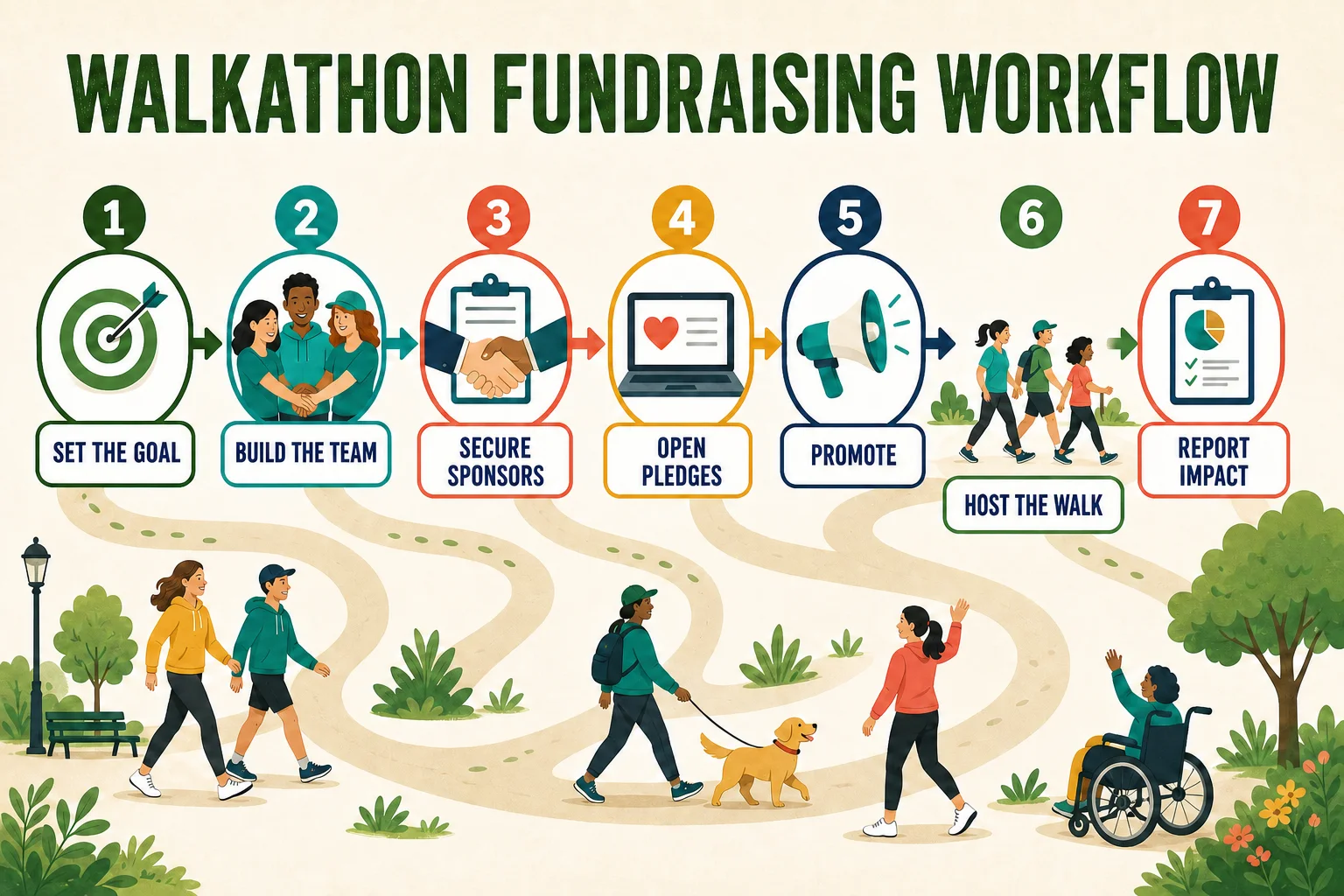
Table of Contents
- ⚡️ Quick Tips and Facts
- 📜 The Evolution of the Charity Walk: From Ancient Pilgrimages to Modern Marathons
- 🧠 Why Walking Works: The Psychology Behind Successful Fundraising
- 📝 Step 1: Laying the Groundwork for Your Walkathon
- 🎯 Defining Your Mission and Setting Realistic Financial Goals
- 📅 Choosing the Perfect Date, Time, and Location
- 📋 Navigating Permits, Insurance, and Safety Regulations
- 🚀 Step 2: Building Your Dream Team and Recruiting Walkers
- 🤝 Creating Engaging Team Structures and Leadership Roles
- 📢 Strategies to Recruit Walkers and Secure Early Pledges
- 💰 Step 3: Mastering the Art of Fundraising and Sponsorships
- 🏢 How to Land Corporate Sponsors and In-Kind Donations
- 📱 Leveraging Online Platforms: GoFundMe, JustGiving, and More
- 📧 Crafting Email Campaigns That Actually Get Clicked
- 🎨 Step 4: Creative Themes and Unique Walkathon Ideas to Boost Engagement
- 🐕 Organizing Memorable Dog-Friendly and Pet Walks
- 👕 Designing Custom T-Shirts and Branded Merchandise
- 🎭 Themed Costume Walks and Act-Out Events
- 🍔 Turning Your Walk into a Foodie Festival
- 👶 Planning Kid-Friendly and Family-Oriented Routes
- 🗺️ Step 5: Logistics, Route Planning, and On-Site Management
- 🚶 Mapping the Perfect Route: Distance, Scenery, and Accessibility
- 🚑 Medical Support, Water Stations, and Volunteer Coordination
- 🎉 Post-Walk Celebrations and Thank-You Events
- 📈 Step 6: Marketing Your Event and Spreading the Word
- 📸 Social Media Hacks for Maximum Visibility
- 📰 Getting Local Press Coverage and Community Support
- 📊 Analyzing Results: How to Measure Success and Report Back to Donors
- 🔮 Future-Proofing: How to Make Your Walk an Annual Tradition
- 🏆 Conclusion
- 🔗 Recommended Links
- ❓ FAQ: Common Questions About Raising Money for a Walk
- 📚 Reference Links
⚡️ Quick Tips and Facts
Before you lace up your sneakers and start drafting that sponsorship letter, let’s hit the pause button for a reality check. We’ve seen too many well-meaning organizers burn out before the starting gun even fires because they skipped the basics. Here is the Walkathon Benefits™ cheat sheet to get you moving in the right direction:
- The “Low-Cost” Myth: While walkathons are cheaper than marathons, they aren’t free. You still need permits, water, first aid, and marketing. Plan for a budget before you plan the route.
- The Power of the Team: Individual walkers are great, but teams raise 3x more on average. Why? Because peer pressure is a powerful motivator, and friends push friends to hit those donation goals.
- Timing is Everything: Don’t schedule your event on a major holiday or during a local sports championship. Check the local calendar!
- The Digital First Rule: If your fundraising page isn’t mobile-optimized, you’re leaving money on the table. Most donors will give via their phones while watching your event live.
- Safety First: Never skip the medical plan. A minor blister can turn into a major liability if you don’t have a protocol.
Ready to turn those steps into serious cash? Let’s dive into the history of how we got here, because understanding the roots of the charity walk might just give you the inspiration you need to make your event legendary.
📜 The Evolution of the Charity Walk: From Ancient Pilgrimages to Modern Marathons
You might think the charity walk is a modern invention, born in the era of GoFundMe and Instagram hashtags. But the concept of walking for a cause is as old as humanity itself.
Centuries ago, religious pilgrimages were the original “charity walks.” People would walk hundreds of miles to sacred sites, often relying on the charity of locals for food and shelter. The act of walking was the penance, and the journey itself was the fundraiser for the soul. Fast forward to the 20th century, and the format shifted from spiritual to social.
The modern charity walk really took off in the 1970s and 80s, largely driven by the breast cancer awareness movement. The Susan G. Komen Race for the Cure, founded in 1983, changed the game. It wasn’t about speed; it was about solidarity. It proved that a slow, steady walk could raise millions and change public perception of a disease.
“Walkathons are a popular idea for all types of charity fundraisers, providing participants with a fun day out while keeping costs low for organizers.” — GoFundMe Blog
Today, the landscape has evolved again. We have themed walks, virtual walks, and even app-based fundraising where every step triggers a donation from a corporate sponsor. But the core remains the same: community connection. Whether it’s a pilgrimage to Santiago de Compostela or a 5K for local animal shelters, the act of walking together creates a bond that money alone cannot buy.
But how do we translate that historical bond into actual dollars? That’s where the psychology comes in.
🧠 Why Walking Works: The Psychology Behind Successful Fundraising
Why does a simple walk raise more money than a silent auction or a gala dinner? It’s not just about the exercise (though we love that part!). It’s about psychological accessibility.
- Low Barrier to Entry: Everyone can walk. You don’t need to be an athlete, own a tuxedo, or have a checkbook the size of a small car. This inclusivity expands your donor pool exponentially.
- The “Sweat Equity” Effect: When people physically exert themselves for a cause, they feel a deeper emotional connection to the outcome. A donor who walks 5 miles feels more invested than one who just clicks “Donate.”
- Social Proof in Action: Seeing a crowd of people walking creates a bandwagon effect. “If everyone else is doing it, it must be important.”
However, there is a catch. If the walk is too hard, people drop out. If it’s too easy, they feel they didn’t earn the donation. The sweet spot is moderate challenge with high social reward.
Speaking of rewards, let’s talk about the tools you’ll need to manage this psychological magic. How do you organize a team without losing your mind?
📝 Step 1: Laying the Groundwork for Your Walkathon
You wouldn’t build a house without a blueprint, and you shouldn’t host a walkathon without a master plan. This phase is where the magic (and the headaches) begin.
🎯 Defining Your Mission and Setting Realistic Financial Goals
Before you pick a date, you need a North Star. Is your goal to raise $5,000 for a local shelter, or $50,000 for a national research fund?
- Be Specific: “Raising money for cancer” is vague. “Raising $10,000 to fund 50 mammograms for low-income women” is actionable.
- The Math: If your goal is $10,000 and you expect 20 walkers, that’s $50 per walker. Can your average walker realistically raise that? If not, you need more walkers or higher sponsorship tiers.
📅 Choosing the Perfect Date, Time, and Location
- Seasonality: Spring and Fall are prime times. Summer can be too hot (safety risk!), and winter can be too cold or snowy.
- The Route: You need a location that is accessible, safe, and scenic. A park is great, but do you have permission? A city street requires permits.
- Timing: Saturday mornings are usually the gold standard. Sunday afternons can work for family events, but avoid conflict with major sports games.
📋 Navigating Permits, Insurance, and Safety Regulations
This is the boring part that saves your bacon later.
- Permits: Most cities require a permit for events over a certain size or on public roads. Contact your local Parks & Recreation department early.
- Insurance: Liability insurance is non-negotiable. If someone trips and falls, you don’t want to be personally sued.
- Safety: Plan for water stations, first aid, and marshals to direct traffic.
For more detailed strategies on planning your event, check out our guide on Event Registration Tips.
🚀 Step 2: Building Your Dream Team and Recruiting Walkers
Now that the paperwork is sorted, it’s time to get people moving. The secret to a successful walkathon isn’t just individual walkers; it’s teams.
🤝 Creating Engaging Team Structures and Leadership Roles
Don’t just let people sign up individually. Create team categories:
- Corporate Teams: Companies love team building. Offer a discount for groups of 10+.
- Family Teams: Great for kid-friendly events.
- Friend Groups: The most common and fun category.
Assign a Team Captain for each group. Their job is to recruit members and collect pledges. Give them a special badge or a “Captain’s Kit” to make them feel valued.
📢 Strategies to Recruit Walkers and Secure Early Pledges
- The “Founding 50”: Reach out to your inner circle first. Get 50 people committed before you even launch the public page. This creates momentum.
- Early Bird Incentives: Offer a free t-shirt or a special goodie bag for the first 10 registrants.
- Leverage Social Proof: Post photos of your team signing up. “Join the team that’s already raising $2,000!”
Need more ideas on how to get people excited? Read our article on Walkathon Fundraiser Ideas for a treasure trove of inspiration.
💰 Step 3: Mastering the Art of Fundraising and Sponsorships
This is the moment you’ve been waiting for: The Money. How do you actually get the cash flowing?
🏢 How to Land Corporate Sponsors and In-Kind Donations
Corporate sponsors are the backbone of large walkathons. They don’t just give money; they give resources.
- Cash Sponsorships: Tiered levels (Gold, Silver, Bronze) with logo placement on shirts and banners.
- In-Kind Donations: Ask a local bakery for post-walk donuts, a gym for water bottles, or a printing shop for t-shirts. This reduces your overhead significantly.
Pro Tip: When pitching, focus on brand visibility and community goodwill, not just “helping a cause.” Show them the numbers: “Your logo will be seen by 50+ locals and shared on social media by 20+ participants.”
📱 Leveraging Online Platforms: GoFundMe, JustGiving, and More
Gone are the days of collecting cash in a jar. You need a robust online platform.
- GoFundMe Charity: Excellent for nonprofits. It allows for team fundraising and has a massive user base.
- JustGiving: Very popular in the UK and US, great for peer-to-peer fundraising.
- Classy: A bit more enterprise-focused, but offers great analytics.
For a deeper dive into the best platforms, check out our Fundraising Strategies category.
📧 Crafting Email Campaigns That Actually Get Clicked
Your email list is your goldmine. But don’t just send “Please donate.”
- Tell a Story: Share a testimonial from someone who benefited from your cause.
- Create Urgency: “Only 3 days left to reach our goal!”
- Make it Personal: Use the donor’s name and reference their past support.
🎨 Step 4: Creative Themes and Unique Walkathon Ideas to Boost Engagement
Why walk when you can dance, dress up, or eat? Themes turn a standard walk into an event.
🐕 Organizing Memorable Dog-Friendly and Pet Walks
Dogs are the ultimate fundraising magnets. People love them, and they bring their owners.
- Safety First: Require proof of vaccinations and have a “no aggressive dogs” policy.
- Incentives: Offer “Best Dressed Dog” or “Fastest Tail Wagger” awards.
- Goodie Bags: Include treats, bandanas, and poop bags.
👕 Designing Custom T-Shirts and Branded Merchandise
The t-shirt is your walking billboard.
- Design Matters: Make it something people actually want to wear, not just a logo dump.
- Pre-Sell: Sell shirts before the event to gauge interest and raise early funds.
🎭 Themed Costume Walks and Act-Out Events
- Superhero Walk: “Walk like a hero for a hero.”
- Decades Walk: Dress in 80s or 90s gear.
- Act-Out: As seen in the “Water 1st Carry 5” event, participants carry a gallon of water to simulate the struggle of those without access. This creates a powerful emotional connection.
🍔 Turning Your Walk into a Foodie Festival
Who doesn’t love food?
- Potluck Style: Ask participants to bring a dish to share.
- Food Trucks: Partner with local trucks for a “Walk & Eat” experience.
- Bake Sale: A classic for a reason.
👶 Planning Kid-Friendly and Family-Oriented Routes
If you want families, the route must be stroller-friendly and short (1-2 miles max).
- Activities: Face painting, bounce houses, and scavenger hunts keep kids engaged.
- Safety: Ensure the route is fully closed to traffic or has heavy marshaling.
For specific advice on organizing events for the little ones, visit our Kids Walkathons section.
🗺️ Step 5: Logistics, Route Planning, and On-Site Management
The day of the event is here. If the logistics fail, the event fails.
🚶 Mapping the Perfect Route: Distance, Scenery, and Accessibility
- Distance: Keep it simple. 1 mile, 3 miles, 5K.
- Scenery: A boring industrial park won’t attract walkers. Choose a park, beach, or historic district.
- Accessibility: Ensure the route is paved and wide enough for wheelchairs and strollers.
🚑 Medical Support, Water Stations, and Volunteer Coordination
- Water: One station every mile is standard. Have electrolyte drinks too.
- Medical: Have an EMT or first aid station at the start/finish.
- Volunteers: They are your lifeline. Brief them thoroughly. Give them high-vis vests and clear instructions.
🎉 Post-Walk Celebrations and Thank-You Events
The event doesn’t end when the last walker crosses the line.
- Celebration: Have music, food, and awards.
- Thank You: Send a personalized email to every donor and volunteer within 48 hours.
📈 Step 6: Marketing Your Event and Spreading the Word
You have a great event, but if no one knows about it, it’s a ghost town.
📸 Social Media Hacks for Maximum Visibility
- Countdowns: Post daily countdowns with fun facts.
- User-Generated Content: Encourage participants to post photos with a specific hashtag.
- Live Updates: Go live on Facebook or Instagram during the event.
📰 Getting Local Press Coverage and Community Support
Local newspapers and radio stations love community stories.
- Press Release: Send a press release 2 weeks before the event.
- Human Interest: Focus on a specific person or story related to your cause, not just the event details.
📊 Analyzing Results: How to Measure Success and Report Back to Donors
Did you hit your goal? Great! But the work isn’t done.
- Data Analysis: How many walkers? How much raised? What was the average donation?
- Transparency: Share the results with your donors. “Thanks to you, we raised $15,000, which will buy 30 school supplies.”
- Feedback: Send a survey to participants. What did they love? What could better?
🔮 Future-Proofing: How to Make Your Walk an Annual Tradition
The goal is to make this a recurring event.
- Start Planning Early: Don’t wait until the day after the event to think about next year.
- Build a Database: Keep a list of all participants and donors.
- Create a Tradition: Make it annual ritual with a specific date or theme that people look forward to.
By following these steps, you transform a simple walk into a community movement. But wait, we haven’t even touched on the apps that claim to pay you to walk. Are they worth your time, or just a waste of steps? We’ll get to that in the FAQ, but first, let’s wrap up with our final thoughts.
🏆 Conclusion

Organizing a walkathon is a marathon in itself, but the rewards—both financial and emotional—are worth every step. From the ancient pilgrimages of the past to the high-tech fundraising of today, the power of the walk remains unchanged. It brings people together, raises awareness, and generates funds for causes that matter.
Key Takeaways:
- Plan meticulously: Permits, insurance, and safety are non-negotiable.
- Focus on teams: They raise more and have more fun.
- Be creative: Themes and unique ideas drive engagement.
- Leverage technology: Use online platforms and social media to amplify your reach.
- Show gratitude: Thank your donors and volunteers; they are the heart of your event.
Whether you are raising money for a local shelter or a global cause, remember that every step counts. You don’t need to be a professional organizer to make a difference. You just need a plan, a pair of sneakers, and a community willing to walk with you.
So, what are you waiting for? Lace up, grab your team, and start walking toward a better future. The world is waiting for your impact.
🔗 Recommended Links
Here are some essential tools and resources to help you get started:
- Event Planning & Registration:
Eventbrite: Search for Event Management Tools | Eventbrite Official
GoFundMe Charity: Create a Fundraiser - Safety & Gear:
First Aid Kits: Search First Aid Kits | Walmart First Aid
Water Bottles: Search Reusable Water Bottles | Hydro Flask Official - Apparel & Merch:
Custom T-Shirts: Search Custom T-Shirts | Vistaprint Official
Running Shoes: Search Running Shoes | Nike Official - Books:
The Nonprofit Toolkit: A Guide to Starting and Running a Successful Nonprofit – View on Amazon
Walkathon Success: A Step-by-Step Guide – View on Amazon
❓ FAQ: Common Questions About Raising Money for a Walk

How can I promote my walk fundraiser on social media to reach more donors?
Social media is your megaphone. Use high-quality visuals (photos of past events, infographics about your cause) and short videos (Rels, TikToks) showing the impact of your work. Create a unique event hashtag and encourage participants to use it. Engage with your audience by asking questions, running polls, and sharing behind-the-scenes content. Don’t forget to tag local influencers and community pages to expand your reach.
What are the best online platforms for raising money for a walk or run?
The best platform depends on your needs. GoFundMe Charity is excellent for its ease of use and massive user base. JustGiving is great for international reach and team fundraising. Classy offers advanced features for larger nonprofits. Charity Miles is unique as it allows you to earn money from corporate sponsors for every mile walked, though it’s more of a supplement than a primary fundraising tool.
Read more about “🚶 ♀️ What is the Meaning of Walk-a-thon? (2026)”
How can I create a successful fundraising team for a walkathon event?
Start by identifying team captains who are passionate and well-connected. Provide them with a toolkit that includes email templates, social media graphics, and a clear fundraising goal. Encourage friendly competition between teams with prizes for the highest funds raised or most participants. Regularly update teams on their progress and offer support when they hit roadblocks.
Read more about “🏆 12 Most Profitable Fundraisers (2026): The Ultimate Guide”
What are some effective strategies for fundraising for a charity walk?
- Peer-to-Peer Fundraising: Empower participants to create their own fundraising pages.
- Sponsorship Tiers: Offer different levels of sponsorship with clear benefits (e.g., logo on shirts, banner placement).
- In-Kind Donations: Reduce costs by asking for donations of goods (water, food, t-shirts) instead of just cash.
- Matching Gifts: Encourage participants to ask their employers to match their donations.
Read more about “🚶 ♀️ Walking 30 Minutes a Day for a Month Results: The 2026 Truth”
How do you raise money in a fun way?
Make the event an experience. Add themes, costumes, music, and food. Create challenges (e.g., “carry a gallon of water for 5K”) that connect participants to the cause. Offer prizes for creative costumes or fastest teams. The more fun the event is, the more likely people are to donate and share it with others.
Read more about “🚶 ♂️ Walkathon Distance Tracking: Top 10 Apps & Pro Tips (2026)”
What are the best online platforms to fundraise for a walkathon?
(See answer to “What are the best online platforms for raising money for a walk or run?” above).
Read more about “🚀 15 Walkathon Cost-Cutting Measures to Save Big (2026)”
How can I create an effective sponsorship letter for a charity walk?
Your letter should be concise, compelling, and personalized. Start with a strong hook about your cause. Explain the event details (date, location, expected turnout). Clearly outline the benefits for the sponsor (brand visibility, community goodwill). Include a call to action with a deadline. Follow up with a phone call or email if you don’t hear back.
Read more about “🚀 7 Ways to Skyrocket Walkathon Reach with Influencers (2026)”
What are some creative ideas to encourage donations for a walking event?
- Themed Challenges: “Walk in your pajamas” or “Wear your favorite color.”
- Virtual Options: Allow people to walk from home and still donate.
- Live Auctions: Hold a mini-auction during the post-walk celebration.
- Donation Matching: Announce that a major donor will match all donations up to a certain amount for a limited time.
Read more about “🚀 7 Fresh Walkathon Fundraiser Ideas to Ignite Your Cause (2026)”
How do I promote my walkathon to attract more donors and participants?
Use a multi-channel approach. Combine social media, email marketing, local press, and community outreach. Partner with local businesses to display flyers. Reach out to schools, churches, and community centers. Create a sense of urgency by highlighting the impact of the funds raised.
Read more about “🚶 ♀️ How to Organize a Walkathon: The 10-Step Blueprint for 2026”
Affiliate disclosure: As an Amazon Associate, Walkathon Benefits may earn from qualifying purchases at no extra cost to you. Resource links do not determine our editorial recommendations.
📚 Reference Links
- GoFundMe: How to Organize a Charity Walk
- Charity Miles: Home – Charity Miles App
- Sweatcoin: Sweatcoin App Store Page
- Susan G. Komen: Race for the Cure History
- American Red Cross: Event Safety Guidelines
- National Recreation and Park Association: Permiting for Events