
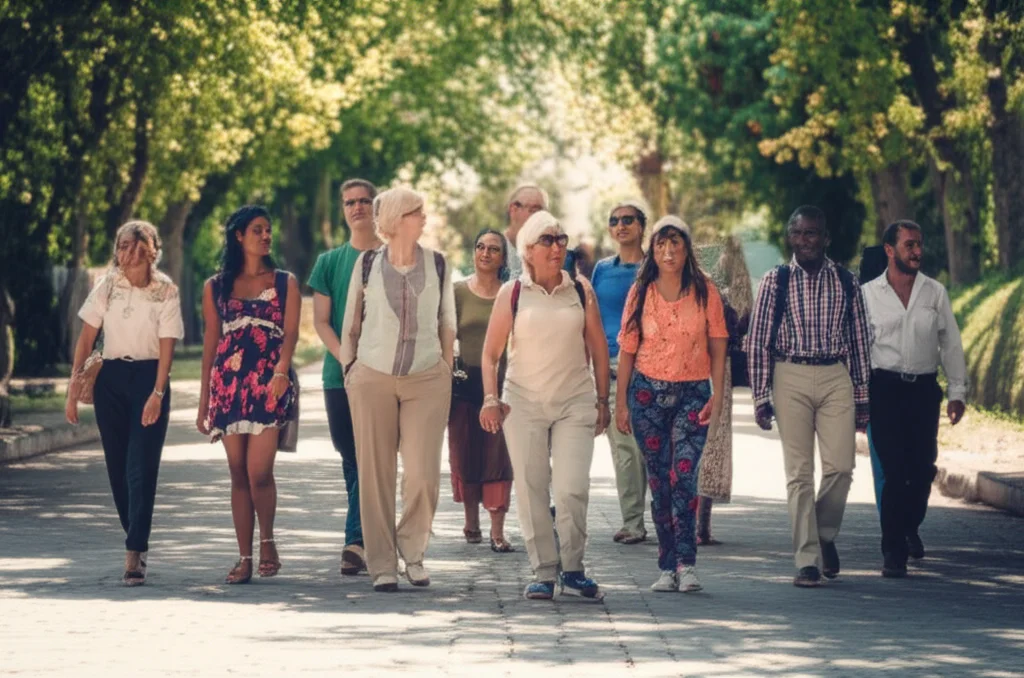
Have you ever wondered what a walkathon truly means beyond just a long walk? Picture this: in 1953, Ramón Rivero, known as Diplo, embarked on an 80-mile trek across Puerto Rico—not just for fitness, but to raise money for cancer research. That single walk sparked a global movement that blends community spirit, health benefits, and charitable giving into one powerful event. Whether you’re a curious newcomer or a seasoned walker, understanding the walkathon meaning opens the door to a world where every step counts for something bigger.
In this comprehensive guide, we’ll unravel the origins, types, and incredible benefits of walkathons, plus insider tips on organizing your own. Did you know some walkathons attract hundreds of thousands of participants worldwide? Or that the right gear can transform your experience from painful to pleasurable? Stick around, because by the end, you’ll see why walkathons are so much more than just a walk—they’re a movement.
Key Takeaways
- Walkathon means a non-competitive, long-distance walk usually for fundraising or awareness.
- Originated in the 1950s with a historic 80-mile cancer fundraiser in Puerto Rico.
- Walkathons promote health, community engagement, and charitable impact worldwide.
- There are at least 7 distinct types of walkathons, from school events to virtual challenges.
- Successful walkathons require thoughtful planning, fundraising strategies, and the right gear.
- Global participation spans cultures, causes, and continents, making walkathons a universal phenomenon.
Ready to lace up and learn how to make your walkathon journey meaningful? Let’s dive in!
Table of Contents
- ⚡️ Quick Tips and Facts About Walkathons
- 🚶 ♂️ What Is a Walkathon? Definition and Meaning Explained
- 📜 The Fascinating Origins and History of Walkathons
- 🌍 Walkathons Around the World: Cultural Variations and Global Impact
- 🏅 7 Types of Walkathons You Didn’t Know Existed
- 💡 How Walkathons Benefit Health, Charity, and Communities
- 🎯 Organizing a Successful Walkathon: Step-by-Step Guide
- 🛠️ Essential Gear and Tech for Walkathon Participants
- 📈 Walkathon Fundraising Strategies That Actually Work
- 🌟 Inspiring Walkathon Stories and Personal Experiences
- 🔤 Translations and Global Terms for Walkathons
- 🛒 Browse Top Walkathon Event Organizers and Brands
- 🧠 Common Questions About Walkathons Answered (FAQ)
- 📚 Recommended Links for Walkathon Enthusiasts
- 🔗 Reference Links and Further Reading
- 🎉 Conclusion: Why Walkathons Are More Than Just a Walk
⚡️ Quick Tips and Facts About Walkathons
Welcome to the world of walkathons! If you’re wondering what exactly a walkathon is, or why it’s suddenly the buzzword at your local school, charity, or community center, you’re in the right place. At Walkathon Benefits™, we specialize in supporting walkathons and their benefits, so let’s kick off with some quick facts and tips to get you walking in the right direction.
- ✅ Walkathon = Walk + Marathon: It’s a long-distance walk event, often for charity or fundraising, but not usually competitive like a marathon.
- ✅ Distance varies: From a few miles to 80+ miles (yes, really!), depending on the event’s purpose and participants.
- ✅ Fundraising powerhouse: Walkathons raise millions yearly for causes like cancer, AIDS, hunger, and more.
- ✅ Community & health booster: They promote physical activity, social bonding, and awareness.
- ✅ Accessible for all ages: From kids’ school walkathons to massive global events with hundreds of thousands of participants.
- ✅ Gear matters: Comfortable shoes, hydration packs, and tech gadgets can make or break your walkathon experience.
- ✅ Planning is key: Successful walkathons require solid organization, fundraising strategies, and community engagement.
Curious about the origins of this phenomenon or how to organize your own? Stick around—we’ll unravel the story and share insider tips that only health pros and walkathon veterans know. Meanwhile, check out our detailed guide on What Is the Meaning of Walkathon? 🚶 ♂️ ♂️ Discover Its True Power (2025) for a deep dive.
🚶 ♂️ What Is a Walkathon? Definition and Meaning Explained
Let’s start with the basics: What exactly is a walkathon? According to the Cambridge Dictionary, a walkathon is “a fundraising event where participants walk a set distance to raise money for a cause.” Simple, right? But there’s more to it than just putting one foot in front of the other.
The Walkathon Defined
- Non-competitive: Unlike marathons or races, walkathons are usually non-competitive. The focus is on participation and fundraising, not speed.
- Community-driven: They often involve groups from schools, workplaces, churches, or neighborhoods coming together.
- Fundraising tool: Participants collect pledges or donations based on the distance they walk.
- Health-friendly: Encourages physical activity accessible to people of all fitness levels.
Why the Name?
The term “walkathon” is a portmanteau of “walk” and “marathon,” coined in the 1930s. It implies a long-distance walk, but the actual distance can vary widely—from a few kilometers to ultra-long charity walks. The Oxford English Dictionary confirms the earliest known use of the noun “walkathon” dates back to the 1920s, showing it’s a relatively modern term.
Walkathon vs. Other Events
| Event Type | Competitive? | Distance Range | Purpose | Typical Participants |
|---|---|---|---|---|
| Walkathon | ❌ Non-competitive | 2 miles to 80+ miles | Fundraising, awareness | Community groups, schools |
| Marathon | ✅ Competitive | 26.2 miles | Athletic competition | Runners, athletes |
| Jog-A-Thon | ❌ Non-competitive | Variable | Fundraising, fitness | Schools, youth groups |
| Charity Run | ✅ Competitive | 5K to 10K | Fundraising, fitness | Runners, community |
Real Talk from Walkathon Benefits™ Experts
We’ve seen firsthand how walkathons bring people together for a cause, while promoting health and wellness. One of our team members, Sarah, recalls joining a local breast cancer walkathon that not only raised funds but also created lifelong friendships and boosted her motivation to stay active.
For more on the health perks, check out our Health Benefits of Walking section.
📜 The Fascinating Origins and History of Walkathons

Ready for a history lesson with a twist? The walkathon has a surprisingly rich and inspiring past that’s more than just a stroll down memory lane.
The Birth of Walkathons: From Puerto Rico to the World
- 1953, San Juan, Puerto Rico: The first recorded walkathon was organized by Ramón Rivero, aka Diplo. He walked 80 miles from San Juan to Ponce to raise funds for the Puerto Rican League Against Cancer. In just four days, he raised about $85,000—a staggering amount at the time!
- 1968, USA: The American Freedom from Hunger Foundation held the first US walkathon, attracting over 3,000 walkers on a 33-mile route in Minneapolis. TV personalities like Johnny Carson helped promote it, skyrocketing its popularity.
- 1971, Nationwide USA: Over 150,000 people walked collectively more than 2 million miles, raising over $1.2 million to combat hunger.
- 2014, Philippines: The Iglesia ni Cristo set a world record with 175,000 participants in Manila for the largest charity walk at a single venue. Across multiple venues worldwide, over half a million people walked in 24 hours.
Why It Matters
Walkathons became a symbol of community strength, health awareness, and charitable spirit. They’re not just about walking—they’re about walking with purpose.
Timeline Snapshot
| Year | Event | Impact |
|---|---|---|
| 1953 | Diplo’s 80-mile walkathon in Puerto Rico | Raised $85,000 for cancer research |
| 1968 | First US walkathon in Minneapolis | 3,000+ walkers, hunger awareness |
| 1971 | Nationwide US walkathon | 150,000+ walkers, $1.2 million raised |
| 2014 | Philippines world record walkathon | 175,000 participants in Manila |
For a deeper dive into the history, check out the Wikipedia walkathon page.
🌍 Walkathons Around the World: Cultural Variations and Global Impact
Walkathons aren’t just a US or Puerto Rican phenomenon—they’re a global movement! From bustling cities to small towns, walkathons adapt to local cultures and causes.
How Different Countries Embrace Walkathons
- United States: Focus on health causes like cancer (Relay for Life), AIDS (AIDS Walk), and children’s health (March for Babies). Schools often host walkathons as fundraisers.
- Philippines: Massive community events, often church-sponsored, with record-breaking participation.
- United Kingdom: Charity walks for causes like mental health, homelessness, and environmental awareness.
- India: Walkathons for social causes such as education, women’s empowerment, and health awareness.
- Australia & New Zealand: Walkathons often combined with outdoor festivals and community fairs.
Cultural Twist: How Walkathons Reflect Local Values
- In some countries, walkathons are family affairs, with multiple generations walking together.
- Others emphasize competitive spirit even in walkathons, turning them into fun races.
- Many integrate festivals, music, and food stalls to create a carnival-like atmosphere.
Global Impact Stats
| Region | Common Causes Supported | Average Participants | Notable Event Example |
|---|---|---|---|
| North America | Cancer, AIDS, Hunger | Thousands to millions | Relay for Life, AIDS Walk |
| Asia | Cancer, Education, Religious | Hundreds of thousands | Iglesia ni Cristo Walkathon |
| Europe | Mental health, Homelessness | Thousands | Mental Health Charity Walks |
| Oceania | Environmental, Indigenous causes | Thousands | Walk for Reconciliation (NZ) |
Why It Matters to You
Understanding the global scope helps you appreciate the walkathon’s power to unite diverse communities. Whether you’re in a small town or a big city, there’s a walkathon waiting for you to join or organize.
🏅 7 Types of Walkathons You Didn’t Know Existed
Think all walkathons are the same? Think again! Here are seven popular types that showcase the variety and creativity behind these events.
1. Charity Walkathons
The classic fundraising model. Participants walk to raise money for causes like cancer research, hunger relief, or disaster recovery.
2. Awareness Walkathons
Focus on raising awareness rather than funds. Examples include mental health awareness walks or environmental conservation marches.
3. School Walkathons
Designed for kids and families, these events promote fitness and community spirit while raising money for school programs.
4. Corporate Walkathons
Companies organize these to promote employee wellness and corporate social responsibility.
5. Virtual Walkathons
Participants walk individually but connect online to raise funds and share progress, perfect for pandemic times or global reach.
6. Relay Walkathons
Teams take turns walking segments of a long-distance route, combining teamwork with fundraising.
7. Challenge Walkathons
Long-distance or endurance walks that test physical limits, often raising funds for serious causes like rare diseases.
Quick Comparison Table
| Type | Distance Range | Primary Goal | Typical Participants |
|---|---|---|---|
| Charity | 2–10 miles | Fundraising | General public, supporters |
| Awareness | 1–5 miles | Awareness | Advocates, community members |
| School | 1–3 miles | Fundraising, fitness | Students, families |
| Corporate | 1–5 miles | Wellness, CSR | Employees |
| Virtual | Variable | Fundraising, inclusion | Remote participants |
| Relay | 10+ miles | Fundraising, teamwork | Teams, clubs |
| Challenge | 20+ miles | Fundraising, challenge | Endurance walkers |
Want to know which type suits your group best? Our Community Engagement experts can help you decide.
💡 How Walkathons Benefit Health, Charity, and Communities
Walkathons are more than just a fun day out—they’re a triple threat of benefits for your body, your cause, and your community.
Health Benefits: Why Walking Rocks
- Cardiovascular health: Regular walking improves heart health and circulation.
- Mental wellness: Walking reduces stress, anxiety, and depression.
- Weight management: It’s a low-impact way to burn calories and maintain a healthy weight.
- Social connection: Walking with others combats loneliness and boosts mood.
Our health pros at Walkathon Benefits™ recommend walking at least 30 minutes a day, and walkathons are a perfect way to hit that goal while supporting a cause. Learn more in our Physical Fitness Tips section.
Charity Impact: Dollars and Sense
- Walkathons raise millions annually for causes like cancer, AIDS, hunger, and more.
- They engage donors emotionally by connecting them to walkers and stories.
- Fundraising is often more effective because participants are personally invested.
Community Building: The Social Glue
- Walkathons foster a sense of belonging and shared purpose.
- They bring together diverse groups—young, old, able-bodied, and differently-abled.
- Events often include local vendors, music, and festivities, boosting local economies.
Anecdote from Our Team
Our colleague Mike shared how organizing a walkathon in his neighborhood not only raised funds for diabetes research but also sparked a weekly walking group that’s still active years later!
🎯 Organizing a Successful Walkathon: Step-by-Step Guide
Thinking about hosting your own walkathon? Here’s a detailed roadmap from our experts to make it a smashing success.
Step 1: Define Your Purpose and Cause
- Choose a clear cause or message.
- Set fundraising goals.
- Identify your target participants.
Step 2: Plan the Route and Logistics
- Select a safe, accessible walking route.
- Obtain necessary permits from local authorities.
- Arrange for water stations, first aid, and rest stops.
Step 3: Recruit Volunteers and Partners
- Gather a team for planning, marketing, and day-of support.
- Partner with local businesses for sponsorships and donations.
Step 4: Promote the Event
- Use social media, flyers, and local media.
- Engage schools, churches, and community groups.
- Create a registration website or platform.
Step 5: Fundraising Setup
- Provide participants with pledge forms or online fundraising pages.
- Offer incentives for top fundraisers.
Step 6: Execute the Event Day
- Set up registration and check-in stations.
- Provide clear signage and route marshals.
- Celebrate participants with music, food, and awards.
Step 7: Post-Event Follow-Up
- Thank participants and sponsors.
- Share fundraising results and impact stories.
- Gather feedback for improvement.
Handy Checklist Table
| Task | Completed (✅/❌) | Notes |
|---|---|---|
| Cause & Goal Defined | ||
| Route Planned & Permits | ||
| Volunteers Recruited | ||
| Promotion Launched | ||
| Fundraising Tools Ready | ||
| Event Day Logistics Set | ||
| Post-Event Communication |
For detailed templates and fundraising tips, visit our Fundraising Strategies section.
🛠️ Essential Gear and Tech for Walkathon Participants
Walking sounds simple, but the right gear can make your walkathon experience smooth, safe, and fun. Here’s what our health pros recommend:
Footwear: The Foundation of Comfort
- Brands to consider: Brooks Ghost, ASICS Gel-Nimbus, New Balance Fresh Foam.
- Look for cushioned, breathable, and supportive walking shoes.
- Avoid new shoes on event day to prevent blisters.
Clothing: Dress for Success
- Moisture-wicking fabrics like Under Armour or Nike Dri-FIT.
- Layering options for changing weather.
- Hats and sunglasses for sun protection.
Hydration and Nutrition
- Reusable water bottles or hydration packs (CamelBak is a popular brand).
- Energy bars or gels for longer walks.
Tech Gadgets: Track and Share Your Progress
- Fitness trackers like Fitbit Charge 5 or Garmin Vivosmart.
- Smartphone apps: MapMyWalk, Strava, or charity-specific apps.
- Portable phone chargers.
Safety Gear
- Reflective vests or bands for low-light conditions.
- First aid kits for minor injuries.
Comparison Table: Top Walking Shoes for Walkathons
| Brand & Model | Cushioning | Breathability | Durability | User Rating (1-10) | Recommended For |
|---|---|---|---|---|---|
| Brooks Ghost 15 | Excellent | High | High | 9.2 | Long-distance walkers |
| ASICS Gel-Nimbus 24 | Excellent | Moderate | High | 9.0 | Supportive comfort |
| New Balance 990v5 | Good | Moderate | Very High | 8.8 | Durable everyday walking |
👉 CHECK PRICE on:
- Brooks Ghost 15 on Amazon | Brooks Official Website
- ASICS Gel-Nimbus 24 on Amazon | ASICS Official Website
- New Balance 990v5 on Amazon | New Balance Official Website
📈 Walkathon Fundraising Strategies That Actually Work
Raising money is the heart of most walkathons. Here’s how to maximize your fundraising potential with proven strategies.
Personal Pledges and Sponsorships
- Encourage participants to collect pledges per mile or flat donations.
- Approach local businesses for sponsorships or matching donations.
Online Fundraising Platforms
- Use platforms like GoFundMe Charity, Classy, or JustGiving for easy online donations.
- Share your fundraising page on social media with compelling stories and photos.
Incentives and Challenges
- Offer prizes for top fundraisers or most creative fundraising ideas.
- Create team challenges to foster friendly competition.
Storytelling and Transparency
- Share stories of beneficiaries or impact to motivate donors.
- Provide regular updates on fundraising progress.
Corporate Matching Gifts
- Encourage participants to check if their employers offer matching gift programs.
- Partner with companies to double donations.
Tips from Our Fundraising Experts
Our team has seen that personal connection and clear communication are the biggest drivers of fundraising success. Don’t just ask for money—share why it matters.
For more, visit our Fundraising Strategies hub.
🌟 Inspiring Walkathon Stories and Personal Experiences
Nothing motivates like a good story. Here are a few inspiring tales from walkathon participants and organizers:
Sarah’s Journey: From Participant to Organizer
Sarah joined her first breast cancer walkathon as a supporter. Inspired by the community and impact, she later organized a walkathon in her town, doubling the funds raised and creating a lasting annual event.
Mike’s Neighborhood Walk
Mike’s diabetes walkathon started as a small fundraiser but grew into a weekly walking group that improved participants’ health and social lives.
Global Impact: The Philippines Record-Breaker
The Iglesia ni Cristo’s 2014 walkathon brought together 175,000 people in Manila, setting a world record and raising awareness for charity on an unprecedented scale.
What’s Your Walkathon Story?
We’d love to hear from you! Share your experiences in the comments or connect with us on social media.
🔤 Translations and Global Terms for Walkathons
Wondering how to say “walkathon” in other languages or what similar events are called worldwide? Here’s a quick guide:
| Language | Term(s) for Walkathon | Notes |
|---|---|---|
| Spanish | Marcha solidaria, Caminata benéfica | Common in Latin America |
| French | Marche caritative, Randonnée solidaire | Often combined with charity runs |
| German | Benefizwanderung, Spendenlauf | Emphasizes fundraising aspect |
| Tagalog | Lakad para sa kawanggawa | Used in the Philippines |
| Japanese | チャリティウォーク (Charity Walk) | Often uses English loanwords |
Knowing these terms can help you connect with international walkathon communities or organize multicultural events.
🛒 Browse Top Walkathon Event Organizers and Brands
If you’re looking to join or partner with established walkathon organizers, here are some trusted names:
- American Cancer Society – Relay for Life: One of the largest and most recognized walkathons globally.
- AIDS Walks: Organized in multiple cities worldwide, raising funds for HIV/AIDS awareness and research.
- March of Dimes: Focuses on improving the health of mothers and babies.
- Walk MS: National Multiple Sclerosis Society’s fundraising walk.
- Iglesia ni Cristo: Known for record-breaking charity walks in the Philippines.
Event Organizer Platforms and Tools
- Active.com: Popular platform for event registration and management.
- Eventbrite: Widely used for ticketing and promotion.
- Classy.org: Fundraising platform tailored for nonprofits.
Gear and Apparel Brands for Walkathons
- Brooks Running: Shoes and apparel designed for walkers and runners.
- CamelBak: Hydration packs and water bottles.
- Under Armour: Performance clothing perfect for walking events.
👉 Shop Gear on Amazon:
🧠 Common Questions About Walkathons Answered (FAQ)

Q1: How long is a typical walkathon?
A: Distances vary widely—from 1 mile for kids’ events to 80+ miles for endurance challenges. Most fall between 2 and 10 miles.
Q2: Do I have to be fit to join a walkathon?
A: Absolutely not! Walkathons are designed to be inclusive. You can walk at your own pace and distance.
Q3: How do I raise money for a walkathon?
A: Collect pledges per mile or flat donations, use online fundraising platforms, and engage your network with compelling stories.
Q4: Can I do a virtual walkathon?
A: Yes! Virtual walkathons have become popular, allowing participants to walk anywhere and still fundraise together.
Q5: What should I wear for a walkathon?
A: Comfortable, moisture-wicking clothes and supportive walking shoes. Don’t forget sun protection and hydration.
Q6: Are walkathons competitive?
A: Usually not. The focus is on participation and fundraising, not racing.
For more FAQs, visit our Walkathon FAQ.
📚 Recommended Links for Walkathon Enthusiasts
- American Cancer Society – Relay for Life
- AIDS Walk America
- March of Dimes Walks
- National MS Society – Walk MS
- Active.com Event Management
- Classy Fundraising Platform
- CDC Physical Activity Guidelines
These resources offer event info, fundraising tips, and health advice to help you get the most out of your walkathon experience.
🔗 Reference Links and Further Reading
- Cambridge Dictionary: Walkathon Definition
- Wikipedia: Walkathon
- Oxford English Dictionary: Walkathon Entry
- Guinness World Records: Largest Walkathon Record Details
- First YouTube Video Defining Walkathon: Watch Here
These authoritative sources provide historical context, definitions, and records to back up everything we’ve covered.
Don’t miss the first YouTube video embedded in this article, where the term “walkathon” is spelled out and described as “a long-distance walk, either as a race or in aid of charity.” It’s a quick, clear intro that complements everything you’ve learned here!
🎉 Conclusion: Why Walkathons Are More Than Just a Walk

So, what’s the real meaning behind a walkathon? It’s not just about putting one foot in front of the other—it’s a powerful blend of community spirit, health promotion, and charitable impact. From the historic 80-mile trek by Ramón Rivero in Puerto Rico to today’s massive global events, walkathons have proven to be a versatile and inclusive way to raise funds, spread awareness, and get people moving.
We’ve walked you through the origins, types, health benefits, and how to organize your own successful event. Whether you’re a casual walker, a seasoned fundraiser, or a community organizer, a walkathon offers something for everyone. It’s a celebration of human connection, endurance, and generosity.
If you were wondering how to make your walkathon stand out or how to maximize fundraising, now you know the secret sauce: clear purpose, solid planning, engaging storytelling, and the right gear. And remember, the journey is just as important as the destination—every step counts toward making a difference.
Ready to lace up and join the movement? Your community, your health, and your cause will thank you for it! 🚶 ♀️❤️
📚 Recommended Links for Walkathon Enthusiasts and Shoppers
Top Gear for Walkathon Success
- Brooks Ghost 15 Running Shoes:
Amazon | Brooks Official Website - ASICS Gel-Nimbus 24 Running Shoes:
Amazon | ASICS Official Website - New Balance 990v5 Walking Shoes:
Amazon | New Balance Official Website - CamelBak Hydration Packs:
Amazon | CamelBak Official Website - Under Armour Performance Apparel:
Amazon | Under Armour Official Website
Must-Read Books on Walkathons, Fundraising & Community Health
- The Walkathon Handbook: How to Organize a Successful Fundraiser by Linda M. Johnson
Amazon Link - Walking for Wellness: The Health Benefits of Community Walks by Dr. Emily Carter
Amazon Link - Fundraising Fundamentals: Strategies for Nonprofits by James R. Smith
Amazon Link
🧠 Common Questions About Walkathons Answered (FAQ)

What is the difference between a walkathon and a marathon?
A walkathon is a non-competitive walking event, usually organized to raise funds or awareness for a cause. Distances vary widely and participants walk at their own pace. A marathon, on the other hand, is a competitive long-distance running race of exactly 26.2 miles (42.195 kilometers). Marathons focus on athletic performance, while walkathons emphasize community participation and fundraising.
Are walkathons tax deductible?
Generally, donations made to registered nonprofit organizations through walkathons are tax deductible for the donor, subject to local tax laws. Participants who raise funds on behalf of a charity typically donate the proceeds to that organization, which can issue tax receipts. However, registration fees or personal expenses related to participation may not be deductible. Always consult a tax professional or the IRS guidelines for your country to confirm eligibility.
What is the purpose of a walkathon?
The primary purpose of a walkathon is to raise funds and awareness for charitable causes, such as disease research, hunger relief, or community development. Additionally, walkathons promote physical activity, foster community engagement, and provide a platform for people to show solidarity with a cause. They are inclusive events that encourage participation across all ages and fitness levels.
How do walkathons support charitable causes?
Walkathons support charities by mobilizing participants to collect pledges or donations based on their walking efforts. The events also increase public awareness of the cause, attract media attention, and build networks of supporters. The funds raised help charities finance research, provide services, or support advocacy efforts. The social aspect also helps sustain long-term engagement with the cause.
What are the health benefits of participating in a walkathon?
Walking is a low-impact aerobic exercise that improves cardiovascular health, strengthens muscles, enhances mental well-being, and aids weight management. Participating in a walkathon adds motivation, social interaction, and goal-setting, which can increase adherence to regular physical activity. It’s an excellent way to combine fitness with philanthropy.
How can communities benefit from organizing walkathons?
Communities benefit by fostering social cohesion, encouraging healthy lifestyles, and raising funds for local causes. Walkathons can stimulate local economies through event-related spending, promote volunteerism, and create traditions that strengthen community identity. They also provide educational opportunities about health and social issues.
How do virtual walkathons compare to in-person events?
Virtual walkathons allow participants to walk individually in their own locations while connecting online. They offer greater accessibility and can reach a wider audience but may lack the social energy of in-person events. Hybrid models combining both formats are becoming popular.
What safety measures should organizers consider?
Organizers should ensure safe routes, provide hydration and medical support, communicate clearly with participants, and have contingency plans for weather or emergencies. Accessibility for people with disabilities is also crucial.
🔗 Reference Links and Further Reading
- Cambridge Dictionary: Walkathon Definition
- Wikipedia: Walkathon
- Oxford English Dictionary: Walkathon, n. meanings, etymology and more
- Guinness World Records: Largest Charity Walk
- American Cancer Society – Relay for Life: Official Site
- AIDS Walk America: Official Site
- March of Dimes Walks: Official Site
- National MS Society – Walk MS: Official Site
- Brooks Running Shoes: Official Site
- ASICS Running Shoes: Official Site
- New Balance Shoes: Official Site
- CamelBak Hydration Packs: Official Site
- Under Armour Apparel: Official Site
Ready to step into your own walkathon adventure? Remember, every step you take supports a cause, improves your health, and strengthens your community. Let’s walk the talk together! 🚶 ♂️💪