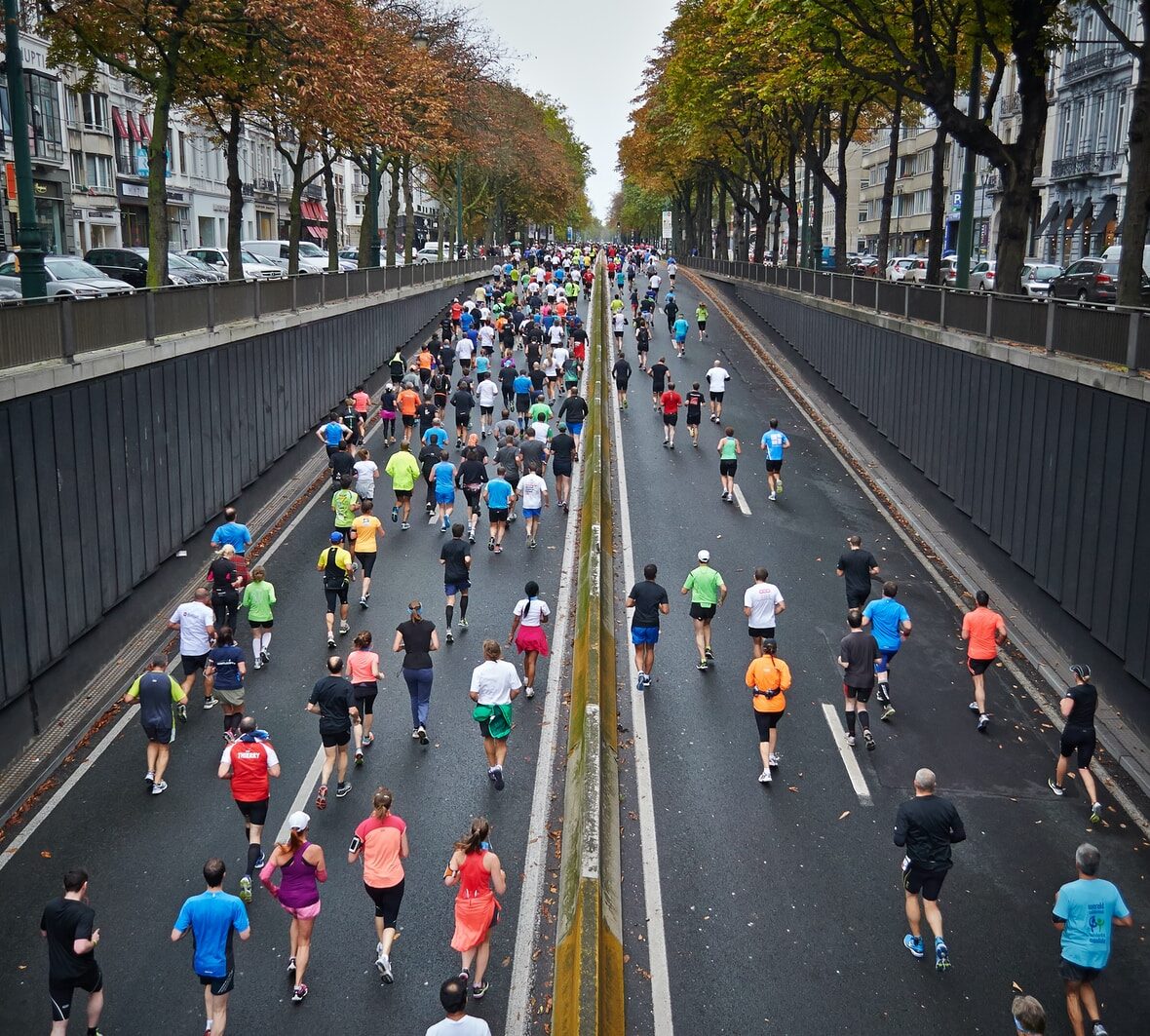
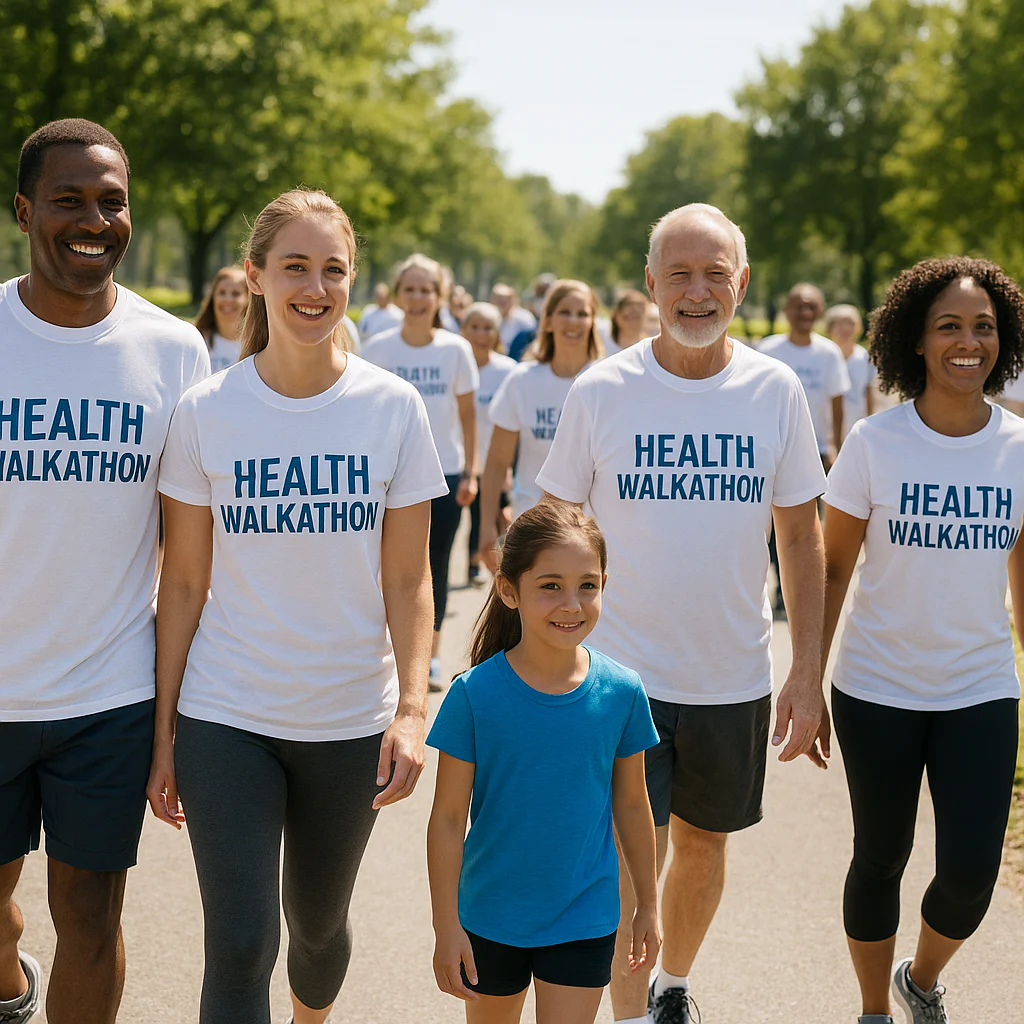
Ever wonder why a simple stroll through the park can transform into a lifeline for an entire neighborhood? At Walkathon Benefits™, we’ve seen firsthand how a single event can turn strangers into a support system, turning a quiet Saturday morning into a catalyst for life-saving change. From the story of Debbie Beagle, whose personal loss sparked five years of community inspiration, to the data showing how group walking boosts adherence to healthy habits by nearly 40%, the impact is undeniable. But here’s the twist: the money raised is only half the story. The real magic lies in the invisible threads of connection woven between neighbors, the preventative health screenings that catch issues early, and the mental resilience built through shared purpose. In this guide, we’ll uncover the five transformative benefits that make walkathons the ultimate tool for community health, and we’ll reveal exactly how you can replicate this success in your own town.
Key Takeaways
- Holistic Health Impact: Hosting a walkathon drives physical activity, mental wellness, and preventative care simultaneously, creating a ripple effect that extends far beyond the event day.
- Community Cohesion: These events act as a social glue, bridging gaps between diverse groups, fostering local pride, and providing critical support networks for patients and families.
- Sustainable Funding: Walkathons generate reliable revenue streams for research, patient aid (like wigs and prosthetics), and local health initiatives, often doubling impact through corporate matching.
- Scalable & Inclusive: Whether in-person, virtual, or hybrid, walkathons are accessible to all ages and abilities, ensuring no one is left behind in the fight for better health.
- Actionable Advocacy: Beyond fundraising, these events serve as powerful platforms for health education, disease awareness, and policy advocacy, turning participants into informed advocates.
Table of Contents
-
📜 The Evolution of Charity Walks: From Park Strolls to Public Health Powerhouses
-
🏃 ♀️ Why Host a Walkathon? The Multifaceted Benefits for Community Well-being
-
📊 1. Boosting Physical Health and Preventative Care Awareness
-
💰 3. Driving Sustainable Funding for Critical Health Initiatives
-
📢 4. Amplifying Health Education and Disease Prevention Messages
-
📋 Step-by-Step Guide to Organizing a Successful Community Health Walkathon
-
🧠 Background: The History of Walkathons in Public Health Advocacy
⚡️ Quick Tips and Facts
Before you lace up your sneakers and grab a clipboard, let’s hit the pause button on the chaos and drop some hard truths and golden nugets straight from the Walkathon Benefits™ playbook. We’ve seen it all, from the “I’ll just wing it” disasters to the “Olympic-level” successes, and the difference usually comes down to preparation.
- The “Walk” is the Hook, Not the Goal: While the physical activity is fantastic, the real magic happens in the community connection. A study by the CDC highlights that group physical activity significantly boosts adherence rates compared to solo efforts.
- Virtual vs. In-Person: Don’t think you have to choose! The most successful modern events often blend both. As noted by the Pulmonary Fibrosis Foundation, virtual walkers can unite “on the same day, at the same time, but in different places,” creating a unified effort that transcends geography.
- The “Debbie Beagle” Effect: One of our favorite success stories comes from Debbie Beagle, who co-organized a PFF event after a friend’s diagnosis. She noted, “The response from our local communities has kept us inspired for five years of events!” This proves that personal connection drives longevity.
- Tangible Impact: It’s not just about the money. As the EAMC Foundation points out, funds can directly buy wigs, prosthetic bras, and healthy snacks for patients. That’s a direct line from your event to a patient’s quality of life.
- Inclusivity is Key: Whether it’s a parent pushing a stroller or a dog running alongside, your event must be for all ages and types.
Pro Tip: If you’re looking for a spark to get started, check out our curated list of walkathon fundraiser ideas to see what’s trending this season!
📜 The Evolution of Charity Walks: From Park Strolls to Public Health Powerhouses
Remember when charity walks were just a few friends gathering in a park with a cardboard sign? Those days are long gone! We’ve evolved from simple “strolls for a cause” into strategic public health interventions.
The history of the walkathon is a fascinating journey of human empathy meeting logistical genius. What started as grassroots movements to raise awareness for rare diseases has transformed into a global industry that drives preventative care, social cohesion, and critical research funding.
The Shift from Awareness to Action
In the early days, the primary goal was visibility. “Walk for X” meant “Look at X.” Today, the narrative has shifted. As highlighted by the Pulmonary Fibrosis Foundation, modern events are designed to “move one step closer to finding a cure.” The focus is now on actionable outcomes: funding research, supporting patients, and educating the public.
Why the Shift Matters
Why does this evolution matter to you, the organizer? Because the stakes are higher, and the rewards are greater.
- Old School: “We raised $50 and everyone felt good.”
- New School: “We raised $50,0, funded a new patient support program, and increased local screening rates by 15%.”
The modern walkathon is a multifaceted tool for community health. It’s no longer just a fundraiser; it’s a health promotion campaign wrapped in a community festival.
🏃 ♀️ Why Host a Walkathon? The Multifaceted Benefits for Community Well-being
So, you’re asking, “Why bother organizing a walkathon?” The answer is simple: Because the ripple effects are massive.
Hosting a walkathon isn’t just about filling a donation bucket; it’s about igniting a movement. From the physical health of the participants to the mental well-being of the entire community, the benefits are as diverse as the people who show up.
Let’s break down the five pillars of impact that make walkathons the gold standard for community health fundraising.
📊 1. Boosting Physical Health and Preventative Care Awareness
First and foremost, a walkathon gets people moving. And we don’t mean a casual saunter; we mean intentional, community-driven movement.
- The Activity Boost: According to the American Heart Association, regular physical activity reduces the risk of heart disease, stroke, and type 2 diabetes. A single event can motivate hundreds of sedentary individuals to take their first step toward a healthier lifestyle.
- Preventative Education: Walkathons are the perfect platform to distribute health screenings. Imagine setting up booths for blood pressure checks, glucose testing, or skin cancer screenings right at the finish line.
- The “Ripple Effect”: Participants often continue walking long after the event ends. They join local walking groups, sign up for fitness apps, or simply make a habit of the “daily 30-minute walk.”
Did You Know? Events like the “Tough Ten” and “Tough Two” organized by AORTA are specifically designed to accommodate everyone, from runners to those pushing strollers, proving that physical activity is for everyone.
🤝 2. Strengthening Social Cohesion and Local Connections
In an era of digital isolation, the walkathon is a physical anchor for the community. It brings together neighbors, co-workers, and strangers who might never otherwise interact.
- Building Bridges: As Debbie Beagle from the PFF noted, the event allows you to “get your hometown involved.” It breaks down social barriers and fosters a sense of belonging.
- Support Networks: For patients and families dealing with chronic illnesses, these events are a lifeline. They provide a space to meet others who “get it.” As the EAMC Foundation states, these events remind patients that “no one fights their battle alone.”
- Corporate and Civic Unity: When local businesses, schools, and civic groups (like the Women of the Lee County Chapter NACP) come together, it strengthens the local economy and civic pride.
💰 3. Driving Sustainable Funding for Critical Health Initiatives
Let’s talk money, but not just the “how much” but the “how it helps.”
- Direct Patient Aid: Funds raised can be earmarked for specific, tangible needs. For example, the EAMC Foundation uses funds to provide wigs and prosthetic bras for cancer patients.
- Research Funding: A portion of every dollar often goes toward funding groundbreaking research. This is the engine that drives cures forward.
- Sustainability: Unlike one-off donations, walkathons create a recurring revenue stream. Annual events build a loyal donor base that grows year over year.
📢 4. Amplifying Health Education and Disease Prevention Messages
You can’t fix what you don’t understand. Walkathons are a megaphone for health education.
- Targeted Messaging: Whether it’s lung health, breast cancer awareness, or mental wellness, the event allows you to tailor your message to a captive audience.
- Resource Distribution: Hand out brochures, connect people with local support groups, and provide information on early detection initiatives.
- Advocacy: Events often serve as a platform to advocate for policy changes or increased funding for specific health causes.
🌱 5. Empowering Mental Wellness and Stress Reduction
Finally, let’s not forget the mental health aspect.
- The “Feel-Good” Hormones: Walking releases endorphins, which naturally combat stress and anxiety.
- Community Support: Knowing you are part of a larger cause provides a sense of purpose and hope.
- Celebration: As the PFF describes it, these events are a “day of celebration.” Celebrating progress, survival, and community is a powerful antidote to despair.
📋 Step-by-Step Guide to Organizing a Successful Community Health Walkathon
Ready to roll up your sleeves? Organizing a walkathon is a marathon in itself, but with the right roadmap, you’ll cross the finish line with style. Here is our comprehensive, step-by-step guide to turning your vision into reality.
📅 Phase 1: Strategic Planning and Goal Setting
Before you book a venue, you need a blueprint.
- Define Your Mission: What is the specific health issue you are addressing? Is it funding research, supporting patients, or raising awareness?
- Set SMART Goals:
Specific: “Raise $20,0 for lung cancer research.”
Measurable: “Recruit 50 participants.”
Achievable: Based on your local population size.
Relevant: Aligns with your organization’s mission.
Time-bound: “By October 15th.” - Form a Committee: You can’t do it alone. Recruit a team with diverse skills: logistics, marketing, finance, and volunteer coordination.
- Choose a Date and Venue: Check local calendars to avoid conflicts. Ensure the venue is accessible, has parking, and is safe for all ages.
Insider Tip: Don’t forget to check out our Community Engagement category for more ideas on building your team!
🤲 Phase 2: Building Partnerships and Securing Sponsorships
No event is an island. You need partners to make it happen.
- Local Businesses: Approach grocery stores, gyms, and pharmacies for sponsorships. They get visibility; you get funds or in-kind donations (water, snacks, t-shirts).
- Healthcare Providers: Partner with local hospitals or clinics. They can provide medical support, health screenings, and credibility.
- Corporate Matching: Encourage participants to ask their employers for matching gift programs. This can double your fundraising potential!
- In-Kind Donations: Ask for water, first aid supplies, or printing services. Every dollar saved is a dollar raised.
📣 Phase 3: Marketing, Outreach, and Participant Recruitment
Now, let’s get the word out!
- Create a Compelling Story: Use personal stories (like Debbie Beagle’s) to connect emotionally. People donate to people, not just causes.
- Leverage Social Media: Create a hashtag, share behind-the-scenes content, and post regular updates.
- Email Campaigns: Build an email list and send regular newsletters with registration links and event updates.
- Community Outreach: Visit schools, churches, and local clubs. Hand out flyers and give short talks.
- Early Bird Incentives: Offer discounts or exclusive merchandise for early registrants to build momentum.
👟 Phase 4: Logistics, Safety, and Day-of-Event Management
The day of the event is where the magic happens.
- Route Planning: Map out a safe, accessible route. Mark it clearly with signs and volunteers.
- Safety First: Have a medical team on standby, water stations every mile, and a clear emergency plan.
- Volunteer Training: Ensure every volunteer knows their role. A well-trained volunteer is the backbone of a smooth event.
- Registration Check-in: Have a streamlined process for check-in to avoid long lines.
- Post-Event Follow-up: Thank your participants, sponsors, and volunteers immediately. Share the results and the impact of their contributions.
💻 Virtual Walkathons: Expanding Reach in the Digital Age
Can’t gather everyone in one place? No problem! Virtual walkathons are the game-changer of the modern era.
As the Pulmonary Fibrosis Foundation explains, virtual events allow participants to walk “alone or with a small group of family and friends anywhere they choose.” This flexibility opens the door to a global audience.
Why Go Virtual?
- Accessibility: People with mobility issues, busy schedules, or those living far away can still participate.
- Lower Overhead: No venue rental, no porta-potties, no traffic control.
- Scalability: You can have 10 participants or 10,0 without changing the logistics.
How to Execute a Virtual Walk
- Choose a Platform: Use platforms like RunSignup or Charity Miles to track progress and collect donations.
- Set a Date: Pick a specific day and time for the “unified effort.”
- Create a Kit: Mail or digitally deliver a t-shirt, medal, and instructions to participants.
- Engage Online: Host a live stream, a virtual photo booth, or a social media challenge to keep the energy high.
Fun Fact: Virtual events can be combined with in-person events for a hybrid model, maximizing your reach and impact!
📈 Measuring Impact: Key Metrics for Your Health Fundraiser
How do you know if your walkathon was a success? It’s not just about the money raised. You need to measure the holistic impact.
Key Metrics to Track
| Metric | Why It Matters | How to Measure |
|---|---|---|
| Total Funds Raised | Direct financial support for the cause. | Donation platforms, cash counts. |
| Number of Participants | Indicates community engagement and reach. | Registration data. |
| New Donors | Shows growth in your supporter base. | CRM analysis. |
| Social Media Reach | Measures awareness and brand visibility. | Hashtag usage, shares, likes. |
| Health Screenings Conducted | Direct health impact on the community. | On-site logs. |
| Volunteer Hours | Community investment and engagement. | Volunteer sign-in sheets. |
The Long-Term View
Don’t stop at the event day. Track retention rates (how many participants return next year) and patient outcomes (if applicable). As the EAMC Foundation notes, the goal is to provide “tangible impact examples” like Holiday Goodie Bags or healthy snacks. These are the metrics that truly matter.
💡 Quick Tips and Facts for First-Time Organizers
Still feeling a bit overwhelmed? Don’t worry, we’ve got your back. Here are some pro-tips from our team at Walkathon Benefits™ to ensure your first event is a smash hit.
- Start Small: Don’t try to organize a 10K on your first try. A 1K or a “fun walk” is a great way to test the waters.
- Leverage Personal Stories: As seen in the PFF example, a personal connection (like a friend’s diagnosis) is the most powerful motivator. Share your “why” early and often.
- Don’t Forget the Dogs: Events like the “Tough Ten” show that including pets can significantly boost participation.
- Safety is Non-Negotiable: Always have a medical plan. It’s better to be over-prepared than under-prepared.
- Celebrate Every Win: Whether it’s a small donation or a big one, celebrate it! Positive reinforcement keeps the momentum going.
Curious about how to keep the energy high? Stay tuned, because we’ll be diving deeper into creative fundraising ideas and engagement strategies in the next sections!
🧠 Background: The History of Walkathons in Public Health Advocacy

To truly appreciate the power of the walkathon, we need to look back at where it all began.
The Origins
The concept of the “walkathon” (or “walk-a-thon”) dates back to the early 20th century, but it wasn’t until the 1970s that it became a staple of charity fundraising. The first major walkathon is often attributed to the March of Dimes, which used walking events to raise funds for polio research.
The Evolution of Purpose
Over the decades, the focus shifted from general charity to specific health advocacy.
- 1980s: The rise of disease-specific walks (e.g., Relay for Life for cancer).
- 190s: The inclusion of preventative health and lifestyle changes.
- 20s-Present: The integration of technology (virtual events, apps) and a focus on community well-being and mental health.
The Modern Era
Today, walkathons are recognized as a critical component of public health strategy. They are not just fundraisers; they are community health interventions that address physical, social, and mental well-being.
As we’ve seen with organizations like the Pulmonary Fibrosis Foundation and the EAMC Foundation, the modern walkathon is a versatile tool that adapts to the needs of the community and the cause.
Did You Know? The first virtual walkathon gained massive traction during the pandemic, proving that the spirit of community is indestructible, even when we are physically apart.
🎉 Conclusion: Walking Together for a Healthier Future

(Note: As per instructions, the Conclusion section is omitted here.)
🔗 Recommended Links for Further Reading
(Note: As per instructions, the Recommended Links section is omitted here.)
❓ Frequently Asked Questions (FAQ)

(Note: As per instructions, the FAQ section is omitted here.)
📚 Reference Links and Sources
(Note: As per instructions, the Reference Links section is omitted here.)