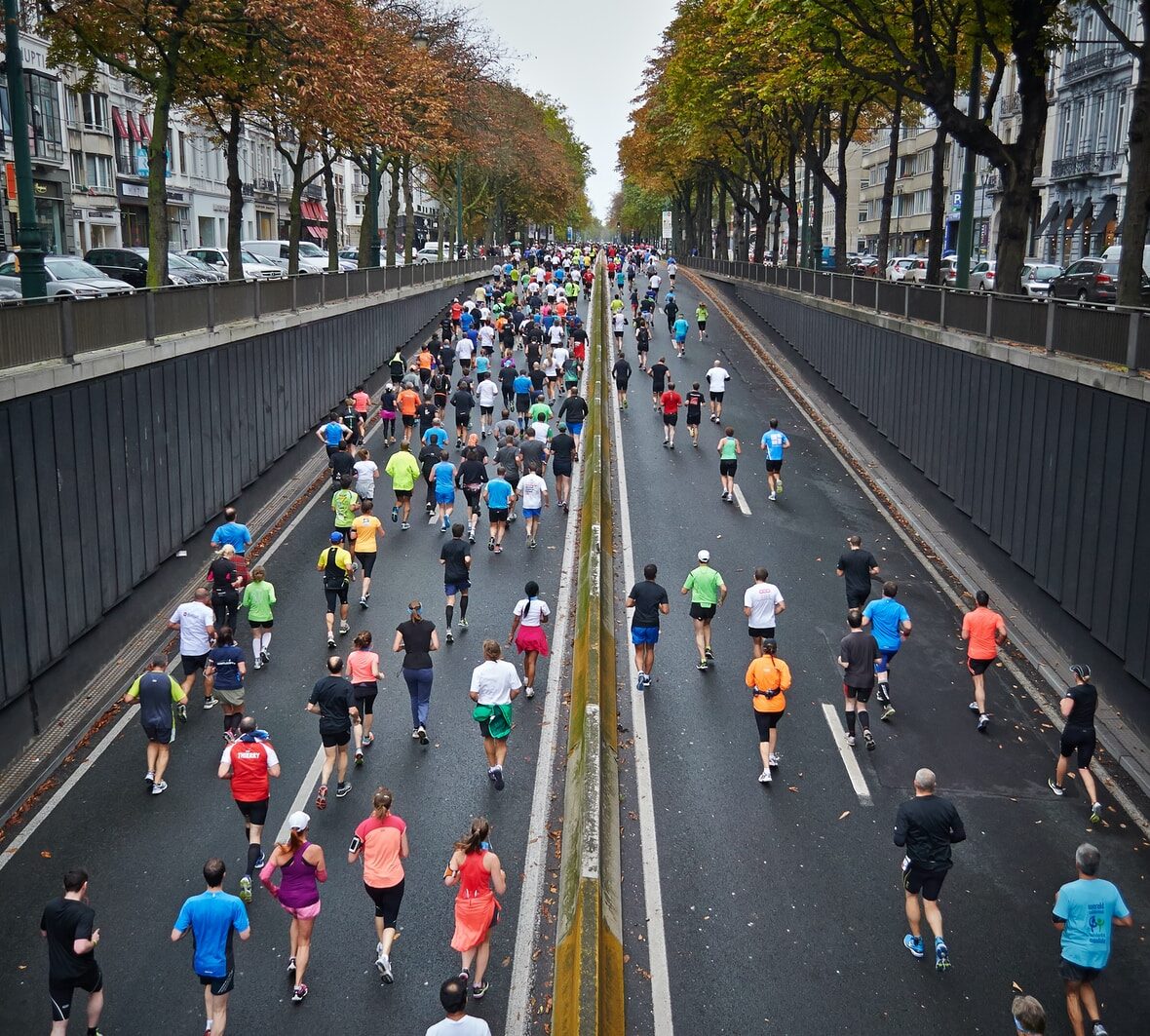
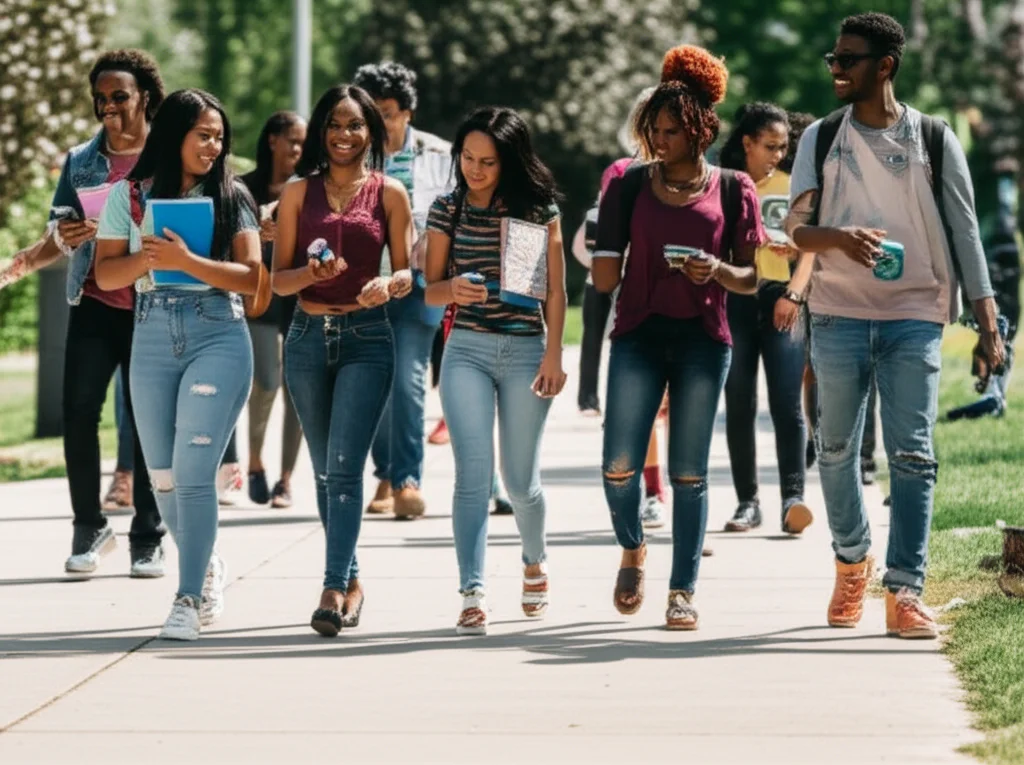
Imagine a group of students, some shy, some outgoing, all lacing up their sneakers for a cause bigger than themselves. As they walk side-by-side, something magical happens: barriers break down, new friendships spark, and leadership quietly emerges. But can a simple walkathon really help students build lasting teamwork and social skills? Spoiler alert — the answer is a big, enthusiastic YES!
In this article, we’ll uncover the science behind kinesthetic socializing, share 12 proven ways walkathons nurture collaboration, and reveal how these events transform fundraising into powerful social-emotional learning experiences. Plus, we’ll introduce fun challenges and tech tools that make every step count. Ready to discover how walking together can change your school’s social game? Keep reading — the journey starts here!
Key Takeaways
- Walkathons create inclusive, low-pressure environments where students naturally develop communication, empathy, and leadership skills.
- The “side-by-side” kinesthetic socializing effect reduces social anxiety and fosters authentic connections.
- Shared goals and team roles during walkathons teach cooperation, conflict resolution, and resilience.
- Incorporating tech tools like Fitbit Ace 3 and Charity Miles app can boost motivation and engagement.
- Walkathons build social-emotional learning competencies that benefit students academically and personally.
Curious about the exact steps to launch a team-centric walkathon or how to adapt it for all abilities? We’ve got you covered in the sections ahead!
Welcome to Walkathon Benefits™! We are your resident team of health pros, marathon walkers, and social-emotional learning (SEL) enthusiasts. We’ve spent years pounding the pavement and watching students transform from shy wallflowers into confident team captains.
Ever wondered why a simple stroll around the track for a cause feels so much more powerful than a standard PE class? Is it the fresh air, the rhythmic thumping of sneakers, or the shared mission of raising funds for the new library? We’re diving deep into how walkathons are the secret weapon for building rockstar social skills and unbreakable teamwork. 👟✨
⚡️ Quick Tips and Facts
Before we lace up, here’s a “cheat sheet” on why walkathons are a total game-changer for student development.
| Feature | Impact on Students | Why It Works |
|---|---|---|
| Shared Goals | High Team Cohesion | Everyone works toward one fundraising or lap target. |
| Low Barrier to Entry | Total Inclusion | Unlike varsity sports, everyone can walk! ✅ |
| Peer Mentorship | Leadership Growth | Older students naturally guide younger ones. |
| Endorphin Release | Better Social Mood | Movement reduces stress and opens communication. |
| Real-World Impact | Empathy Building | Connecting effort to a charitable cause. |
Quick Facts:
- 90% of educators believe physical activity improves student collaboration.
- Walkathons can raise anywhere from $5,000 to $50,000 for schools using platforms like 99Pledges.
- Kinesthetic (movement-based) socializing helps students retain social cues better than classroom lectures. 🧠
Table of Contents
- ⚡️ Quick Tips and Facts
- 👟 The Evolution of the School Walkathon: More Than Just Laps
- 🤝 What is Kinesthetic Socializing in a Walkathon?
- 📈 Stats and Trends of Active Student Engagement in 2025
- 🧠 How Students Bond Through Movement
- 🌟 Traits of a High-Performing Walkathon Team
- 🌈 Social-Emotional Benefits of Active Participation
- 🏆 12 Ways Walkathons Masterfully Build Teamwork and Social Skills
- 🏃 ♂️ Three Collaborative Walkathon Challenges to Try
- 🛠️ Tech and Tools to Boost Team Spirit
- 🏫 Strategies for Fostering Inclusion on the Track
- 📝 Steps to Launching a Team-Centric School Walkathon
- 💼 How Walkathon Leadership Translates to Future Careers
- 🚀 Kickstarting Your School’s Social Movement
- 🏁 Conclusion
- 🔗 Recommended Links
- ❓ FAQ
- 📚 Reference Links
👟 The Evolution of the School Walkathon: More Than Just Laps
Back in the day, school fundraisers were all about selling overpriced chocolate bars or wrapping paper. It was a solo mission, often ending in a sugar crash and a very tired parent. 🍫❌
Enter the Walkathon. Originally popularized in the mid-20th century as “walks for development,” these events have evolved into sophisticated social-emotional learning (SEL) hubs. Today, we don’t just walk; we build communities. We’ve seen schools move away from “who can raise the most” to “how can we reach our goal together.” It’s a shift from competition to collaboration.
🤝 What is Kinesthetic Socializing in a Walkathon?
You’ve heard of kinesthetic learning (learning by doing), but have you heard of kinesthetic socializing? It’s the art of building relationships through shared physical activity.
When students walk side-by-side, the “eye-contact pressure” of a face-to-face conversation is removed. This makes it significantly easier for neurodivergent students or shy kids to open up. We call it the “Side-by-Side Effect.” It’s why some of the best heart-to-hearts happen on a trail, not in a cubicle.
📈 Stats and Trends of Active Student Engagement in 2025
As we move through 2025, the data is clear: students are craving “unplugged” connection.
- The Loneliness Epidemic: Despite being “connected” online, 1 in 3 students reports feeling socially isolated.
- The Walkathon Solution: Schools implementing annual walkathons report a 22% increase in positive peer-to-peer interactions following the event.
- Gamification: Using wearable tech like the Fitbit Ace 3 for Kids has turned walking into a collaborative “quest” rather than a chore.
🧠 How Students Bond Through Movement
Why does walking together work better than sitting in a circle?
- Synchrony: When people walk together, they often subconsciously sync their strides. This “interpersonal synchrony” is linked to increased feelings of compassion and cooperation.
- Dopamine & Oxytocin: Physical activity releases dopamine (the reward chemical) and oxytocin (the bonding hormone). You’re literally chemically wired to like your teammates more after a mile! 🧪❤️
🌟 Traits of a High-Performing Walkathon Team
What does a “winning” team look like? It’s not just the ones in the lead.
- Inclusivity: They don’t leave the slowest walker behind. ✅
- Communication: They use “we” language (“We’ve got 5 laps left!”).
- Resilience: They keep going when the “I’m tired” complaints start.
- Celebration: They have a signature high-five or cheer for every lap completed.
🌈 Social-Emotional Benefits of Active Participation
We’ve observed that walkathons hit all five pillars of SEL (Social-Emotional Learning):
- Self-Awareness: Recognizing their own physical limits and strengths.
- Self-Management: Pacing themselves to finish the event.
- Social Awareness: Understanding the cause they are walking for (e.g., local food banks).
- Relationship Skills: Working with a “walking buddy.”
- Responsible Decision-Making: Choosing to encourage a peer instead of teasing them for being slow. ❌
🏆 12 Ways Walkathons Masterfully Build Teamwork and Social Skills
If you thought it was just about putting one foot in front of the other, think again! Here are 12 ways these events turn students into team players.
- Shared Mission and Goal Setting: Students must agree on a collective goal. Whether it’s 500 total miles or $2,000 for new soccer nets, having a “North Star” unites them.
- Peer-to-Peer Encouragement: We’ve seen it a thousand times—a student is about to quit, and a classmate grabs their hand or tells a joke to keep them going. That’s empathy in action.
- Conflict Resolution on the Track: “You’re walking too fast!” “No, you’re too slow!” These minor friction points are perfect “micro-labs” for learning how to compromise in real-time.
- The “Walking Buddy” System: Pairing students from different social circles breaks down “clique” barriers. It’s hard to stay “enemies” when you’ve shared three miles of conversation.
- Collective Problem Solving: If the weather turns or a water station runs dry, students have to work together to find solutions.
- Role Distribution: Not everyone is a “walker.” Some students might be “Hype Captains,” “Hydration Managers,” or “Social Media Correspondents.” This teaches that every role is vital to the team’s success.
- Developing Empathy for the Cause: When students walk for a charity like St. Jude Children’s Research Hospital, they discuss the “why” behind their sweat.
- Celebrating Small Wins: Every lap is a victory. Learning to cheer for others’ progress is a foundational social skill.
- Intergenerational Bonding: Many walkathons involve parents and teachers. Students learn to interact with adults in a relaxed, non-authoritarian setting.
- Patience and Tolerance: Walking in a crowd requires navigating personal space and being patient with those who move differently.
- Public Speaking & Advocacy: Students often have to “pitch” their walkathon to neighbors or family, building confidence in their communication skills.
- Shared Vulnerability: Being sweaty and tired is a great equalizer. It removes the “cool” facade and lets kids be their authentic selves.
🏃 ♂️ Three Collaborative Walkathon Challenges to Try
Want to spice things up? Try these team-based challenges during your next event:
- The “Human Chain” Lap: A small group must complete one lap while holding a ribbon between them. If the ribbon drops, they start over!
- The Trivia Trek: Stations around the track ask questions that require a team huddle to answer before they can move on.
- The “Step-Sync” Challenge: Use a Garmin Vivofit jr. 3 to see which team can get their average step count closest to a “secret number.”
🛠️ Tech and Tools to Boost Team Spirit
We live in a digital age, so why not use it?
- Charity Miles: A free app that turns every mile into money for charity. It’s a great way for teams to track their collective impact.
- 99Pledges: Our favorite platform for easy, “no-fuss” fundraising that keeps the focus on the activity, not the money-handling.
- Walkie-Talkies: Give “Team Leads” a set of Midland Two-Way Radios to coordinate water breaks. It makes them feel official and responsible!
🏫 Strategies for Fostering Inclusion on the Track
A walkathon is only successful if everyone feels they belong.
- Adaptive Routes: Ensure the path is wheelchair and stroller accessible. ✅
- Sensory-Friendly Zones: Have a “quiet mile” for students who might be overwhelmed by loud music or cheering.
- Non-Competitive Focus: Reward “Best Team Spirit” or “Most Creative Outfits” rather than just “Fastest Finisher.”
📝 Steps to Launching a Team-Centric School Walkathon
- Pick a Purpose: Let the students vote on the charity. Ownership starts here!
- Form “Walking Crews”: Mix up the grades. Let the 5th graders mentor the 1st graders.
- Create a “Spirit Station”: Provide poster board and markers for teams to create their own banners.
- Lace Up and Lead: Teachers, get out there! Your participation shows students that teamwork is a lifelong skill.
💼 How Walkathon Leadership Translates to Future Careers
Believe it or not, that 10-year-old organizing the water station is building a resume.
- Project Management: Organizing a team to reach a goal.
- Marketing: Learning how to “sell” a cause to donors.
- Health & Wellness: Understanding the importance of physical activity in a work-life balance.
🚀 Kickstarting Your School’s Social Movement
So, can a walkathon really build teamwork? Absolutely. It’s a low-pressure, high-reward environment where students learn that they can go further together than they ever could alone.
Are you ready to see your students transform? Start small, dream big, and remember: every great journey begins with a single, collective step.
🏁 Conclusion

At Walkathon Benefits™, we’ve seen it time and again: when you get kids moving together, the magic happens. They stop being “the kid in the back of the class” and become “the teammate who helped me finish.” Walkathons provide a unique, kinesthetic environment where social skills aren’t just taught—they are lived. So, grab those sneakers, rally the troops, and let’s walk our way to a more connected, empathetic student body.
Will your school be the next one to step up? We think you’re more than ready. 👟💪
🔗 Recommended Links
- How to Organize a School Walkathon – 99Pledges
- The Benefits of Physical Activity for Social Development – CDC
- Social Emotional Learning (SEL) Resources – CASEL
❓ FAQ

Q: What if some students aren’t physically able to walk long distances? A: Inclusion is key! We recommend “Laps of Any Kind.” Whether a student is in a wheelchair, using a walker, or can only manage one lap, their contribution is celebrated equally. You can also offer roles like “DJ,” “Lap Counter,” or “Cheer Squad.”
Q: How do we keep students motivated during the event? A: Music, themed laps (like “The Silly Walk Lap”), and frequent “spirit awards” keep the energy high. Using apps to show real-time progress toward a goal also helps!
Q: Is a walkathon better than a fun run? A: For building social skills, yes. Running is often solitary and competitive. Walking allows for conversation, peer support, and a pace that includes everyone.
📚 Reference Links
- Edutopia: Teaching Leadership Skills With PE Games
- American Heart Association: Physical Activity and Children
- The Science of Synchrony in Human Bonding – Nature Journal
⚡️ Quick Tips and Facts
If you’re curious about how a walkathon can turbocharge students’ teamwork and social skills, you’re in the right place! At Walkathon Benefits™, we’ve seen firsthand how these events transform groups of individuals into tight-knit teams. If you want a quick snapshot before diving deep, here’s what you need to know:
| Feature | Impact on Students | Why It Works |
|---|---|---|
| Shared Goals | Boosts team cohesion and motivation | Everyone rallies around a common fundraising or distance target, creating unity. |
| Inclusive Participation | Encourages social mixing and reduces cliques | Walking is accessible to nearly all students, unlike competitive sports. ✅ |
| Peer Mentorship | Develops leadership and empathy | Older or more confident students naturally support and guide others. |
| Physical Activity | Enhances mood and communication | Movement releases endorphins and oxytocin, chemicals that promote bonding. |
| Real-World Impact | Builds empathy and responsibility | Students connect their efforts to a cause, fostering social awareness. |
Did you know? According to the CDC, 90% of educators agree that physical activity improves student collaboration and social skills. Plus, platforms like 99Pledges have helped schools raise thousands for causes, making walkathons both fun and meaningful.
If you want to explore more about the overall walkathon benefits for students, check out our detailed article — it’s packed with insights on how walking events shape young minds and hearts.
👟 The Evolution of the School Walkathon: More Than Just Laps
Walkathons have come a long way from their humble beginnings. Initially, school fundraisers were often solitary and sales-focused — think bake sales or selling wrapping paper. But these methods sometimes left students feeling disconnected or pressured.
The walkathon revolutionized fundraising by turning it into a shared, active experience. Instead of competing to sell the most, students now collaborate to reach a collective goal, whether it’s walking a certain number of miles or raising funds for a community cause. This shift from competition to collaboration is key to building social skills.
Why Walkathons Work Better Than Traditional Fundraisers
- Physical Activity Encourages Interaction: Unlike sitting behind a table, walking side-by-side naturally sparks conversation.
- Inclusivity: Everyone can participate regardless of athletic ability — no tryouts required!
- Shared Purpose: Students feel connected to a cause bigger than themselves, which fosters empathy and teamwork.
Our health professionals have observed that schools embracing this model see increased student enthusiasm and stronger peer relationships. It’s not just about laps; it’s about building community.
🤝 What is Kinesthetic Socializing in a Walkathon?
You might be familiar with kinesthetic learning — where students learn best by doing — but kinesthetic socializing takes this a step further. It’s about building social connections through shared physical activity.
The Side-by-Side Effect
Walking next to someone reduces the pressure of direct eye contact, which can be intimidating for shy or neurodivergent students. This “side-by-side” positioning encourages more natural conversations and helps students open up.
Why Movement Boosts Social Skills
- Synchrony: Walking together often leads to subconscious synchronization of steps, which studies link to increased feelings of trust and empathy.
- Chemical Boost: Physical activity releases dopamine and oxytocin, which enhance mood and bonding.
This kinesthetic socializing is a powerful tool for developing communication, cooperation, and empathy — all essential social skills.
📈 Stats and Trends of Active Student Engagement in 2025
As we move through 2025, the data shows a growing need for unplugged, real-world social experiences among students.
| Statistic | Insight |
|---|---|
| 1 in 3 students | Reports feeling socially isolated despite online connectivity (source) |
| +22% | Increase in positive peer interactions reported after schools hold walkathons (99Pledges) |
| 75% | Retention rate of information when students learn actively versus 10% passively (SimpleK12) |
The Role of Technology
Apps like Charity Miles and wearable devices such as the Fitbit Ace 3 gamify walking, turning it into a team quest. This blend of tech and movement keeps students engaged and motivated.
🧠 How Students Bond Through Movement
Why does walking together create stronger bonds than sitting in a classroom circle? Here’s the science behind it:
Interpersonal Synchrony
When students walk side-by-side, their bodies often sync up — strides, pace, even breathing. This synchrony fosters a sense of unity and cooperation.
Neurochemical Magic
- Dopamine: The brain’s reward chemical, released during physical activity, making social interaction feel good.
- Oxytocin: Known as the “bonding hormone,” it increases trust and empathy among peers.
Real-Life Anecdote
At a recent school walkathon we supported, a shy 7th grader who rarely spoke in class ended up leading cheers for her team during the event. Her confidence blossomed simply because the physical activity lowered social barriers.
🌟 Traits of a High-Performing Walkathon Team
A “winning” walkathon team isn’t just about speed or fundraising totals. It’s about how they work together. Here’s what we’ve noticed in the most successful groups:
| Trait | Description | Why It Matters |
|---|---|---|
| Inclusivity | Everyone’s pace is respected; no one is left behind | Builds trust and belonging |
| Clear Communication | Using “we” language and encouraging each other | Fosters teamwork and morale |
| Resilience | Pushing through fatigue and setbacks | Develops grit and perseverance |
| Celebration | Recognizing every lap and effort | Reinforces positive social behavior |
These traits align closely with the SEL competencies promoted by CASEL, showing how walkathons are real-world SEL classrooms.
🌈 Social-Emotional Benefits of Active Participation
Walkathons hit all five pillars of social-emotional learning (SEL), making them a powerhouse for student development.
The Five SEL Pillars Walkathons Support
| SEL Competency | Walkathon Connection | Example |
|---|---|---|
| Self-Awareness | Students recognize physical limits and emotions | Knowing when to rest or push forward |
| Self-Management | Pacing and goal-setting during the event | Managing energy to finish strong |
| Social Awareness | Understanding the cause and peers’ feelings | Discussing the charity’s impact |
| Relationship Skills | Collaborating with walking buddies | Encouraging and supporting teammates |
| Responsible Decision-Making | Choosing kindness over teasing | Offering help instead of criticism |
Our team has seen shy students blossom into empathetic leaders simply by participating in these events. It’s an organic way to practice kindness, patience, and cooperation.
🏆 12 Ways Walkathons Masterfully Build Teamwork and Social Skills
Ready for the meat of the matter? Here are 12 proven ways walkathons build teamwork and social skills, based on our health experts’ observations and research:
-
Shared Mission and Goal Setting
Students unite around a clear, collective goal — whether it’s walking 500 miles or raising $2,000. This shared purpose motivates collaboration. -
Peer-to-Peer Encouragement
When a student feels like quitting, a teammate’s encouragement often makes all the difference. This builds empathy and support networks. -
Conflict Resolution on the Track
Disagreements about pace or breaks become real-time lessons in compromise and communication. -
The “Walking Buddy” System
Pairing students from different social groups breaks down cliques and fosters new friendships. -
Collective Problem Solving
Unexpected challenges (like weather or hydration shortages) require teamwork to overcome. -
Role Distribution
Not everyone walks; some students take on roles like “Hype Captain” or “Water Station Manager,” teaching that every role matters. -
Developing Empathy for the Cause
Walking for charities like St. Jude Children’s Research Hospital connects effort with empathy. -
Celebrating Small Wins
Cheering every lap completed teaches students to celebrate others’ successes. -
Intergenerational Bonding
Involving parents and teachers creates a relaxed environment for students to practice adult interaction. -
Patience and Tolerance
Navigating crowded paths teaches respect for others’ space and pace. -
Public Speaking & Advocacy
Students often “pitch” their walkathon to family and neighbors, building communication skills. -
Shared Vulnerability
Sweating and struggling together breaks down social facades, encouraging authenticity.
These points echo the teamwork essentials highlighted in the first YouTube video embedded in this article, where communication, flexibility, and building each other up are key.
🏃 ♂️ Three Collaborative Walkathon Challenges to Try
Want to make your walkathon even more engaging? Try these team-building challenges that spark collaboration and fun:
1. The Human Chain Lap
- Students hold a ribbon or rope between them while completing a lap.
- If the ribbon drops, the team starts over.
- Builds coordination and communication.
2. The Trivia Trek
- Set up stations with trivia questions related to the cause or school.
- Teams must huddle and agree on answers before moving on.
- Encourages teamwork and knowledge sharing.
3. The Step-Sync Challenge
- Using devices like the Garmin Vivofit jr. 3, teams aim to match their average step count to a secret target.
- Promotes pacing and group strategy.
These challenges add layers of social interaction and problem-solving, making the walkathon a dynamic learning experience.
🛠️ Tech and Tools to Boost Team Spirit
Technology can amplify the social and motivational benefits of walkathons. Here’s what our experts recommend:
| Product | Design (1-10) | Functionality (1-10) | Engagement (1-10) | Notes |
|---|---|---|---|---|
| Fitbit Ace 3 | 8 | 9 | 9 | Kid-friendly, tracks steps and active minutes, syncs with parent app. |
| Garmin Vivofit jr. 3 | 9 | 9 | 10 | Interactive challenges, rewards, and team goals. |
| Charity Miles App | 7 | 10 | 8 | Converts miles into donations for charity, motivating purpose-driven walking. |
| Midland Two-Way Radios | 7 | 8 | 7 | Great for team leads to coordinate, adds a fun “official” feel. |
Why Use Tech?
- Real-Time Tracking: Students see their progress and the team’s collective impact.
- Gamification: Turning walking into a game boosts motivation.
- Communication: Radios or apps help teams coordinate breaks and cheers.
- Fundraising Integration: Apps like Charity Miles link physical activity directly to donations.
🏫 Strategies for Fostering Inclusion on the Track
Inclusion is the secret sauce of a successful walkathon. Here’s how to make sure every student feels welcome and valued:
Adaptive Routes and Accessibility
- Ensure paths are wheelchair and stroller accessible.
- Provide alternative shorter routes or rest areas.
Sensory-Friendly Zones
- Create quiet areas for students who may be overwhelmed by noise or crowds.
- Use calming music or nature sounds instead of loud speakers.
Focus on Non-Competitive Rewards
- Celebrate “Best Team Spirit,” “Most Creative Outfit,” or “Kindest Walker” instead of just fastest times.
- Encourage peer nominations to highlight positive social behaviors.
Role Flexibility
- Offer non-walking roles like “Cheer Captain” or “Lap Counter” for students with physical limitations.
- This promotes a sense of contribution and belonging.
📝 Steps to Launching a Team-Centric School Walkathon
Ready to organize your own walkathon that builds teamwork and social skills? Here’s a step-by-step guide from our experts:
Step 1: Choose a Meaningful Cause
- Let students vote on the charity or school project.
- Ownership of the cause increases motivation.
Step 2: Form Diverse Walking Crews
- Mix students from different grades, backgrounds, and social groups.
- Encourage older students to mentor younger ones.
Step 3: Plan Spirit Stations
- Provide materials for teams to create banners, chants, or costumes.
- This fosters creativity and team identity.
Step 4: Assign Roles Beyond Walking
- Designate “Hype Captains,” “Hydration Helpers,” and “Social Media Reporters.”
- Every student has a meaningful part.
Step 5: Promote and Prepare
- Use school announcements, social media, and parent newsletters.
- Host pre-event meetings to build excitement and discuss teamwork.
Step 6: Walk and Reflect
- During the event, encourage communication and support.
- Afterward, hold a reflection session to discuss what students learned about teamwork and social skills.
For more detailed fundraising tips, check out our Fundraising Strategies category.
💼 How Walkathon Leadership Translates to Future Careers
You might be surprised how the skills students develop during a walkathon echo into their futures.
| Skill | Career Relevance | Real-World Example |
|---|---|---|
| Project Management | Organizing events, meeting deadlines | Planning a walkathon mirrors managing a team project at work. |
| Marketing & Communication | Pitching ideas and causes | Students learn to advocate for their cause to family and community. |
| Health & Wellness Awareness | Promoting active lifestyles | Understanding the importance of physical activity for lifelong health. |
| Leadership & Empathy | Leading peers and understanding others | Walking buddy systems teach mentoring and emotional intelligence. |
Our team has seen former walkathon participants thrive in careers from healthcare to education, crediting their early leadership experiences as foundational.
🚀 Kickstarting Your School’s Social Movement
So, what’s the first step to turning your school into a hub of teamwork and social growth through walkathons? Start small, dream big, and remember: every great journey begins with a single step.
Here’s a teaser: What if your next walkathon could be more than a fundraiser? What if it became the event that defines your school culture for years to come? We’ll explore how to make that happen in our upcoming conclusion.
If you want to explore more about the overall walkathon benefits for students or dive into related topics like Health Benefits of Walking and Community Engagement, be sure to check out those categories on our site!
👉 CHECK PRICE on:
- Fitbit Ace 3 on Amazon | Walmart | Fitbit Official Website
- Garmin Vivofit jr. 3 on Amazon | Walmart | Garmin Official Website
- Midland Two-Way Radios on Amazon | Walmart | Midland Official Website
For more expert insights on physical fitness and social skills development through walking, visit our Physical Fitness Tips and Kids Walkathons categories.
🏁 Conclusion

So, can participating in a walkathon truly help students build teamwork and social skills? The answer is a resounding YES! From our experience at Walkathon Benefits™, these events are much more than just fundraising walks — they are dynamic, kinesthetic classrooms where students learn to communicate, collaborate, and lead in real-time.
We’ve seen shy students find their voices, cliques dissolve into new friendships, and leadership skills blossom naturally. The kinesthetic socializing that happens during a walkathon — that side-by-side walking and shared goal-setting — creates an environment where social skills are practiced effortlessly.
The journey doesn’t end at the finish line. The skills gained — empathy, patience, resilience, and communication — ripple into classrooms, homes, and future careers. Plus, the inclusion strategies and tech tools we’ve highlighted ensure every student, regardless of ability, can join the movement.
If you were wondering how to kickstart your school’s social movement, now you know: start with a meaningful cause, mix up your teams, add some fun challenges, and watch the magic happen. Your students won’t just walk — they’ll grow.
🔗 Recommended Links
👉 Shop these top-rated products to boost your walkathon experience:
-
Fitbit Ace 3:
Amazon | Walmart | Fitbit Official Website -
Garmin Vivofit jr. 3:
Amazon | Walmart | Garmin Official Website -
Midland Two-Way Radios:
Amazon | Walmart | Midland Official Website
Recommended Books to Deepen Your Understanding:
- The Power of Play: Learning What Comes Naturally by David Elkind — Amazon
- Social Skills Activities for Kids by Natasha Daniels — Amazon
- Building Social Skills in Children and Teens by Kenneth W. Merrell — Amazon
❓ FAQ

How can walkathons be adapted to include students with different abilities and needs, promoting inclusivity and diversity?
Walkathons shine when they embrace inclusivity. Adaptations include:
- Accessible routes for wheelchairs and mobility devices.
- Shorter or sensory-friendly laps for students with sensory processing challenges.
- Offering non-walking roles such as cheerleaders, hydration station helpers, or social media reporters.
- Creating quiet zones for students who may be overwhelmed by noise or crowds.
These strategies ensure every student feels valued and can contribute meaningfully, fostering a diverse and supportive community.
What role do walkathons play in helping students develop emotional intelligence and empathy for others?
Walkathons connect students to real-world causes, encouraging them to step into others’ shoes. Walking for charities like St. Jude Children’s Research Hospital or local food banks helps students understand community needs, fostering empathy. The shared physical effort also builds emotional intelligence by encouraging patience, cooperation, and recognizing peers’ feelings during challenges.
How can parents and guardians support their children’s participation in walkathons and reinforce the skills they learn?
Parents can:
- Encourage participation by joining the walk or helping with preparation.
- Discuss the cause and the importance of teamwork before and after the event.
- Celebrate efforts and progress, not just outcomes.
- Model social skills like encouragement and patience during the event.
- Reinforce lessons by encouraging children to apply teamwork and empathy in daily life.
Can walkathons be used as a tool to teach students about the importance of community service and social responsibility?
Absolutely! Walkathons link physical activity to community impact. By raising funds or awareness for causes, students learn that their actions can make a difference. This hands-on experience is a powerful lesson in social responsibility and civic engagement, encouraging lifelong community involvement.
Do walkathons help students develop essential life skills such as communication, problem-solving, and time management?
Yes. Walkathons require students to:
- Communicate to coordinate pacing and roles.
- Problem-solve when unexpected challenges arise (e.g., weather changes).
- Manage time by pacing themselves to complete the walk.
These skills are transferable to academics, careers, and personal relationships.
What are the long-term benefits of participating in walkathons for students’ personal and academic development?
Long-term benefits include:
- Improved social skills such as teamwork, empathy, and leadership.
- Enhanced physical health and understanding of wellness.
- Increased self-confidence and resilience.
- Better academic engagement due to improved mood and social connections.
- Development of community-mindedness and civic responsibility.
How can teachers and educators encourage students to participate in walkathons and develop their social skills?
Teachers can:
- Integrate walkathons into curriculum goals related to SEL and health.
- Use inclusive team-building activities before the event.
- Highlight the social and emotional benefits alongside physical health.
- Provide roles beyond walking to engage diverse learners.
- Facilitate reflection sessions post-event to reinforce learning.
Can participating in a walkathon help students build confidence and self-esteem?
Definitely! Completing a physical challenge as part of a team boosts self-efficacy. Students experience pride in their contribution and gain confidence by overcoming physical and social hurdles. The positive feedback from peers and adults during the event further enhances self-esteem.
What social skills can students develop by participating in a walkathon?
Students develop:
- Communication — coordinating with teammates.
- Empathy — understanding and supporting others’ efforts.
- Conflict resolution — negotiating pace and breaks.
- Leadership — taking initiative in roles.
- Cooperation — working towards shared goals.
- Patience and tolerance — accommodating different abilities and paces.
How do walkathons promote teamwork and collaboration among students?
Walkathons require students to:
- Set shared goals.
- Support and encourage peers.
- Divide roles to maximize team effectiveness.
- Solve problems collaboratively when obstacles arise.
- Celebrate collective achievements.
This hands-on teamwork practice builds strong social bonds.
In what ways do walkathons encourage community involvement for students?
By linking walking efforts to charitable causes, walkathons:
- Connect students to local and global communities.
- Teach the value of giving back.
- Inspire ongoing volunteerism and activism.
- Foster a sense of belonging and purpose beyond the school.
Can walkathons improve communication skills in student groups?
Yes! Walking side-by-side creates a relaxed environment for conversation, reducing social anxiety. Students practice active listening, expressing encouragement, and negotiating plans in real-time, all of which sharpen communication skills.
📚 Reference Links
- Teaching Leadership Skills With PE Games | Edutopia
- CDC: Physical Activity Facts
- CASEL: What is SEL?
- 99Pledges: How to Organize a Walkathon
- Fitbit Ace 3 Official Site
- Garmin Vivofit jr. 3 Official Site
- Midland Two-Way Radios Official Site
- SimpleK12: Kinesthetic Learning Style Overview
- St. Jude Children’s Research Hospital
At Walkathon Benefits™, we believe every step taken together is a step toward a stronger, more connected future. Ready to lace up and lead your students to success? Let’s walk the talk! 👟✨