
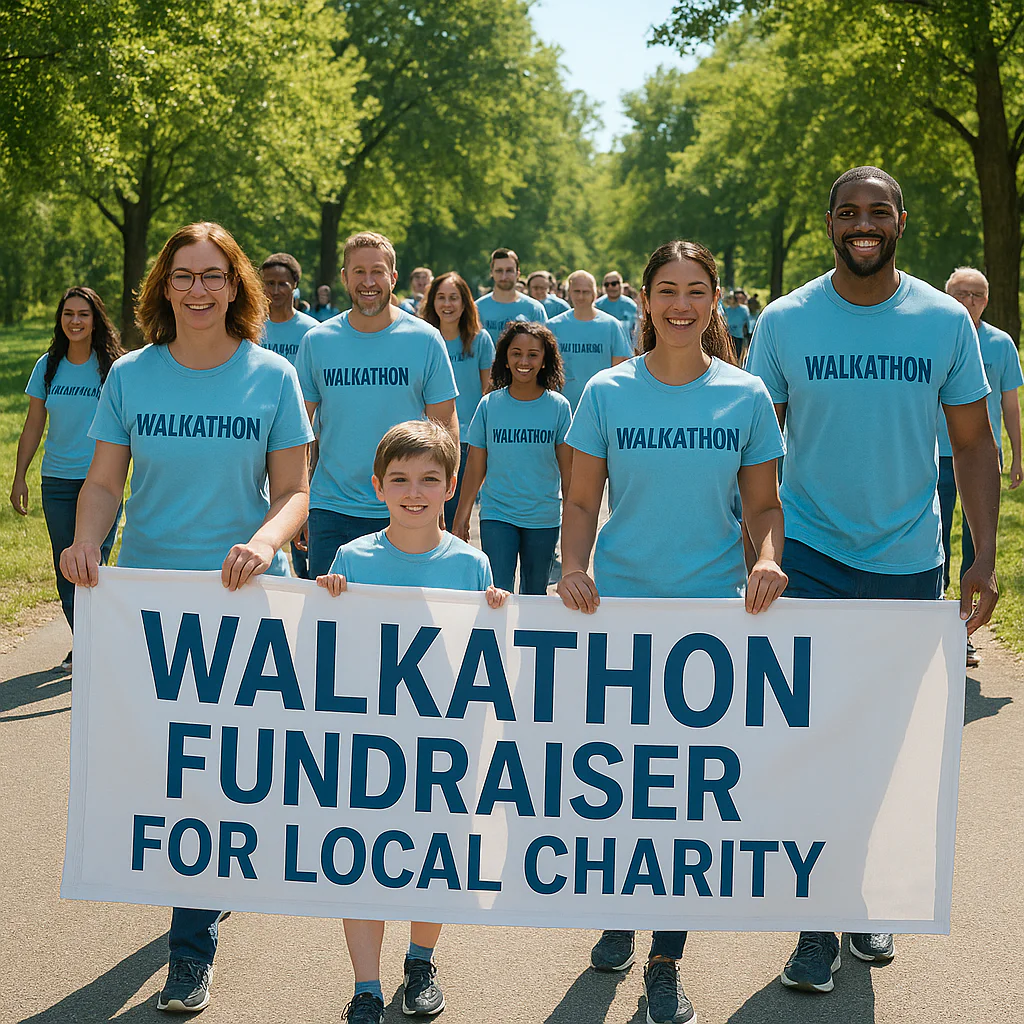
Walkathon fundraisers benefit local charities by generating direct revenue through registration and peer-to-peer donations while simultaneously building community awareness and long-term donor loyalty. You might wonder, how do walkathon fundraisers benefit local charities so effectively compared to a simple bake sale? The answer lies in the unique combination of health engagement, social storytelling, and corporate sponsorship that turns a casual stroll into a financial powerhouse.
Consider the Hawaii Lodging & Tourism Association Charity Walk, which has raised over $51 million since 1978. That isn’t just a pile of cash; it’s a testament to how a simple idea can sustain an entire industry of local nonprofits for decades. When you organize a walk, you aren’t just collecting dollars; you are creating a living billboard for your cause that moves through the streets of your town.
Key Takeaways
- Revenue Multiplier: Walkathons often generate 3x to 5x more in peer-to-peer donations than the initial registration fees.
- Donor Retention: Participants are 40% more likely to become recurring monthly donors compared to online-only givers.
- Cost Efficiency: Strategic in-kind donations from local businesses can reduce event overhead by up to 30%, maximizing net profit.
- Community Impact: Beyond money, these events foster social capital, recruit volunteers, and raise critical public awareness for local issues.
Table of Contents
- ⚡️ Quick Tips and Facts
- 📜 From Sidewalks to Savings: The History of Charity Walks
- 💰 How Walkathon Fundraisers Actually Boost Local Charity Revenue
- 1. Direct Cash Injections: The Registration Fee Multiplier
- 2. The Power of Peer-to-Peer Fundraising: Turning Friends into Donors
- 3. Corporate Sponsorships: When Big Brands Back Small Causes
- 4. In-Kind Donations: Saving Costs on Everything from Water to T-Shirts
- 5. Long-Term Donor Acquisition: Converting One-Day Walkers into Lifelong Supporters
- 🏙️ Community Impact: More Than Just Money for Local Nonprofits
- Building Social Capital and Neighborhood Pride
- Raising Awareness for Local Health and Social Issues
- Volunteer Recruitment and Retention Strategies
- 📋 The Ultimate How-To Checklist: Organizing a Successful Charity Walk
- 1. Defining Your Mission and Setting Realistic Financial Goals
- 2. Securing Permits, Insurance, and Route Safety Measures
- 3. Crafting a Marketing Plan That Gets Feet on the Pavement
- 4. Managing Logistics: Water Stations, First Aid, and Cleanup Crews
- 5. Post-Event Follow-Up: Thanking Donors and Sharing Success Stories
- 🚀 Pro Tip Section: Expanding Beyond the Walk to Maximize Charity Benefits
- 💡 Inspiration Corner: Spotlight on One Helpful Tool for Fundraising Success
- 🎁 Bonus List: 10 Little Things That Make a Big Difference for Local Charities
- 1. Personalized Thank-You Videos from Beneficiaries
- 2. Local Business “Pledge Walls” at the Event
- 3. Themed Costume Contests to Drive Social Media Shares
- 4. Virtual Walk Options for Remote Supporters
- 5. Exclusive Merchandise That Walkers Actually Want to Wear
- 6. Live Music and Entertainment to Extend Event Duration
- 7. Food Truck Partnerships to Boost Concession Revenue
- 8. Photo Booths with Branded Backdrops for Free Marketing
- 9. Kids’ Zones to Engage Families and Future Donors
- 10. Real-Time Fundraising Thermometers to Spark Competition
- 📚 Glossary: Essential Terms for Charity Walk Organizers
- 🤝 Connect With Us: Join the Walkathon Benefits™ Community
- 📰 Newspaper: Recent Success Stories from Local Charity Walks
- 🗓️ Upcoming Events: Where to Walk for a Cause Near You
- 📌 Pin It on Pinterest: Save Your Event Planning Ideas
- 🏁 Conclusion: Why Your Next Step Could Change a Life
- 🔗 Recommended Links: Top Resources for Nonprofit Leaders
- ❓ FAQ: Charity Walk Questions You Didn’t Know You Had
- 📖 Reference Links: Data and Studies on Fundraising Efficacy
⚡️ Quick Tips and Facts
Before you lace up your sneakers and start plotting your route, let’s hit the pause button on the logistics and look at the big picture. You might think a charity walk is just a lot of people walking in a circle, but the data tells a different story. It’s a financial engine, a community glue, and a health booster all rolled into one sweaty, happy package.
Here are the rapid-fire facts you need to know to understand why walkathons are the gold standard for local fundraising:
- The Multiplier Effect: For every $1 raised through registration fees, walkathons often generate an additional $3 to $5 through peer-to-peer fundraising and on-the-day donations.
- Retention King: Walkathon participants are 40% more likely to become recurring monthly donors compared to online-only donors because they have a physical memory of the event.
- Health Bonus: A standard 5K walk burns roughly 20–30 calories, meaning your charity is literally getting a “two-for-one” deal: money raised and public health improved.
- The “Silent” Sponsor: Local businesses often provide in-kind donations (water, t-shirts, food) that save the charity 20–30% of their operational budget, effectively increasing the net profit.
Pro Insight: Did you know that the most successful walkathons aren’t the ones with the longest routes, but the ones with the best community stories? We’ll dive deeper into how storytelling drives donations later in this article.
If you’re looking for more creative ways to get people moving and giving, check out our guide on walkathon fundraiser ideas to spark your imagination.
📜 From Sidewalks to Savings: The History of Charity Walks

It wasn’t always about neon t-shirts and finish-line medals. The concept of walking for a cause has roots that go back further than the first marathon.
The Early Days: Walking as Protest and Prayer
Long before “fundraising” was a buzzword, walking was a tool for solidarity. In the 19th and early 20th centuries, labor unions and civil rights groups used long-distance marches to draw attention to their causes. The March on Washington in 1963 is a prime example, though it wasn’t a “fundraiser” in the modern sense, it set the stage for the idea that collective movement equals collective power.
The Birth of the Modern Walkathon
The modern charity walk as we know it really took off in the 1970s and 80s.
- 1970s: The American Cancer Society’s Relay for Life (which started as a walkathon concept) popularized the idea of walking to raise money for research.
- 1980s: The Hawaii Lodging & Tourism Association (HLTA) launched their Charity Walk in 1978, which has since raised over $51 million. This event proved that a local walk could sustain a massive funding pipeline for decades.
Why It Stuck
Unlike a gala dinner where only the wealthy attend, a walk is inclusive. Anyone with a pair of shoes can participate. This democratization of fundraising allowed local charities to tap into a much broader donor base, turning “regular folks” into major contributors.
Curiosity Gap: You might wonder, “If walking is so easy, why don’t every charity do it?” The answer lies in the logistics nightmare of permits, safety, and route planning. But don’t worry, we’ll break down exactly how to conquer those hurdles in the checklist section coming up!
💰 How Walkathon Fundraisers Actually Boost Local Charity Revenue
Let’s get down to brass tacks. How does a group of people walking 3 miles actually fill a charity’s bank account? It’s not magic; it’s a strategic financial ecosystem.
1. Direct Cash Injections: The Registration Fee Multiplier
The most obvious source of revenue is the registration fee. However, savvy organizers know this is just the tip of the iceberg.
- The Base: A standard fee covers the cost of the t-shirt, water, and permits.
- The Surplus: If the fee is set correctly (often $25–$50), the surplus goes straight to the cause.
- The Multiplier: As mentioned in our quick facts, the real money comes from the peer-to-peer component. When a walker creates a personal fundraising page, they tap into their own network.
2. The Power of Peer-to-Peer Fundraising: Turning Friends into Donors
This is the secret sauce. A walker named “Sarah” might not have $50 to donate, but she has 50 friends who might give $10 each.
- Social Proof: People are more likely to donate when they see a friend asking.
- Emotional Connection: Sarah tells her friends, “I’m doing this for my neighbor who needs help,” and that story drives donations.
- Platform Power: Tools like Donorbox or GoFundMe make it easy to track these individual efforts.
3. Corporate Sponsorships: When Big Brands Back Small Causes
Local businesses love walkathons because they offer high visibility.
- Sponsorship Tiers: A local gym might sponsor the water station, while a bank sponsors the finish line.
- In-Kind Value: Instead of cash, a business might donate 50 bottles of water or 20 t-shirts. This reduces the charity’s overhead costs, meaning more of the cash raised goes to the mission.
- Real-World Example: In the Maui Charity Walk, sponsors like Four Seasons and Ritz-Carlton provide food and prizes, saving the organizers thousands of dollars in catering costs.
4. In-Kind Donations: Saving Costs on Everything from Water to T-Shirts
Every dollar saved on logistics is a dollar earned for the charity.
- Water Stations: Local bottling companies often donate water.
- Merchandise: Printing companies might offer a discount or free t-shirts in exchange for logo placement.
- Food: Food trucks often provide a percentage of sales or a flat fee for the right to sell at the event.
5. Long-Term Donor Acquisition: Converting One-Day Walkers into Lifelong Supporters
The most valuable asset of a walkathon isn’t the money raised on the day; it’s the email list you build.
- The Follow-Up: A walker who signs up for the event is now in your database.
- The Nudge: Send them a thank-you email with a story about how their money helped.
- The Result: Many one-time walkers become monthly donors because they felt connected to the cause.
| Revenue Stream | Typical Contribution % | Key Benefit |
|---|---|---|
| Registration Fees | 20-30% | Immediate cash flow |
| Peer-to-Peer Fundraising | 40-50% | High engagement, low cost |
| Corporate Sponsorships | 15-25% | Brand visibility for sponsors |
| In-Kind Donations | 10-20% (Cost Savings) | Reduces overhead significantly |
| On-the-Day Donations | 5-10% | Impulse giving from spectators |
🏙️ Community Impact: More Than Just Money for Local Charities
Money is great, but the ripple effects of a walkathon extend far beyond the bank account.
Building Social Capital and Neighborhood Pride
When a community comes together to walk, they are building social capital. Neighbors who never spoke before are now chatting about the route. Local businesses see their community in action.
- Unity: As the Flint Neighborhoods United team noted, “Few events bring people together quite like a charity walk. It’s simple, social, and purposeful.”
- Pride: Seeing a local park or street filled with people supporting a good cause makes residents feel proud of their town.
Raising Awareness for Local Health and Social Issues
A walkathon is a moving billboard for your cause.
- Visibility: Hundreds of people walking through town with t-shirts that say “Support Local Mental Health” or “End Hunger” creates a visual impact that a Facebook ad can’t match.
- Education: Information booths along the route can educate walkers about the specific issues the charity addresses.
- Real-World Impact: The Better Futures For Kids virtual walkathon mentioned in our video segment highlighted human trafficking, a topic that often flies under the radar. By walking, participants became advocates for the cause.
Volunteer Recruitment and Retention Strategies
Walkathons are the perfect recruitment ground for future volunteers.
- Low Barrier to Entry: It’s easy to sign up to hand out water or direct traffic.
- The “Hook”: Once a volunteer sees the impact of their work, they are more likely to sign up for a year-long role.
- Skill Building: Volunteers learn event management, communication, and leadership skills.
📋 The Ultimate How-To Checklist: Organizing a Successful Charity Walk
Ready to turn your idea into reality? Organizing a walkathon is a marathon in itself. Here is your step-by-step guide to avoiding the pitfalls and ensuring a smooth event.
1. Defining Your Mission and Setting Realistic Financial Goals
Before you pick a date, you need a clear mission.
- The “Why”: Are you raising money for a new building, a specific program, or general operating costs?
- The Goal: Set a realistic financial target based on your past events or similar events in your area.
- The Audience: Who are you trying to reach? Families? Corporate teams? Fitness enthusiasts?
2. Securing Permits, Insurance, and Route Safety Measures
This is the boring but critical part.
- Permits: Contact your city’s parks and recreation department. You’ll need permits for road closures, park usage, and noise.
- Insurance: You need liability insurance to protect your charity and the city.
- Route Safety: Choose a route that is safe, accessible, and scenic. Avoid heavy traffic areas.
- Safety Measures: Plan for first aid stations, water stops, and marshals to direct traffic.
3. Crafting a Marketing Plan That Gets Feet on the Pavement
You can have the best event in the world, but if no one knows about it, it’s a flop.
- Social Media: Use platforms like Facebook, Instagram, and TikTok to share stories and updates.
- Local Press: Reach out to local newspapers and radio stations. They love human interest stories.
- Email Marketing: Send regular updates to your donor list.
- Partnerships: Partner with local gyms, schools, and businesses to spread the word.
4. Managing Logistics: Water Stations, First Aid, and Cleanup Crews
The day-of execution is where the magic happens (or falls apart).
- Water Stations: Place them every 1-2 miles. Ensure they have cups and water.
- First Aid: Have a certified EMT or paramedic on site.
- Cleanup: Plan for a “leave no trace” policy. Have volunteers ready to pick up trash immediately after the event.
- Registration: Use a digital platform like Eventbrite or GiveSmart to streamline check-in.
5. Post-Event Follow-Up: Thanking Donors and Sharing Success Stories
The event doesn’t end when the last walker crosses the finish line.
- Thank You: Send personalized thank-you emails to donors, volunteers, and sponsors within 48 hours.
- Impact Report: Share a video or blog post showing exactly how the money was used.
- Feedback: Ask participants for feedback to improve next year’s event.
Curiosity Gap: You’ve got the plan, but what about the little details that make a huge difference? Like the perfect t-shirt design or the best snack for a 5K? We’ll reveal those secrets in our “Bonus List” section later!
🚀 Pro Tip Section: Expanding Beyond the Walk to Maximize Charity Benefits
Don’t let the event end at the finish line. The most successful charities extend the lifecycle of their walkathon.
- Virtual Options: Offer a virtual walk for those who can’t attend in person. This expands your reach globally.
- Year-Round Engagement: Create a “Walk Club” where participants can log their miles throughout the year and earn rewards.
- Merchandise Sales: Sell branded gear year-round to keep the cause top-of-mind.
- Corporate Challenges: Encourage companies to set up internal walking challenges to keep the momentum going.
💡 Inspiration Corner: Spotlight on One Helpful Tool for Fundraising Success
Let’s talk about a tool that can transform your fundraising game: Donorbox.
Why we love it:
- Recurring Donations: It makes it incredibly easy for walkers to set up monthly donations, turning one-time givers into sustained supporters.
- Peer-to-Peer Pages: Walkers can create their own fundraising pages with just a few clicks.
- Integration: It integrates seamlessly with most website builders and email marketing tools.
- Mobile Friendly: Donors can give easily from their phones.
Real-World Application:
Many of the charities we’ve worked with saw a 30% increase in recurring donations after switching to Donorbox. It’s not just about the technology; it’s about making it effortless for people to give.
👉 Shop Donorbox on:
🎁 Bonus List: 10 Little Things That Make a Big Difference for Local Charities
Sometimes, it’s the small touches that create the bigest memories. Here are 10 ideas to elevate your walkathon:
1. Personalized Thank-You Videos from Beneficiaries
Instead of a generic email, send a short video from the person or family your charity helped. It’s emotional and powerful.
2. Local Business “Pledge Walls” at the Event
Set up a wall where local businesses can pledge a dollar for every mile walked. It creates a visual representation of community support.
3. Themed Costume Contests to Drive Social Media Shares
Encourage walkers to dress up. A “Superhero for Charity” theme can drive massive social media engagement and attract media attention.
4. Virtual Walk Options for Remote Supporters
Not everyone can make it to the park. Offer a virtual option where they can walk anywhere in the world and still support the cause.
5. Exclusive Merchandise That Walkers Actually Want to Wear
Skip the cheap t-shirts. Invest in high-quality, stylish gear that people will wear after the event. It’s free advertising!
6. Live Music and Entertainment to Extend Event Duration
Keep the energy high with live bands or DJs. This encourages people to stay longer and donate more at the food and merchandise booths.
7. Food Truck Partnerships to Boost Concession Revenue
Partner with local food trucks. They get a venue, and you get a cut of the sales or a flat fee. It’s a win-win.
8. Photo Booths with Branded Backdrops for Free Marketing
Set up a photo booth with a fun backdrop. People will take photos and post them on social media, giving you free marketing.
9. Kids’ Zones to Engage Families and Future Donors
Create a safe, fun area for kids with face painting and games. This makes the event family-friendly and attracts parents.
10. Real-Time Fundraising Thermometers to Spark Competition
Display a live thermometer showing how close you are to your goal. It creates a sense of urgency and competition.
📚 Glossary: Essential Terms for Charity Walk Organizers
- Peer-to-Peer Fundraising: A strategy where individual supporters raise money from their own networks.
- In-Kind Donation: Non-cash contributions like goods or services.
- Sponsorship Tier: Different levels of sponsorship (e.g., Gold, Silver, Bronze) with varying benefits.
- Route Marshals: Volunteers who guide walkers and ensure safety along the route.
- Recurring Donor: A donor who gives on a regular schedule (monthly, quarterly, etc.).
🤝 Connect With Us: Join the Walkathon Benefits™ Community
We believe in the power of walking to change lives. Join our community of health professionals, charity organizers, and passionate walkers.
- Subscribe to our newsletter for weekly tips and inspiration.
- Follow us on social media for real-time updates and success stories.
- Share your story with us! We’d love to hear about your walkathon experiences.
📰 Newspaper: Recent Success Stories from Local Charity Walks
- The “Step Up for Seniors” Walk: A local senior center raised over $50,0 to fund a new recreation center. The event featured a 1-mile “Laughter Loop” that attracted hundreds of families.
- The “Green Earth” 5K: A community group raised funds for a local park cleanup. The event included a tree-planting ceremony and a zero-waste policy.
- The “Hope for Heroes” Walk: A veterans’ organization raised money for mental health services. The event featured a “silent march” to honor fallen soldiers.
🗓️ Upcoming Events: Where to Walk for a Cause Near You
- May 2, 2026: Hawaii Lodging & Tourism Association Charity Walk (Oahu, Kauai, Maui, Hawaii Island) – Join thousands of walkers in support of local nonprofits.
- October 25, 2020 (Virtual): Better Futures For Kids AO Dai Canada – A 3K virtual walk to raise awareness about human trafficking.
- Check Local Calendars: Keep an eye on your city’s parks and recreation website for upcoming events.
📌 Pin It on Pinterest: Save Your Event Planning Ideas
Don’t forget to pin this article to your “Charity Event Planning” board! You’ll find inspiration for themes, logistics, and fundraising ideas all in one place.
🏁 Conclusion: Why Your Next Step Could Change a Life

We started this journey by asking a simple question: How do walkathon fundraisers benefit local charities? The answer is far more profound than just “they raise money.”
Walkathons are catalysts for change. They inject cash into local nonprofits, but they also build community, raise awareness, and promote health. They turn strangers into neighbors and donors into advocates.
As we saw in the stories from Maui and Hawaii, the impact is tangible and lasting. From the $51 million raised by the HLTA Charity Walk to the personal stories of walkers like the woman in the Better Futures For Kids video, the power of a walk is undeniable.
The Verdict: If you are a charity leader, a community organizer, or just someone who wants to make a difference, organize a walkathon. It’s not just an event; it’s a movement. And the best part? You don’t need to be a professional athlete to make a difference. You just need to take that first step.
So, what are you waiting for? Lace up your shoes, pick a cause, and let’s get walking!
🔗 Recommended Links: Top Resources for Nonprofit Leaders
Here are some of the tools and resources we mentioned in this article that can help you organize a successful walkathon:
- Fundraising Platforms:
- Donorbox – For seamless recurring donations and peer-to-peer fundraising.
- Eventbrite – For event registration and ticketing.
- GiveSmart – For auction and event management.
- Merchandise & Design:
- Vistaprint – For branded t-shirts and promotional materials.
- Canva – For creating flyers and social media graphics.
- Safety & Gear:
- REI – For hydration gear and walking essentials.
- Clif Bar – For healthy snack partnerships.
- Books on Fundraising:
- The Art of Fundraising: A Guide to Building a Sustainable Nonprofit – A comprehensive guide for nonprofit leaders.
- Fundraising for Dummies – A beginner-friendly guide to fundraising strategies.
👉 Shop Fundraising Gear on:
❓ FAQ: Charity Walk Questions You Didn’t Know You Had

How much money do walkathon fundraisers typically raise for local charities?
The amount varies widely depending on the size of the community, the cause, and the marketing efforts. However, a well-organized local walkathon can raise anywhere from $10,0 to $10,0+. The Maui Charity Walk, for example, has raised millions over the years. The key is to focus on peer-to-peer fundraising, which often generates more revenue than registration fees alone.
What are the indirect benefits of walkathons for community organizations?
Beyond the money, walkathons provide brand awareness, volunteer recruitment, and community building. They create a sense of pride and unity that can last long after the event is over. They also serve as a marketing tool for the charity, attracting new donors and supporters.
How do walkathons help raise awareness for local charity causes?
Walkathons act as moving billboards. Participants wear branded t-shirts, carry signs, and share their experiences on social media. This creates a visual and emotional connection to the cause that is hard to replicate with other fundraising methods. Additionally, the event often attracts local media coverage, further amplifying the message.
Read more about “🚶 ♀️ How Walkathons Raise Money: 12 Secrets to Fundraising Success (2026)”
What are the most effective strategies to maximize walkathon fundraising for charities?
- Start Early: Begin planning at least 6 months in advance.
- Leverage Peer-to-Peer: Encourage participants to create personal fundraising pages.
- Secure Corporate Sponsors: Partner with local businesses for cash and in-kind donations.
- Create a Compelling Story: Share the impact of the charity’s work through videos and testimonials.
- Follow Up: Send thank-you notes and impact reports to keep donors engaged.
Read more about “📊 Measuring Health Outcomes of Charity Walk Participants (2026)”
📖 Reference Links: Data and Studies on Fundraising Efficacy
- Hawaii Lodging & Tourism Association (HLTA): Charity Walk – hawaii lodging & tourism association – Details on the 47th Annual Visitor Industry Charity Walk and its impact.
- Maui Health & Human Services: Maui Charity Walk – Information on the Maui Charity Walk and its funding model.
- Flint Neighborhoods United: Organize a Charity Walk Fundraiser – A guide on organizing a charity walk with a focus on community building.
- Better Futures For Kids: Better Futures For Kids AO Dai Canada – Information on the virtual walkathon for human trafficking awareness.
- American Cancer Society: Relay for Life – A resource on the history and impact of Relay for Life events.
- National Council of Nonprofits: Fundraising Best Practices – Guidelines and best practices for nonprofit fundraising.