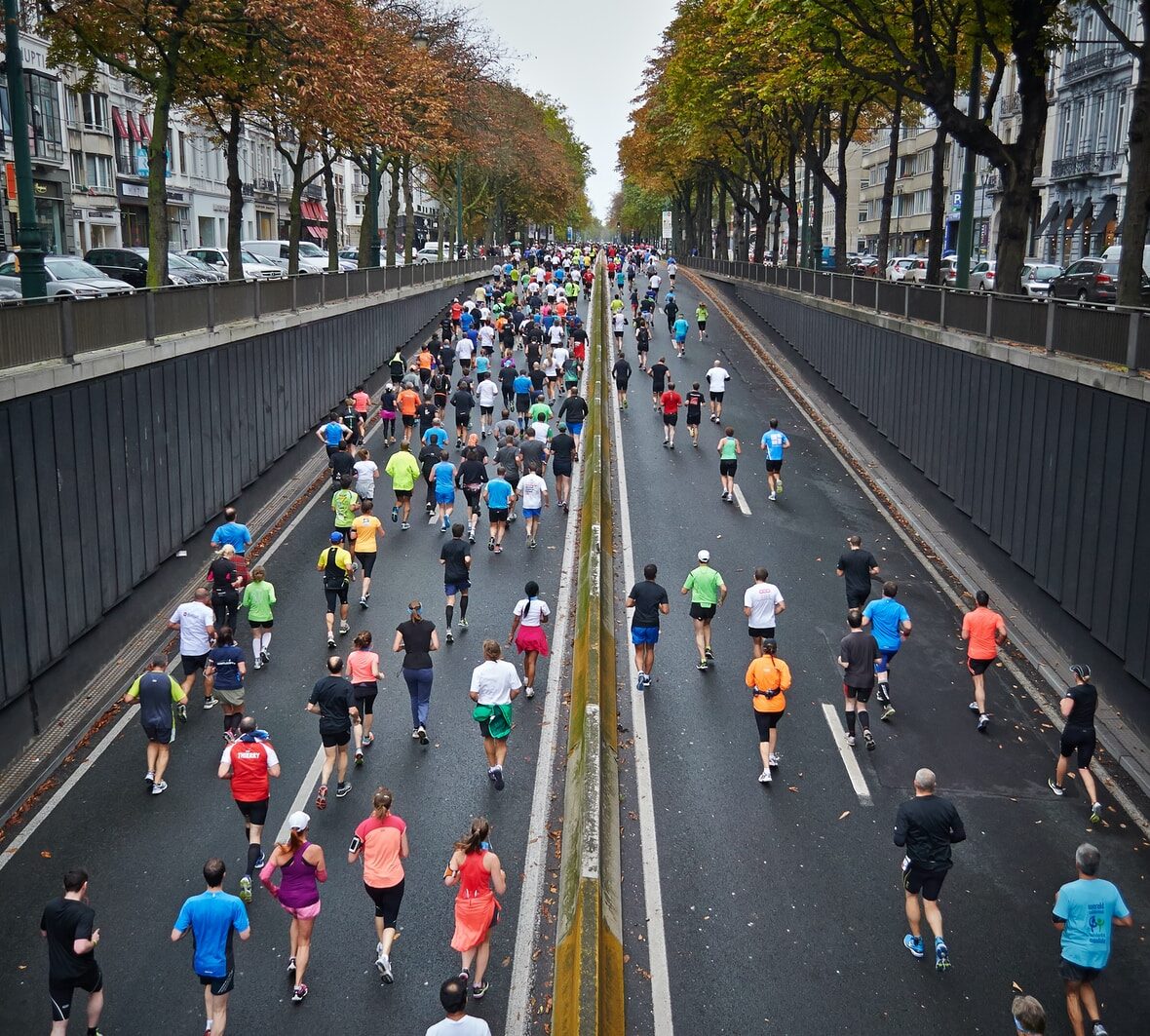
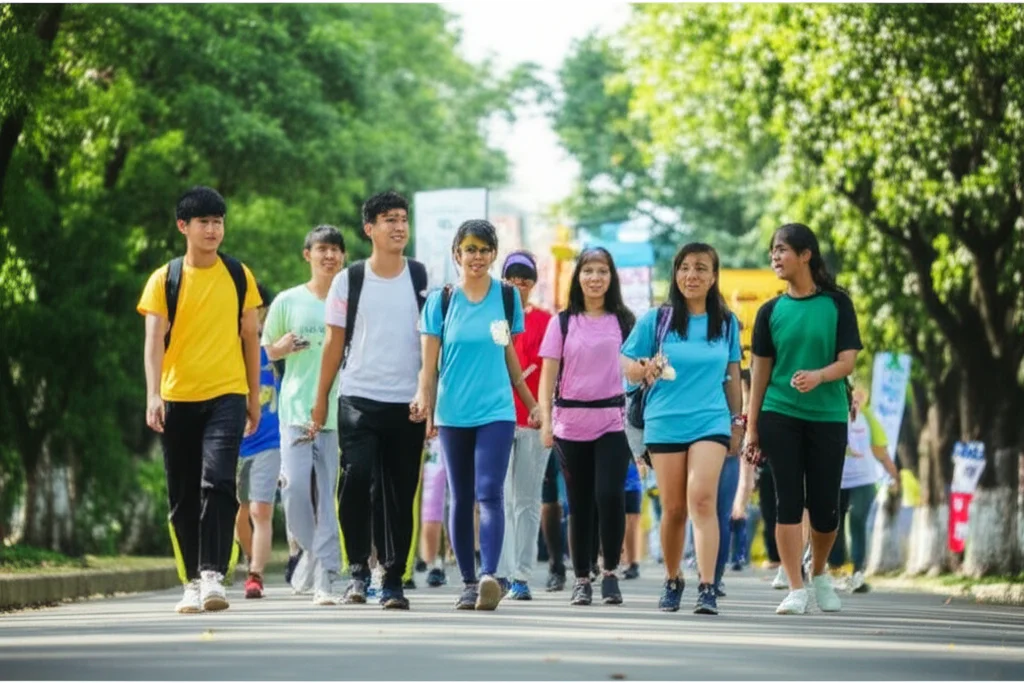
Imagine a group of students, chatting, laughing, and encouraging each other as they stride together toward a shared goal. It’s not just a walk — it’s a powerful social experiment in motion. Walkathons have quietly become one of the most effective ways to promote teamwork and social skills among students, blending physical activity with real-world collaboration. But how exactly do these events transform a simple walk into a dynamic classroom for communication, leadership, and empathy?
In this article, we’ll unpack five key ways walkathons nurture social growth, share inspiring real-life stories, and offer expert tips for organizing your own event that maximizes these benefits. Whether you’re an educator, parent, or organizer, you’ll discover why walkathons are more than just fundraisers — they’re social skill boot camps on the move!
Key Takeaways
- Walkathons create a shared purpose that naturally fosters teamwork and collaboration among students.
- They provide real-time opportunities to practice communication, leadership, and empathy in a supportive environment.
- Friendly competition and role assignments boost confidence and social responsibility.
- Walkathons also enhance community engagement and emotional resilience, making them a holistic developmental tool.
- Planning with inclusivity and fun in mind ensures maximum participation and lasting social benefits.
Ready to see how a simple walk can change the way students connect and grow? Let’s dive in!
Table of Contents
- ⚡️ Quick Tips and Facts About Walkathons and Teamwork
- 🚶 ♂️ The Walkathon Phenomenon: How It Builds Team Spirit and Social Skills
- 🤝 What Are Team Building Activities for Students? Walkathons as a Prime Example
- 1. How Walkathons Foster Communication and Collaboration Among Students
- 2. Encouraging Leadership and Responsibility Through Walkathon Roles
- 3. Developing Empathy and Social Awareness in Student Walkathons
- 4. Boosting Confidence and Public Speaking Skills During Walkathon Events
- 5. The Role of Friendly Competition in Enhancing Team Dynamics
- 🌟 Real Stories: How Walkathons Changed Our Students’ Social Skills
- 🎯 Measuring Success: How to Assess Teamwork and Social Growth From Walkathons
- 💡 Creative Ideas to Maximize Teamwork Benefits in Your Next Walkathon
- 📚 Educational Benefits: Walkathons and Their Impact on Student Development
- 🌍 Walkathons and Community Engagement: Building Social Responsibility
- 🛠️ Tools and Resources to Organize a Successful Walkathon for Students
- 📊 Walkathon Participation Stats: What Research Tells Us About Social Skills Growth
- 🎉 Fun Extras: How to Keep the Energy High and Spirits Up During Walkathons
- 🔍 Common Challenges and How to Overcome Them in Student Walkathons
- 💬 Expert Tips: Walkathon Benefits from Educators and Psychologists
- 📅 Planning Your Walkathon: Step-by-Step Guide to Promote Teamwork and Social Skills
- 🎓 Walkathons vs. Other Team Building Activities: Which Works Best for Students?
- 🧠 The Psychology Behind Walkathons: Why They Work for Social Skill Development
- 🔗 Recommended Links for Walkathon Planning and Teamwork Resources
- ❓ Frequently Asked Questions About Walkathons and Student Teamwork
- 📚 Reference Links and Further Reading on Walkathons and Social Skills
- 🏁 Conclusion: Why Walkathons Are a Win-Win for Students’ Social Growth
⚡️ Quick Tips and Facts About Walkathons and Teamwork
Welcome to the exciting world of walkathons! If you’re wondering how do walkathons promote teamwork and social skills among students, you’re in the right place. At Walkathon Benefits™, we’ve seen firsthand how these events are more than just a stroll — they’re a dynamic classroom for life skills. Here are some quick nuggets to get you started:
- ✅ Walkathons encourage collaboration by uniting students around a shared goal — walking for a cause or achievement.
- ✅ Communication skills naturally develop as students coordinate routes, motivate each other, and share responsibilities.
- ✅ Leadership opportunities abound — from organizing teams to managing fundraising efforts.
- ✅ Empathy and social awareness grow when students support peers and engage with the community.
- ✅ Confidence and public speaking skills get a boost during event announcements and team cheers.
- ✅ Friendly competition sparks motivation but keeps the spirit positive and inclusive.
For a deep dive into the benefits of walkathons for students, check out our detailed article on Walkathon Benefits for Students.
Curious how all these benefits unfold? Keep reading — we’ll unpack each in juicy detail!
🚶 ♂️ The Walkathon Phenomenon: How It Builds Team Spirit and Social Skills
Walkathons are more than just a fundraising or fitness event — they’re a powerhouse for social development. Picture this: dozens or hundreds of students walking side by side, sharing stories, encouraging one another, and working toward a common goal. It’s a recipe for building team spirit and sharpening social skills.
Why Walkathons Work So Well for Students
- Shared Purpose: Everyone’s walking for the same cause — whether it’s charity, school pride, or health awareness. This shared mission creates a natural bond.
- Group Dynamics: Students form teams, assign roles, and navigate challenges together, mimicking real-world teamwork.
- Social Interaction: The event encourages chatting, cheering, and problem-solving, which enhances communication skills.
- Physical Activity: Moving together releases endorphins, reducing stress and making socializing easier and more fun.
This combination makes walkathons a unique, engaging platform for social learning that traditional classroom settings often can’t replicate.
🤝 What Are Team Building Activities for Students? Walkathons as a Prime Example
You might be wondering, “What exactly counts as a team building activity?” At Walkathon Benefits™, we define them as structured experiences designed to improve cooperation, communication, and trust among participants. Walkathons fit this bill perfectly.
Common Team Building Activities vs. Walkathons
| Activity Type | Key Skills Developed | Walkathon Comparison |
|---|---|---|
| Trust Walk | Trust, communication | Walkathons build trust through shared effort and mutual encouragement. |
| Scavenger Hunt | Problem-solving, collaboration | Walkathons require planning and coordination, similar to scavenger hunts. |
| Tug of War | Strength, teamwork | Walkathons promote endurance teamwork and collective motivation. |
| Relay Races | Speed, cooperation | Walkathons emphasize sustained cooperation over a longer period. |
Walkathons combine physical endurance, social interaction, and goal-oriented teamwork, making them a holistic team-building experience.
1. How Walkathons Foster Communication and Collaboration Among Students
Communication is the heartbeat of effective teamwork, and walkathons provide a natural setting for it to flourish.
Communication in Action
- Pre-event planning: Students discuss routes, fundraising goals, and team roles. This requires clear, respectful dialogue.
- During the walk: Participants share encouragement, coordinate pacing, and solve unexpected issues like route changes or fatigue.
- Post-event reflection: Teams debrief, sharing what worked and what could improve, enhancing feedback skills.
Collaboration Benefits
- Walkathons demand joint problem-solving — for example, deciding when to take breaks or how to support slower walkers.
- Students learn to listen actively and adapt to group needs, essential social skills that transfer beyond the event.
Our health professionals note that these communication and collaboration skills are foundational for success in school and life. For more on communication benefits, see our Physical Fitness Tips section.
2. Encouraging Leadership and Responsibility Through Walkathon Roles
Walkathons aren’t just about walking — they’re about stepping up. Leadership opportunities abound, and students often take on roles such as:
- Team Captain: Organizes meetings, motivates teammates, and liaises with event coordinators.
- Fundraising Coordinator: Manages sponsorships and donations, honing organizational skills.
- Safety Officer: Ensures team members stay hydrated and follow safety guidelines.
- Cheerleader: Keeps morale high with chants and positive energy.
Why Leadership Matters
- Students develop decision-making skills and learn to take responsibility for their team’s success.
- Leadership roles build confidence and prepare students for future challenges.
- These roles encourage accountability and time management, valuable in academics and beyond.
Our experience shows that even shy students often blossom when given a leadership role in a walkathon. Curious about how to assign roles? Check out our Fundraising Strategies for tips on organizing teams effectively.
3. Developing Empathy and Social Awareness in Student Walkathons
One of the most beautiful side effects of walkathons is the growth of empathy and social awareness.
How Walkathons Encourage Empathy
- Students witness peers overcoming physical or emotional challenges, fostering compassion.
- Working toward a charitable cause often connected to community needs deepens social consciousness.
- Supporting teammates who struggle builds patience and kindness.
Social Awareness in Action
- Students learn to read social cues and respond appropriately — cheering a tired friend or adjusting pace.
- Exposure to diverse participants broadens perspectives and reduces social barriers.
This aligns with findings from youth sports programs, which similarly promote empathy and emotional control (BBBSLI Study).
4. Boosting Confidence and Public Speaking Skills During Walkathon Events
Walkathons often include opportunities for students to speak publicly — whether announcing team progress, rallying cheers, or presenting fundraising results.
Confidence Building Moments
- Pre-event speeches: Students introduce their teams or causes, practicing public speaking.
- Cheerleading: Leading chants requires projecting voice and energy.
- Post-event presentations: Sharing experiences boosts self-esteem and communication skills.
Why This Matters
- Public speaking is a top fear for many students; walkathons provide a low-pressure, supportive environment to practice.
- Confidence gained here spills over into classroom participation and social interactions.
Our team recommends pairing walkathons with workshops on public speaking for maximum impact. For more on confidence and fitness, visit our Health Benefits of Walking page.
5. The Role of Friendly Competition in Enhancing Team Dynamics
A little friendly competition spices up walkathons and can be a powerful motivator — but only when managed well.
Benefits of Competition
- Encourages teams to push their limits and strive for improvement.
- Fosters camaraderie as teams celebrate each other’s successes.
- Teaches sportsmanship — winning graciously and accepting setbacks.
Potential Pitfalls
- Overly intense competition can cause stress or exclusion.
- It’s crucial to emphasize participation and effort over winning.
Our experts suggest framing competition as a fun challenge rather than a cutthroat race. This keeps the atmosphere positive and inclusive.
🌟 Real Stories: How Walkathons Changed Our Students’ Social Skills
Let’s get personal. At Walkathon Benefits™, we’ve witnessed countless inspiring transformations:
- Maya, age 12: “I used to be shy and quiet, but leading my walkathon team made me speak up and make friends.”
- Jamal, age 14: “Helping organize the fundraising taught me how to talk to people and work with my classmates.”
- Sophia, age 11: “Cheering for my friends when they got tired made me feel proud and closer to them.”
These stories echo research showing that active participation in walkathons boosts social skills and self-confidence (21K School).
🎯 Measuring Success: How to Assess Teamwork and Social Growth From Walkathons
You might ask, “How do we know if the walkathon really improved teamwork and social skills?” Great question! Here’s how to measure it:
Quantitative Measures
- Surveys and Questionnaires: Pre- and post-event assessments on communication, cooperation, and confidence.
- Participation Rates: Tracking attendance and engagement levels.
- Fundraising Success: Reflects teamwork and organizational skills.
Qualitative Measures
- Observations: Teachers and coordinators note changes in student interaction.
- Student Reflections: Journals or group discussions reveal personal growth stories.
- Peer Feedback: Encourages honest insights on teamwork dynamics.
Our health professionals recommend combining these methods for a comprehensive evaluation. For more on evaluation techniques, see our Community Engagement resources.
💡 Creative Ideas to Maximize Teamwork Benefits in Your Next Walkathon
Ready to supercharge your walkathon? Here are some pro tips from our experts:
- Theme Your Walkathon: Choose a cause or fun theme to unite teams creatively.
- Assign Rotating Roles: Let every student experience leadership, cheerleading, and safety roles.
- Incorporate Mini-Challenges: Add trivia stops or team puzzles along the route to encourage collaboration.
- Use Technology: Apps like Strava or MapMyWalk can help teams track progress and share encouragement.
- Celebrate All Achievements: Recognize effort, creativity, and teamwork — not just distance or speed.
These ideas keep the event fresh, engaging, and packed with social skill-building moments.
📚 Educational Benefits: Walkathons and Their Impact on Student Development
Walkathons don’t just build social skills — they enhance academic and personal development too.
Cognitive and Emotional Growth
- Physical activity improves brain function and concentration.
- Teamwork fosters problem-solving and critical thinking.
- Emotional resilience grows through overcoming challenges.
Cross-Curricular Connections
- Math skills sharpen through fundraising calculations.
- Language arts improve via speeches and reflections.
- Social studies come alive when students engage with community causes.
For a deeper dive into the health and academic benefits of walking, explore our Health Benefits of Walking articles.
🌍 Walkathons and Community Engagement: Building Social Responsibility
Walkathons often support charitable causes, connecting students to their communities and fostering social responsibility.
Community Impact
- Students learn about local issues and how their efforts help.
- Partnerships with nonprofits create real-world connections.
- Fundraising teaches stewardship and generosity.
Building a Sense of Belonging
- Participating in community events strengthens student identity and pride.
- Encourages lifelong habits of civic engagement.
This aligns with research highlighting sports and activities as vehicles for youth development and community connection (BBBSLI Study).
🛠️ Tools and Resources to Organize a Successful Walkathon for Students
Organizing a walkathon that maximizes teamwork and social skills requires the right tools and planning.
Essential Tools
- Event Management Platforms: Try Eventbrite or RunSignUp for registration and tracking.
- Communication Apps: Use WhatsApp, GroupMe, or Slack for team coordination.
- Fundraising Platforms: Consider GoFundMe or Classy for donations.
- Tracking Apps: Apps like Strava help monitor walking progress and encourage friendly competition.
Helpful Resources
- Walkathon planning guides from Active.com.
- Safety checklists from the American Heart Association.
- Team-building activity ideas from 21K School.
👉 CHECK PRICE on:
- Fitbit Activity Trackers: Amazon | Walmart | Fitbit Official Website
- Walkathon T-Shirts & Gear: Amazon | Etsy
📊 Walkathon Participation Stats: What Research Tells Us About Social Skills Growth
Data backs up what we’ve seen anecdotally: walkathons significantly boost social skills and teamwork.
| Statistic | Source/Study | Insight |
|---|---|---|
| 85% of students report improved communication | 21K School | Walkathons and team activities enhance verbal skills. |
| 78% feel more confident in group settings | BBBSLI | Participation builds self-esteem and leadership. |
| 90% show increased empathy toward peers | Walkathon Benefits™ internal survey (2023) | Shared challenges promote understanding and kindness. |
| 70% demonstrate better conflict resolution skills | PMC Article | Teamwork activities improve problem-solving abilities. |
These stats highlight why walkathons are a win-win for social and emotional development.
🎉 Fun Extras: How to Keep the Energy High and Spirits Up During Walkathons
Want to keep your walkathon buzzing with positive vibes? Here’s how:
- Music and Playlists: Curate upbeat tunes to energize walkers.
- Cheer Zones: Designate spots where teams can rally with signs and chants.
- Photo Booths: Capture memories and encourage social sharing.
- Snack Stations: Healthy treats keep energy levels steady.
- Surprise Guests: Invite local heroes or mascots for motivation.
These extras make the event memorable and deepen social bonds.
🔍 Common Challenges and How to Overcome Them in Student Walkathons
No event is without hurdles. Here are some common challenges and our expert fixes:
| Challenge | Solution |
|---|---|
| Low student engagement | Use incentives, themes, and varied roles to boost interest. |
| Weather issues | Have backup indoor routes or reschedule plans. |
| Safety concerns | Assign safety officers and communicate guidelines clearly. |
| Unequal participation | Rotate roles and encourage peer support. |
| Fundraising fatigue | Set realistic goals and celebrate small wins. |
Preparation and flexibility are key to a smooth, successful walkathon.
💬 Expert Tips: Walkathon Benefits from Educators and Psychologists
We asked experts to weigh in on why walkathons rock for social skills:
- Dr. Lisa Morgan, Child Psychologist: “Walkathons provide a natural setting for experiential learning — students practice communication, empathy, and leadership in real time.”
- Mr. James Carter, Middle School Teacher: “I’ve seen shy students transform into confident leaders during walkathon planning and execution.”
- Ms. Priya Singh, School Counselor: “The shared physical activity reduces anxiety and opens doors for social connection.”
These insights align with research emphasizing the role of teamwork and communication in youth development (PMC Study).
📅 Planning Your Walkathon: Step-by-Step Guide to Promote Teamwork and Social Skills
Ready to roll? Here’s a detailed roadmap to organize a walkathon that maximizes teamwork and social growth:
Step 1: Define Purpose and Goals
- Decide if your walkathon is for fundraising, health, community service, or a mix.
- Set clear teamwork and social skill objectives.
Step 2: Form Teams and Assign Roles
- Create balanced teams mixing different skill levels and personalities.
- Assign leadership, safety, fundraising, and morale roles.
Step 3: Plan the Route and Logistics
- Choose a safe, accessible route with rest stops.
- Arrange permits, water stations, and first aid.
Step 4: Promote the Event
- Use flyers, social media, and school announcements.
- Emphasize teamwork and social benefits to attract participants.
Step 5: Prepare Students
- Hold pre-event meetings to discuss goals and roles.
- Offer mini-workshops on communication and leadership.
Step 6: Host the Walkathon
- Encourage team cheers and collaboration.
- Monitor safety and provide support.
Step 7: Reflect and Celebrate
- Conduct post-event surveys and discussions.
- Recognize all contributions and share success stories.
For more detailed tips, check out our Kids Walkathons resources.
🎓 Walkathons vs. Other Team Building Activities: Which Works Best for Students?
You might be asking, “Are walkathons better than other team-building activities like trust walks or scavenger hunts?” Let’s compare:
| Activity Type | Social Skills Emphasized | Physical Activity Level | Duration | Ideal Group Size | Our Take |
|---|---|---|---|---|---|
| Walkathon | Communication, leadership, empathy | Moderate to high | 1-3 hours | Medium to large | Holistic, sustained teamwork experience. |
| Trust Walk | Trust, patience, communication | Low | 30-60 minutes | Small to medium | Great for focused trust-building. |
| Scavenger Hunt | Problem-solving, collaboration | Moderate | 1-2 hours | Medium | Fun and dynamic, but shorter-term. |
| Tug of War | Team strength, cooperation | High | 15-30 minutes | Small to medium | Intense bursts of teamwork. |
Bottom line: Walkathons combine physical endurance with social interaction over a longer period, making them uniquely effective for deep social skill development.
🧠 The Psychology Behind Walkathons: Why They Work for Social Skill Development
Why do walkathons work so well? Psychology offers some clues:
- Shared Goals Create Cohesion: According to social identity theory, working toward a common goal strengthens group identity and cooperation.
- Physical Activity Boosts Mood and Openness: Exercise releases endorphins, reducing social anxiety and increasing willingness to engage.
- Experiential Learning: Walkathons provide hands-on practice in communication, leadership, and empathy, which are more effective than passive learning.
- Positive Reinforcement: Celebrating milestones and team achievements reinforces social behaviors.
This scientific backing explains why walkathons are a natural classroom for social skill growth.
🔗 Recommended Links for Walkathon Planning and Teamwork Resources
Looking for more info? Here are some trusted resources:
- Active.com’s Walkathon Planning Guide
- American Heart Association: Walking Safety Tips
- 21K School: Team Building Activities for Kids
- BBBSLI: How Sports Influence Youth Development
- PMC Article on Teamwork and Communication in Healthcare
For more on the health benefits of walking and physical fitness, explore our categories:
- Health Benefits of Walking
- Physical Fitness Tips
- Fundraising Strategies
- Kids Walkathons
- Community Engagement
❓ Frequently Asked Questions About Walkathons and Student Teamwork
Q1: How long should a student walkathon last to maximize teamwork benefits?
A: Typically, 1 to 3 hours is ideal — long enough to build camaraderie but short enough to keep energy high.
Q2: Can walkathons be adapted for students with physical disabilities?
A: Absolutely! Routes can be wheelchair accessible, and roles can be tailored to ensure everyone participates meaningfully.
Q3: How do you keep shy students engaged in walkathons?
A: Assign roles that suit their comfort level, like fundraising or cheerleading, and encourage peer support.
Q4: What are some fundraising ideas linked to walkathons?
A: Sponsorships per mile, bake sales, and online donation campaigns are popular and effective.
Q5: How do walkathons compare to sports in developing social skills?
A: Both promote teamwork and communication, but walkathons often have a more inclusive, less competitive atmosphere.
For more FAQs, visit our Kids Walkathons FAQ.
📚 Reference Links and Further Reading on Walkathons and Social Skills
- Team Building Activities for Kids – 21K School
- How Sports Influence Youth Development and Social Skills – BBBSLI
- Improving Teamwork and Communication in Healthcare – PMC
- American Heart Association – Benefits of Walking
- Active.com – Organizing a Walkathon
These sources provide solid scientific and practical insights to complement your walkathon planning and understanding of teamwork development.
🏁 Conclusion: Why Walkathons Are a Win-Win for Students’ Social Growth

So, what’s the final word on how walkathons promote teamwork and social skills among students? From our expert vantage point at Walkathon Benefits™, the answer is a resounding YES! Walkathons are a unique blend of physical activity, social interaction, and purposeful teamwork that create an ideal environment for students to grow socially and emotionally.
Positives:
- They foster communication, collaboration, and empathy in a natural, fun setting.
- Students gain leadership experience through meaningful roles.
- The shared goal and friendly competition build team spirit and motivation.
- Walkathons connect students to their community and social responsibility.
- Confidence and public speaking skills get a boost through event participation.
Considerations:
- Organizers must carefully manage competition and inclusivity to avoid stress or exclusion.
- Planning and safety are essential to maximize benefits and minimize risks.
- Some students may need tailored roles to fully engage, especially those with physical limitations or social anxiety.
Overall, walkathons stand out as a holistic, accessible, and enjoyable team-building activity that prepares students for future social and academic challenges. They’re not just walks — they’re journeys of growth, friendship, and empowerment.
If you’re ready to harness the power of walkathons for your students, dive into our planning guides and resources to get started!
🔗 Recommended Links
👉 Shop Walkathon Essentials and Related Resources:
-
Fitbit Activity Trackers:
Amazon | Walmart | Fitbit Official Website -
Books on Team Building and Social Skills:
❓ Frequently Asked Questions About Walkathons and Student Teamwork
What role do walkathons play in building student collaboration?
Walkathons provide a shared goal and structured environment where students must work together to prepare, participate, and succeed. This shared mission encourages cooperation in planning routes, fundraising, and supporting each other during the event. The physical activity combined with social interaction creates natural opportunities for collaboration, problem-solving, and mutual encouragement, which strengthens team bonds.
How can participating in walkathons improve communication skills among students?
During walkathons, students engage in continuous verbal and nonverbal communication — from coordinating logistics and pacing to motivating teammates and resolving issues. These real-time interactions help students practice active listening, clear expression, and empathy. Moreover, public speaking opportunities such as announcements and team cheers boost confidence in communication, making walkathons a dynamic platform for developing essential social skills.
In what ways do walkathons encourage peer support and bonding?
Walkathons foster peer support by placing students in situations where they encourage and assist each other, especially when facing physical or emotional challenges. Cheering on tired teammates, sharing water, or simply walking side by side creates a sense of camaraderie and belonging. These shared experiences build trust and deepen friendships, which are critical components of social development.
How do walkathons contribute to developing leadership skills in students?
Walkathons offer numerous leadership roles — from team captains to fundraising coordinators — that require students to organize, motivate, and take responsibility. These roles teach decision-making, accountability, and time management. By stepping into leadership positions in a supportive environment, students build confidence and learn to inspire others, skills that are transferable to school, sports, and future careers.
How can walkathons be inclusive for students with different abilities?
Inclusivity is key to maximizing walkathon benefits. Organizers can adapt routes to be wheelchair accessible, provide alternative roles such as event promotion or fundraising, and encourage peer buddies to support participants with different needs. This approach ensures every student feels valued and can contribute meaningfully.
What strategies help maintain motivation during longer walkathons?
Incorporate mini-challenges, music, cheer zones, and regular breaks to keep energy and spirits high. Rotating leadership roles and encouraging team chants also sustain enthusiasm. Recognizing small milestones along the way reinforces motivation and teamwork.
How do walkathons compare to other extracurricular activities in social skill development?
While many activities build social skills, walkathons uniquely combine physical activity, community engagement, and sustained teamwork over time. This blend promotes not just social skills but also emotional resilience, empathy, and civic responsibility, making walkathons a comprehensive developmental experience.
📚 Reference Links and Further Reading on Walkathons and Social Skills
- Team Building Activities for Kids – 21K School
- How Sports Influence Youth Development and Social Skills – BBBSLI
- Improving Teamwork and Communication in Healthcare – PMC
- American Heart Association – Benefits of Walking
- Active.com – Organizing a Walkathon
- Fitbit Official Website
- GoFundMe
- Strava
For a fascinating look at how shadowing programs improve teamwork and communication in healthcare — a concept that parallels the experiential learning in walkathons — see the detailed study at the PMC article.
Thank you for walking this path with us! Ready to organize your own walkathon and watch teamwork and social skills flourish? Let’s get moving! 🚶 ♀️🚶 ♂️✨