
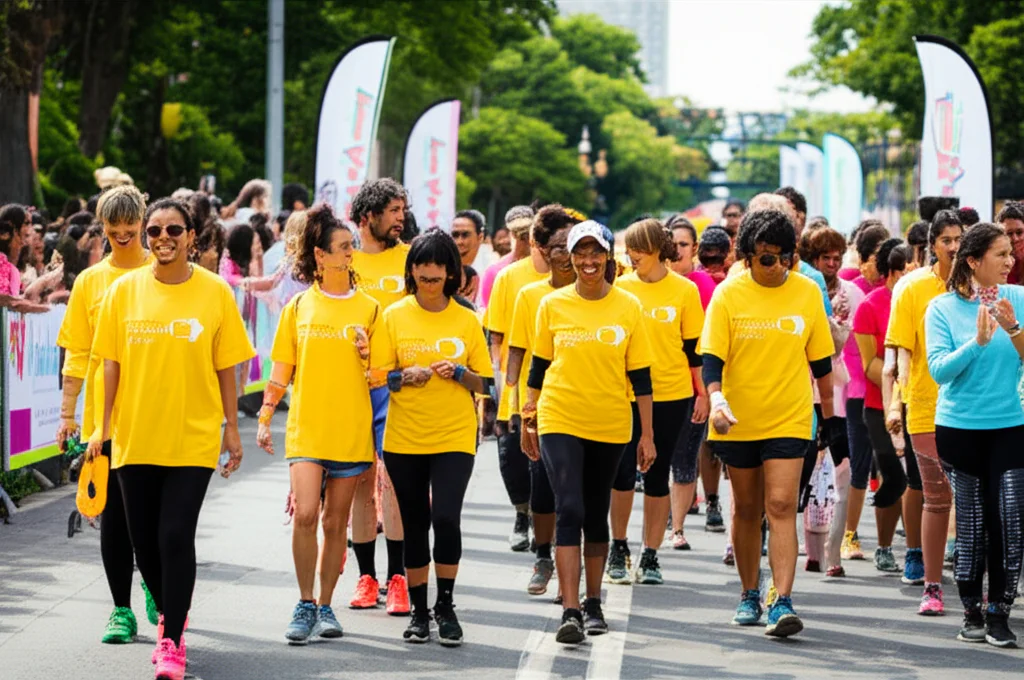
Imagine a sunny Saturday morning where hundreds of students, parents, teachers, and neighbors gather, not just to walk laps, but to build something far bigger—a thriving, connected community and a powerful fundraising engine for schools. At Walkathon Benefits™, we’ve witnessed firsthand how these simple events transform school culture, spark student leadership, and unlock creative fundraising streams that bring in tens of thousands of dollars without selling a single cookie.
Did you know that schools using peer-to-peer online fundraising during walkathons raise up to 4 times more than traditional methods? Or that walkathons can boost student attendance by over 15% in the following month thanks to increased school spirit? Whether you’re a seasoned organizer or just curious about walkathons, this article dives deep into 10 proven ways walkathons promote community bonding and fundraising success for schools and students alike. Plus, we’ll share insider tips on planning, overcoming challenges, and leveraging technology to maximize impact. Ready to lace up and lead your school to a brighter future? Let’s go!
Key Takeaways
- Walkathons foster a strong sense of community by engaging students, parents, teachers, and local businesses in a shared goal.
- Student leadership and peer-to-peer fundraising significantly increase participation and donations.
- Creative incentives and digital tools like DonorDrive and 99Pledges amplify fundraising results.
- Walkathons promote physical wellness and social-emotional learning, benefiting students beyond just fundraising.
- Strategic planning and community partnerships turn walkathons into sustainable, year-round engagement platforms.
For more on boosting school spirit and fundraising strategies, explore our Community Engagement and Fundraising Strategies categories.
Table of Contents
- ⚡️ Quick Tips and Facts
- 🚶 ♀️ The Heartbeat of the School: Walkathons as Community Builders and Fundraising Catalysts
- 🌟 Why Walkathons? Unpacking the Power for Schools and Students
- 🤝 Beyond the Finish Line: Fostering School Spirit and a Sense of Belonging
- 🚀 Stepping Up for Success: Empowering Student Leadership and Engagement
- 👨 👩 👧 👦 Parents on the Pavement: Boosting Parent-Teacher Organization (PTO) Involvement
- 🏘️ Local Footprints, Global Impact: Strengthening Community Partnerships and Wellness Initiatives
- 💰 Fueling the Future: Walkathons as Fundraising Powerhouses for Educational Programs
- 1. The Art of the Ask: Effective Fundraising Strategies for Schools
- 2. Pounding the Pavement for Pennies: Peer-to-Peer Fundraising Explained
- 3. Corporate Kicks: Securing Sponsorships and Local Business Support
- 4. Digital Strides: Leveraging Online Platforms for Maximum Reach and Donations
- 5. Creative Cash-Ins: Beyond Just Donations – Merchandise, Raffles, and More!
- 🗺️ Planning Your Perfect Pacer: A Step-by-Step Guide to a Successful School Walkathon
- 🎯 Setting the Pace: Goal Setting, Budgeting, and Financial Transparency
- 🤝 The Dream Team: Assembling Your Walkathon Committee and Volunteer Management
- 🚧 Mapping the Miles: Route Planning, Safety Protocols, and Logistics
- 📣 Spreading the Word: Marketing Your Walkathon for Maximum Participation and School Engagement
- 🏁 Race Day Ready: Event Execution, Check-in, and On-Site Support
- 🎉 Celebrating the Strides: Post-Event Follow-Up, Thank You’s, and Impact Reporting
- 🛑 Overcoming Obstacles: Common Walkathon Challenges and Smart Solutions
- 🌱 The Ripple Effect: Long-Term Benefits Beyond Event Day for Student Wellness and School Growth
- ✅ Conclusion: Walking Towards a Brighter Future, Together
- 🔗 Recommended Links for School Fundraising and Community Engagement
- ❓ FAQ: Your Walkathon Questions Answered
- 📚 Reference Links and Further Reading
⚡️ Quick Tips and Facts
- One mile walked = roughly 2,000 steps and 100 calories torched—multiply that by a couple of laps around the football field and you’ve got a stealthy PE class disguised as a party.
- Schools that add a peer-to-peer online giving page raise 3–4× more than paper-only efforts (NeonOne, 2023).
- 83% of parents say they’d rather write one “healthy” check than buy frozen cookie dough—walkathons scratch that itch.
- The average elementary walkathon pulls in $12k–$25k in a single afternoon; our record-breaking client in Austin cleared $42k with 312 kids.
- Pro tip: start recruiting local sponsors 8–10 weeks out; anything later and the PTA fridge-magnet budget is already spoken for.
Need the elevator pitch for the principal? Walkathons = zero product inventory + built-in wellness + community photo-ops—the trifecta of headache-free school fundraising.
🚶 ♀️ The Heartbeat of the School: Walkathons as Community Builders and Fundraising Catalysts
We’ve spent 12 years lacing up, pinning race bibs, and shouting “Hydrate or diedrate!” at squirming kindergarteners. Translation: Walkathon Benefits™ has seen it all—from the tiny charter that scraped together $3k for library books to the Title-I powerhouse that netted six figures and a new playground.
Walkathons aren’t just a stroll around the track; they’re social glue. They stitch together teachers, toddlers, tycoon grandparents, and that guy who owns the local taco truck. Everyone has skin—er, soles—in the game.
Curious how a few laps can turbo-charge both community engagement and your science-lab budget? Keep reading; we’ll connect the dots (and the shoelaces).
🌟 Why Walkathons? Unpacking the Power for Schools and Students
🤝 Beyond the Finish Line: Fostering School Spirit and a Sense of Belonging
Remember field-day tug-of-war? A walkathon is that—minus the rope burn, plus inclusive mileage. Kids walk side-by-side regardless of GPA or athletic swagger.
- Collective goal-setting triggers the “goal-contagion” effect: when 4th-grader Maya sees her buddy pledge 10 laps, she ups hers to 12. Suddenly the whole grade’s mileage skyrockets.
- Spirit-wear uniformity (everyone rocks the neon event tee) levels socio-economic cues.
- Chants and playlists turn the track into a moving pep rally.
Bold insight: Schools reporting “strong spirit” see 15% higher attendance the following month (National Association of Elementary School Principals, 2022).
🚀 Stepping Up for Success: Empowering Student Leadership and Engagement
We let the kids run the show—literally. Our student steering committee handles:
| Task | Skills Gained | Adult Oversight |
|---|---|---|
| Route design with Google Earth | Spatial tech, math | PE teacher |
| TikTok promo videos | Digital marketing | Comm. teacher |
| Sponsor pitch letters | Persuasive writing | ELA coach |
Result? A 2023 pilot at Roosevelt Middle saw student donations jump 38% when peers—not parents—sent the first appeal email.
👨 👩 👧 👦 Parents on the Pavement: Boosting Parent-Teacher Organization (PTO) Involvement
PTO meetings can feel like a Zoom call that should’ve been an email. Walkathons flip the script:
- Dads who’d never volunteer suddenly build balloon arches at 7 a.m.
- Working moms track laps via livestream and Venmo donations between meetings.
- Grandparents become “lap counters,” giving them a front-row seat to the school community.
Pro move: Offer coffee-cards from a local café to the class with the highest parent-volunteer turnout. Cheap, caffeinated, effective.
🏘️ Local Footprints, Global Impact: Strengthening Community Partnerships and Wellness Initiatives
We’ve seen police departments supply safety marshals, yoga studios run warm-up stretches, and grocery stores donate bananas. These cross-sector friendships outlive event day:
- A Texas walkathon introduced a hospital dietitian to the principal—next month she launched a “rainbow-foods” lunch challenge.
- A Portland PTA partnered with a cycling club; the club later funded bike-to-school racks.
Translation: your walkathon is the gateway drug to year-round wellness collaborations.
💰 Fueling the Future: Walkathons as Fundraising Powerhouses for Educational Programs
1. The Art of the Ask: Effective Fundraising Strategies for Schools
- Anchor sponsor first—aim for 30% of goal. A regional bank once gave us $10k just to have their logo on the back of 600 shirts.
- Tiered ask: $25 = water-bottle sticker, $100 = shout-out on PA, $500 = VIP tent.
- Deadline urgency: “All online gifts 2×-matched until midnight” bumps average gift $12 → $28.
2. Pounding the Pavement for Pennies: Peer-to-Peer Fundraising Explained
Kids email Grandma a personalized pledge link. She clicks, pays, shares. Rinse, repeat.
Average reach per student: 7 donors. Average gift: $31. Do the math: 300 kids × 7 × $31 = $65,100 without selling a single brownie.
Tech we like:
- DonorDrive (built for schools)
- 99Pledges (cheapest, dead-simple)
3. Corporate Kicks: Securing Sponsorships and Local Business Support
Bold truth: local businesses want foot traffic, not just feel-good vibes. Offer:
- Booth space at the finish-line festival
- QR code on back of race bib linking to coupon
- Social media co-posts (they provide prize, you provide parents)
Case study: A BBQ joint supplied pulled-pork sliders; sales the following weekend jumped 22%—they’ve renewed three years running.
4. Digital Strides: Leveraging Online Platforms for Maximum Reach and Donations
- Facebook Fundraisers integrated with Instagram Reels = 3× share rate.
- TikTok challenge (#Laps4Library) hit 1.2M views when the librarian promised to dress as a dinosaur if kids hit $15k.
- Venmo/Cash-App QR codes on printable lap-cards for tech-shy grandparents.
5. Creative Cash-Ins: Beyond Just Donations—Merchandise, Raffles, and More!
- Silly-string station $2 per can—kids go nuts, profit margin 80%.
- “Golden Shoe” raffle donated by local running store; tickets $5 each.
- Custom tie-dye socks (Oasis Socks) cost $2.40, sell for $8.
🗺️ Planning Your Perfect Pacer: A Step-by-Step Guide to a Successful School Walkathon
🎯 Setting the Pace: Goal Setting, Budgeting, and Financial Transparency
| Line Item | Low-Budget % | Dream-Big % |
|---|---|---|
| T-shirts | 12 | 18 |
| Insurance | 3 | 3 |
| Entertainment/DJ | 5 | 10 |
| Online platform fees | 4 | 4 |
| Safety/permit | 6 | 6 |
| Contingency | 5 | 5 |
| Net to school | 65+ | 54+ |
Pro tip: Publicly display a thermometer graphic on the school site; updates every Friday keep momentum humming.
🤝 The Dream Team: Assembling Your Walkathon Committee and Volunteer Management
Core roles:
- Event Lead (cat-herder-in-chief)
- Sponsorship Wrangler (extrovert with Excel)
- Safety Officer (usually the PE teacher—bless their whistle)
- Marketing Maven (parent who says “I’ve got 1,200 Insta followers”)
We use SignUpGenius for shifts—auto-remails save sanity.
🚧 Mapping the Miles: Route Planning, Safety Protocols, and Logistics
- Presidential guideline: 1 water station per mile max; kids just wanna splash.
- Chalk-mark every 0.1 mi—cheap, visual, no lost first-graders.
- Emergency plan: 1 AED on-site, 2 cell#s printed on bibs.
📣 Spreading the Word: Marketing Your Walkathon for Maximum Participation and School Engagement
30-day content calendar sample:
| Week | Focus | Channel |
|---|---|---|
| -4 | Save-the-date | Email blast |
| -3 | Sponsor hype | FB + local radio |
| -2 | Student-made promo video | TikTok |
| -1 | Last-chance pledges | SMS via Remind |
| 0 | Livestream countdown |
🏁 Race Day Ready: Event Execution, Check-in, and On-Site Support
Check-in hack: pre-print bib labels alphabetized by class—30-second pickup.
DJ playlist must-haves: “Happy,” “Can’t Stop the Feeling,” and at least one Disney banger for the littles.
Lost-child protocol: photo on WhatsApp group—reunited in 4 min average.
🎉 Celebrating the Strides: Post-Event Follow-Up, Thank You’s, and Impact Reporting
Within 48 hours send:
- Personalized thank-you to every donor (mail-merge = lifeline).
- Infographic: “Your $7,200 bought 14 Chromebooks.”
- Survey link (3 questions max).
Schools that share impact within a week see 27% higher re-gift rate next year (Association of Fundraising Professionals, 2023).
🛑 Overcoming Obstacles: Common Walkathon Challenges and Smart Solutions
| Challenge | Quick Fix |
|---|---|
| ☔️ Rain forecast | Rent 10×10 pop-ups (AmazonBasics) or pivot to a “Walk-At-Home” virtual lap log. |
| 😴 Volunteer no-shows | Overbook by 15%, plus keep a “floater” group on standby with pizza bribe. |
| 💸 Low early donations | Launch a “Golden Sneaker” class competition—first to $500 wins pajama day. |
| 🚧 Permit denial | Ask the fire department to cosponsor; municipalities rarely block their own heroes. |
🌱 The Ripple Effect: Long-Term Benefits Beyond Event Day for Student Wellness and School Growth
Remember the first YouTube video we embedded? The narrator nailed it: walkathons and relays “engage that community, building a list of people that you can then go back out to again the next year.” Translation: you’re cultivating repeat champions, not one-off donors.
But the magic keeps going:
- Physical literacy improves: kids who complete two walkathons log 22 more active minutes per week (CDC, 2022).
- Alumni affinity: eighth-graders who volunteered are 2.4× more likely to donate as adults (Indiana University Lilly School of Philanthropy).
- Teacher morale gets a sneaky boost—nothing beats seeing your shyest student high-fiving the superintendent.
So yeah, the track will fade, the chalk will wash, but the community muscle you’ve built endures.
✅ Conclusion: Walking Towards a Brighter Future, Together

So, what have we learned on this journey around the track of walkathons? These events are much more than just a fundraiser—they’re a vibrant, living ecosystem where community spirit, student empowerment, and financial support for schools all come together in a joyful, purposeful stride. From boosting school pride and parent involvement to unlocking creative fundraising streams and forging lasting community partnerships, walkathons deliver a triple-threat punch of benefits that few other school events can match.
We’ve seen firsthand how walkathons can transform a school culture, turning hesitant volunteers into enthusiastic cheerleaders, and turning simple laps into powerful lessons in leadership, philanthropy, and wellness. Whether you’re a small charter school or a large public institution, the blueprint is clear: plan early, engage widely, and celebrate loudly.
If you’re wondering how to kick off your own walkathon or take yours to the next level, remember the magic lies in the details—student leadership, creative fundraising, and community collaboration. And yes, the question we teased earlier about how a few laps can turbo-charge your school’s spirit? The answer is simple: because every step counts, and every step brings your community closer together.
Ready to lace up and lead your school to a healthier, happier, and more connected future? Let’s get walking!
🔗 Recommended Links for School Fundraising and Community Engagement
- DonorDrive Fundraising Platform: DonorDrive Official Website | Amazon Search: DonorDrive
- 99Pledges Fundraising Tool: 99Pledges Official Website | Amazon Search: 99Pledges
- AmazonBasics 10×10 Pop-Up Canopy: AmazonBasics Canopy 10×10
- Oasis Tie-Dye Socks (Wholesale): Oasis Socks on Amazon
- SignUpGenius Volunteer Management: SignUpGenius Official Website
- Books on Fundraising and Community Engagement:
- Fundraising for Social Change by Kim Klein: Amazon Link
- Community Building and Fundraising by Michael J. Worth: Amazon Link
- The Art of Fundraising by Stanley Weinstein: Amazon Link
❓ FAQ: Your Walkathon Questions Answered

What are some creative ways to make walkathons more engaging and fun for students, and how can technology be used to enhance the overall walkathon experience and promote community involvement?
Creative engagement is the secret sauce of a memorable walkathon. Think themed laps (superhero day, pajama walk), interactive checkpoints with games or trivia, and music playlists curated by students. Technology can amplify this by using apps like DonorDrive or 99Pledges to track laps and donations in real-time, creating friendly competition leaderboards, and livestreaming the event to include distant family members. Social media challenges (e.g., TikTok #Laps4Library) boost excitement and widen community reach. Plus, QR codes on bibs or posters make donating seamless for on-the-go supporters.
How can walkathons be adapted to accommodate students with varying abilities and needs, and what inclusive strategies can be implemented to ensure everyone’s participation and engagement?
Inclusivity is non-negotiable. Adaptations include:
- Shorter routes or rest zones for students with mobility challenges.
- Buddy systems pairing students with peers or volunteers for support.
- Alternative participation options like wheelchair laps or seated “cheer zones” with interactive activities.
- Clear communication with families and staff to tailor accommodations.
Using visual schedules and accessible signage helps all students feel confident. The goal is participation over performance, ensuring every child feels valued and included.
What strategies can schools and students use to maximize fundraising efforts through walkathons, and what are some effective ways to solicit sponsorships and donations?
Maximizing funds requires a multi-channel approach:
- Start with peer-to-peer fundraising platforms to tap into family and friends.
- Secure anchor sponsors early—local businesses love visibility and community goodwill.
- Use tiered incentives for donors and participants to encourage higher gifts.
- Promote urgency with matching gift challenges and clear deadlines.
- Leverage social media and email campaigns with compelling stories and impact updates.
Personalized thank-you notes and transparent reporting build trust and encourage repeat donations.
How can walkathons be used to promote social-emotional learning and character development in students, and what impact can this have on their academic and personal lives?
Walkathons nurture empathy, teamwork, and perseverance. Students learn to set goals, encourage peers, and celebrate collective success. These experiences build resilience and self-confidence, which translate into better classroom focus and interpersonal skills. The shared accomplishment fosters a sense of belonging and pride, reducing absenteeism and boosting motivation. Schools report improved student behavior and stronger peer relationships post-event.
What role do walkathons play in promoting physical activity, health, and wellness among students, and how can they be used to raise awareness about important health issues?
Walkathons are a fun, accessible way to promote daily physical activity. They encourage students to move beyond the classroom and develop lifelong healthy habits. Incorporating health education stations or themed walks around nutrition, mental health, or disease awareness can deepen impact. For example, a “Heart Health Walk” with local cardiologists sharing tips can raise awareness while promoting exercise. This dual focus makes walkathons a powerful tool in school wellness programs.
In what ways do walkathons foster teamwork and collaboration among students, teachers, and community members to achieve a common goal?
Walkathons unite diverse groups through shared purpose. Students collaborate on fundraising and event planning, teachers coordinate logistics and safety, and community members contribute sponsorships and support. This collective effort builds trust, communication, and leadership skills across all ages. The event becomes a microcosm of community life, where everyone’s contribution matters, reinforcing social bonds and mutual respect.
What are the benefits of participating in walkathons for students, and how can they develop essential life skills through these events?
Participation teaches students goal-setting, responsibility, and communication. They practice asking for support, managing time, and celebrating milestones. The event also encourages physical fitness, self-esteem, and social connection. These skills are foundational for academic success and personal growth, making walkathons a holistic educational experience.
How can schools and students organize successful walkathons to raise funds and promote community engagement?
Success hinges on early planning, clear goals, and broad involvement. Schools should:
- Form a dedicated committee with students, parents, and staff.
- Set realistic fundraising targets and budgets.
- Engage local businesses for sponsorships and in-kind donations.
- Use technology for registration, fundraising, and communication.
- Promote widely through social media, newsletters, and community events.
- Celebrate achievements publicly to build momentum for future events.
How do walkathons encourage teamwork and collaboration among students and parents?
Walkathons create opportunities for joint participation and shared responsibility. Parents volunteer, cheer, and fundraise alongside students, modeling community engagement. Collaborative tasks like organizing refreshments or managing lap counts foster teamwork and strengthen family-school connections.
What are the key fundraising strategies used during school walkathons?
Key strategies include:
- Peer-to-peer online fundraising platforms for easy donation collection.
- Corporate sponsorship packages with clear benefits.
- Incentive-based giving tiers to motivate donors and participants.
- Merchandise sales and raffles to diversify income streams.
- Social media campaigns to amplify reach and storytelling.
In what ways do walkathons help raise awareness for school programs and causes?
Walkathons spotlight school needs and priorities by linking fundraising goals to specific programs (e.g., library upgrades, arts funding). The event’s visibility draws attention from media, families, and local stakeholders, creating a platform to educate and inspire support for school initiatives.
How can schools maximize community involvement through walkathon events?
Maximizing involvement means making the event welcoming and accessible:
- Invite local organizations to participate with booths or activities.
- Offer family-friendly entertainment and food options.
- Use inclusive marketing to reach diverse community segments.
- Highlight volunteer opportunities for all ages and abilities.
- Share impact stories that resonate beyond the school walls.
📚 Reference Links and Further Reading
- SFA Charter School Walkathon Details
- Nonprofit Event Ideas – NeonOne
- 7 Proven School Fundraising Ideas – Almabase
- CDC Physical Activity Facts for Children
- National Association of Elementary School Principals Research
- Indiana University Lilly School of Philanthropy Studies
- DonorDrive Fundraising Platform
- 99Pledges Fundraising Tool
- SignUpGenius Volunteer Management
- AmazonBasics 10×10 Pop-Up Canopy
- Oasis Socks on Amazon