
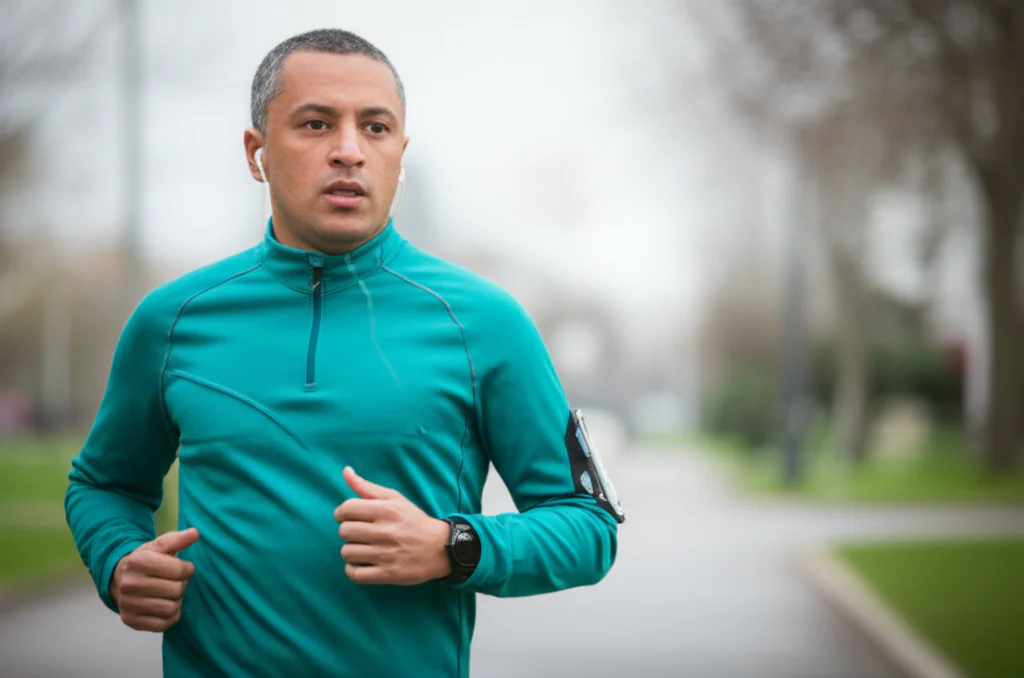
The secret to crushing your next charity event isn’t just showing up; it’s following a structured, progressive Walkathon training plan that builds endurance without burning you out. Whether you aim for a 5K stroll or a grueling 20-mile trek, consistency beats intensity every time.
Imagine Sarah, a busy mom who thought she could “wing it” on race day. She ended up hobling across the finish line, vowing never to walk again. Then she tried our method: slow, steady progression. By week 12, she wasn’t just finishing; she was smiling, high-fiving strangers, and raising double her fundraising goal.
Did you know the average person takes 5,0 steps a day, but a 10K walkathon demands nearly 14,0? That gap is where injuries happen if you aren’t prepared. A good plan bridges that gap safely, turning a daunting distance into a manageable journey.
Key Takeaways
- Start Early: A 12-week timeline is the sweet spot for most beginners to build safe endurance.
- Progressive Overload: Increase your weekly mileage by no more than 10% to prevent injury.
- Gear Up: Invest in specialized walking shoes and moisture-wicking apparel, not old running sneakers.
- Fuel Smart: Hydration and carb-loading are just as critical for walkers as they are for runners.
- Listen to Your Body: Rest days are non-negotiable for muscle repair and long-term success.
Table of Contents
- ⚡️ Quick Tips and Facts
- 📜 The Evolution of the Walkathon: From Charity Strolls to Fitness Phenomena
- 🏃 ♀️ Why You Need a Structured Walkathon Training Plan
- 📋 7-Step Guide to Building Your Custom Walkathon Training Schedule
- 👟 Gear Up: Essential Shoes, Apparel, and Tech for Long-Distance Walking
- 🥗 Fueling the Machine: Nutrition and Hydration Strategies for Walkers
- 🧘 ♂️ Injury Prevention: Stretching, Strength, and Recovery Protocols
- 🗓️ 12-Week Beginner Walkathon Training Plan
- 🚀 16-Week Intermediate Walkathon Training Plan
- 🏆 20-Week Advanced Walkathon Training Plan for Race Day Dominance
- 🏔️ Tackling Hills and Varied Terrain in Your Walkathon Prep
- 🧠 Mental Toughness: Staying Motivated When Your Legs Feel Like Lead
- 👥 Training with a Group vs. Solo Walking: Pros and Cons
- 📚 Top Books and Resources for Aspiring Walkathon Athletes
- 🌐 Recommended Links and Community Resources
- ❓ Frequently Asked Questions About Walkathon Training
- 📖 Reference Links and Scientific Studies
- 🏁 Conclusion: Your Journey Starts with a Single Step
⚡️ Quick Tips and Facts
Before you lace up those sneakers and start pacing the living room, let’s hit the pause button on the “just walk it off” mentality. We’ve seen too many enthusiastic beginners turn a charity walk into a three-day couch-bound saga because they skipped the basics. Here is the lowdown from our team at Walkathon Benefits™:
- Consistency is King: You can’t cram for a walkathon. Walking 30 minutes a day, five days a week, beats a single 4-hour hike on Saturday every time.
- The “Talk Test” is Real: If you can’t hold a conversation while walking, you’re going too fast. This isn’t a sprint; it’s a marathon of conversation.
- Shoes Matter More Than You Think: Wearing your old running shoes from 2015? ❌ That’s a recipe for plantar fascitis. You need dedicated walking shoes with a flexible sole.
- Hydration isn’t Optional: Even if you’re not sweating buckets, you lose fluids. ✅ Sip water before you feel thirsty.
- Distance Matters: Not all walkathons are created equal. From a casual 5K to a grueling 50-mile trek, knowing your target distance is step one. For a deep dive on how to choose the right distance for your fitness level, check out our guide on walkathon distance.
Did you know? The average American adult takes about 5,0 steps a day. A typical 5K walkathon requires roughly 6,0 to 7,0 steps. That means training is about doubling your daily activity, not reinventing the wheel!
📜 The Evolution of the Walkathon: From Charity Strolls to Fitness Phenomena
Remember when “walking for a cause” meant a slow shuffle around the block with a cardboard sign? Those days are long gone. The modern walkathon has evolved into a fitness phenomenon that blends community engagement, high-tech gear, and serious athletic training.
From the 1960s to Today
The concept of the walkathon traces back to the 1960s, originally designed as a fundraiser for polio research. It was a “walk-a-thon,” a play on the “marathon” of endurance. Fast forward today, and these events are global spectacles. We’re talking about color runs, dawn patrols, and themed charity walks that attract thousands.
Why the shift? It’s the power of community. As we discuss in our Community Engagement category, these events aren’t just about the miles; they’re about the shared experience.
Fun Fact: The first recorded walkathon was in 1967 in California. Today, the American Cancer Society’s “Relay For Life” alone raises hundreds of millions of dollars annually, proving that a simple step can move mountains.
But here’s the twist: while the purpose has remained charitable, the method has become scientific. We no longer just “walk.” We train. We track heart rates. We analyze gait. And that’s exactly why you need a structured plan.
🏃 ♀️ Why You Need a Structured Walkathon Training Plan
You might be thinking, “I can just show up and walk, right?” Wrong.
Imagine trying to climb a mountain without a map. You might get there, but you’ll likely get lost, exhausted, or injured. A structured walkathon training plan is your GPS. It ensures you build endurance gradually, prevents injury, and keeps you motivated.
The Science of Progression
Our team at Walkathon Benefits™ has analyzed countless training logs. The number one reason people quit or get injured is doing too much, too soon. A structured plan respects the body’s need for adaptation.
- Builds Aerobic Base: Walking at a steady pace improves cardiovascular health without the high impact of running.
- Strengthens Connective Tissues: Tendons and ligaments adapt slower than muscles. A plan gives them time to catch up.
- Mental Preparation: Knowing exactly what to do on Tuesday and Thursday removes the “decision fatigue” of “Should I walk today?”
Pro Tip: If you’re training for a cause, check out our Fundraising Strategies to see how your training milestones can double as fundraising milestones!
📋 7-Step Guide to Building Your Custom Walkathon Training Schedule
Not everyone has the same schedule, fitness level, or goal. A cookie-cutter plan might work for some, but a custom plan works for you. Here is how we build a plan at Walkathon Benefits™:
1. Assess Your Starting Point
Be honest. Can you walk 30 minutes without stopping? If not, start there. If you can do 60 minutes, you’re ready for more.
- Action: Take a baseline walk. Time it. Note how you feel.
2. Define Your Goal Distance
Is it a 5K, 10K, or a half-marathon (13.1 miles)?
- Action: Check your event registration details. If you’re unsure, read our walkathon distance guide.
3. Determine Your Timeline
How many weeks until the event?
- Beginer: 12 weeks.
- Intermediate: 16 weeks.
- Advanced: 20+ weeks.
4. Set Your Frequency
Most plans recommend 3 to 5 days of walking per week.
- Action: Block out your calendar. Consistency is key.
5. Choose Your Intensity Zones
Use the Heart Rate Reserve (HRR) method or the Talk Test.
- Zone 1 (Recovery): Easy stroll, breathing easy.
- Zone 2 (Endurance): Brisk, can talk but slightly breathless.
- Zone 3 (Tempo): Hard, can only say a few words.
6. Plan Your Long Walks
The weekend long walk is the cornerstone of your training. It builds the mental and physical stamina needed for race day.
- Rule of Thumb: Increase your long walk distance by no more than 10-15% per week.
7. Schedule Rest and Recovery
Rest days are when your body gets stronger. ❌ Do not skip them.
- Action: Include at least 2 rest days or active recovery days (like gentle yoga) per week.
👟 Gear Up: Essential Shoes, Apparel, and Tech for Long-Distance Walking
Let’s talk about the most important piece of equipment: your shoes.
Shoe Selection: The Foundation
You wouldn’t wear high heels to a marathon, so why wear running shoes with heavy cushioning meant for impact? Walking shoes need a flexible sole that bends at the ball of the foot.
| Feature | Walking Shoe | Running Shoe | Verdict |
|---|---|---|---|
| Sole Flexibility | High (bends easily) | Moderate (stiff for propulsion) | Walking Shoe ✅ |
| Hel Drop | Low (0-4mm) | High (8-12mm) | Walking Shoe ✅ |
| Cushioning | Firm, responsive | Soft, plush | Walking Shoe ✅ |
| Weight | Lightweight | Varies | Walking Shoe ✅ |
Top Brands to Consider:
- Broks: Known for their “Adrenaline GTS” and “Ghost” lines, though their walking-specific “Addiction Walker” is a favorite.
- New Balance: The “Fresh Foam” series offers incredible comfort for long distances.
- ASICS: The “Gel-Contend” series is a budget-friendly powerhouse.
Real Story: Sarah, a 45-year-old teacher, tried to train for her first 10K in her old running shoes. By week 4, she had severe shin splints. Switching to New Balance 90v5 walking shoes fixed the issue in two weeks.
Apparel: Breathability is Key
- Socks: Never wear cotton. It holds moisture and causes blisters. Go for merino wool or synthetic blends like Dri-Fit.
- Clothing: Moisture-wicking fabrics are non-negotiable. Look for brands like Under Armour or Lulemon.
Tech: Track Your Progress
- GPS Watch: A Garmin Forerunner or Apple Watch helps track distance and pace.
- Heart Rate Monitor: Essential for staying in your target zone.
- Pedometer: A simple step counter can be surprisingly motivating.
👉 Shop Walking Shoes on:
- Amazon: Search for Walking Shoes
- Zappos: Browse Walking Shoes
- Brand Official: Broks Running | New Balance
🥗 Fueling the Machine: Nutrition and Hydration Strategies for Walkers
You wouldn’t put cheap gas in a Ferrari, so why put junk food in your body before a long walk?
Hydration: The Silent Performer
Dehydration can kill your performance faster than a steep hill.
- Pre-Walk: Drink 16-20 oz of water 2 hours before.
- During Walk: Sip 4-8 oz every 15-20 minutes.
- Post-Walk: Rehydrate with water and electrolytes.
Nutrition: Timing is Everything
- Carbs: Your primary fuel source. Eat complex carbs (oats, whole grains) 2-3 hours before a long walk.
- Protein: Helps repair muscles. Include a small amount in your pre-walk meal.
- Electrolytes: For walks over 90 minutes, consider a sports drink or electrolyte tablets.
Diabetes Note: If you have diabetes, monitoring your blood glucose is critical. Check levels before, during, and after exercise. For more on this, see the Diabetes Self-Management guidelines.
🧘 ♂️ Injury Prevention: Stretching, Strength, and Recovery Protocols
Injuries are the biggest dream-killers. But they are largely preventable.
The Golden Rule: Warm Up and Cool Down
Never start a long walk cold.
- Warm-up: 5-10 minutes of slow walking + dynamic stretches (leg swings, arm circles).
- Cool-down: 5-10 minutes of slow walking + static stretches (hold for 30 seconds).
Strength Training: The Secret Weapon
Walking is great, but it doesn’t build enough strength to prevent injury on its own.
- Core: Planks and bird-dogs improve posture.
- Legs: Squats and lunges strengthen quads and glutes.
- Calves: Calf raises prevent Achilles tendonitis.
Recovery: Listen to Your Body
- RICE: Rest, Ice, Compression, Elevation for minor injuries.
- Foam Rolling: Great for releasing muscle tightness.
- Sleep: Your body repairs itself while you sleep. Aim for 7-9 hours.
🗓️ 12-Week Beginner Walkathon Training Plan
Ready to start? Here is a 12-week plan designed for those who can currently walk 30 minutes comfortably. This plan assumes a goal of completing a 5K or 10K walkathon.
Week 1-4: Building the Base
- Monday: Rest
- Tuesday: 30 min easy walk
- Wednesday: 20 min brisk walk
- Thursday: Rest
- Friday: 30 min easy walk
- Saturday: 45 min long walk (steady pace)
- Sunday: Rest or light yoga
Week 5-8: Increasing Endurance
- Monday: Rest
- Tuesday: 35 min easy walk
- Wednesday: 25 min brisk walk + 10 min strength
- Thursday: Rest
- Friday: 40 min easy walk
- Saturday: 60 min long walk (include 10 min brisk intervals)
- Sunday: Rest
Week 9-12: Peak and Taper
- Monday: Rest
- Tuesday: 40 min easy walk
- Wednesday: 30 min brisk walk
- Thursday: Rest
- Friday: 30 min easy walk
- Saturday: 75-90 min long walk (peak distance)
- Sunday: Rest
Note: If you miss a workout, don’t panic. Just pick up where you left off. If you miss more than a week, restart at a lower intensity.
🚀 16-Week Intermediate Walkathon Training Plan
For those who have completed a 5K and are ready for a 10K or Half Marathon. This plan adds more volume and intensity.
Key Differences from Beginner Plan
- Long Walks: Extend to 2-3 hours.
- Intervals: Introduce “brisk” intervals (2 min fast, 2 min easy).
- Cross-Training: Add a day of cycling or swimming.
Sample Week (Week 8)
- Monday: Rest
- Tuesday: 45 min easy walk
- Wednesday: 30 min intervals (4x 5 min fast)
- Thursday: 30 min cross-training (cycling)
- Friday: Rest
- Saturday: 2 hour long walk
- Sunday: Rest
🏆 20-Week Advanced Walkathon Training Plan for Race Day Dominance
Training for a 20-mile or 50K event? This plan is for you. It focuses on ultra-endurance and mental toughness.
The Philosophy
- Volume: Long walks can reach 4-5 hours.
- Back-to-Back: Some weeks include two long walks in a row to simulate fatigue.
- Nutrition: Practice eating on the run (or walk) during long sessions.
Sample Week (Week 12)
- Monday: Rest
- Tuesday: 60 min easy walk
- Wednesday: 45 min intervals
- Thursday: 30 min cross-training
- Friday: Rest
- Saturday: 3.5 hour long walk
- Sunday: 1.5 hour recovery walk
🏔️ Tackling Hills and Varied Terrain in Your Walkathon Training
Not all walkathons are on flat pavement. Some take you through parks, trails, and hills.
Hill Training
- Find a Hill: Look for a moderate incline.
- Technique: Lean slightly forward, shorten your stride, and drive your arms.
- Workout: Walk up the hill at a brisk pace, walk down slowly for recovery. Repeat 6-8 times.
Trail Walking
- Footwear: Consider trail shoes with better grip.
- Balance: Engage your core more to navigate uneven surfaces.
- Safety: Watch for roots and rocks.
🧠 Mental Toughness: Staying Motivated When Your Legs Feel Like Lead
Let’s be real: at mile 8, your legs will scream. Your brain will tell you to stop. This is where mental toughness comes in.
Strategies to Keep Going
- Chunking: Break the distance into small goals. “Just get to that tree.”
- Music/Podcasts: Create a playlist that matches your pace.
- Visualization: Imagine crossing the finish line.
- The “Why”: Remember why you started. Is it for a loved one? A cause? Keep that image in your mind.
Quote: “It’s not about how fast you go; it’s about how far you’re willing to go.”
👥 Training with a Group vs. Solo Walking: Pros and Cons
Should you walk alone or with a pack?
Solo Walking
- Pros: Flexible schedule, no waiting, deep focus.
- Cons: Can be lonely, harder to stay motivated.
Group Walking
- Pros: Accountability, social support, safety in numbers.
- Cons: Harder to stick to your own pace, scheduling conflicts.
Our Verdict: A mix is best. Walk solo for your long, focused sessions, and join a group for shorter, social walks. Check out our Community Engagement section to find local walking groups.
📚 Top Books and Resources for Aspiring Walkathon Athletes
Want to dive deeper? Here are our top picks:
- “The Complete Guide to Walking for Health, Weight Loss and Fitness” by Mark Fenton: The bible of walking.
- “Walk Your Way to Better Health” by Dr. James O’Kefe: Focuses on the health benefits.
- “Training for the New Alpinism” by Steve House: Great for mental toughness and endurance (yes, even for walkers!).
👉 Shop Books on:
- Amazon: Search for Walking Books
- Barnes & Noble: Browse Walking Books
🌐 Recommended Links and Community Resources
Need more help? Check out these resources:
- Walkathon Benefits™ Health Benefits of Walking: Read More
- Walkathon Benefits™ Kids Walkathons: Read More
- Walkathon Benefits™ Event Registration Tips: Read More
❓ Frequently Asked Questions About Walkathon Training
What is the best walkathon training plan for beginners?
The best plan is one you can stick to. For beginners, a 12-week plan that starts with 30-minute walks and gradually increases distance is ideal. Focus on consistency over speed.
How do walkathons support community and charitable causes?
Walkathons bring people together for a common goal. They raise funds, increase awareness, and foster a sense of belonging. As we’ve seen, the power of community is the driving force behind these events.
How can I prepare physically for a walkathon event?
Start with a baseline assessment, build endurance gradually, incorporate strength training, and prioritize recovery. Don’t forget to listen to your body and adjust your plan as needed.
What is the best training plan for a walkathon?
It depends on your goal. For a 5K, a 12-week plan works. For a half-marathon, consider a 16-20 week plan. The key is progressive overload and consistency.
How long should I train before a walkathon?
Most beginners need 12 weeks. If you’re new to exercise, you might need 16-20 weeks. If you’re already active, 8-10 weeks might suffice.
What is the best weekly schedule for walkathon training?
Aim for 3-5 days of walking per week. Include at least one long walk on the weekend and rest days in between.
How can I prevent injuries while training for a walkathon?
Wear proper shoes, warm up and cool down, strengthen your core and legs, and don’t increase your mileage by more than 10% per week.
What should I eat and drink during walkathon training?
Stay hydrated with water and electrolytes. Eat complex carbs before long walks and protein after. For walks over 90 minutes, bring snacks like energy gels or bars.
📖 Reference Links and Scientific Studies
- Diabetes Self-Management: Training for a Walkathon
- American Heart Association: Walking for Health
- Mayo Clinic: Walking: A Step in the Right Direction
- Broks Running: Walking Shoe Guide
- New Balance: Walking Shoe Collection
🏁 Conclusion: Your Journey Starts with a Single Step

So, there you have it. The path to walkathon success isn’t a mystery; it’s a plan. Whether you’re training for a 5K or a half-marathon, the key is consistency, proper gear, and mental toughness.
Remember, every expert walker was once a beginner. Don’t let fear or doubt stop you. Start today, even if it’s just for 10 minutes. And when you cross that finish line, you’ll realize that the journey was just as rewarding as the destination.
Ready to start? Check out our walkathon distance guide to pick your first goal, and let’s get walking!
Final Thought: “It’s all the muscles getting involved… it’s fitness walking for your total body.” As the video mentioned, you can’t even stop yourself from doing it once you get the rhythm. So, what are you waiting for? Lace up and go!