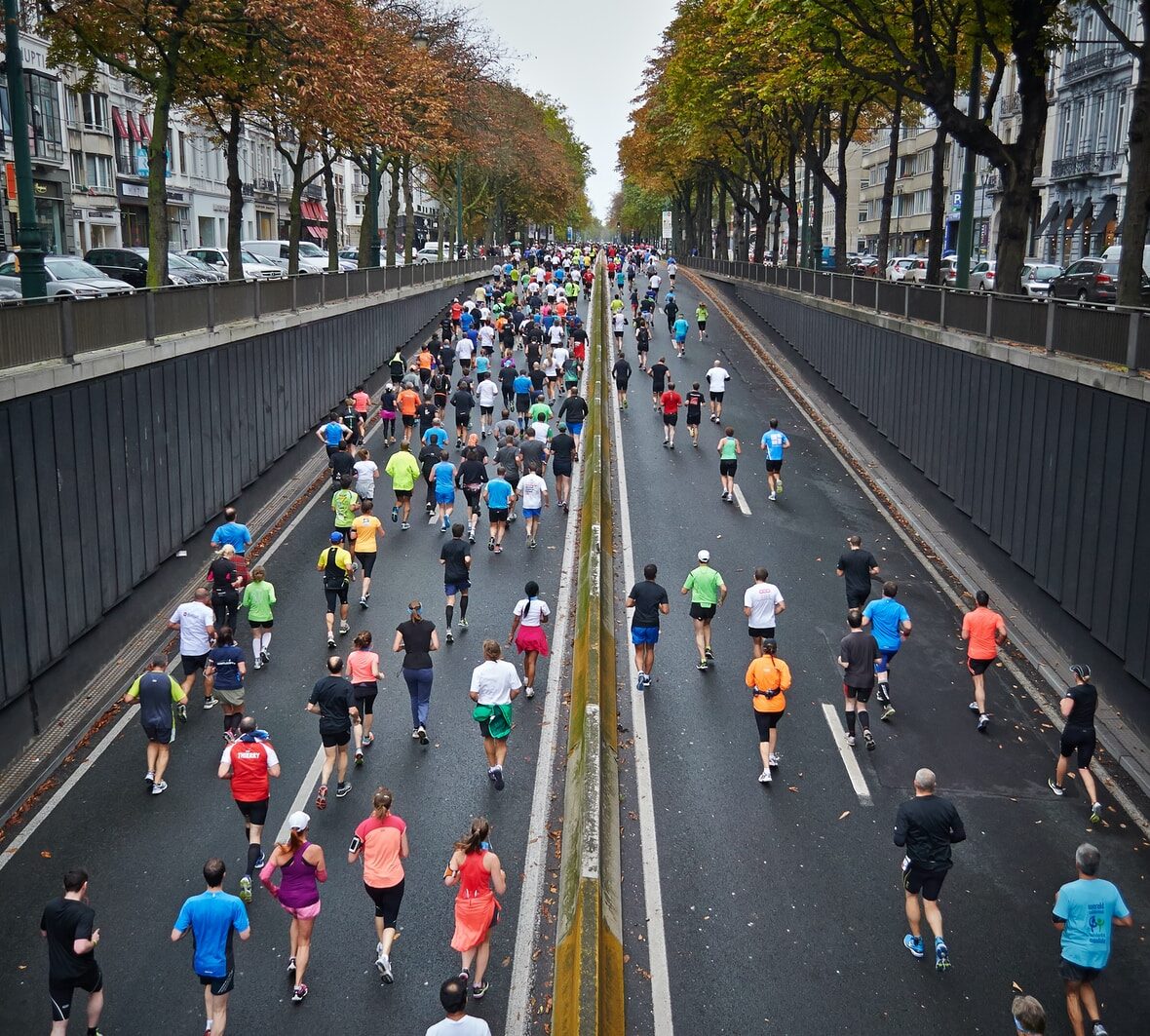
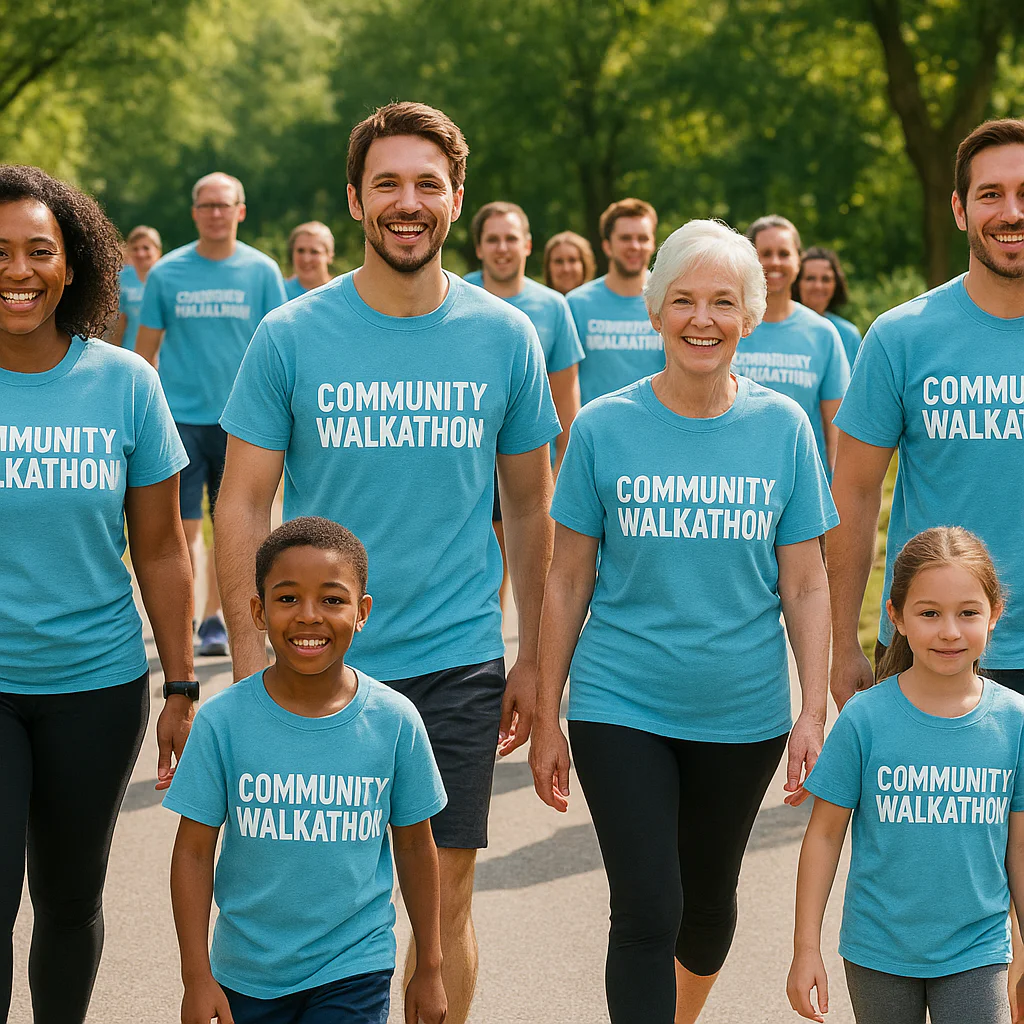

Imagine a quiet street where neighbors have never exchanged more than a nod, suddenly transformed into a vibrant river of color, laughter, and shared purpose. This isn’t a scene from a movie; it’s the magic of a well-executed walkathon. At Walkathon Benefits™, we’ve seen firsthand how a simple act of walking together can dismantle social barriers, turning a collection of individuals into a unified community. But here’s the twist: most events fail to spark this connection because they focus too much on the steps and not enough on the stories.
In this comprehensive guide, we’re pulling back the curtain on the 7 essential strategies that turn a standard charity stroll into a movement that reshapes neighborhoods. We’ll explore the psychology behind why walking side-by-side fosters trust faster than sitting in a boardroom, share real-world success stories like the global impact of the One Million Steps for OCD Walk, and reveal the common pitfalls that kill momentum before it even starts. Whether you’re a seasoned organizer or a first-time volunteer, you’ll discover how to leverage inclusive design and emotional storytelling to create an event that lingers in the hearts of your community long after the finish line is crossed.
Ready to transform your neighborhood one step at a time? Let’s dive into the blueprint for building lasting connections.
Key Takeaways
- Intentional Design is Crucial: Successful walkathons prioritize shared experiences and storytelling over mere distance or fundraising totals to foster genuine connection.
- The Power of the “Third Place”: These events create neutral social grounds where hierarchical barriers dissolve, allowing diverse neighbors to interact as equals.
- Inclusivity Drives Impact: By ensuring routes are accessible and activities are age-appropriate, you maximize participation and strengthen community bonds.
- Post-Event Engagement Matters: The real work begins after the walk; maintaining momentum through follow-up communication and ongoing dialogue is vital for long-term community health.
- Psychological Benefits: Walking together triggers synchrony and reduces isolation, offering profound mental health benefits for both individuals and the collective.
Table of Contents
- ⚡️ Quick Tips and Facts
- 📜 From Sidewalks to Social Change: The History of Walkathons as Community Engagement
- 🏆 The Ultimate Guide to Organizing a Walkathon That Actually Builds Community
- 🧠 The Psychology of the Plod: How Walking Fosters Belonging and Mental Health
- 🌍 Real-World Success Stories: Walkathons That Changed Neighborhoods Forever
- 🚫 Common Pitfalls: What Not to Do When Planning a Community Walk
- 🛠️ Essential Gear and Tech Stack for Modern Walkathon Organizers
- 🤔 FAQ: Your Burning Questions About Walkathons Answered
- 🔗 Recommended Links: Tools, Templates, and Inspiration
- 📚 Reference Links: Data, Studies, and Credible Sources
- 🏁 Conclusion: The Path Forward for Community Connection
⚡️ Quick Tips and Facts
Before you lace up those sneakers and start plotting your route, let’s hit the ground running with some high-impact facts that might just change how you view a simple walk. Did you know that the average person takes about 5,0 steps a day, but a walkathon participant often doubles or triples that in a single morning? 🚶 ♀️📈
Here is the lowdown on why these events are the secret sauce of community building:
- The “Third Place” Effect: Walkathons transform public spaces into “third places” (not work, not home) where social barriers dissolve. It’s the social glue that holds neighborhoods together.
- Mental Health Boost: According to the American Psychological Association, group physical activity significantly reduces feelings of isolation and anxiety compared to solo exercise.
- Fundraising Power: While the steps are great, the fundraising potential is staggering. Events like the One Million Steps for OCD Walk have raised millions, proving that collective action yields massive results.
- Inclusivity is Key: Unlike marathons, walkathons are accessible to all ages and abilities, from toddlers in strollers to seniors with walkers. It’s the great equalizer.
- The “How Many Miles” Question: One of our most common questions is, “How many miles is a walkathon?” The answer? It’s flexible! Most community walks range from 1 to 5 miles, but the distance matters less than the shared experience. You can read our deep dive on How many miles is a walkathon? to find the perfect distance for your group.
Why do some walkathons feel like a chore while others feel like a festival? The difference often lies in the intentional design of the event. We’ll uncover the secrets to turning a simple stroll into a movement later in this guide.
📜 From Sidewalks to Social Change: The History of Walkathons as Community Engagement

You might think the walkathon is a modern invention, a product of the 21st-century “wellness” craze. But hold your horses! 🐎 The roots of walking for a cause go back much further than you’d expect.
The Early Days: Walking for Rights
Long before apps tracked our steps, people were walking for civil rights and social justice. The most famous example? The Selma to Montgomery marches of 1965. While not a “walkathon” in the fundraising sense, it established the powerful precedent that collective movement draws attention to injustice.
Fast forward to the 1980s, and the concept of the “charity walk” exploded. The March of Dimes and the American Cancer Society began organizing walks to fund research. Suddenly, walking wasn’t just about getting from Point A to Point B; it was about carying a message.
The Evolution of Engagement
In the early days, these events were often rigid: “Walk 5 miles, donate $20.” But as we moved into the 20s, the focus shifted from pure fundraising to community engagement.
- The Shift: Organizers realized that if people felt connected to the cause and each other, they would donate more and return next year.
- The Data Walk Connection: Interestingly, while charity walks grew in popularity, a parallel movement called “Data Walks” emerged in academic circles (as noted by the Urban Institute). These were less about physical distance and more about cognitive engagement, where communities walked through data visualizations to discuss social issues. While distinct from the charity walkathon, the Data Walk methodology has influenced modern event planners to include interactive stations and storytelling elements in their routes.
Why It Matters Today
Today, a walkathon is a hybrid event: part fitness challenge, part fundraiser, and part community festival. It’s where neighbors meet, local businesses sponsor water stations, and strangers become friends over a shared goal.
But how do you organize an event that captures this magic without it feeling like a generic 5K? That’s where our next section comes in.
🏆 The Ultimate Guide to Organizing a Walkathon That Actually Builds Community
So, you’ve decided to host a walkathon. Fantastic! But here’s the kicker: most walkathons fail to build lasting community bonds because they treat the event as a transaction rather than a transformation.
At Walkathon Benefits™, we’ve seen it all. We’ve seen events where 50 people show up, walk in silence, and leave without exchanging a single name. We’ve also seen events where 50 people walk, and the neighborhood is forever changed. The difference? Intentionality.
Here is your 7-step blueprint to creating a walkathon that sticks.
1. 🎯 Defining Your Mission: Why Are We Walking?
Before you book a venue, ask yourself: What is the soul of this event?
Is it to raise money for a local shelter? To advocate for better sidewalks? To simply get neighbors talking?
- The “Why” Matters: A mission statement like “Raise $10,0” is a goal, not a mission. A mission like “Connect neighbors to support local families in need” creates an emotional hook.
- Align with Values: Ensure your mission aligns with the values of your community. If you’re in a neighborhood struggling with isolation, focus on connection. If you’re in an area with health disparities, focus on wellness.
Pro Tip: Don’t just pick a cause; embed it into the narrative. If you’re walking for mental health, share stories of recovery at every mile marker.
2. 📍 Picking the Perfect Route: Scenic, Safe, and Socialy Distanced
The route is the stage for your event. A boring route kills the vibe; a great route creates memories.
- Scenic vs. Functional: Do you want a park loop (scenic) or a downtown street closure (functional)? Mix them! Start in a park for the “feel-good” factor and end in a town square for the celebration.
- Safety First: Always conduct a risk assessment. Are there steep hills? Is the pavement cracked?
- The “Social Spacing” Factor: Unlike a race, a walkathon should encourage interaction. Design the route with wide paths or “chat zones” where people can stop and talk without blocking the flow.
Check out these tools for route planning:
- MapMyWalk: Great for tracking distance and elevation. Search for walking routes on MapMyWalk
- Google Maps: Essential for checking traffic and pedestrian safety. Check pedestrian routes on Google Maps
3. 📢 Marketing Magic: How to Fill the Streets with Faces
You can have the best route in the world, but if no one knows about it, it’s just a lonely walk.
- Storytelling over Stats: Don’t just say “Join our walk.” Say, “Meet Sarah, who found hope at our last event. Join her story.”
- Leverage Local Influencers: Partner with local community leaders, schools, and businesses. Their endorsement is worth more than 1,0 Facebook ads.
- The Power of FOMO: Create a sense of urgency and exclusivity. “Limited spots for the VIP breakfast” or “Early bird registration closes Friday.”
Real Brand Example: The International OCD Foundation uses powerful personal stories and the hashtag #ocdwalk to create a global sense of belonging. You can see how they leverage digital advocacy to drive physical participation.
4. 💰 Fundraising Frenzy: Beyond the Registration Fee
Registration fees are just the tip of the iceberg. The real magic happens in peer-to-peer fundraising.
- Empower Participants: Give your walkers a personal fundraising page. Encourage them to share their “Why” with friends and family.
- Gamification: Create leaderboards for top fundraisers, but also for most creative team or best costume.
- Corporate Sponsorships: Approach local businesses not just for money, but for in-kind donations (water, t-shirts, snacks).
Fundraising Platforms:
- Classy: Excellent for peer-to-peer fundraising. Explore Classy for walkathons
- GoFundMe Charity: User-friendly and widely recognized. Start a campaign on GoFundMe Charity
5. 🤝 Volunteer Vanguard: Recruiting the Backbone of Your Event
Your volunteers are the heart and soul of the event. Treat them like VIPs.
- Recruit Early: Start recruiting 3-6 months in advance.
- Train Thoroughly: Don’t just hand them a vest. Train them on emergency protocols, customer service, and the mission of the event.
- Recognize and Reward: A thank-you party, a free t-shirt, or a certificate of appreciation goes a long way.
6. 🎉 The Big Day: Logistics, Entertainment, and Safety First
The day of the event is where the rubber meets the road.
- The Welcome Zone: Create a festive atmosphere right at the start. Music, face painting, and local food trucks set the tone.
- Mile Markers: Use mile markers to share facts, stories, or interactive activities.
- Safety Nets: Have a clear medical plan, water stations every mile, and a dedicated safety team.
Essential Gear for the Big Day:
- First Aid Kits: Always have a well-stocked kit. Check First Aid Kits on Amazon
- Portable PA Systems: For announcements and music. Search for portable PA systems on Amazon
- Water Stations: Use reusable cups to reduce waste. Buy bulk reusable cups on Amazon
7. 📸 Post-Event Engagement: Keeping the Momentum Alive
The event doesn’t end when the last person crosses the finish line. The real work begins now.
- Share the Impact: Send a thank-you email with photos, total funds raised, and stories from the day.
- Keep the Conversation Going: Create a Facebook group or Slack channel for participants to stay connected.
- Plan the Next One: Start teasing the next event immediately. “Save the date for next year!”
🧠 The Psychology of the Plod: How Walking Fosters Belonging and Mental Health
Why does walking together feel so good? It’s not just the fresh air. It’s psychology.
The Power of Synchrony
When people walk in step, their brains actually synchronize. Studies show that synchronized movement increases coperation and trust. This is why team-building exercises often involve walking together.
The “Third Place” Revisited
Sociologist Ray Oldenburg coined the term “Third Place” to describe social surroundings separate from the two usual social environments of home (“First Place”) and the workplace (“Second Place”). Walkathons create a temporary Third Place where hierarchies dissolve, and everyone is just a walker.
Mental Health Benefits
- Reduced Isolation: Walking with others combats loneliness, a major public health crisis.
- Stress Reduction: The rhythmic motion of walking lowers cortisol levels.
- Shared Purpose: Having a common goal gives people a sense of meaning and direction.
But what if you’re introverted?
You don’t have to be the life of the party to benefit. Even walking silently alongside others can provide a sense of belonging. As the video we mentioned earlier highlights, deep dialogue isn’t always necessary; sometimes, just being present is enough.
Curiosity Check: Have you ever noticed how easy it is to strike up a conversation with a stranger while walking, but impossible when sitting in a coffee shop? It’s called the side-by-side effect. We’ll explore this more in the “Common Pitfalls” section.
🌍 Real-World Success Stories: Walkathons That Changed Neighborhoods Forever
Let’s look at some real-world examples of walkathons that didn’t just raise money, but transformed communities.
Case Study 1: The One Million Steps for OCD Walk
The International OCD Foundation has turned a mental health stigma into a global movement.
- The Impact: By walking together, participants break the silence around OCD.
- The Community: Families, friends, and strangers unite under the banner of hope and recovery.
- The Result: Millions raised for research, but more importantly, a network of support for those struggling.
Case Study 2: Local Neighborhood Revitalization
In a small town in the Midwest, a group of neighbors organized a “Walk for Better Sidewalks.”
- The Goal: Raise awareness and funds to fix crumbling infrastructure.
- The Strategy: They invited local officials to walk the route with them.
- The Outcome: The city council was so impressed by the turnout that they allocated funds for immediate repairs. The walk didn’t just raise money; it changed policy.
Case Study 3: The “Data Walk” Hybrid
Some organizations are now blending the charity walk with the Data Walk methodology.
- The Method: Participants walk a route where they stop at stations displaying data about local issues (e.g., housing costs, crime rates).
- The Engagement: At each station, they discuss the data and brainstorm solutions.
- The Result: A more informed and active citizenry that feels empowered to make change.
🚫 Common Pitfalls: What Not to Do When Planning a Community Walk
Even the best intentions can go awry. Here are the top mistakes we’ve seen and how to avoid them.
1. Ignoring Accessibility
The Mistake: Choosing a route with steep hills or no ramps, excluding seniors and people with disabilities.
The Fix: Always do an accessibility audit of your route. Provide shuttle services for those who can’t walk the full distance.
2. Over-Commercializing
The Mistake: Turning the event into a giant billboard for sponsors, overshadowing the cause.
The Fix: Keep sponsorships subtle and relevant. Ensure the mission remains the star.
3. Poor Communication
The Mistake: Failing to communicate route changes, parking info, or weather updates.
The Fix: Use multiple channels (email, social media, SMS) to keep participants informed.
4. Neglecting the “After”
The Mistake: Disappearing after the event.
The Fix: Follow up with a thank-you note, share photos, and keep the conversation alive.
Why do some events feel “stale”? Often, it’s because they lack authenticity. If the organizers don’t seem passionate, the participants won’t either.
🛠️ Essential Gear and Tech Stack for Modern Walkathon Organizers
You don’t need a million dollars to run a great event, but you do need the right tools. Here’s our tech stack for success.
Registration and Fundraising
- Eventbrite: Great for ticketing and registration. Register for events on Eventbrite
- Classy: Best for peer-to-peer fundraising. Fundraise with Classy
- Givebutter: User-friendly and mobile-optimized. Start a campaign on Givebutter
Communication and Marketing
- Mailchimp: For email newsletters and updates. Create emails with Mailchimp
- Canva: For designing flyers, social media posts, and signage. Design with Canva
- Slack: For internal team communication. Organize your team on Slack
Safety and Logistics
- First Aid Kits: Buy First Aid Kits on Amazon
- Portable PA Systems: Search for PA systems on Amazon
- Wristbands: For identification and safety. Buy event wristbands on Amazon
Tracking and Analytics
- Strava: For tracking routes and participant activity. Join the Strava community
- Google Analytics: To track website traffic and registration conversions. Set up Google Analytics
Pro Tip: Don’t forget the low-tech essentials! Clipboards, pens, and a good old-fashioned whistle can save the day when technology fails.
🤔 FAQ: Your Burning Questions About Walkathons Answered

How can organizations and businesses support walkathons to enhance their community engagement and corporate social responsibility initiatives?
Organizations can support walkathons by sponsoring events, providing in-kind donations (like water, snacks, or t-shirts), and encouraging employee participation. This not only boosts the event’s success but also enhances the company’s Corporate Social Responsibility (CSR) profile. By aligning with a cause, businesses can build trust with the community and demonstrate their commitment to social good.
What role do walkathons play in fostering a sense of community and social connection among participants?
Walkathons create a shared experience that breaks down social barriers. They provide a neutral ground where people from diverse backgrounds can interact, share stories, and build relationships. The act of walking together fosters a sense of belonging and collective identity, which is crucial for community cohesion.
How can walkathons be used to raise awareness for social causes and promote community involvement?
Walkathons are a powerful tool for raising awareness because they combine physical activity with education. By incorporating interactive stations, storytelling, and data visualization into the route, organizers can educate participants about the cause. This hands-on approach makes the issue more tangible and encourages active involvement.
What are the benefits of participating in a walkathon for community engagement?
Participating in a walkathon offers physical health benefits, mental health improvements, and social connection. It allows individuals to contribute to a cause, meet new people, and feel a sense of accomplishment. For the community, it strengthens social bonds and fosters a culture of civic engagement.
Read more about “How Do Walkathons Raise Money? 12 Secrets You Need to Know (2026) 🚶 ♂️”
How do walkathons strengthen community bonds?
Walkathons strengthen community bonds by creating shared memories and common goals. They provide a platform for collaboration and mutual support, which are essential for community resilience. When people work together towards a common purpose, they develop a sense of unity that extends beyond the event.
Read more about “10 Surprising Advantages of Participating in Charity Walkathons 🚶 ♂️ (2026)”
What are the mental health benefits of participating in walkathons?
Participating in walkathons can reduce stress, aleviate anxiety, and combat loneliness. The social interaction and physical activity release endorphins, which improve mood. Additionally, the sense of purpose and belonging derived from contributing to a cause can significantly boost mental well-being.
Read more about “🚶 ♀️ 5 Walkathons for Every Fitness Level (2026 Guide)”
How can local businesses support community walkathons?
Local businesses can support walkathons by sponsoring events, providing volunteers, or offering discounts to participants. They can also promote the event through their own marketing channels. By getting involved, businesses can increase their visibility and build goodwill within the community.
Read more about “🤝 7 Community Partnership Models for Local Walkathons (2026)”
What strategies make walkathons more inclusive for all ages?
To make walkathons inclusive, organizers should choose accessible routes, provide shuttle services, and offer activities for all ages. Ensuring that the event is affordable and welcoming to people of all abilities is crucial. Additionally, creating family-friendly zones and childcare options can encourage broader participation.
Read more about “13 Proven Walkathon Fundraiser Ideas to Skyrocket Your Cause (2025) 🚶 ♂️”
🏁 Conclusion: The Path Forward for Community Connection

So, there you have it. From the historical roots of walking for a cause to the modern-day strategies for building community, we’ve covered the entire spectrum of walkathons as a form of community engagement.
But remember this: A walkathon is more than just a few miles on a map. It’s a catalyst for change. It’s where strangers become neighbors, where silence is broken, and where hope is shared.
The question remains: Will you be the one to start the next great walk? Will you be the one to bring your community together, step by step?
We believe the answer is a resounding yes. The path forward is clear: connect, engage, and walk together.
Ready to take the first step? Check out our Recommended Links for tools, templates, and inspiration to get your event off the ground. And don’t forget to share your story with us at Walkathon Benefits™!
🔗 Recommended Links: Tools, Templates, and Inspiration
Here are some essential resources to help you plan your next walkathon:
- Event Planning Templates:
- Eventbrite – For registration and ticketing.
- Canva – For designing flyers and social media posts.
- Fundraising Platforms:
- Classy – For peer-to-peer fundraising.
- GoFundMe Charity – For easy campaign setup.
- Books on Community Building:
The Power of Community by Paul Born – Available on Amazon
Community: The Structure of Belonging by Peter Block – Available on Amazon - Essential Gear:
- First Aid Kits on Amazon
- Portable PA Systems on Amazon
- Reusable Water Bottles on Amazon
📚 Reference Links: Data, Studies, and Credible Sources
- American Psychological Association: Exercise and Mental Health
- Urban Institute: Data Walks: An Innovative Way to Share Data with Communities
- International OCD Foundation: Find a Community of Hope at the One Million Steps for OCD Walk
- MDC and Duke University: Data Walks as a Participatory Research Process
- Walkathon Benefits™ Internal Resources:
- Health Benefits of Walking
- Fundraising Strategies
- Community Engagement
- Kids Walkathons
- Event Registration Tips
- How Many Miles is a Walkathon?