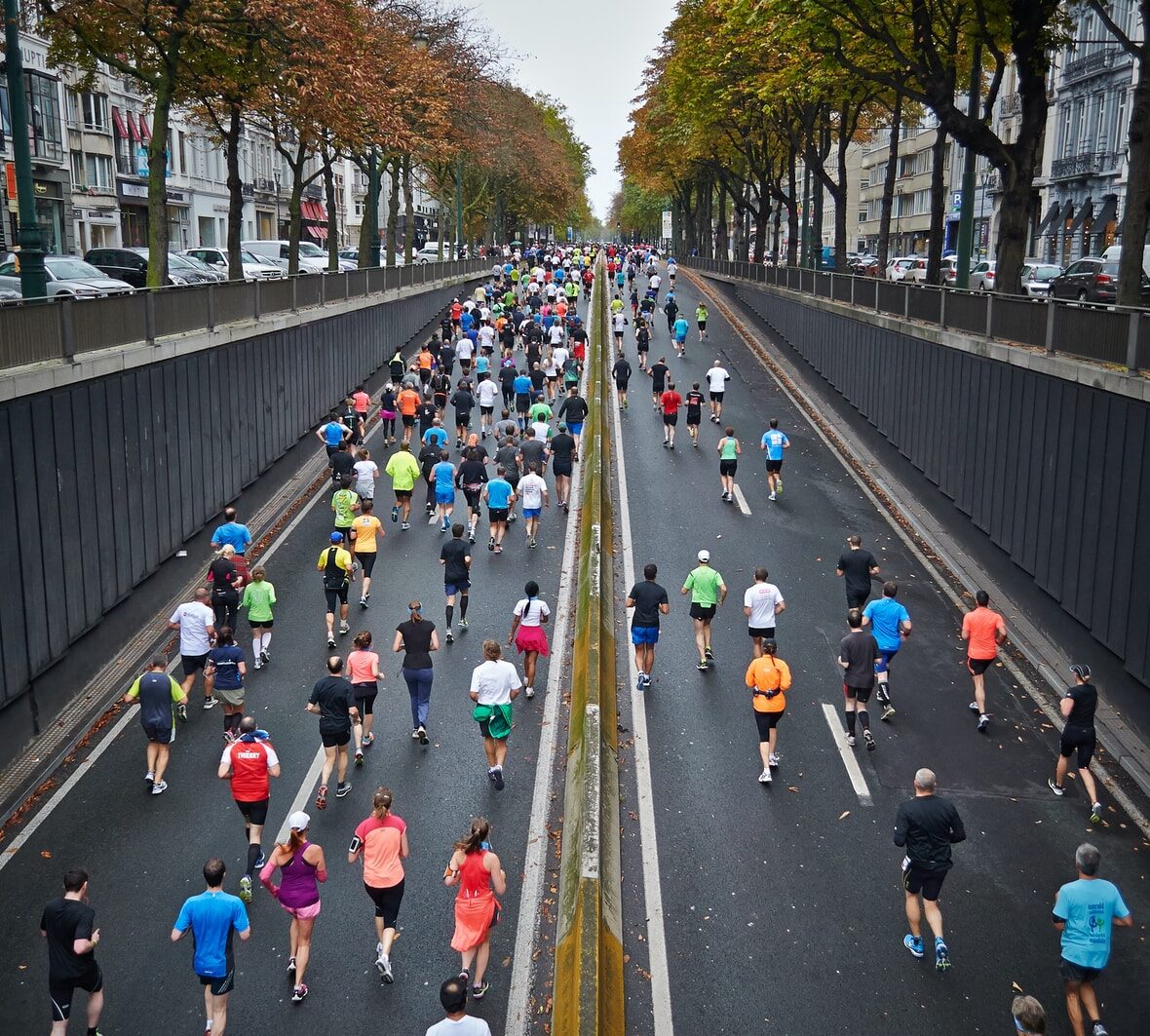

How can I make my walkathon event more engaging and fun for participants of all ages and abilities? Offer a welcoming mix of accessible route options, optional activities, comfortable rest areas, and ways to join in beyond walking. The best walkathon isn’t the one with the loudest DJ or the fanciest finish line. It’s the one where people can take part in a way that feels right for them.
We’ve seen a simple scavenger hunt turn a short neighborhood loop into the part families talked about long after the event. But the detail that made the biggest difference wasn’t the game: it was a clearly marked shorter route and a shady place to sit. Small choices like those can make the fun feel genuinely open to everyone.
Key Takeaways
- Offer route choices: Create a clearly described short loop, with optional distance extensions where practical.
- Mix the activities: Combine lively games and entertainment with seated, quiet, and low-sensory options.
- Make access part of the plan: Check route surfaces, restrooms, seating, shade, signs, and arrival information in advance.
- Keep participation flexible: Welcome walkers, wheelchair users, families, volunteers, spectators, and virtual participants.
- Celebrate more than fundraising totals: Recognize creativity, teamwork, encouragement, and simply showing up.
Table of Contents
- ⚡️ Quick Tips and Facts
- 🚶 Why Make Your Walkathon Engaging for Every Age and Ability?
- 📚 Walkathon Background: From Fundraising Walks to Inclusive Community Events
- 🧭 Step 1: Plan an Inclusive, Fun-Filled Walkathon
- Set Goals, Choose a Theme, and Know Your Audience
- Build an Event Team and Invite Participant Feedback
- Choose a Date, Venue, and Walkathon Format
- ♿ Step 2: Design an Accessible Route and Welcoming Event Setup
- Route Length, Surface, Rest Stops, and Accessible Toilets
- Sensory-Friendly Spaces and Mobility-Inclusive Facilities
- Safety, First Aid, Weather, and Emergency Plans
- 🎉 30 Walkathon Activities to Make Every Step More Fun
- Start-Line and Team-Building Activities
- On-Route Games, Challenges, and Photo Stops
- Finish-Line Celebrations and Family Activities
- Quiet, Seated, and Low-Sensory Activity Options
- 🎨 Themes, Costumes, Music, and Walkathon Entertainment
- Age-Friendly Theme Ideas and Inclusive Dress-Up
- Live Music, DJs, Performances, and Quiet Alternatives
- 🏅 Friendly Competition Without Leaving Anyone Out
- Team Challenges, Scavenger Hunts, and Participation Awards
- Adaptable Games for Different Fitness and Mobility Levels
- 🍎 Refreshments, Hydration, and Comfort for Walkers
- Water Stations, Snacks, and Dietary Needs
- Shade, Seating, Strollers, and Comfort Breaks
- 📣 Step 3: Promote Your Walkathon and Welcome More Participants
- Accessible Event Information and Registration
- Recruit Families, Schools, Older Adults, and Community Groups
- Social Media, Local Outreach, and Volunteer Recruitment
- 💛 Step 4: Make Fundraising Social, Simple, and Enjoyable
- Peer-to-Peer Fundraising, Team Pages, and Donation Options
- Incentives That Celebrate Participation, Not Just Totals
- Corporate Sponsors, Local Partners, and In-Kind Support
- 🗓️ Step 5: Run a Smooth and Memorable Walkathon Day
- Check-In, Clear Signage, and Friendly Volunteer Roles
- Announcements, Route Support, and Real-Time Updates
- Keep the Event Flexible for Different Paces and Needs
- 📸 Step 6: Celebrate, Gather Feedback, and Keep the Community Connected
- Thank Participants, Volunteers, Sponsors, and Donors
- Survey Questions to Improve Your Next Walkathon
- Share Results, Photos, and Stories Accessibly
- 💰 Walkathon Budget, Supplies, and Practical Planning Checklist
- ✅ Quick Tips for a More Inclusive and Engaging Walkathon
- Conclusion
- Recommended Links
- FAQ
- Reference Links
⚡️ Quick Tips and Facts
A great walkathon feels less like “everyone follow the arrows” and more like a welcoming community celebration with a purpose. For a tested menu of activity ideas, start with our guide to walkathon ideas.
| Walkathon detail | Practical starting point | Why it helps |
|---|---|---|
| Route | Offer a short, accessible loop plus optional distance extensions | People can choose a comfortable challenge instead of being stuck with one distance |
| Activities | Mix lively, quiet, seated, and movement-based options | More ways to join means fewer people feel the event was designed for someone else |
| Signage | Use large, high-contrast signs, arrows, and plain-language instructions | Participants spend less time guessing where to go |
| Rest and hydration | Provide clearly marked water, seating, shade, and restrooms | Comfort makes it easier for people to enjoy the event at their own pace |
| Safety | Assign trained route marshals, first-aid support, and an emergency lead | Fun works best when the plan for “what if?” is already in place |
| Fundraising | Make donation pages mobile-friendly and easy to share | A short, clear giving process asks less of supporters |
| Participation | Celebrate showing up, teamwork, creativity, and personal milestones | Recognition can include walkers who aren’t competing for the top fundraising spot |
Fast recommendations for organizers
- ✅ Make every activity optional. A costume contest should never become a costume requirement; a dance warm-up should have a seated or low-impact alternative.
- ✅ Ask people with disabilities and mobility needs to review the plan early. Their practical feedback is more valuable than guessing what “accessible” might mean.
- ✅ Offer multiple ways to participate. Walking, rolling, volunteering, fundraising remotely, and joining a virtual challenge can all support the cause.
- ✅ Keep the route clear and flexible. A shorter loop can feel like a complete event, not a consolation prize.
- ❌ Don’t treat “all ages and abilities” as a slogan. Check surfaces, slopes, toilets, parking, rest areas, sound levels, and signage.
- ❌ Don’t let competition set the tone for everyone. Leaderboards can energize some teams and discourage others; pair them with participation-based recognition.
Walking can support health and well-being, but participants have different bodies, goals, and comfort levels. The CDC’s guidance on physical activity is a useful reference, while our health benefits of walking category offers more walk-related reading. An event should invite movement, not prescribe a pace.
🚶 Why Make Your Walkathon Engaging for Every Age and Ability?
An engaging event gives participants more than a route to complete. It gives them reasons to connect, laugh, contribute, and come back next year. Families may want kid-friendly checkpoints; older adults may value seating and a smooth surface; teens might love a music challenge; and a wheelchair user may be looking first for reliable route information and accessible facilities. All of those needs belong in the plan.
A walkathon can also create a low-pressure way for neighbors, schools, workplaces, and community groups to gather around a shared purpose. The National Recreation and Park Association discusses the role parks and recreation can play in community health and wellness. For more ideas on building local connections, visit our community engagement resources.
Fun should widen participation, not narrow it
A high-energy DJ, inflatable obstacle, or color-powder station can be a hit with some participants—and a barrier for others. Loud music, crowded bottlenecks, uneven terrain, and mandatory physical challenges can make an event harder to access. Build the fun as a menu, not a gauntlet:
- A lively start-line warm-up and a quiet waiting area
- A scavenger hunt with picture clues as well as written clues
- A longer route for those who want it and a shorter loop with the same finish-line celebration
- Optional games with a bypass route
- Both standing and seated activity options
- Clear advance information about surfaces, slopes, noise, parking, restrooms, and transport
Neon One’s walkathon planning guide describes walkathons as events that can welcome people with varied ages and fitness levels. That broad welcome only works when the route and event details support it. The ADA’s event-planning guidance is a practical reference for accessibility planning.
A small story from the planning table: we once watched a team spend weeks perfecting a surprise finish-line dance, only to realize the route had no obvious place for people to sit and watch it. The dance was memorable; so was the lesson. Spectators, walkers, rollers, families, and volunteers all need somewhere to belong.
📚 Walkathon Background: From Fundraising Walks to Inclusive Community Events

Walkathons combine physical activity, fundraising, and community gathering. Some focus on pledges per lap or mile; others use participant fundraising pages, team challenges, registration donations, or a mix. The format is flexible, which is one reason it works for schools, nonprofits, health campaigns, neighborhood groups, and workplace teams.
The best modern walkathons also recognize that “taking part” does not have to mean walking the same distance, on the same surface, at the same pace. A participant might complete a short loop, push a stroller, use a wheelchair, walk a virtual route, cheer at a checkpoint, or raise funds from home. The President’s Council on Sports, Fitness & Nutrition offers broader context on physical activity, while CDC physical activity resources explain why activity can be adapted to a person’s circumstances.
What makes a walkathon different from a race?
| Event feature | Walkathon | Timed race |
|---|---|---|
| Main emphasis | Community participation, cause, and fundraising | Completion time and athletic performance |
| Typical pace | Self-selected | Often organized around race timing |
| Activities | May include games, entertainment, and fundraising checkpoints | Usually focuses on the course and race experience |
| Participation | Can include walking, rolling, volunteering, or virtual participation | Participation options vary by event |
| Awards | Often recognize teams, creativity, effort, or fundraising | Commonly recognize finish times and age groups |
This distinction matters: a walkathon can be active without making athletic performance the price of admission. To see how event activities can support that welcoming approach, explore our guide to walk-a-thon activities.
🧭 Step 1: Plan an Inclusive, Fun-Filled Walkathon
Before ordering medals or recruiting a DJ, decide who the event is for and what a good day should feel like. Planning around participants first helps prevent a common mishap: a gorgeous event poster paired with a route that is hard to use.
Set Goals, Choose a Theme, and Know Your Audience
Set a small number of goals you can measure. For example:
- Welcome participants from several community groups.
- Offer an accessible route with a clearly described short option.
- Raise funds for a defined program or service.
- Recruit and brief enough volunteers for each checkpoint.
- Collect feedback from walkers, caregivers, volunteers, and remote participants.
Then choose a theme that suits the cause and doesn’t create unnecessary barriers. Superhero Strides, Storybook Stroll, Decades Dash, and Walk & Roll can all be fun when costumes are optional and activities have alternatives. Avoid themes that depend on a specific cultural tradition without community input or that require participants to buy special clothing.
A practical test: can theme be enjoyed by a child, a wheelchair user, an older adult, and someone who prefers not to dress up? If yes, you’re on the right track.
Build an Event Team and Invite Participant Feedback
Create a planning group with people who know different parts of the experience:
- Event lead and site coordinator
- Accessibility adviser or disability-community representative
- Route and safety lead
- Fundraising and communications lead
- Volunteer coordinator
- Family or youth representative
- Medical or first-aid contact
- Participant or caregiver adviser
Invite feedback before the route, schedule, and activities are finalized. Ask specific questions: “Where might the route be difficult?” is more useful than “Any thoughts?”
The ADA’s accessible-events guidance can help organizers think through access needs. For younger walkers, browse our kids walkathons resources.
Choose a Date, Venue, and Walkathon Format
Compare locations based on the entire day—not just the scenery.
| Venue | Potential advantages | Questions to check |
|---|---|---|
| Public park | Green space, room for activities, community setting | Path surface, slopes, permits, accessible toilets, shade, transit |
| School campus | Familiar to families; useful for laps or short loops | Weekend access, track rules, parking, accessible entrances |
| Community center | Indoor backup, toilets, seating, meeting space | Capacity, route connection, room availability, sound limits |
| Closed street or plaza | Visible community presence and space for vendors | Traffic permits, accessible crossings, emergency access, detour plan |
| Virtual or hybrid event | Flexible location and timing | How participants log activity, receive updates, and connect socially |
Choose a format that fits the audience: a one-loop event, a multi-lap route, a festival-style hub, a virtual challenge, or a hybrid. A virtual option can help people participate from home or another location, but it should include clear instructions and a way to share progress without requiring expensive equipment.
♿ Step 2: Design an Accessible Route and Welcoming Event Setup
An accessible route is not simply a route marked “wheelchair-friendly” on a flyer. Walk it or roll it in advance, document the conditions, and share those details honestly. The ADA National Network offers event-planning guidance; local accessibility rules and venue requirements should also be checked.
Route Length, Surface, Rest Stops, and Accessible Toilets
A short, flat loop can be easier to manage than a single long route. Consider offering a choice of distances, but make sure each option reconnects with the same event experience and finish-line celebration.
Check:
- Surface: pavement, compacted gravel, grass, loose stone, or mixed terrain
- Slopes and cross-slopes: note steep or uneven sections
- Width and clearance: account for mobility devices, strollers, and two-way traffic
- Crossings: identify vehicle, bike, and pedestrian conflicts
- Rest stops: place seating and water where people can reach them
- Toilets: confirm accessible facilities are open and clearly signed
- Parking and transit: give arrival information before event day
- Route access: ensure emergency services can reach the course
Neon One suggests a route around one to three miles as a possible planning range, but there is no universal best distance. A school lap event, a family stroll, and a community-wide fundraising day serve different needs. Design the route to match your participants, then publish the surface and distance information so people can decide what suits them.
Sensory-Friendly Spaces and Mobility-Inclusive Facilities
A welcoming event offers a way to take a break from noise and crowds. If space allows, set aside a quiet or low-sensory area away from the speaker, starting line, and busy activity stations. Provide chairs and signs explaining that people can use the space at any time.
Also consider:
- A clearly marked route bypass for optional activities
- Seating at check-in, the start, and the finish
- A lower-volume or quiet period during part of the program
- Large-print schedules and signs with simple wording
- Accessible registration and event-information pages
- A way to request accommodations in advance
- Volunteers trained to ask before offering physical assistance
For communication access, the National Association of the Deaf explains the importance of captioning; organizers can consider captioned announcements or written schedule updates. Offer support without making participants explain or justify why they need it.
Safety, First Aid, Weather, and Emergency Plans
Name one person to coordinate safety and make sure volunteers know whom to contact. For the route and event site, plan for:
- Pre-event inspection: check surfaces, crossings, obstructions, signs, lighting, and facilities.
- Staffing: place route marshals at turns and decision points; identify a route sweper if appropriate.
- First aid: confirm who is providing support, where it is located, and how to reach it.
- Emergency access: keep lanes and entrances clear for responders.
- Weather: set decision points for heat, cold, rain, wind, or severe weather.
- Communication: give key staff a tested method to contact one another.
- Participant information: share schedule updates, route changes, and emergency instructions clearly.
The National Weather Service provides public weather-safety information. Organizers should follow local guidance and venue procedures, and avoid assuming that one weather policy suits every event.
🎉 30 Walkathon Activities to Make Every Step More Fun
A good activity plan offers variety without turning the route into a crowded amusement park. Use a few well-run stations rather than cramming every idea into one afternoon. For more inspiration, browse our full list of walk-a-thon activities.
Start-Line and Team-Building Activities
- Welcome playlist: invite participants to suggest clean, upbeat songs in advance.
- Group stretch: offer standing and seated movements, with no pressure to join.
- Team-color meetup: use simple signs or ribbons to help groups find one another.
- “Why I Walk” wall: participants can write or dictate a short message.
- Photo booth: offer props and a clear way to opt out of photos.
- Team-name board: post creative names and invite families to vote.
- Opening cheer: teach a short call-and-response that works from a chair or standing.
- Quiet check-in window: give participants who prefer less crowding a calmer arrival option.
On-Route Games, Challenges, and Photo Stops
- Picture scavenger hunt: ask participants to find images or objects visible from the accessible route.
- Cause-fact checkpoints: share short, verified facts about the organization’s work.
- Stamp or sticker stations: provide a simple progress marker at each stop.
- Community trivia: use easy questions with a “skip” option and no penalty.
- Photo prompts: invite a team selfie, nature photo, or “best cheering pose.”
- Music checkpoint: feature a local performer or volunteer DJ at a designated rest stop.
- Kindness challenge: invite walkers to leave a positive message on a shared board.
- Local-history stop: share a brief story about the neighborhood or park.
- Optional dance break: provide nearby seating and a route bypass.
- Team relay token: let groups pass a symbolic object while walking or rolling together.
Finish-Line Celebrations and Family Activities
- Finish-line welcome: use names or team signs where feasible, with an opt-in approach.
- Participation ribbons or certificates: recognize completion without ranking.
- Costume awards: include categories such as “most imaginative” and “best team effort.”
- Community picnic area: provide accessible seating and room for mobility devices.
- Local performer showcase: invite school, community, or cultural groups.
- Craft table: choose low-mess projects with adaptable materials.
- Giant games: offer games such as oversized checkers with seated play options.
- Paw parade: if pets are welcome, plan water, waste disposal, and a separate quiet area.
Quiet, Seated, and Low-Sensory Activity Options
- Memory or dedication table: participants can add names or messages privately.
- Coloring station: offer simple designs linked to the cause or event theme.
- Story corner: invite a reader to share short, age-appropriate stories.
- Rest-and-connect space: provide a calm area where people can sit, talk, or simply take a break.
Some competing event guides recommend obstacle challenges, loud entertainment, or color activities. Those can be enjoyable for some audiences, but they can create access, safety, or sensory concerns if compulsory or poorly planned. Make energetic activities optional, supervise them, and provide an equivalent route or activity for anyone who skips them.
🎨 Themes, Costumes, Music, and Walkathon Entertainment
Themes help people imagine the event before they arrive. They also give teams an easy way to coordinate. The trick is choosing a theme that adds character without creating extra cost, pressure, or barriers.
Age-Friendly Theme Ideas and Inclusive Dress-Up
Try a theme that can work with everyday clothes:
- Superhero Strides: capes and colors are optional; offer a “real-life hero” message board.
- Storybook Stroll: use familiar characters, short readings, and picture clues.
- Decades Dash: ask teams to pick a decade; avoid making costumes necessary.
- Paws for a Cause: include pets only if the venue and route allow safe animal participation.
- Walk & Roll: explicitly welcome wheelchairs, mobility aids, and different ways of moving.
- Color Walk: use washable, non-toxic materials only if venue rules and participant sensitivities have been considered.
- Glow Walk: plan extra lighting, reflective clothing, route marshals, and weather contingencies.
- Neighborhood Passport: make each checkpoint a local story, community group, or cause-related fact.
Tell people what to expect. If the event includes music, costumes, crowds, pets, or special materials, say so in registration information and offer ways to opt out.
Live Music, DJs, Performances, and Quiet Alternatives
Music can make a route feel celebratory, but volume and placement matter. Keep speakers away from rest areas and quiet zones, set a reasonable sound level, and check venue and local sound requirements. Consider live performances at the start or finish rather than continuous music along the entire route.
A silent disco may sound like a neat solution to noise, but headphones can reduce awareness of surroundings and may not suit everyone. If you use one, keep it in a controlled area, maintain route safety instructions, and provide a non-headphone alternative. The best entertainment is easy to enjoy—and easy to step away from.
🏅 Friendly Competition Without Leaving Anyone Out
Competition can help teams rally around a cause. It can also make people feel that only speed, distance, or fundraising totals count. Keep it light, optional, and balanced with awards that recognize different contributions.
Team Challenges, Scavenger Hunts, and Participation Awards
Offer categories such as:
- Most creative team name
- Best group photo
- Most encouraging team
- Most inventive optional costume
- Best volunteer spirit
- Personal milestone celebrated
- Most community connections made
A scavenger hunt can work well when every clue is reachable from the accessible route and the answer can be found without rushing. Avoid assigning a physical penalty for a wrong answer; let participants skip a clue or ask for help.
Adaptable Games for Different Fitness and Mobility Levels
Before adding a game, check:
- Can a participant play while seated?
- Is there a noncompetitive way to take part?
- Is the area wide, stable, and clear of hazards?
- Can a person skip it without missing the route?
- Are instructions available in a clear format?
- Is there a plan to prevent a crowd or bottleneck?
A lap tracker can use stickers, stamps, or a digital counter. Participants should not have to prove that their effort “counts.” The goal is shared participation, not a perfect leaderboard.
🍎 Refreshments, Hydration, and Comfort for Walkers
Comfort can make the difference between staying for the celebration and heading home early. Plan refreshments around the length, weather, venue, and expected attendance, and publish what will be available.
Water Stations, Snacks, and Dietary Needs
Provide drinking water and make its location easy to spot. If you serve food, label common ingredients and ask vendors to identify dietary options. Consider:
- Water and refill options
- Clearly labeled snacks
- A range of food choices
- Handwashing or sanitizer
- Waste and recycling bins
- A method for participants to share dietary questions in advance
Avoid promising that food is safe for a particular allergy unless the vendor can verify preparation and cross-contact practices. The U.S. Food and Drug Administration’s food-allergy information can help organizers understand why accurate ingredient information matters.
Shade, Seating, Strollers, and Comfort Breaks
Add seating at check-in, rest stops, and the finish. Look for shade or indoor alternatives, and make restroom locations visible on maps. Families may appreciate stroller parking or a family rest area; older adults and participants with chronic conditions may value a bench more than another activity station.
For a longer event, make breaks normal—not something participants have to request. A rest area is part of the event, not a sign that someone has failed to keep up.
📣 Step 3: Promote Your Walkathon and Welcome More Participants
Promotion is not just about getting a big registration number. It is also about helping people understand what the event will be like and whether it works for them. Clear details build confidence—and reduce day-of surprises.
Accessible Event Information and Registration
Your event page should answer, in plain language:
- What is the cause and where do funds go?
- What are the date, arrival time, schedule, and location?
- What are the route options, distance, and surface?
- Are restrooms, parking, seating, and refreshments available?
- Are strollers, mobility aids, or pets permitted?
- Are activities, costumes, and photos optional?
- How can someone request an accommodation?
- Is virtual participation available?
Use a simple registration form that works well on mobile devices. Collect only information you need, protect personal data, and provide a clear contact method for questions. For more guidance, visit our event registration tips category.
Recruit Families, Schools, Older Adults, and Community Groups
Use partners that already have trusted relationships with the people you hope to reach:
- Schools, parent groups, and youth clubs
- Senior centers and community programs
- Disability-led and access-focused organizations
- Local health providers and walking groups
- Faith and cultural organizations
- Workplaces, unions, and neighborhood associations
- Parks and recreation departments
For a school event, give families a concise guide explaining supervision, pickup, route options, and participation choices. Our kids walkathons resources can help with age-appropriate planning.
Social Media, Local Outreach, and Volunteer Recruitment
Post more than a registration link. Share a short series of useful updates:
- Why the event matters: explain the cause and the intended impact.
- What the day looks like: show the schedule and activity options.
- How to participate: give registration, virtual, volunteer, and fundraising routes.
- Access information: describe the route, facilities, noise, and accommodation contact.
- Community stories: spotlight teams, volunteers, and supporters with permission.
Use captions and image descriptions where possible. Invite local partners to share posts, and offer ready-made graphics and short copy. A networking-focused event video can offer a useful reminder: go in prepared, arrive early, and approach people with open, low-pressure conversation. See the featured video for that perspective. At a walkathon, that translates into volunteers who know the event, greet people warmly, and make it easy for newcomers to join a conversation—no stiff handshake or business-card case required. 🙂
💛 Step 4: Make Fundraising Social, Simple, and Enjoyable
Fundraising should feel connected to the event’s purpose, not like an awkward side quest. Give participants clear, optional tools and make it easy for supporters to understand what their donation helps fund.
Peer-to-Peer Fundraising, Team Pages, and Donation Options
A participant fundraising page can include:
- A short cause explanation
- A personal message or photo
- A simple sharing link
- A progress indicator
- Suggested donation amounts, if appropriate
- Clear information about donation receipts and fund use
Test the donation process on a phone before launch. Keep forms easy to understand, and make sure the organization explains how donations are handled. For broader ideas, see our fundraising strategies resources.
Platforms such as Givebuter and OneCause offer fundraising and event tools. Features vary, so compare registration, payment processing, accessibility, reporting, donor communications, support, and integration needs directly with each provider. Don’t choose based on a leaderboard feature alone; choose the tool your team can operate reliably.
Incentives That Celebrate Participation, Not Just Totals
Consider recognition that celebrates different kinds of effort:
- First-time fundraiser
- Most creative fundraising message
- Teamwork or volunteer support
- Personal participation milestone
- Community partner contribution
- Most encouraging update
- Participation certificate or event keepsake
Keep public leaderboards optional if participants may prefer privacy. Never imply that a person’s worth or commitment depends on the amount they raise. A warm thank-you and a specific story about the event’s impact can be more meaningful than a prize.
Corporate Sponsors, Local Partners, and In-Kind Support
Local businesses can support a walkathon with volunteer time, food, printing, water, equipment, or promotion. Offer sponsorship opportunities that match the event’s values, and describe exactly what support provides.
Before accepting a sponsor, consider:
- Does the organization align with the cause?
- Are products or activities appropriate for the audience?
- Will sponsorship create marketing pressure for children?
- Can the sponsor meet accessibility and safety requirements?
- How will their contribution be acknowledged?
If participants are raising funds for a nonprofit, make sure sponsor language is accurate and any matching-gift claims are confirmed. For more ideas, read our fundraising strategies.
🗓️ Step 5: Run a Smooth and Memorable Walkathon Day
The planning test arrives when the first family reaches check-in and asks where the accessible restroom is. A clear answer is better than a volunteer sprinting off to investigate.
Check-In, Clear Signage, and Friendly Volunteer Roles
Separate roles so no one has to guess:
| Volunteer role | Main responsibility |
|---|---|
| Welcome team | Greet participants and direct them to check-in |
| Check-in team | Confirm registration and share event materials |
| Route marshal | Guide participants at turns and key crossings |
| Activity host | Explain the station and offer alternatives |
| Rest-area host | Keep seating, water, and area information clear |
| First-aid contact | Coordinate first-aid support according to the event plan |
| Float volunteer | Help where demand is highest |
| Finish-line team | Welcome participants and direct them to refreshments or seating |
Use signs with high contrast, large text, and familiar symbols where possible. Put directions at decision points, not only at the entrance. Provide printed and digital schedules, and make announcements available in writing too.
Announcements, Route Support, and Real-Time Updates
Give a short opening briefing that covers:
- Route options and where they split or rejoin
- Restrooms, water, seating, and first aid
- Optional activities and bypasses
- Safety and emergency contact information
- Photo or social-media participation choices
- What to do if someone needs assistance
If weather or route conditions change, update participants through more than one channel—such as a spoken announcement, signs, and a message to the event page or registration list. Keep the core event team in touch using a method that works at the venue.
Keep the Event Flexible for Different Paces and Needs
Let participants start in waves if the venue is crowded. Keep the route open for a clearly communicated period, and avoid language that implies slower participants are delaying the “real” event. Offer a way to join at the start, a checkpoint, or the finish if someone arrives late or needs to shorten their route.
A flexible event is not a poorly planned event. It is one with a plan for reasonable changes.
📸 Step 6: Celebrate, Gather Feedback, and Keep the Community Connected
A walkathon’s last checkpoint is not the finish line; it’s the follow-up. Thanking people, sharing results, and asking what worked can turn one pleasant day into a stronger community tradition.
Thank Participants, Volunteers, Sponsors, and Donors
Send a timely message that thanks people specifically and explains what happened:
- How many people participated, if confirmed
- What the fundraising total supports
- Which partners and volunteers contributed
- What stories or moments stood out
- Where participants can find photos or updates
Get permission before using identifiable photos or personal stories, especially when children are involved. The FTC’s guidance on children’s privacy provides context for organizations handling children’s personal information online.
Survey Questions to Improve Your Next Walkathon
Keep the survey short and offer open text as an optional response. Useful questions include:
- What did you enjoy most?
- Was route information accurate and easy to understand?
- Were restrooms, seating, water, and parking easy to find?
- Did you feel welcomed and included?
- Which activity would you keep, change, or remove?
- What would make you more likely to return?
- Would you recommend the event to someone else?
- Is there anything you want organizers to know privately?
Invite feedback from walkers, wheelchair users, caregivers, volunteers, spectators, and remote participants. One survey rarely tells the whole story, so compare responses with volunteer notes and event-day observations.
Share Results, Photos, and Stories Accessibly
When you publish a recap, use captions, image descriptions, and plain language. Share a mix of stories rather than spotlighting only the top fundraiser or fastest walker. Highlight a team’s creativity, a volunteer’s support, a family’s experience, or a community partner’s contribution—always with permission.
The event’s purpose may be fundraising, but its lasting value often includes new relationships and a stronger sense of belonging. That’s the participants remember when the balloons are gone.
💰 Walkathon Budget, Supplies, and Practical Planning Checklist
A useful budget includes essentials first, then optional extras. Costs depend on the venue and event size, so ask suppliers for current quotes and confirm what the venue already provides.
Planning checklist
Before event day
- Confirm venue permission, route access, and any required permits.
- Inspect route surfaces, crossings, facilities, and emergency access.
- Publish accurate distance, terrain, schedule, and accessibility information.
- Assign safety, volunteer, fundraising, and communications leads.
- Confirm first-aid arrangements and weather procedures.
- Test registration, donation pages, and QR codes.
- Brief activity hosts and route volunteers.
Event supplies
- Clear route and facility signs
- Check-in list or registration system
- Water and refreshments
- Seating and shade plans
- First-aid supplies and contact information
- Volunteer identification
- Activity materials and accessible alternatives
- Waste, recycling, or compost bins
- Printed schedule and emergency instructions
- Weather-appropriate backup supplies
Quick planning comparison
| Choice | Works well when… | Watch out for… |
|---|---|---|
| Single route | The audience and distance are fairly consistent | It may not suit people who need a shorter option |
| Loop course | Participants need a flexible distance or return point | Repeated laps may feel less scenic |
| Festival hub | The event emphasizes family activities and community partners | Crowding and noise need active management |
| Virtual option | People need flexible timing or location | Participants still need clear instructions and connection |
| Competitive leaderboard | Teams enjoy a friendly challenge | Some participants may feel discouraged or exposed |
Prioritize route access, communication, safety, and rest before adding decorative extras. Streamers are festive; a missing restroom sign is unforgettable for the wrong reason.