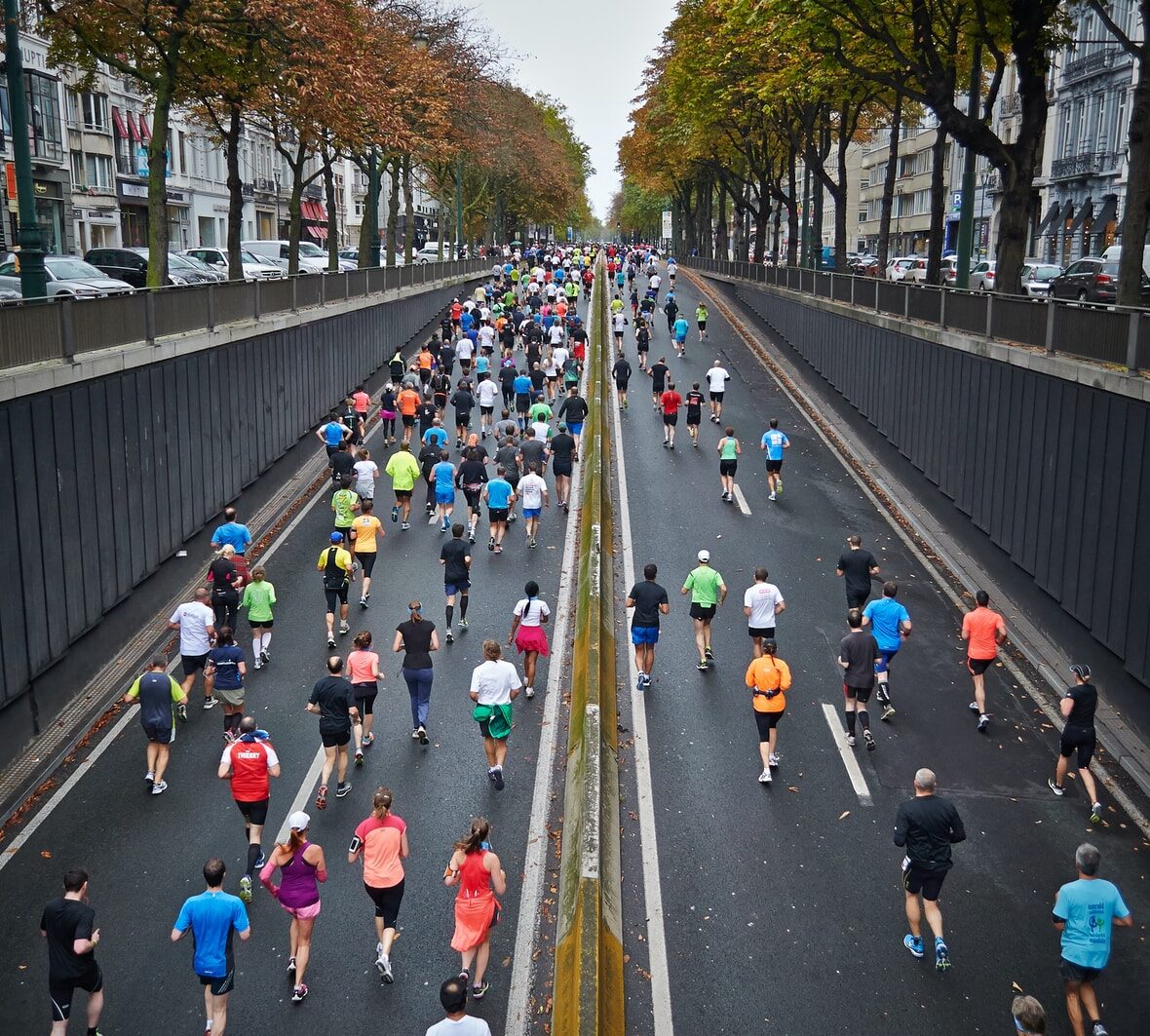

The best walkathon fundraiser ideas combine a clear mission, easy peer-to-peer giving, and a memorable experience people genuinely want to join. Start with a simple pledge-per-mile walk, then add one standout hook such as a glow theme, pet-friendly route, school spirit challenge, or sponsor-funded matching hour.
A walkathon is more than a few laps and a donation jar wearing a paper hat. It can bring together families, schools, businesses, nonprofits, and virtual participants while encouraging accessible physical activity. The CDC explains that regular physical activity supports better health, giving your event two compelling outcomes: raise funds and get people moving.
We once supported a community walk where organizers worried that their biggest attraction would be the finish-line entertainment. Instead, participants kept talking about a halfway tribute station featuring handwritten names and personal messages. The quietest stop became the emotional heart of the event—and taught us that thoughtful storytelling can outshine expensive production.
Key Takeaways
- Choose a clear fundraising format: Pledge-per-mile, sponsor-a-step, peer-to-peer pages, and matching gifts make giving easy to understand.
- Use a memorable theme: Glow walks, costume walks, dog walkathons, scavenger hunts, and school-spirit challenges create shareable moments.
- Make participation inclusive: Offer multiple distances, accessible routes, rest stops, virtual options, and family-friendly activities.
- Build sponsor partnerships: Local businesses can fund hydration stations, activity zones, prizes, accessibility features, or donation matches.
- Promote the event early and often: Combine email, social media, team captains, school or workplace networks, local media, and participant stories.
- Plan safety before decorations: Weather monitoring, first aid, permits, emergency access, route signage, and trained volunteers come first.
- Track net impact: Measure expenses, donations, sponsorships, attendance, donor retention, volunteer hours, and the program results your fundraising supports.
- Follow up quickly: Thank donors, volunteers, participants, and sponsors while the event is still fresh in everyone’s memory.
Table of Contents
-
⚡ Quick Tips and Facts for a Successful Walkathon Fundraiser
-
🏆 25 Walkathon Fundraiser Ideas to Boost Participation and Donations
-
Inclusive Ideas for Children, Seniors, and Participants with Disabilities
-
Donation Receipts, Tax Considerations, and Financial Transparency
-
💡 Walkathon Fundraiser Ideas for Schools, Nonprofits, and Businesses
Quick Tips and Facts for a Successful Walkathon Fundraiser
Our team at Walkathon Benefits™ has seen the same pattern repeatedly: the most successful walkathons are rarely just walks. They are easy-to-join community experiences with a clear mission, multiple ways to give, and enough personality to make people want to return.
For a broader school-focused idea bank, start with 🏆 15 Best Walkathon Fundraiser Ideas for Schools (2026). Then use the practical framework below to build an event that raises money without making participants feel as if they have accidentally enrolled in an accounting seminar. 😄
Fast Walkathon Fundraising Facts
- Peer-to-peer fundraising matters: Participants often raise more effectively through personal stories and direct outreach than through a generic organization-wide appeal. SignUpGenius summarizes the advantage neatly: “When your participants become fundraisers, they tap into their own networks and multiply your reach.” Read its creative fundraising ideas for walks.
- A walkathon can support health and fundraising simultaneously: Regular physical activity is associated with substantial health benefits, including improved cardiovascular health and reduced risk of several chronic conditions, according to the CDC.
- Virtual and hybrid participation expands reach: Someone recovering from illness, caring for a family member, traveling, or living several states away can still participate.
- Matching gifts can create urgency: A limited-time employer or major-donor match gives supporters a compelling reason to donate now instead of “sometime after I find my wallet.”
- Themed experiences improve memorability: Glow walks, pajama walks, pet walks, superhero events, and scavenger hunts give participants something to photograph and share.
- Accessibility is not an optional garnish: A route with smooth surfaces, rest points, accessible toilets, and alternative participation options welcomes more people and can increase fundraising reach. The ADA National Network provides accessibility guidance.
- The finish line is a fundraising opportunity: Food, music, sponsor booths, raffles, tribute displays, and children’s games can increase engagement after the final mile.
The 10-Minute Walkathon Success Test
Before booking a venue, ask:
- Can someone explain the cause in one sentence?
- Can a participant register from a phone in under five minutes?
- Can a supporter donate without attending?
- Can a participant join virtually or choose a shorter route?
- Can a local business see a clear reason to sponsor?
- Can volunteers understand their roles without a 40-page instruction manual?
- Can donors see exactly how funds will help?
If the answer to several questions is “not yet,” that is useful information. Fixing friction early is cheaper than repairing it while 400 people are looking for the water station.
Set a Clear Fundraising Goal
Choose a goal that is specific, measurable, and connected to impact.
Instead of:
“We hope to raise a lot.”
Try:
“Our goal is to raise $30,000 to provide 600 pediatric wellness visits.”
Break the target into understandable units:
| Fundraising target | Number of participants | Average raised per participant |
|---|---|---|
| $10,000 | 100 | $100 |
| $25,000 | 250 | $100 |
| $50,000 | 400 | $125 |
| $100,000 | 750 | About $133 |
These are planning scenarios, not guarantees. Your actual result will depend on the cause, audience, event history, fundraising tools, sponsorships, and follow-up.
Link the goal to an outcome using a source donors trust, such as your annual report, program budget, or a relevant Charity Navigator profile. Donors respond better when “support our mission” becomes “your gift helps fund…”
Choose the Best Date, Route, and Venue
A successful route should be:
- Safe
- Clearly marked
- Accessible
- Easy to reach by public transportation or car
- Close to restrooms, water, parking, and emergency access
- Suitable for the expected distance and participant age range
A school campus may work beautifully for a family event. A public park may be ideal for a community charity walk. A downtown route can create visibility but may require road closures, police coordination, and additional permits.
Contact the relevant local authority early. Permit requirements vary by city, county, park district, and event size. The National Recreation and Park Association offers useful context for working with parks and recreation agencies.
Route Planning Snapshot
| Route feature | Why it matters | Practical recommendation |
|---|---|---|
| Distance | Prevents fatigue and supports different abilities | Offer a short loop plus a longer route |
| Surface | Reduces trip hazards and improves mobility access | Prioritize smooth pavement or compact paths |
| Rest stops | Supports older adults, children, and people with health conditions | Place them at regular intervals |
| Water | Helps participants stay comfortable, especially in heat | Use refill stations where possible |
| Signage | Prevents wrong turns | Use large arrows and volunteers at intersections |
| Emergency access | Enables rapid response | Keep access lanes clear |
| Shade | Reduces heat exposure | Schedule around cooler hours and use shaded areas |
| Toilets | Essential for comfort and accessibility | Include accessible units near start and finish |
Plan Safety, Accessibility, and Risk Management
Our health professionals recommend treating safety as part of the participant experience, not as paperwork hidden in a binder.
Build a written plan covering:
- Weather monitoring
- Heat and cold precautions
- First-aid coverage
- Emergency communication
- Lost-child procedures
- Traffic and crossing control
- Accessible route alternatives
- Water and rest stations
- Participant waivers where legally appropriate
- Insurance and local requirements
The American Red Cross provides first-aid resources, while the National Weather Service offers heat-safety information.
Health note: Participants with cardiovascular disease, diabetes, significant mobility limitations, or other medical concerns should discuss activity plans with a qualified clinician. Event organizers should never diagnose participants or give individualized medical advice at a registration table.
The History and Community Impact of Walkathon Fundraisers
Walkathons grew from a simple proposition: many people can contribute a manageable amount of effort to create a meaningful collective result.
The format works because it combines several behaviors:
- Physical activity
- Social connection
- Public support for a cause
- Personal storytelling
- Peer-to-peer giving
- Community visibility
Large cause-based events have demonstrated how flexible the model can become. The American Heart Association Heart Walk uses corporate teams and community participation to support heart and brain health. The Alzheimer’s Association Walk to End Alzheimer’s uses a Promise Garden ceremony to create a highly visible emotional connection. The American Cancer Society Relay For Life uses luminaria to honor and remember people affected by cancer.
These events differ in mission and structure, yet they share a central idea: the event gives donors a reason to move toward the cause together.
Why Walkathons Remain Popular
Walkathons are generally more accessible than timed races because:
- Walking does not require specialized athletic training.
- Families can participate together.
- Participants can often choose their own pace.
- Older adults and people returning to activity may feel more comfortable.
- Virtual participation can include people outside the local area.
- Teams create a built-in support system.
The U.S. Department of Health and Human Services Physical Activity Guidelines emphasize that moving more and sitting less can provide health benefits, and that activity can be accumulated in manageable portions.
A Personal Lesson from the Route
At one community walk we supported, organizers were initially focused on the finish-line stage. They had music, banners, a photographer, and an impressive volunteer emcee.
But participants kept talking about one quiet stop halfway through the route: a volunteer holding handwritten signs with names of people honored by the event.
That stop became the emotional center of the day. It reminded us that the most memorable feature is not always the loudest one. A thoughtful tribute station, a survivor story, or a simple mission message can matter more than a mountain of balloons.
Community Benefits Beyond Fundraising
A walkathon can:
- Encourage regular movement
- Introduce residents to local parks and walking routes
- Strengthen relationships among schools, nonprofits, employers, and businesses
- Create volunteer opportunities
- Build donor lists for future campaigns
- Normalize conversations about health, disability, mental health, or social needs
- Give local businesses a visible way to support the community
Explore related strategies in our Community Engagement and Health Benefits of Walking categories.
25 Walkathon Fundraiser Ideas to Boost Participation and Donations
Here is the big question: Which walkathon idea will raise the most money?
The honest answer is rarely “the fanciest one.” The strongest option is usually the format that fits your audience, cause, budget, season, and volunteer capacity. A neon glow walk may delight college students and families, while a tribute walk may better serve a bereavement-focused cause.
Use the ideas below as building blocks. Mix two or three, rather than throwing every possible activity into one event until the route resembles a traveling county fair.
1. Classic Pledge-Per-Mile Walk
Ask donors to pledge a fixed amount for every mile or lap completed.
Example:
- A donor pledges $2 per mile.
- The participant walks 4 miles.
- The donor gives $8.
This model works because the donation is tied to a visible accomplishment. SignUpGenius calls this a way to “transform a race into a real challenge” by connecting giving to distance.
Best for: schools, health charities, campus events, and first-time organizers.
Potential drawback: Donors may hesitate if they do not understand the maximum amount they could owe. Show a clear example and offer a capped pledge option.
2. Color Walk or Color Run
Participants wear white shirts while volunteers add washable color along the route.
Make it work:
- Use skin-safe, event-appropriate materials.
- Confirm venue rules.
- Protect nearby waterways and landscaping.
- Offer a clean route option for participants who prefer no powder.
- Provide eye and respiratory safety guidance.
The U.S. Environmental Protection Agency provides information about protecting stormwater systems, which matters when event materials could wash into drains.
Revenue boosters:
- Color-zone sponsorships
- Branded white shirts
- Before-and-after photo station
- Team color competition
3. Themed Costume Walk
Choose a theme such as:
- Superheroes
- Storybook characters
- Decades
- Pajamas
- Favorite movies
- Local landmarks
- “Dress as your future self”
Award prizes for creativity, team spirit, and cause connection, not only for expensive costumes.
Accessibility tip: Avoid making costumes mandatory. A themed wristband or colorful accessory lets everyone participate comfortably.
4. Glow-in-the-Dark Evening Walk
A twilight event can feel magical and may avoid the hottest part of the day.
Add:
- Glow sticks
- LED decorations
- Reflective route signs
- Music stations
- Luminaria
- A finish-line light show
Safety comes first. Use reflective gear, adequate lighting, visible volunteers, and clear boundaries. The National Highway Traffic Safety Administration offers pedestrian-safety resources.
Best for: cancer memorial events, youth groups, college communities, and fall fundraisers.
5. Superhero Charity Walk
Let participants choose a hero identity connected to the cause.
Examples:
- “Heart Heroes”
- “Literacy Legends”
- “Cancer Crushers”
- “Community Champions”
- “Rescue Rangers”
Create hero stations along the route, such as a hydration “power-up” or a gratitude wall.
Fundraising mechanic: Ask participants to unlock each station by reaching a team donation milestone.
6. Pet-Friendly Dog Walkathon
Invite people to walk with dogs, while designing rules for animal welfare and public safety.
Plan for:
- Water bowls
- Waste bags
- Shade
- A quiet area
- Veterinary or animal-care partners
- Leash requirements
- A no-pet alternative route or time slot
The American Veterinary Medical Association offers hot-weather safety guidance for pets.
Extra revenue ideas:
- Pet photo booth
- Dog-bandana sponsorship
- Best trick contest
- Pet-care vendor booths
- “Sponsor a shelter walk” campaign
7. Family Fitness and Fun Walk
Build an event around multiple generations.
Include:
- A stroller-friendly route
- Children’s activity stations
- Face painting
- Storytelling
- Family team challenges
- Noncompetitive awards
For child-focused planning, see our Kids Walkathons category.
Do not forget: Children need shade, water, supervision, and age-appropriate activities. A six-year-old does not experience a three-mile walk the same way a 35-year-old volunteer does.
8. Virtual Walkathon Challenge
Participants complete a distance wherever they are during a defined window.
They can:
- Walk around their neighborhood
- Use a treadmill
- Complete laps at a local park
- Walk with a workplace team
- Submit photos or activity screenshots
Virtual events expand access, although participation can be less predictable than in-person attendance. A virtual walk should have structure: a clear date range, fundraising pages, milestone communications, and a digital finish-line celebration.
Best for: national nonprofits, alumni groups, dispersed families, and participants with mobility or scheduling barriers.
9. Step-Counting Fitness Competition
Set a collective goal, such as:
“Together, we will walk 10 million steps in 30 days.”
Use a verified tracking approach where possible, but avoid making expensive wearable devices a requirement. Participants can submit self-reported steps, use phone health apps, or join team-based estimates.
Fairness tip: Include a participation category and a fundraising category. Otherwise, the person with the most advanced wearable may win the “technology Olympics.”
10. Walk-and-Read Literacy Event
Create a route with:
- Story pages displayed at checkpoints
- Local authors
- Book donations
- Reading pledges
- Character costumes
- A book swap
A sponsor can fund books or literacy kits rather than simply placing a logo on a banner.
Best for: schools, libraries, early-childhood organizations, and literacy nonprofits.
11. School Spirit Walkathon
Use school colors, grade-level teams, classroom goals, and principal challenges.
Ideas include:
- Principal-versus-students fundraising challenge
- Teacher dunk tank after a milestone
- Classroom leaderboard
- “Color your school mascot” donation tracker
- Family picnic finish
- Student-designed event logo
School events should follow local safeguarding, supervision, and volunteer-screening policies. The National Association of Elementary School Principals provides broader school leadership resources.
12. Corporate Team Walking Challenge
Invite employers to form teams and compete on:
- Funds raised
- Participation rate
- Volunteer hours
- Creative team theme
- Steps completed
- Matching-gift activation
Corporate teams should do more than display logos. They can staff hydration stations, fund activity zones, provide volunteer grants, or match employee donations.
Explore practical fundraising planning in our Fundraising Strategies category.
13. Community Scavenger Hunt Walk
Give participants a card or mobile checklist with tasks such as:
- Find a local landmark
- Thank a volunteer
- Visit a sponsor station
- Take a team photo
- Locate a mission fact
- Complete a wellness prompt
- Collect stamps
Do not require participants to use a smartphone. Offer printed cards for children, older adults, and people who prefer a screen-free experience.
14. Heritage, History, or Landmark Walk
Build a route around local history.
Partner with:
- Museums
- Historical societies
- Libraries
- Indigenous community organizations
- Local historians
- Neighborhood associations
Use short audio clips or printed signs to explain each stop. Make sure historical content is accurate, respectful, and inclusive.
Fundraising angle: Sell “sponsor a landmark” opportunities or let donors dedicate route signs.
15. Music and Dance Walkathon
Add performers or playlists at designated checkpoints.
Options include:
- School bands
- Local dance groups
- Choirs
- DJs
- Community musicians
- Silent-disco segments
Keep sound levels reasonable and offer quieter areas. Loud music can be uncomfortable for some participants, particularly children and people with sensory sensitivities.
16. Walk-a-Thon Relay for Teams
Teams complete a total distance through rotating walkers.
This works well for:
- Corporate groups
- School houses
- Fitness clubs
- Families
- Organizations with mixed mobility levels
Use clear handoff points and avoid making speed the only measure of success. Recognize the team that raises the most, recruits the most people, or demonstrates the strongest spirit.
17. Reverse Walkathon Fundraiser
Instead of charging participants to join, ask them to secure donations first or invite donors to support a specific milestone.
Possible structures:
- Donate first, walk second
- Participants earn entry after reaching a fundraising threshold
- Sponsors fund each completed route section
- Businesses donate based on total walkers
This format can reduce barriers for families who cannot afford an entry fee.
18. Sponsor-a-Step Campaign
Donors pledge by step, mile, lap, or checkpoint.
Because step totals can become complicated, set a reasonable maximum and explain the calculation clearly.
Example:
“Your pledge supports up to 10,000 steps. If Maya reaches 12,000, the pledge remains capped at the agreed amount.”
This protects donors from surprise totals and makes the campaign easier to administer.
19. Dues-Free No-Registration-Fee Walk
Make participation free and emphasize donations.
This can increase access, but organizers must compensate for lost registration revenue through:
- Sponsorships
- Matching gifts
- Merchandise
- Raffles
- Food sales
- Peer-to-peer fundraising
- Optional VIP packages
A free event is not automatically a low-cost event. Staffing, permits, insurance, sanitation, and first aid still exist, even if the registration fee does not.
20. Breakfast, Brunch, or Food Truck Walk
End with food and social time.
Possible partners:
- Local cafés
- Farmers markets
- Food trucks
- Bakeries
- Grocery stores
- Culinary schools
Ask vendors about donated portions, revenue sharing, or sponsorship. Clearly label allergens and offer options for common dietary needs.
The FDA food safety guidance is useful for general food-handling principles, although local health rules govern public events.
21. Wellness and Mental Health Walk
Include calming, educational, and supportive elements:
- Breathing station
- Quiet route section
- Mental health resource table
- Peer-support stories
- Gentle stretching
- Counseling organization partner
- “You are not alone” message wall
Avoid presenting walking as a cure for mental illness. The National Institute of Mental Health provides reliable mental health information and support resources.
22. Memorial or Tribute Walk
Invite participants to dedicate:
- Route signs
- Luminaria
- Flowers
- Wristbands
- Digital tribute pages
- Memory cards
Give families control over what they share. Some people want a public tribute; others prefer privacy.
A tribute element can be emotionally powerful, but it requires sensitive communication. Train volunteers to respond with compassion rather than rushing people along because the next wave is due in 12 minutes.
23. Night-at-the-Movies Walking Challenge
Use a film theme with:
- Character checkpoints
- Movie soundtrack stations
- Film trivia
- Costume awards
- Outdoor screening
- Sponsor-supported popcorn or snacks
Avoid using copyrighted movie branding without permission. Theme the event around broad genres or public-domain material unless you have the necessary rights.
24. Corporate Matching Gift Walkathon
Ask a company to match donations during:
- A one-hour flash match
- A registration week
- A team milestone
- The final day before the event
- A finish-line giving window
Promote the match everywhere, including donation pages, emails, social posts, route signs, and announcements.
Donors can also search employer eligibility through tools such as Double the Donation, while nonprofits should confirm each company’s rules directly.
25. Walkathon Bingo and Challenge Cards
Create a card with simple tasks:
- Donate or recruit a donor
- Walk with someone new
- Visit a sponsor booth
- Take a team photo
- Thank a volunteer
- Complete a stretch
- Share the cause online
- Find a route fact
Completed cards can earn raffle entries, recognition, or a small donated prize.
Why it works: It rewards engagement, not just speed or fundraising totals.
Participant-Driven Fundraising Strategies
A walkathon becomes much stronger when participants are not merely attendees but storytellers, recruiters, and fundraisers.
How to Recruit Walkers, Teams, and Fundraising Captains
Start with people who already care:
- Board members
- Volunteers
- Parents
- Alumni
- Program participants
- Employees
- Healthcare partners
- Local clubs
- Faith communities
- Former event participants
Then ask each person for a specific action:
“Will you captain a team of eight and help us raise $1,000?”
That is more effective than:
“Let us know if you want to help.”
Team Captain Responsibilities
Give captains a simple toolkit:
- Registration link
- Mission message
- Sample invitation
- Fundraising goal
- Social media graphics
- Reminder schedule
- FAQ
- Contact for support
A captain should not need to invent an entire campaign between school pickup and dinner.
Peer-to-Peer Fundraising Page Best Practices
Each page should include:
- A personal photo
- A short story
- The cause and its impact
- A clear fundraising goal
- A direct donation button
- Easy sharing tools
- Updates as the event approaches
- A thank-you message after each donation
Use suggested messages, but encourage authenticity. A donor can sense when a page sounds like it was written by a committee in a windowless conference room.
Donation Tiers, Incentives, and Friendly Competition
Offer recognition at multiple levels:
| Recognition type | Example |
|---|---|
| Participation | Digital badge or certificate |
| First milestone | Social shout-out |
| Mid-level fundraising | Event wristband or donated item |
| Top individual | Trophy, medal, or sponsored experience |
| Top team | Team banner or community recognition |
| Most creative | Theme-based prize |
| Most improved | Recognition for returning participants |
Avoid incentives that make low-income participants feel excluded. Keep some awards based on participation, teamwork, creativity, or kindness.
Inclusive Ideas for Children, Seniors, and Participants with Disabilities
Offer:
- Multiple distances
- Seated or stationary participation options
- Virtual participation
- Wheelchair- and stroller-friendly routes
- Rest stops
- Accessible toilets
- Sign-language interpretation where feasible
- Printed and digital materials
- Quiet areas
- Flexible start windows
- Support-person registration policies
The CDC Disability and Health resources can help organizers think more broadly about inclusion and participation.
A Message That Participants Can Reuse
“I’m walking to support [cause]. My goal is to raise [amount], which will help [specific impact]. You can donate, join my team, or share this page. Thank you for helping me take steps for [mission].”
Sponsorships and Community Partnerships That Pay Off
Sponsors want more than their logo squeezed between a water bottle icon and a missing-person flyer. They want visibility, goodwill, employee engagement, and a credible connection to the community.
How to Build a Walkathon Sponsorship Package
Create three to five levels with benefits that are easy to understand.
| Sponsor benefit | Starter | Community | Lead |
|---|---|---|---|
| Logo on event page | ✅ | ✅ | ✅ |
| Social media recognition | ✅ | ✅ | ✅ |
| Route signage | ✅ | ✅ | |
| Volunteer team opportunity | ✅ | ✅ | |
| Branded activity station | ✅ | ✅ | |
| Speaking or welcome role | ✅ | ||
| Matching-gift activation | ✅ | ||
| Post-event impact report | ✅ | ✅ | ✅ |
Do not promise benefits you cannot deliver. If you offer “social media recognition,” specify the number or type of posts. If you offer “logo placement,” specify where.
Local Business Sponsorship Ideas
Approach businesses that naturally connect to the event:
- Physical therapy clinics
- Hospitals and medical practices
- Grocery stores
- Sporting-goods retailers
- Fitness studios
- Banks and credit unions
- Restaurants
- Pharmacies
- Pet-care businesses
- Transportation providers
- Printing companies
Make the proposal relevant:
- A grocery store can sponsor hydration and fruit.
- A physical therapy clinic can sponsor a warm-up area.
- A bank can match donations.
- A pet store can sponsor the dog walk.
- A local restaurant can host a give-back night.
Corporate Matching Gifts and Workplace Giving
Ask business partners to support through:
- Employee donation matches
- Volunteer grants
- Payroll giving
- Team registration
- Paid volunteer time
- In-kind services
- Workplace promotion
- Challenge grants
Funds2Orgs describes volunteer grants as “like matching gifts, only for volunteer hours served.” The idea is worth including in sponsor outreach, especially when a company cannot commit a large cash gift but has an active employee-volunteer program.
See volunteer grant basics from Double the Donation for more information.
In-Kind Donations, Vendors, and Media Partners
In-kind support may include:
- Water
- Fruit
- Printing
- First-aid supplies
- Portable toilets
- Entertainment
- Photography
- Transportation
- Prizes
- T-shirts
- Venue space
Track the fair value of donated goods and services for internal reporting and donor acknowledgment. Ask your accountant about proper charitable receipting; donated goods are not handled identically in every jurisdiction.
Sponsor Activation Ideas
Sponsors can run:
- CPR demonstrations
- Health screenings where legally and clinically appropriate
- Family games
- Passport stations
- Trivia challenges
- Photo booths
- Stretching sessions
- Recycling stations
- Tribute areas
- “Double your donation” windows
A sponsor that helps participants is usually more memorable than a sponsor that merely occupies a rectangle on a banner.
Extras That Increase Walkathon Donations
Raffles, Auctions, and Prize Drawings
These can add revenue, but rules vary widely by location. Check state and local requirements before selling raffle tickets. The [National Council of Nonprofits](https://www.councilofnonprofits.org/running-nonprofit/ fundraising-and-financial-sustainability/gaming) provides general guidance on charitable gaming and compliance.
Potential donations:
- Restaurant certificates
- Fitness sessions
- Local hotel stays
- Sports memorabilia
- Artwork
- Cooking classes
- Outdoor experiences
- Family activities
- Professional services
Ethical rule: Do not pressure families or children to buy tickets. Make participation optional and transparent.
Merchandise, T-Shirts, and Custom Gear
Useful items include:
- T-shirts
- Caps
- Wristbands
- Water bottles
- Tote bags
- Dog bandanas
- Reflective accessories
- Event stickers
Order cautiously. Unsold merchandise can erase profit. Consider preorders or print-on-demand services before committing to a large inventory.
Food, Drinks, and Concession Fundraisers
Options include:
- Sponsored water
- Coffee station
- Breakfast
- Food trucks
- Smoothies
- Fruit cups
- Healthy snacks
- Bake sale
- Community potluck, where permitted
Use clear ingredient labels and maintain safe food temperatures. Include water as a participant-safety necessity rather than treating it solely as a sales opportunity.
Donation Matching and Limited-Time Challenges
A match works best when all three elements are clear:
- Who is matching
- How much is available
- When the match ends
Example:
“Every gift made before 8 p.m. Friday will be matched by Northside Bank, up to the committed match amount.”
Avoid misleading “double your donation” language if the match is unlikely to be fully funded or if restrictions apply.
Tribute Gifts and Memorial Donations
Tribute giving can be integrated into:
- Registration
- Digital fundraising pages
- Route signs
- Luminaria
- Memory walls
- Ceremony programs
- Event emails
Give donors a choice between public and private recognition. A meaningful tribute is built on consent, accuracy, and dignity.
Build Excitement Online and Offline
A walkathon campaign should feel alive before event day. If people hear about it only once, they are unlikely to rearrange their calendars, recruit friends, and donate.
Walkathon Social Media Marketing Plan
Six to Eight Weeks Before
- Announce the date and mission.
- Open registration.
- Introduce the first team captains.
- Share the route or venue.
- Publish sponsor announcements.
- Explain fundraising goals.
Three to Four Weeks Before
- Share participant stories.
- Launch a team challenge.
- Post training and walking tips.
- Highlight incentives.
- Show event materials.
- Promote virtual participation.
Final Week
- Post weather and logistics updates.
- Share parking and arrival details.
- Remind donors about the match.
- Introduce volunteers.
- Publish the event-day schedule.
- Encourage last-minute donations.
Event Day
- Share live updates.
- Post sponsor activations.
- Celebrate milestones.
- Stream the start or finish where appropriate.
- Thank volunteers publicly.
After the Event
- Share photos.
- Publish the total raised when verified.
- Explain the impact.
- Thank donors and sponsors.
- Invite people to join the next campaign.
Email Campaigns, Text Reminders, and Newsletters
A useful email sequence might include:
| Timing | Email purpose |
|---|---|
| Launch | Registration and mission |
| Week 2 | How peer fundraising works |
| Week 4 | Team stories and incentives |
| Week 5 | Route and safety details |
| Final week | Logistics and urgency |
| Event day | Encouragement and giving |
| Afterward | Thanks and impact |
Text reminders should be concise and permission-based. Include opt-out instructions and avoid sending so many messages that recipients begin hiding when they see your organization’s logo.
School, Workplace, Church, and Community Promotion
Use existing communication channels:
- School newsletters
- Parent-teacher groups
- Employee intranets
- Faith-community bulletins
- Library calendars
- Neighborhood associations
- Recreation centers
- Local radio
- Community newspapers
Provide ready-to-use text, images, and links. The easier you make sharing, the more likely people are to do it.
Hashtags, Photos, Videos, and Participant Stories
Choose a short hashtag that is:
- Easy to spell
- Unique enough to search
- Related to the cause
- Appropriate for all ages
Get photo and video consent, especially for minors. The Federal Trade Commission offers broader privacy and data-security resources, while local laws and organizational policies may impose additional requirements.
Press Releases and Local Media Outreach
A useful press release includes:
- Event name
- Cause
- Date and location
- Registration information
- Human-interest story
- Sponsor or community partner
- Contact person
- High-resolution approved images, if requested
Pitch a story, not merely an event listing. “Local students walk to fund reading programs” is more compelling than “Organization announces annual walk.”
Last-Minute Walkathon Ideas and a Fast Launch Plan
Sometimes the event date is approaching and the planning folder is still mostly optimism. You can still build a worthwhile walkathon, but simplify aggressively.
The 30-Day Walkathon Fundraising Timeline
Days 30–24: Foundation
- Confirm cause and goal.
- Select a simple route.
- Verify permits and insurance.
- Create registration and donation pages.
- Recruit a core volunteer team.
- Contact likely sponsors.
Days 23–17: Recruitment
- Launch participant registration.
- Recruit team captains.
- Send the first email.
- Publish social media materials.
- Confirm water, first aid, toilets, and signage.
Days 16–10: Momentum
- Announce a mini-challenge.
- Secure donated prizes.
- Share participant stories.
- Confirm volunteers.
- Publish route details.
- Begin sponsor recognition.
Days 9–3: Final Push
- Send reminders.
- Run a matching challenge.
- Confirm supplies.
- Check weather.
- Print materials.
- Prepare emergency contacts.
Days 2–0: Execution
- Pack supplies.
- Brief volunteers.
- Set up registration.
- Mark the route.
- Run the event.
- Track donations and attendance.
- Begin thank-you communications.
The 14-Day Promotion and Donation Sprint
If you have only two weeks:
- Use one central registration page.
- Choose one short route.
- Skip complicated merchandise.
- Recruit five strong captains.
- Secure one matching donor.
- Send three focused emails.
- Use a simple social challenge.
- Offer virtual participation.
- Ask every participant to contact five people.
- Publish progress daily during the final three days.
A One-Week Emergency Fundraising Checklist
- ✅ Confirm location and permissions
- ✅ Verify emergency access
- ✅ Publish route and start time
- ✅ Recruit station volunteers
- ✅ Secure water
- ✅ Set up mobile donations and QR codes
- ✅ Prepare a weather plan
- ✅ Print signs
- ✅ Confirm first aid
- ✅ Send participant instructions
- ✅ Ask for one final donation
- ✅ Thank everyone promptly
Simple Walkathon Ideas Requiring Minimal Supplies
- Neighborhood team walk
- Virtual distance challenge
- School track lap event
- Sponsor-a-mile campaign
- Tribute walk
- Step-count contest
- Community landmark walk
- Pledge-per-lap event
- Workplace lunchtime walk
- Walking bingo challenge
A smaller event can still feel substantial if the mission, communications, and participant care are strong.
How to Organize a Walkathon from Start to Finish
Form an Organizing Committee and Assign Roles
At minimum, assign ownership for:
- Event leadership
- Fundraising
- Sponsorship
- Registration
- Route and safety
- Volunteers
- Communications
- Accessibility
- Finance
- Photography and storytelling
- Post-event stewardship
One person may handle multiple areas, but every responsibility should have a named owner.
Create a Budget and Estimate Fundraising Costs
Budget categories may include:
- Permits
- Insurance
- First aid
- Portable toilets
- Water
- Signage
- Printing
- Registration software
- T-shirts
- Entertainment
- Security
- Accessibility services
- Cleanup
- Contingency reserve
Track both cash expenses and in-kind contributions. A donated service is still part of the event’s real value.
Simple Net-Revenue Formula
Gross donations + sponsorships + registration + event-day revenue − expenses = net funds raised
Do not celebrate a large gross total while ignoring operational costs. Donors deserve transparent reporting.
Select Registration and Donation Tools
Look for:
- Mobile-friendly registration
- Team creation
- Personal fundraising pages
- Recurring donation options
- QR-code compatibility
- Automated receipts
- Volunteer scheduling
- Reporting
- Data export
- Accessibility
- Privacy controls
Platforms such as SignUpGenius can help with sign-ups and volunteer coordination, while dedicated peer-to-peer platforms may offer deeper fundraising functionality. Compare features against your organization’s needs rather than choosing the platform with the loudest homepage.
For more help, see our Event Registration Tips.
Design the Route, Checkpoints, and Rest Areas
Map:
- Start and finish
- Check-in
- Restrooms
- Water
- First aid
- Sponsor booths
- Quiet area
- Lost-child meeting point
- Short-route turnback
- Emergency vehicle access
Use a route that can be supervised. A beautiful but confusing route will produce more questions than donations.
Arrange Permits, Insurance, First Aid, and Security
Requirements vary. Contact:
- City or county offices
- Parks department
- Police or traffic authority
- Venue management
- Insurance provider
- Local emergency services
- Health department if serving food
Do not assume a private venue eliminates every requirement. Ask directly and document responses.
Plan Check-In, Signage, Water Stations, and Cleanup
A good arrival system should answer immediately:
- Where do I check in?
- Where do I get my bib or shirt?
- Where is the restroom?
- Where does the route begin?
- Where can I donate?
- Who do I ask for help?
Color-code signs and use large type. Give volunteers radios or a reliable communication plan.
Create a Volunteer Training Plan
Provide volunteers with:
- Arrival time
- Exact location
- Role description
- Contact person
- Emergency instructions
- Accessibility guidance
- Water and break plan
- What not to do
Train volunteers to direct participants without giving medical advice. If someone reports chest pain, severe shortness of breath, fainting, confusion, or a serious injury, activate emergency procedures.
Fundraising Goals, Budgets, and Donation Tracking
How to Set a Realistic Walkathon Fundraising Goal
Use historical data when available:
- Previous participants
- Average gift
- Team totals
- Sponsor revenue
- Registration conversion
- Donor retention
- Event costs
If this is a first event, create three scenarios:
| Scenario | Participation | Sponsorship | Average participant fundraising | Expected result |
|---|---|---|---|---|
| Conservative | Lower | Limited | Modest | Protects the budget |
| Target | Expected | Planned | Realistic | Main operating goal |
| Stretch | Strong | Expanded | Ambitious | Requires extra support |
Tell the team which scenario is the official goal and which is the stretch goal.
Calculating Cost Per Participant and Net Revenue
Useful metrics:
- Cost per registered participant
- Cost per attendee
- Average raised per participant
- Average gift size
- Sponsor revenue per sponsor
- Volunteer hours
- Net revenue
- Donor retention
- Registration-to-attendance rate
A low-cost event is not always better if it creates a poor participant experience. Likewise, an expensive event is not automatically successful because the finish line had a professional DJ.
Cash, Online, Mobile, and QR Code Donations
Offer several methods:
- Mobile card payments
- Online donation pages
- QR codes
- Text-to-give
- Cash collection with dual counting
- Checks
- Employer matching links
Place QR codes:
- At check-in
- On bibs
- On sponsor signs
- At water stations
- Near the finish
- In post-event emails
Test every QR code on multiple phones before printing hundreds of copies. One dead link can turn a clever campaign into decorative black-and-white confetti.
Donation Receipts, Tax Considerations, and Financial Transparency
Provide receipts where appropriate and distinguish:
- Tax-deductible donations
- Registration fees
- Raffle purchases
- Merchandise purchases
- Sponsorship benefits
- Auction payments
Rules vary by jurisdiction and by what the donor receives in return. Consult a qualified accountant or attorney for your organization’s situation. The IRS Charities and Nonprofits section provides U.S. guidance.
Key Metrics to Measure After the Event
Track:
- Total funds raised
- Net funds raised
- Number of participants
- Number of donors
- First-time donors
- Returning donors
- Team participation
- Sponsor retention
- Volunteer hours
- Social reach
- Email conversion
- Virtual participation
- Accessibility feedback
- Incident reports
- Waste and recycling outcomes
Data turns next year’s planning from guesswork into informed improvement.
Registration, Surveys, and Participant Communication
What to Include on a Walkathon Registration Form
Collect only information you genuinely need:
- Name
- Email or phone
- Participant type
- Team choice
- Route choice
- Emergency contact
- Accessibility requests
- Shirt size, if applicable
- Consent and waiver acknowledgments
- Photo preference
- Donation or fundraising interest
Avoid collecting sensitive medical information unless there is a legitimate, secure reason and appropriate oversight.
How to Create a Survey Within Your Sign-Up Form
Place a short survey after the essential registration fields so it does not block completion.
Ask:
- How did you hear about the event?
- Have you attended before?
- Which route length interests you?
- Are you joining a team?
- Would you volunteer?
- What accessibility support would help?
- What cause story motivates you?
- Would you participate virtually?
- What would make you return next year?
Use optional fields for personal stories and clearly state how responses may be used.
Questions to Ask Before, During, and After the Walkathon
Before
- Is the route clear?
- Are registration steps easy?
- Do participants understand the cause?
- Are families asking about parking or strollers?
- Are sponsors receiving promised materials?
During
- Are water stations easy to locate?
- Are signs visible?
- Are volunteers approachable?
- Is the route too crowded?
- Do participants need a shorter option?
After
- Did participants feel safe?
- Was the route accessible?
- Were communications useful?
- What should be removed?
- What should be expanded?
- Would participants recommend the event?
Privacy, Consent, and Photo Release Best Practices
Tell people:
- What data you collect
- Why you collect it
- Who can access it
- How long you retain it
- How to request changes
- Whether photos may be used publicly
For children, follow applicable laws and your organization’s safeguarding policy. Consent forms should be understandable, not written like a riddle hidden inside a tax treaty.
Walkathon Products, Tools, and Supplies
A product can improve logistics, but no gadget can rescue an unclear route or a missing volunteer. Buy for the event you actually have.
Walkathon Product Rating Snapshot
Ratings below reflect event usefulness, not laboratory performance. Product availability and models change, so verify specifications before ordering.
| Product or category | Design | Functionality | Durability | Event usefulness | Ease of use | Overall |
|---|---|---|---|---|---|---|
| Garmin vívoactive series | 9/10 | 9/10 | 8/10 | 8/10 | 8/10 | 8.4/10 |
| Fitbit Charge series | 9/10 | 8/10 | 8/10 | 8/10 | 9/10 | 8.4/10 |
| Apple Watch SE | 9/10 | 9/10 | 8/10 | 8/10 | 8/10 | 8.4/10 |
| Nathan hydration belt | 8/10 | 8/10 | 8/10 | 8/10 | 8/10 | 8.0/10 |
| CamelBak hydration pack | 8/10 | 9/10 | 9/10 | 9/10 | 8/10 | 8.6/10 |
| SKLZ agility cones | 7/10 | 8/10 | 8/10 | 8/10 | 9/10 | 8.0/10 |
| Custom coroplast route signs | 8/10 | 9/10 | 7/10 | 9/10 | 8/10 | 8.2/10 |
These are not mandatory purchases. For many walkathons, water, signage, first aid, and volunteers matter more than wearable technology.
Essential Event Supplies Checklist
- Route signs and arrows
- Registration tables
- Clipboards or tablets
- Bibs or wristbands
- Pens and markers
- Water and cups or refill stations
- First-aid supplies
- High-visibility volunteer vests
- Radios or charged phones
- Canopies
- Tables and chairs
- Trash and recycling containers
- Hand sanitizer
- Portable toilets where needed
- Sunscreen station, if appropriate
- Accessibility signage
- QR-code donation signs
- Lost-and-found container
- Cleanup supplies
Recommended Fundraising and Registration Platforms
Compare:
Consider transaction costs, donor data access, team pages, reporting, accessibility, support, and integration with your accounting system.
Useful Walking Gear for Participants
Garmin vívoactive Series
Strengths:
- Activity tracking
- GPS on selected models
- Fitness and health metrics
- Strong battery performance on many models
Drawbacks:
- May offer more functions than casual walkers need
- Some features vary by model
- Requires setup and charging
See the Garmin vívoactive collection.
Fitbit Charge Series
Strengths:
- Slim design
- Familiar activity tracking
- Simple step-focused experience
- Broad appeal for wellness challenges
Drawbacks:
- Feature availability varies by model and subscription
- Smartphone compatibility should be checked
- GPS functionality may differ by version
Visit Fitbit’s official site.
Apple Watch SE
Strengths:
- Strong iPhone integration
- Activity rings and workout tracking
- Emergency and communication functions on supported setups
- Familiar interface for Apple users
Drawbacks:
- Best suited to people already in the Apple ecosystem
- Battery charging is part of the routine
- Cellular functions may require a compatible plan
See Apple Watch.
CamelBak Hydration Packs
Strengths:
- Hands-free hydration
- Useful for longer routes or warm conditions
- Multiple storage configurations
- Durable designs
Drawbacks:
- May be unnecessary for short, well-supported walks
- Requires cleaning and refilling
- Some participants prefer bottles or staffed water stations
Visit CamelBak’s hydration collection.
Nathan Hydration Belts
Strengths:
- Lightweight
- Good for shorter routes
- Convenient storage
- Less bulky than a full pack
Drawbacks:
- Smaller capacity
- Fit varies by body shape
- Bottles may bounce if incorrectly adjusted
Visit Nathan Sports.
Signs, Banners, Bibs, T-Shirts, and Medal Ideas
A useful route sign has:
- Large lettering
- Strong contrast
- One instruction
- Directional arrow
- Consistent colors
- Weather-appropriate material
Use branded shirts strategically. A volunteer shirt should be visibly different from a participant shirt. A first-aid volunteer should not blend into the crowd like a shy sunflower.
Eco-Friendly and Low-Waste Event Supplies
Consider:
- Refillable water stations
- Reusable signage
- Digital waivers
- Recycled paper
- Compostable foodware where local facilities accept it
- Clearly labeled recycling
- Donated or reusable decorations
- Shirt preorders
- Bulk sunscreen or hand sanitizer stations
Avoid claiming an event is “zero waste” unless you have measured the full waste stream. Honest environmental reporting beats green confetti.
Product Shopping Links
- Garmin vívoactive: Amazon | Garmin Official Website
- Fitbit Charge: Amazon | Fitbit Official Website
- Apple Watch SE: Amazon | Apple Official Website
- CamelBak hydration packs: Amazon | CamelBak Official Website
- Nathan hydration belts: Amazon | Nathan Official Website
- SKLZ cones: Amazon | SKLZ Official Website
- Custom event signs: Etsy | Vistaprint Official Website
Weather, Safety, Accessibility, and Contingency Planning
Heat, Rain, Cold, and Air Quality Planning
Prepare decisions in advance.
| Condition | Planning response |
|---|---|
| Heat | Earlier start, shade, water, cooling area, shorter route |
| Rain | Tents, waterproof signage, slip checks, postponement trigger |
| Cold | Warm-up area, shorter exposure, weather messaging |
| Lightning | Delay or cancel according to safety guidance |
| Poor air quality | Monitor official alerts and offer virtual participation |
| High winds | Secure tents and signs; remove unstable structures |
| Extreme conditions | Postpone, relocate, or convert to virtual format |
The American College of Sports Medicine and National Weather Service provide useful safety resources.
Emergency Contacts and First-Aid Procedures
Create a one-page emergency sheet with:
- Event address
- Route map
- Emergency entrance
- Organizer phone
- First-aid location
- Nearest hospital
- Volunteer leads
- Weather contact
- Lost-child procedure
- Cancellation authority
In an emergency, volunteers should call local emergency services when appropriate and follow dispatcher instructions. Do not ask untrained volunteers to transport an injured participant.
Accessible Routes, Restrooms, and Transportation
Check:
- Route width
- Surface condition
- Slopes
- Curb cuts
- Seating
- Accessible parking
- Restroom access
- Signage
- Public transit
- Drop-off areas
- Service-animal access
Offer a contact person for accommodation requests before the event. The ADA checklist from the U.S. Access Board can support planning.
What to Do If the Walkathon Must Be Postponed
Communicate quickly:
- State the decision.
- Explain the safety reason.
- Give the new date or next update time.
- Explain what happens to registrations and donations.
- Offer virtual participation if possible.
- Thank participants for understanding.
Never leave people guessing whether the event is happening while they are standing in a parking lot wearing event shirts and increasingly suspicious expressions.
Make Event Day Memorable
Opening Ceremony and Mission-Focused Welcome
Keep opening remarks brief and meaningful:
- Welcome participants
- Explain the cause
- Thank sponsors and volunteers
- Share one human story
- Explain route and safety
- Announce the fundraising goal
- Start the walk
One strong story is usually more effective than a parade of seven speeches.
Music, Entertainment, Games, and Photo Opportunities
Use entertainment to support the route:
- Local performers
- School bands
- Dance groups
- Mascots
- Photo frames
- Tribute walls
- Sponsor passport stations
- Kids’ games
- Finish-line music
Keep pathways clear and make photo stations optional.
Awards for Top Walkers, Teams, and Fundraisers
Consider awards for:
- Top fundraiser
- Top team
- Most participants
- Best theme
- Best family spirit
- Most inspiring story
- Best volunteer
- Most accessible team effort
- Most creative virtual participant
- Community partner of the year
Recognize effort without implying that money determines personal worth.
Thank-You Moments for Volunteers and Sponsors
Thank people publicly and privately:
- Stage acknowledgment
- Social media posts
- Thank-you emails
- Certificates
- Sponsor reports
- Volunteer appreciation gathering
- Personalized notes from beneficiaries or leadership
Sponsors should receive a clear summary of what their support made possible.
After the Walk: Stewardship and Long-Term Growth
Send Meaningful Thank-You Messages
Send an initial thank-you within a few days. Include:
- Appreciation
- Event highlights
- Participation or fundraising milestone
- Mission reminder
- Photos, if available
- Next step for staying involved
Do not wait until every accounting detail is finalized to say thank you.
Share Results, Stories, Photos, and Impact
A strong impact update answers:
- How many participated?
- How much was raised?
- What costs were incurred?
- What will the funds support?
- What did participants say?
- What happens next?
If the final total is still being verified, say so. Accuracy is more valuable than a rushed number.
Retain Donors and Recruit Next Year’s Participants
Segment follow-up:
- First-time donors
- Returning donors
- Major donors
- Team captains
- Volunteers
- Sponsors
- Virtual participants
- Participants who did not donate
Send relevant updates rather than identical messages to everyone.
Use Feedback to Improve Your Next Walkathon
Look for patterns:
- Where did people get lost?
- Was check-in too slow?
- Were there enough restrooms?
- Did virtual participants feel included?
- Did sponsors receive promised exposure?
- Did the route suit strollers and mobility devices?
- Did volunteers feel prepared?
One community organizer told us that the most valuable post-event comment was not about the music or medals. It was: “I knew where to go, and I felt welcome.” That is a small sentence with a very large operational footprint.
Walkathon Fundraiser Planning Checklist
Six to Twelve Months Before
- ✅ Define mission and fundraising goal
- ✅ Select date and location
- ✅ Form leadership team
- ✅ Estimate budget
- ✅ Research permits and insurance
- ✅ Identify sponsors
- ✅ Choose registration platform
- ✅ Plan accessibility
Two to Five Months Before
- ✅ Confirm route
- ✅ Launch registration
- ✅ Recruit captains
- ✅ Begin sponsorship outreach
- ✅ Secure vendors
- ✅ Create communication schedule
- ✅ Order only necessary supplies
- ✅ Recruit volunteers
Two to Eight Weeks Before
- ✅ Promote peer fundraising
- ✅ Confirm first aid
- ✅ Publish logistics
- ✅ Test donation and QR-code systems
- ✅ Finalize route signs
- ✅ Confirm food and water
- ✅ Prepare weather plan
- ✅ Review safeguarding and privacy procedures
Event Week
- ✅ Send final instructions
- ✅ Check weather
- ✅ Print lists
- ✅ Charge devices
- ✅ Pack volunteer kits
- ✅ Confirm emergency contacts
- ✅ Prepare cash-handling procedures
- ✅ Confirm sponsor materials
After the Event
- ✅ Reconcile funds
- ✅ Thank everyone
- ✅ Share verified results
- ✅ Gather feedback
- ✅ Send sponsor report
- ✅ Store or recycle supplies
- ✅ Record lessons learned
- ✅ Set a date for next year
Common Walkathon Fundraising Mistakes to Avoid
Mistake 1: Making the Cause Vague
Fix: Explain exactly what donations support.
Mistake 2: Building a Complicated Registration Process
Fix: Ask for essential information first. Collect optional details later.
Mistake 3: Relying on One Fundraising Method
Fix: Combine peer-to-peer pages, sponsors, matching gifts, and event-day extras.
Mistake 4: Treating Accessibility as an Afterthought
Fix: Include disabled participants in route and program planning from the beginning.
Mistake 5: Ignoring the Weather
Fix: Set decision thresholds and communication procedures in advance.
Mistake 6: Offering Too Many Activities
Fix: Select a few strong features that volunteers can operate well.
Mistake 7: Forgeting Donor Follow-Up
Fix: Schedule thank-you communications before event day.
Mistake 8: Measuring Gross Revenue Only
Fix: Track expenses and report net impact honestly.
Mistake 9: Depending on Volunteers Without Training
Fix: Give every volunteer a role, location, contact, and emergency instruction.
Mistake 10: Buying Merchandise Before Measuring Demand
Fix: Use preorders or conservative quantities.
Mistake 11: Making Competition the Whole Experience
Fix: Include noncompetitive awards and participation options.
Mistake 12: Using QR Codes Without Testing Them
Fix: Scan every code from multiple devices and check the destination page.
Walkathon Fundraiser Ideas for Schools, Nonprofits, and Businesses
Elementary and Middle School Walkathon Ideas
- Classroom fundraising teams
- Principal challenge
- Storybook walk
- Color walk
- Mascot scavenger hunt
- Family picnic
- Teacher costume challenge
- Reading pledge
- Student-designed route signs
See Kids Walkathons for additional planning guidance.
High School and College Walking Challenges
- Residence-hall competition
- Alumni virtual challenge
- Campus landmark route
- Club and organization teams
- Glow walk
- Student versus faculty match
- Mental health awareness walk
- Service-hour challenge
For college events, include late-night safety planning, accessible transportation, and clear communication for students who may not know the surrounding area.
Nonprofit Charity Walk Ideas
- Tribute walk
- Mission milestone route
- Peer-to-peer team campaign
- Virtual companion event
- Donor matching hour
- Sponsor passport
- Survivor or beneficiary storytelling
- Program-specific fundraising teams
Cause-based rituals such as luminaria, honor beads, flowers, or tribute signs can be powerful when they are handled with consent and care.
Workplace and Corporate Wellness Walks
- Lunchtime walking challenge
- Department leaderboard
- Volunteer-grant campaign
- Employer match
- Team captain competition
- Walking meeting week
- Corporate wellness fair
- Charity partner showcase
Avoid making participation mandatory in ways that penalize employees with disabilities, health limitations, caregiving duties, or different work schedules.
Faith-Based and Neighborhood Walkathons
- Community prayer or reflection route
- Neighborhood clean-up walk
- Food pantry fundraiser
- Intergenerational walk
- Local business passport
- Holiday-themed walk
- Community hero recognition
- Shared meal finish
These events often succeed because trust already exists among participants. Use that trust responsibly by communicating clearly how money will be handled and reported.
Conclusion

A walkathon fundraiser works best when it gives people several meaningful ways to participate: walk, donate, sponsor, volunteer, share, remember, celebrate, or join virtually.
The strongest plan is not necessarily the most elaborate. It is the one that:
- Connects every activity to the mission
- Makes registration and giving simple
- Welcomes different ages and abilities
- Uses peer-to-peer fundraising
- Builds sponsor relationships beyond logo placement
- Plans safety and weather contingencies
- Communicates before, during, and after the event
- Shows donors the impact of their support
Remember the question we left hanging earlier: Which idea raises the most money? The answer is the idea your community understands, enjoys, and can repeat. A simple pledge-per-mile walk with excellent communication may outperform a dazzling theme with confusing logistics. A quiet tribute station may create more loyalty than an expensive stage. A virtual option may bring in the donor who lives 1,000 miles away but still wants to walk beside you.
Start with one clear mission, one manageable route, and one direct invitation. Then add the features your people will genuinely value. That is how a walk becomes more than a route on a map. It becomes a community habit. 👟
Recommended Links
Walkathon Fundraising and Planning Resources
- School walkathon ideas: 15 Best Walkathon Fundraiser Ideas for Schools (2026)
- Health and walking: Health Benefits of Walking
- Fundraising strategy: Fundraising Strategies
- Community outreach: Community Engagement
- Children’s events: Kids Walkathons
- Registration planning: Event Registration Tips
- Sign-up and volunteer coordination: SignUpGenius
- Peer-to-peer event registration: RunSignup
- Donation and fundraising tools: Givebuter
- Nonprofit fundraising pages: Classy by GoFundMe
- Online donations: Donorbox
Walking and Activity Resources
- Physical activity guidance: CDC Physical Activity
- National activity guidelines: U.S. Physical Activity Guidelines
- Pedestrian safety: National Highway Traffic Safety Administration
- Heat safety: National Weather Service Heat Safety
- Accessibility guidance: ADA National Network
Books for Fundraising and Nonprofit Event Planning
- The Nonprofit Fundraising Solution on Amazon
- Hesselbein on Leadership on Amazon
- The Art of Fundraising on Amazon
- The Volunteer Management Handbook on Amazon
Product and Supply Links
- Garmin vívoactive: Amazon | Garmin Official Website
- Fitbit Charge: Amazon | Fitbit Official Website
- Apple Watch SE: Amazon | Apple Official Website
- CamelBak hydration packs: Amazon | CamelBak Official Website
- Nathan hydration belts: Amazon | Nathan Official Website
- Event cones: Amazon | SKLZ Official Website
- Custom walkathon signs: Etsy | Vistaprint
FAQ

How can businesses support walkathon fundraisers in their community?
Businesses can contribute through cash sponsorships, matching gifts, employee teams, volunteer hours, in-kind donations, and cause-marketing campaigns.
A restaurant might donate a percentage of one evening’s sales. A bank might match gifts during a one-hour challenge. A physical therapy clinic might sponsor warm-up stations. A printing company might donate signs. The best partnership connects the business’s real capabilities to the event’s needs.
Businesses can also support volunteer grants. Some employers donate to nonprofits when employees volunteer a certain number of hours. Double the Donation explains how these programs work.
What should a business receive in return?
Offer measurable benefits:
- Logo placement
- Social media recognition
- Team registration
- Employee volunteer opportunities
- Activity-zone branding
- Impact report
- Community recognition
Do not promise tax treatment or charitable deductions without professional advice.
Read more about “🚀 25+ Epic Walkathon Ideas to Skyrocket Your Fundraising (2026)”
What incentives work best to motivate walkathon participants?
The most effective incentives usually combine recognition, progress, belonging, and modest rewards.
Good options include:
- Team leaderboards
- Matching-gift challenges
- Digital badges
- Custom shirts
- Medals or certificates
- Sponsor-donated experiences
- Creative costume awards
- Family participation awards
- Virtual milestone recognition
Money-based competition can motivate some participants but discourage others. Include awards for teamwork, creativity, consistency, and community spirit.
Read more about “🚀 How to Raise Money for a Charity Walk: 7 Proven Strategies (2026)”
How do walkathon fundraisers benefit community health initiatives?
They can raise funds for health programs while creating a low-barier opportunity for people to move together. Walkathons may support:
- Health screenings
- Patient services
- Research
- Nutrition programs
- Mental health initiatives
- Mobility programs
- Health education
- Accessible recreation
Walking itself should not be presented as a substitute for medical care. The CDC provides evidence-based information about physical activity and health.
Read more about “🚶 ♀️ 7 Steps to Master Walkathons as Community Engagement (2026)”
How can I encourage more participation in a walkathon fundraiser?
Reduce friction and increase relevance:
- Offer short and long routes.
- Provide virtual participation.
- Make registration mobile-friendly.
- Recruit visible team captains.
- Use an appealing theme.
- Explain the cause in plain language.
- Invite families, workplaces, schools, and clubs.
- Offer accessible transportation and rest areas.
- Use a limited-time matching challenge.
- Send reminders with clear instructions.
People are more likely to join when they know what to do, why it matters, and whether they will feel welcome.
Read more about “🚶 7 Fresh Walkathon Fundraiser Search Terms (2026)”
How can technology enhance the walkathon fundraising experience?
Technology can centralize:
- Registration
- Team creation
- Personal fundraising pages
- Mobile donations
- QR-code giving
- Email reminders
- Leaderboards
- Volunteer schedules
- Digital waivers
- Virtual participation
- Reporting
Technology should simplify the experience, not make participants create five passwords before they can donate $20. Offer a phone-friendly process and a non-digital alternative when possible.
Read more about “Walkathon Safety and Emergency Planning: Organizer Checklist”
What sponsorship ideas work best for walkathon events?
Strong sponsorship ideas include:
- Corporate team sponsorships
- Route-station sponsorships
- Hydration sponsorships
- Matching-gift hours
- Tribute-sign sponsorships
- Children’s activity zones
- Volunteer support
- Food and beverage sponsorships
- Accessibility sponsorships
- Virtual participation sponsorships
Sponsorships work best when businesses participate visibly and help improve the experience rather than simply displaying a logo.
Read more about “🚀 7 Ways to Skyrocket Walkathon Reach with Influencers (2026)”
How can I increase participant engagement in a walkathon?
Create small moments of interaction along the route:
- Scavenger hunts
- Sponsor passports
- Trivia checkpoints
- Music
- Photo stations
- Tribute walls
- Team challenges
- Wellness prompts
- Volunteer thank-you stops
- Progress thermometers
Engagement should remain optional. Some participants want to chat and collect stamps; others want a peaceful walk with their family.
Read more about “Beyond Headcounts: 12 Walkathon Metrics 🔎”
What are effective ways to promote a walkathon fundraiser?
Use a layered campaign:
- Social media
- School newsletters
- Workplace communications
- Local media
- Community calendars
- Sponsor channels
- Flyers with QR codes
- Participant stories
- Short videos
Ask participants to share personal invitations. A direct message from a friend often cuts through more effectively than a generic organizational announcement.
Read more about “🏃 ♂️ 12-Step Walk-a-Thon Fundraiser for Elementary School (2026)”
What are the environmental benefits of organizing a walkathon fundraiser?
A walkathon can encourage active transportation and community use of walking routes. It may also reduce dependence on vehicles for short trips, particularly when people walk from nearby neighborhoods.
Environmental benefits are not automatic. Large events can produce waste and vehicle emissions. Improve the balance through:
- Refill stations
- Reusable signs
- Public transportation information
- Carpooling
- Recycling
- Reduced single-use plastics
- Local vendors
- Accurate waste measurement
Avoid exaggerated sustainability claims.
Read more about “🚶 15 Real Walkathon Examples to Inspire Your Next Fundraiser (2026)”
How do walkathon fundraisers help build community engagement?
They bring together people who may not usually interact: families, schools, nonprofits, businesses, healthcare organizations, volunteers, and local officials.
The shared route becomes a social bridge. Team fundraising gives people a reason to contact friends and coworkers. Sponsor stations create local connections. Tribute ceremonies give the event emotional meaning. Follow-up communications can turn one-day participants into long-term volunteers or donors.
Read more about “15 Walkathon Cost-Cutting Measures”
How far should participants walk at a fundraiser?
Offer more than one option when possible:
- Short accessible loop
- Moderate community route
- Longer challenge route
- Virtual distance option
A route of 1 to 3 miles works for many general community events, but the ideal distance depends on the audience, weather, terrain, and cause. The goal is participation, not proving who owns the most determined pair of knees.
Read more about “What Is the Purpose of a Walkathon?”
Can a walkathon be held virtually?
Yes. Participants can walk at home, on a treadmill, at a local park, or in another safe location during a defined event window.
Provide:
- Digital bib
- Fundraising page
- Suggested routes
- Safety guidance
- Photo-sharing instructions
- Virtual leaderboard
- Online celebration
- Clear reporting deadline
Keep virtual participation equal in mission and recognition, even if the experience is different.
Read more about “13 Proven Walkathon Fundraiser Ideas to Skyrocket Your Cause (2025) 🚶 ♂️”
How do I keep a walkathon safe in hot weather?
Schedule during cooler hours, provide shade and water, shorten the route if needed, monitor conditions, and communicate warning signs such as dizziness, confusion, weakness, or severe headache. Encourage participants to pace themselves and seek help promptly.
Use official guidance from the National Weather Service. Event volunteers should follow emergency procedures rather than attempting to diagnose heat illness.
Read more about “🚶 ♀️ 10 Benefits of Walking: Transform Your Health in 2026”
What should I do if bad weather threatens the event?
Set a written decision policy before event day. Monitor reliable weather sources, identify a postponement authority, and communicate through email, text, social media, and the registration page.
Explain whether donations and registrations transfer to the new date. If feasible, offer virtual participation.
How can I make a walkathon accessible?
Plan accessible routes, restrooms, parking, seating, signage, transportation, and registration options. Offer multiple distances and a virtual or stationary alternative.
Ask participants what they need rather than guessing. Accessibility is broader than wheelchair access and may include sensory, communication, visual, hearing, cognitive, or medical considerations.
Read more about “12 Walkathon Legacy Strategies That Last 🌱”
How should a nonprofit report walkathon results?
Share:
- Gross funds raised
- Event expenses
- Net funds raised
- Participation
- Donor numbers
- Sponsor support
- Volunteer contribution
- Intended program impact
- Next steps
If figures are preliminary, label them as preliminary. Transparent reporting strengthens donor trust and future participation.
Read more about “Influencer Marketing for Walkathons: Outreach and Campaign Guide”
Reference Links
Reliable Health, Safety, and Accessibility Sources
- CDC Physical Activity Basics
- U.S. Department of Health and Human Services Physical Activity Guidelines
- National Weather Service Safety Information
- National Weather Service Heat Safety
- American Red Cross First Aid
- ADA National Network
- U.S. Access Board
- National Highway Traffic Safety Administration Pedestrian Safety
- National Institute of Mental Health
- American Veterinary Medical Association Pet Safety
Fundraising and Nonprofit Sources
- SignUpGenius: Creative Fundraising Ideas for Runs, Walks, and Rides
- Funds2Orgs: Walkathon Fundraiser Ideas
- Almabase: 15+ Walkathon Fundraiser Ideas
- Double the Donation: Volunteer Grant Basics
- National Council of Nonprofits
- IRS Charities and Nonprofits
- Charity Navigator
- RunSignup
- Givebuter
- Classy by GoFundMe
- Donorbox
Cause-Based Walkathon Examples
- American Heart Association Heart Walk
- Alzheimer’s Association Walk to End Alzheimer’s
- American Cancer Society Relay For Life
- American Foundation for Suicide Prevention Out of the Darkness Walks
- Susan G. Komen 3-Day
- UNCF Walk for Education
Walking Gear and Event Supplies
- Garmin Wearables
- Fitbit
- Apple Watch
- CamelBak Hydration
- Nathan Sports
- SKLZ
- Vistaprint Signs and Posters
- Custom Event Signs on Etsy